Star Anise: Flavor Profile, Health Benefits & Culinary Uses
By the QuiteRecipes team (Jamy & Kaïna)
The eight-pointed stars in pho broth and Chinese five-spice are star anise, a resinous licorice-spice from a small evergreen tree. Here is how to cook with it.
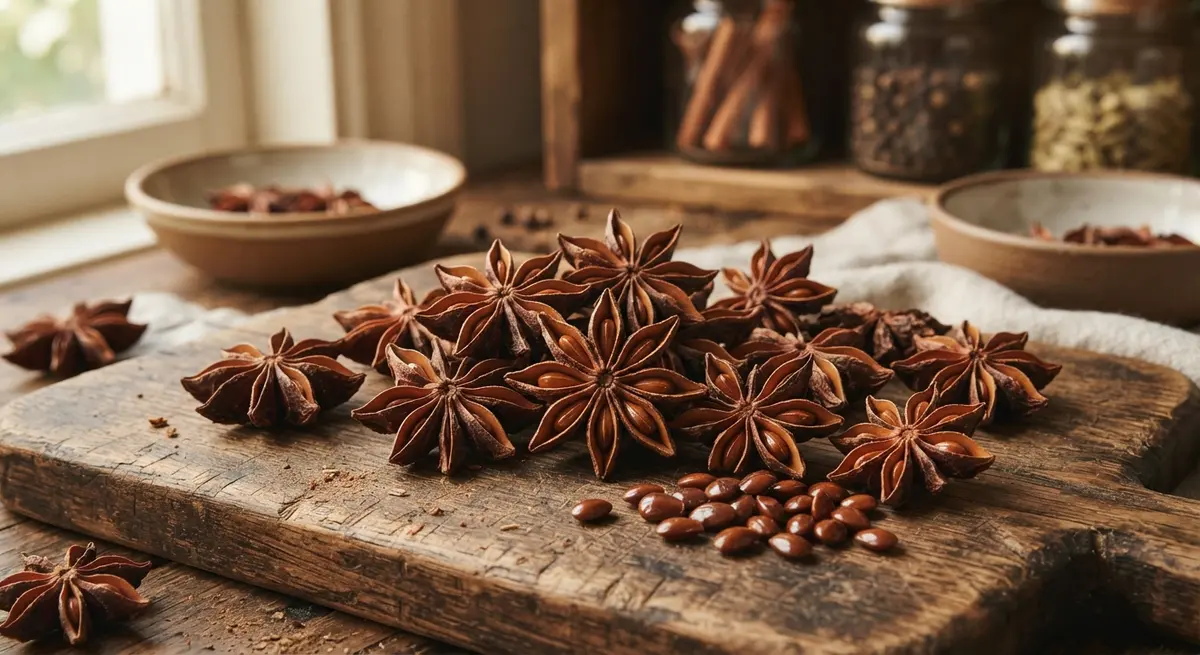
Star anise looks like something a botanist drew as a joke: a hard, brown, eight-pointed star with a glossy seed at each point, the dried fruit of the evergreen tree Illicium verum from southwest China. It shares its name and much of its licorice flavor with aniseed, but the two plants are unrelated — the star is more resinous, more complex, and far more striking in a pot. It is the spice that gives pho its beguiling depth and five-spice its anchor.
One star goes a long way, which is good, because it is one of the most assertive spices in the cabinet. It does drinks and desserts too, but its natural home is a slowly simmering stock.
Flavor Profile & Notes
Star anise tastes of sweet licorice with an extra layer: a peppery, resinous, almost fennel-like warmth and a hint of clove that licks the back of the tongue. Anethole drives the licorice note, while its intensity needs measuring in whole pods, not heaping teaspoons. Simmered in broth or syrup it gives up its essence gradually and politely; chewed or used ground it is much sharper. Remove the star before serving — it is meant for flavor, not for eating. Whole pods keep their perfume for a couple of years; ground star anise fades quickly.
Health Benefits & Nutrition
Star anise carries a genuinely curious health résumé. It is a traditional digestive spice, it brings the anethole compounds linked to its family's mild benefits, and from a more modern angle: this spice is the commercial source of shikimic acid, a starting material used in manufacturing the antiviral drug oseltamivir. That is drug chemistry, not dinner health — in food, enjoy it as a fragrant, satisfying spice with a modest antioxidant side.
Best Culinary Pairings
Two stars and a cinnamon stick in the pot is the difference between good and great pho, braised pork belly, and red-braised Chinese dishes. It is one of the five voices in five-spice powder, a quiet partner in mulled wine and spiced poached pears, and a star (pun intended) in gingerbread and festive cookies where its resinous licorice rounds out the cinnamon. A single pod in a pot of rice or a plum sauce tells guests something is happening without naming it.
Quick Substitutes
Aniseed is the closest pantry stand-in — about half a teaspoon of aniseed seeds per whole star, with less resin and more sweetness. Fennel seeds double for the sweet side but lose the bite; a pinch of cloves adds back some of the pepper. Five-spice powder already contains star anise, so it can step in if the dish tolerates its other voices. None are faithful copies, so use the swap in broths and braises where you can adjust by tasting.
FAQ / Quick Facts
- Is all star anise safe to cook with? Buy from reputable food sources; an unrelated Japanese species (Illicium anisatum) can be toxic and must not be eaten.
- How do I use it? Whole, simmered in stock, syrup, or wine, removed before serving; ground, in baking, by pinches.
- Know your spice: Schisandraceae family; whole pods or ground; the licorice cornerstone of pho and Chinese five-spice.
Related Articles
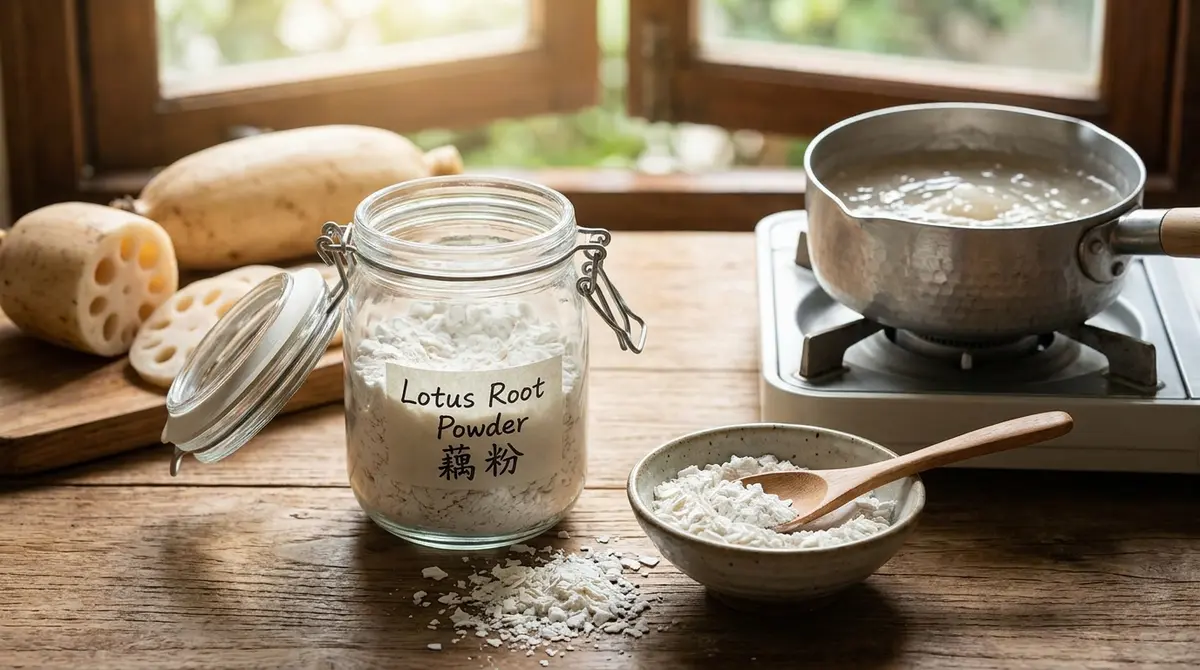
Lotus Root Powder: Flavor Profile, Health Benefits & Culinary Uses
A whisper-sweet root starch from the lotus that gives soups body and batters crunch. Here is what lotus root powder is, how to cook with it, and what to swap it for.
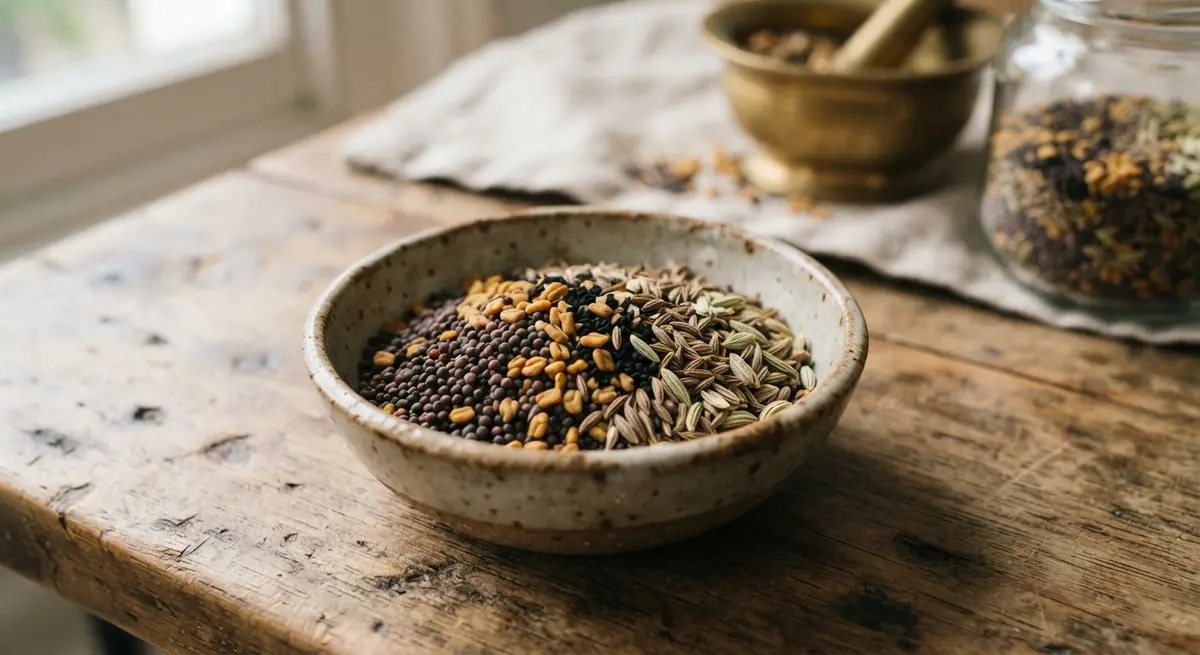
Panch Phoron: Flavor Profile, Health Benefits & Culinary Uses
Five seeds, one pan of hot oil, and every Bengali dish gets its aroma. Here is how panch phoron works, who put it together, and how to blend your own.
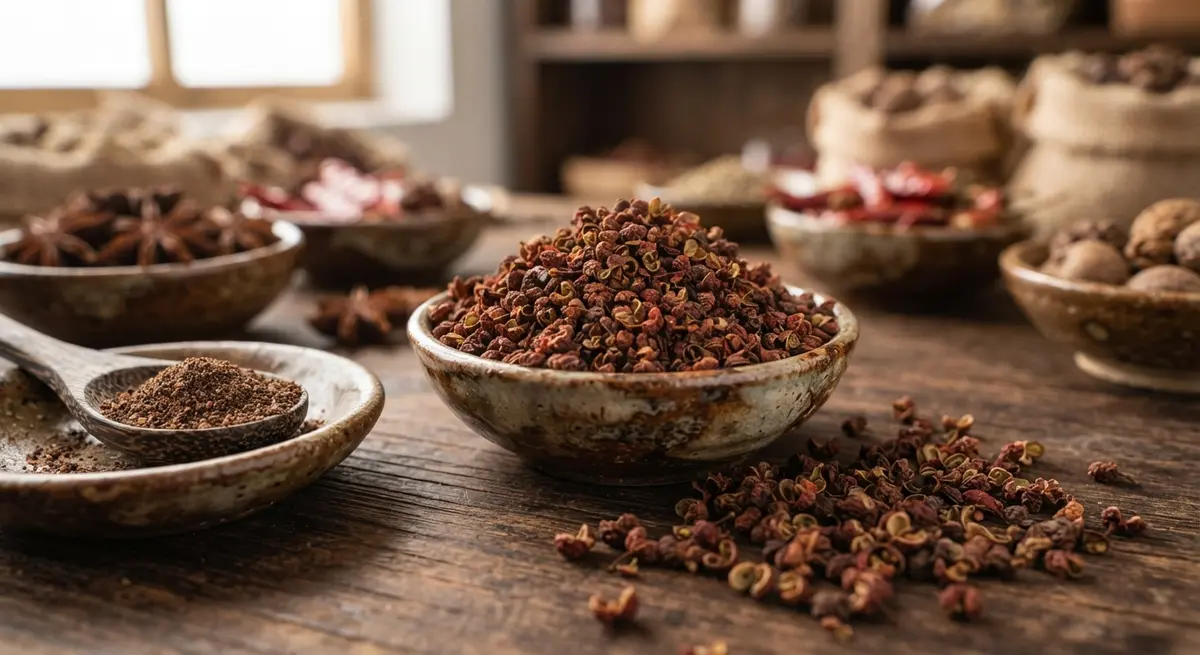
Sichuan Pepper: Flavor Profile, Health Benefits & Culinary Uses
The tingly, vibrating mouthfeel called ma is unique to Sichuan pepper, and it turns out to be easier to work with than most cooks expect once you stop scorching it.
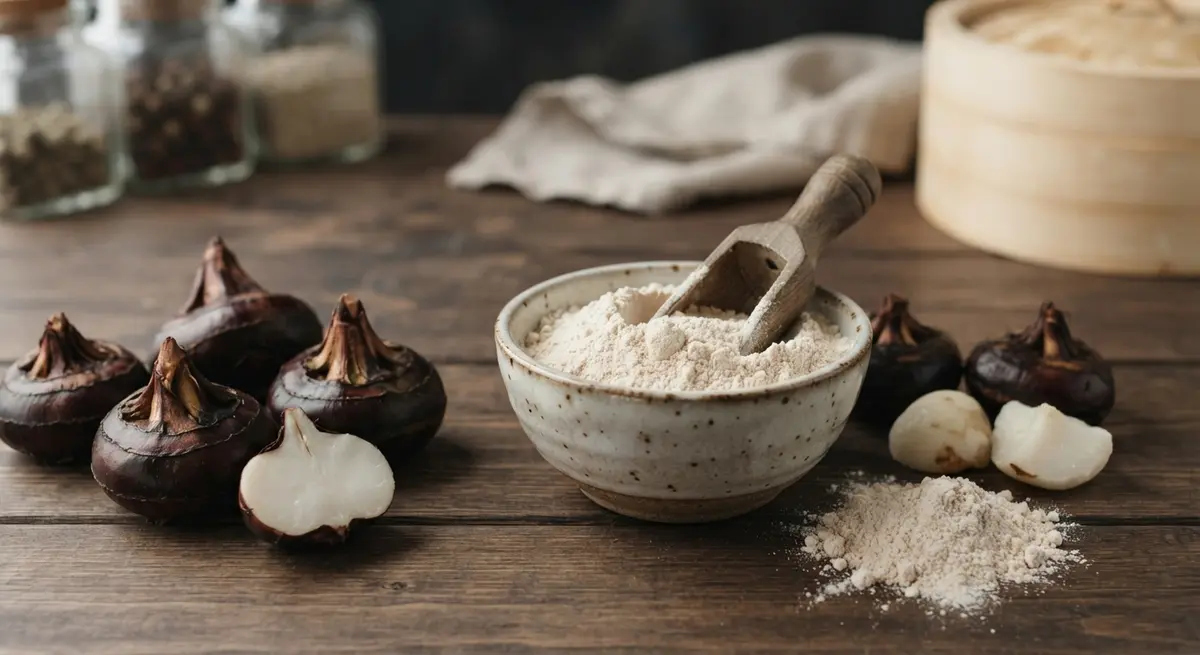
Water Chestnut Powder: Flavor Profile, Health Benefits & Culinary Uses
The starch and flour of the crunchy aquatic water chestnut: how to thicken, batter, and bake with it, from Chinese stir-fries to Indian fasting kitchens.
About the Authors
This recipe and guide was developed, tested, and approved in our home kitchen and daily life. Jamy is a retired Food Service District Manager and Early Childhood Program Manager who spent his career overseeing multi-site restaurant operations, large-scale culinary production, and daycare menu management. Kaïna brings the ultimate real-world test: making sure it brings ease and joy to our kids on a busy weeknight.
Read more about our professional background and philosophy →