Panch Phoron: Flavor Profile, Health Benefits & Culinary Uses
By the QuiteRecipes team (Jamy & Kaïna)
Five seeds, one pan of hot oil, and every Bengali dish gets its aroma. Here is how panch phoron works, who put it together, and how to blend your own.
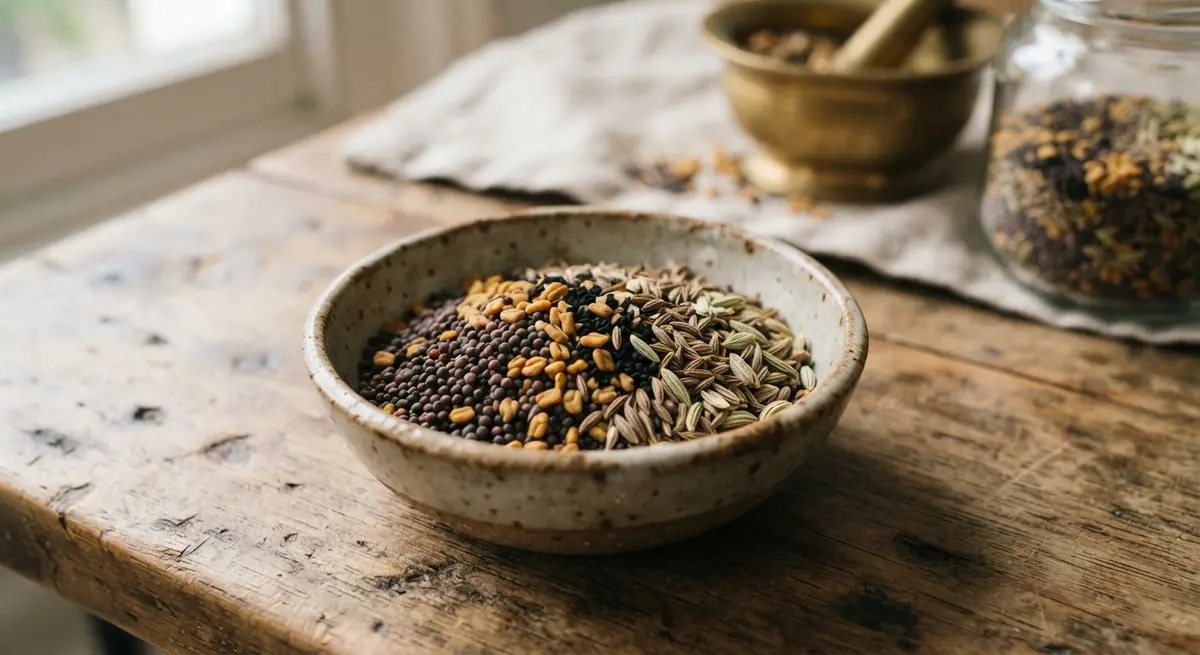
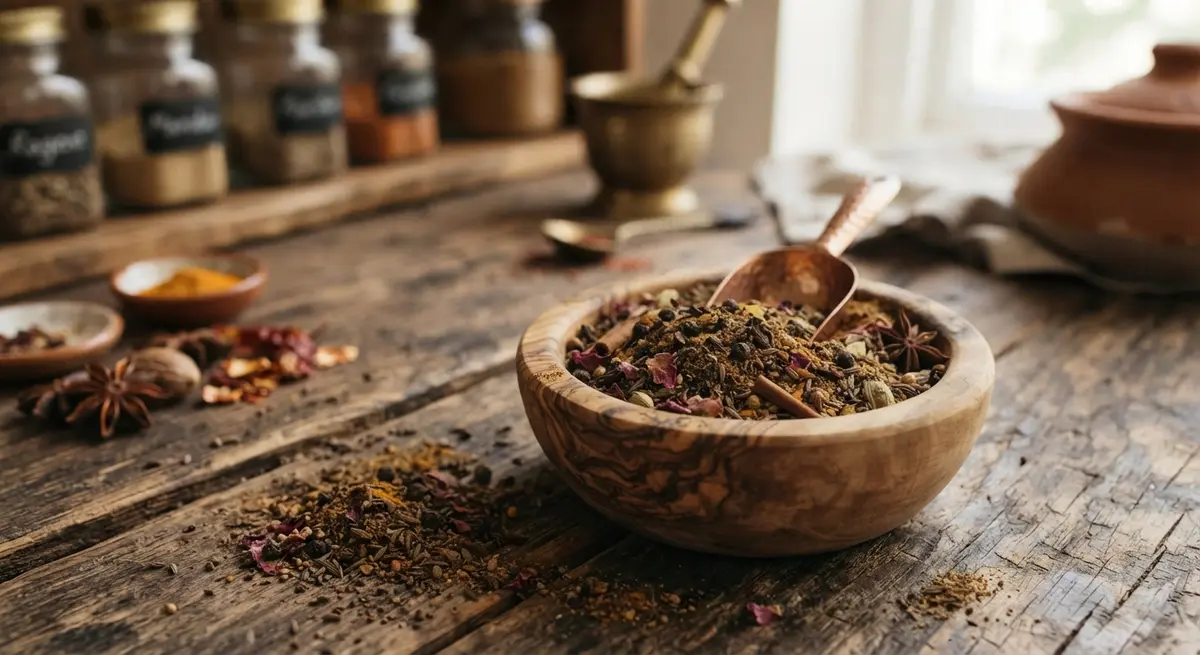
Some spice blends are secret recipes meant to be argued over. Panch phoron is not one of them. The Bengali five-spice is a flat, honest, equal-parts blend: nigella seeds (kalonji), cumin seeds, fennel seeds, black mustard seeds, and a slightly smaller pinch of fenugreek. That is it. Its genius is not cleverness but the way five very different personalities — bitter, smoky, sweet, sharp, and maple-like — land in a pan of hot oil at the same moment and come out tasting like one voice. Add garlic and onion to the pan and you can stand over any Bengali recipe book ever written.
Flavor Profile & Notes
As raw seeds in the jar, panch phoron smells faint and almost confusing; bloom it and it becomes a different thing entirely. In hot oil or ghee the mustard seeds pop, the fenugreek sweetens to a toasted maple note, the nigella turns savory, the cumin warms up, and the fennel sweetens — the whole pan smells like buttered spice and fresh bread. Bengalis call the technique phoron: the tempering that starts a dish and returns to finish it. The flavor is warm, sweet-savory, and unmistakably eastern, with no single seed dominating after the oil works its magic.
Health Benefits & Nutrition
Panch phoron is five whole seeds, each with a modest, honest nutritional résumé: mustard contributes selenium and manganese, fenugreek adds fiber, and cumin's essential oils have the family-wide antioxidant and digestion-friendly reputation. In traditional Bengali practice these seeds were the everyday digestive set — the bitter nigella and the thyme-like edge of fenugreek were the classic settling agents after rich fish and dal meals. Keep it proportionate, though: you use a quarter to a half teaspoon at a time, and that amount is flavor and a trace of fiber, not a health program.
Best Culinary Pairings
The classic move is posto's neighbor, not its rival: bloom a teaspoon in mustard oil, then cook potatoes, cauliflower, or squashes in it — Bengali aloo and mixed-vegetable dishes follow this rhythm all week. Panch phoron is the foundation of shukto bitters, lentil dishes, chickpea curries, and smoked eggplant preparations. It also works fully outside Bengali cooking: fry it in oil and pour it over a simple pot of beans, scrambled eggs, or roasted vegetables for instant Eastern warmth. Because the five seeds keep their crunch, it doubles as a garnish when toasted.
Quick Substitutes
Blend your own at equal parts of nigella, cumin, fennel, and mustard, with fenugreek at half that weight. If fenugreek is missing, add a half pinch of curry leaves or skip it and add more nigella — the mix stays recognizable. A blend of cumin and mustard seeds with a little fennel covers the general idea, though you lose the bitter-sweet contrast that makes the real thing distinct. The blend itself is so easy to make that substitution is mostly about what your local store happens to stock.
FAQ / Quick Facts
- How long does a blend keep? A year to eighteen months in a dark jar; toasting revives tired seeds in seconds.
- What does it taste like? Warm, sweet-savory, bittersweet — mustard pop, toasted maple, fennel lift.
- Form / Best uses: Whole-seed blend, equal parts. Used as a tempering in hot oil or ghee; classic with potatoes, chickpeas, and mixed vegetables.
Related Articles
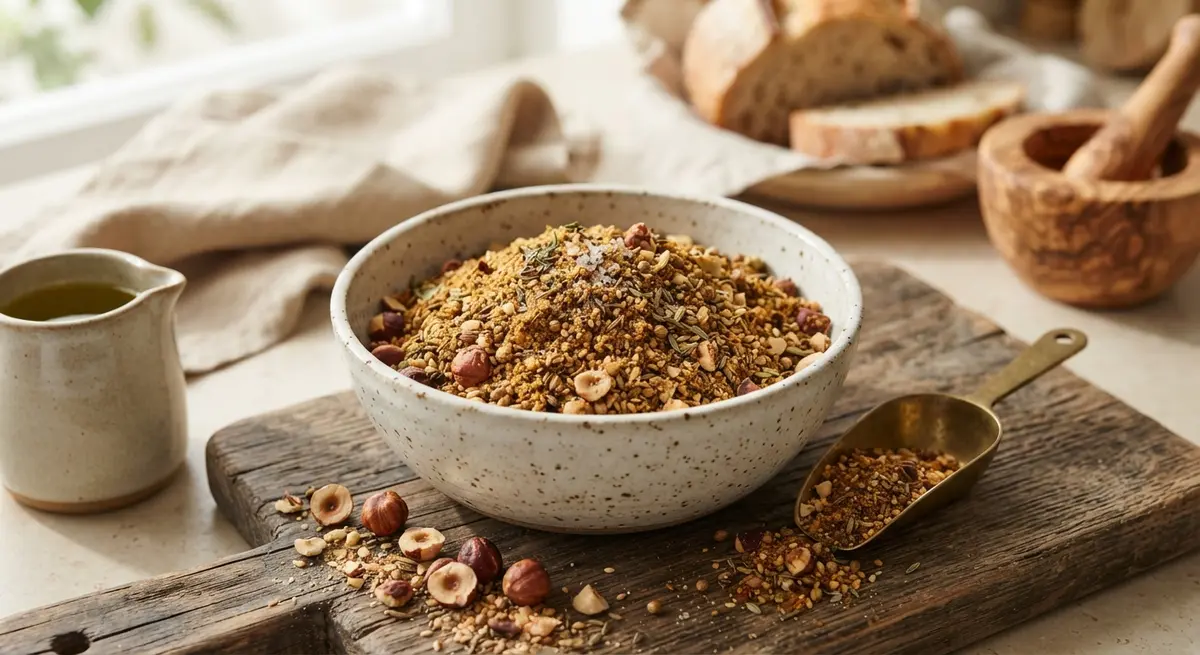
Dukkah: Flavor Profile, Health Benefits & Culinary Uses
An Egyptian dip that conquered snack bowls worldwide: toasted nuts, sesame, coriander, and cumin, crushed into the crumbly garnish made for olive oil and bread.
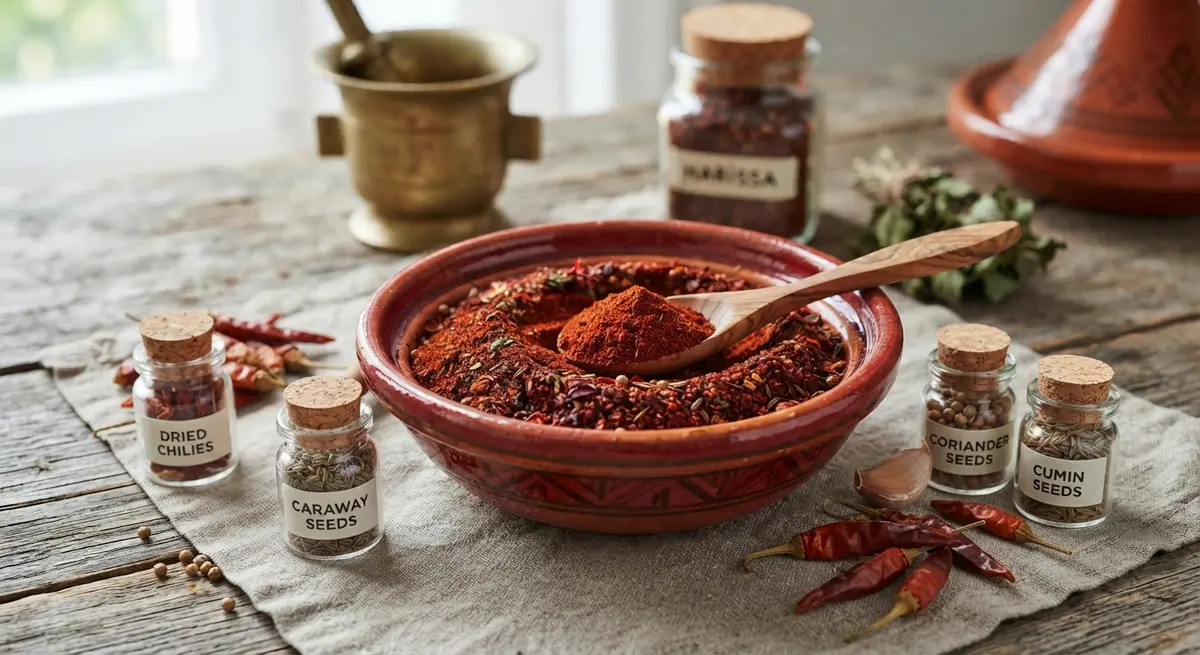
Harissa Spice Powder: Flavor Profile, Health Benefits & Culinary Uses
Tunisia sent the world a paste, and the fire traveled as a powder: harissa is chile heat, toasted coriander, and the caraway note that makes it sing.
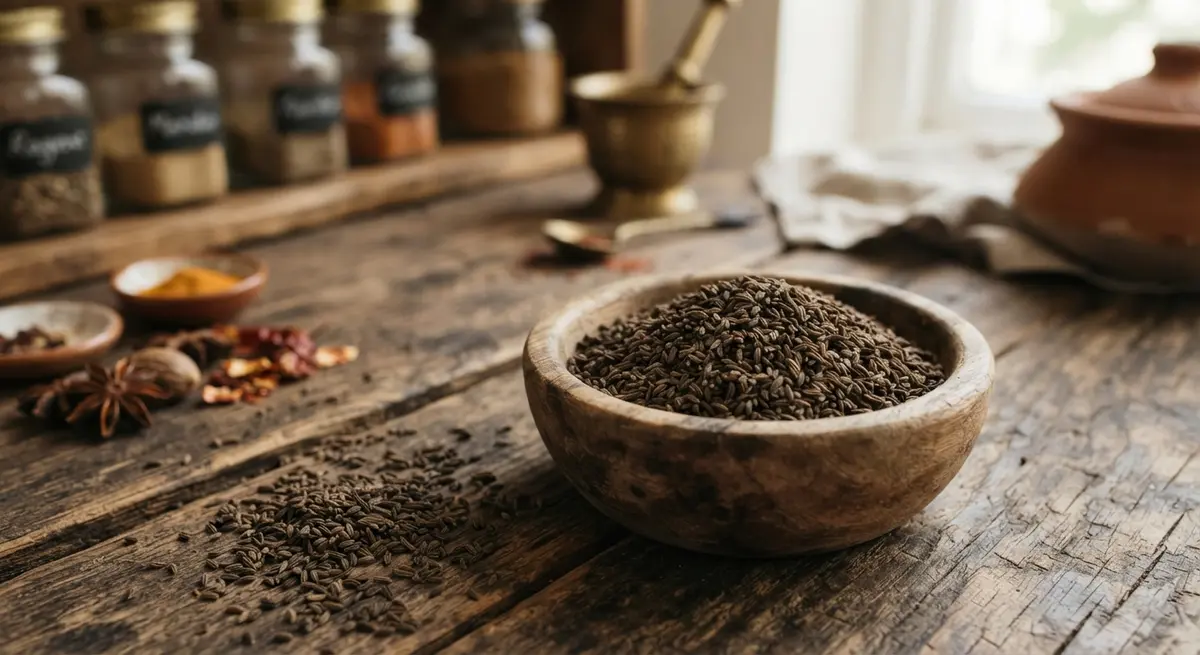
Radhuni: Flavor Profile, Health Benefits & Culinary Uses
A tiny seed, half celery and half ajwain, that Bengalis treat as a kitchen secret. Radhuni is easier to meet in panch phoron than by its own name.
Ras el-Hanout: Flavor Profile, Health Benefits & Culinary Uses
'Head of the shop' is what the name promises and the jar delivers: a warm, sweet, complex Moroccan blend that makes anything taste intentional.
About the Authors
This recipe and guide was developed, tested, and approved in our home kitchen and daily life. Jamy is a retired Food Service District Manager and Early Childhood Program Manager who spent his career overseeing multi-site restaurant operations, large-scale culinary production, and daycare menu management. Kaïna brings the ultimate real-world test: making sure it brings ease and joy to our kids on a busy weeknight.
Read more about our professional background and philosophy →