Wild Coriander Seeds: Flavor Profile, Health Benefits & Culinary Uses
By the QuiteRecipes team (Jamy & Kaïna)
Culantro, better known as wild coriander, brings the same green cilantro brightness with extra boldness, and its rare seeds carry that flavor with surprising staying power.
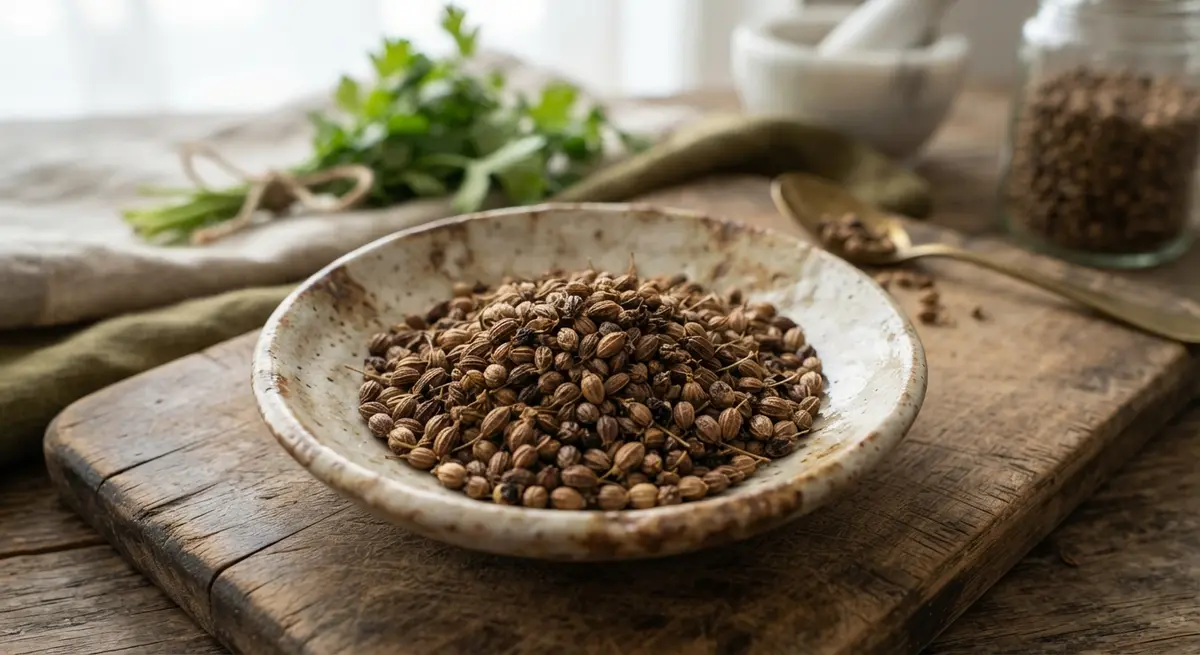
Wild coriander is the cousin most people meet by surprise. Its proper name is culantro (Eryngium foetidum), and while it looks nothing like cilantro — long, saw-toothed, dark green leaves instead of lacy fronds — it smells like cilantro turned up ten notches, with more bite and a hint of punchy herb that somehow stays distinct. The leaves are the star in Caribbean, Thai, and Mexican kitchens, from Cuban sofrito to Puerto Rican recao, and to a pot of Vietnamese pho. The seeds are much rarer on the spice shelf, but they exist, and they carry the same bright, grassy, almost soapy cilantro character in a dry form that survives cooking far better than fresh leaves.
The history is honest and a little humbling: this wild herb, once everywhere in tropical kitchens, is only now making the leap into the careful spice boxes of American cooks.
Flavor Profile & Notes
Very green, bright, and gusty, like cilantro grown up in a fire: sharp, citrus-tinged, and faintly resinous, with a mild mustard-like finish. The dried seeds are small, hard, roundish, and carry that same cilantro profile with an extra layer of oregano-like warmth. They hold up better to heat than the leaves, so grind them with a mortar and add them near the end of cooking for brightness, or toast them lightly to deepen the warmth before grinding.
Health Benefits & Nutrition
Traditional use includes calming upset stomachs and lowering blood pressure, and the plant contains respectable antioxidants and iron — though, like most herbs, the amounts you eat are small. The measured kitchen truth is that it is a robust source of fresh, bright flavor and makes low-sodium cooking far easier. If you have the rare cilantro gene that makes the herb taste like soap to you, know that wild coriander is typically even more pronounced in that direction, and plan accordingly.
Best Culinary Pairings
The leaves belong in sofrito, guacamole, salsa verde, and any marinade that wants a wild green punch. The seeds, treated as a niche spice, are wonderful ground into a wet rub for grilled fish or pork, stirred into a fish soup at the last moment, or blended with lime juice for a ceviche marinade. They also do something lovely with potatoes: a spoonful toasted and crushed over roasted new potatoes brings a bright, herbaceous lift no dried herb achieves.
Quick Substitutes
Fresh cilantro leaves are the honest stand-in for nearly every wild coriander need, though you will double the quantity for the same punch. For the seeds, use ground coriander seed with a pinch of lime zest and a whisper of oregano. Healthy, bright, and close enough for a weeknight dinner.
FAQ / Quick Facts
- How long does it keep? Whole seeds keep about a year sealed and dry; ground, use them within a few months.
- Is wild coriander the same as cilantro? No — culantro is a different plant (Eryngium) with a stronger, more assertive version of the same flavor.
- Do the seeds taste like the leaves? Yes, remarkably, with the same bright cilantro character plus a warm, oregano-like edge.
- Botanical family / Form / Best uses: Eryngium foetidum (Apiaceae) / fresh leaves or dried seeds / sofrito, ceviche, fish soups, and grilled meats.
Related Articles
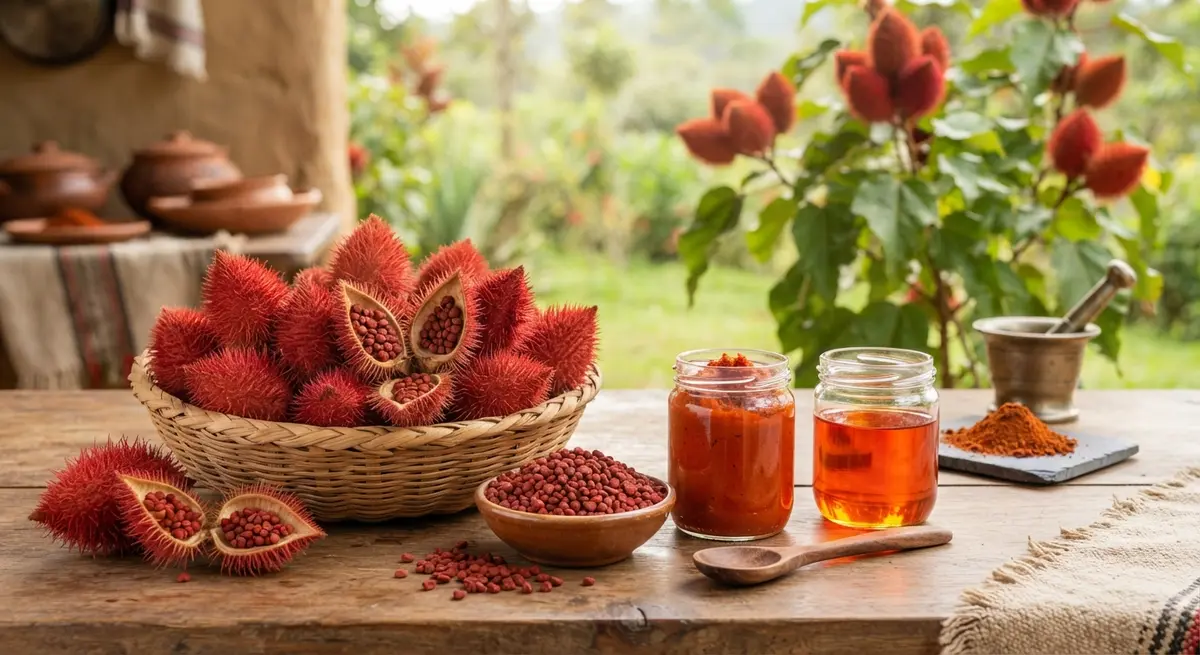
Achiote (Annatto): Flavor Profile, Health Benefits & Culinary Uses
Tiny coral-red seeds that paint food golden: the annatto tree's achiote, how to use the seeds and the Yucatan paste, and honest color substitutes.
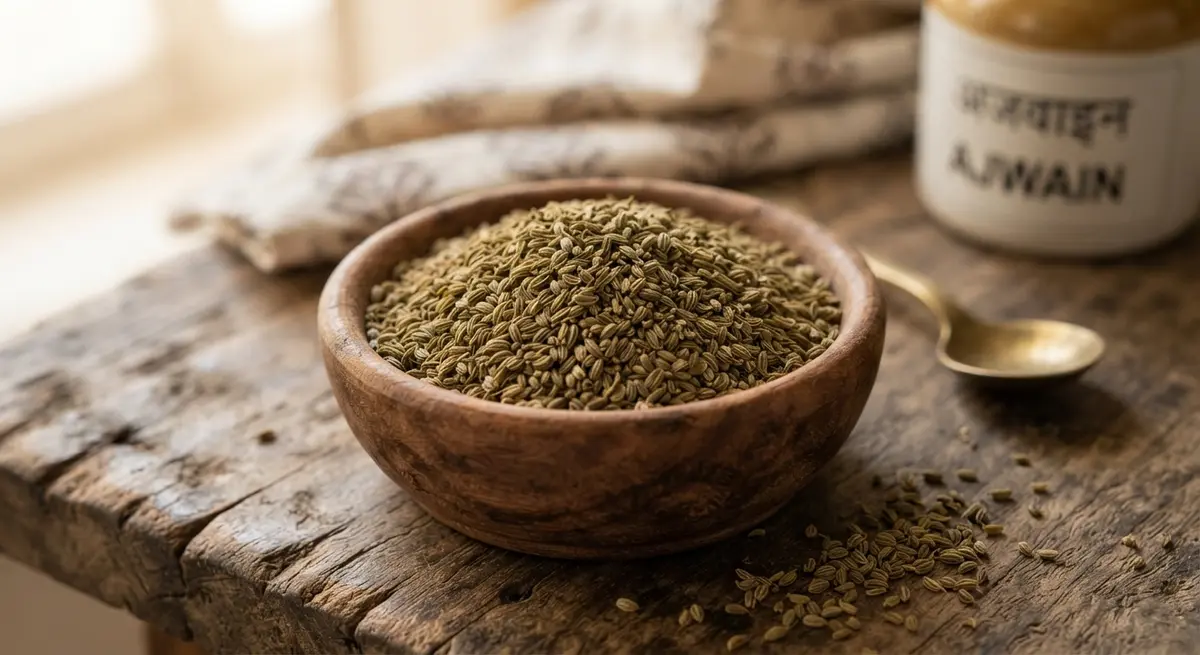
Ajwain (Carom) Seeds: Flavor Profile, Health Benefits & Culinary Uses
A tiny gray-brown seed that tastes like thyme, oregano, and cumin had a baby with a timer fuse. Here is how and why Indian kitchens use ajwain.
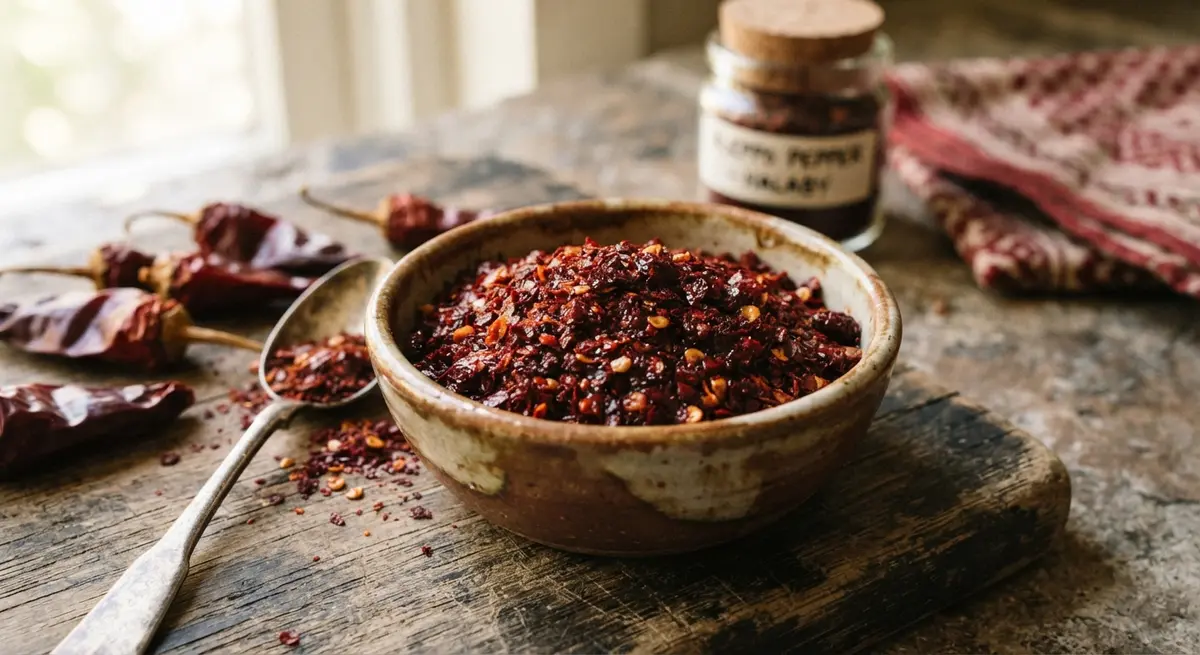
Aleppo Pepper: Flavor Profile, Health Benefits & Culinary Uses
Aleppo is the Mediterranean's gentle red flake, fruity and warm with real heat that never bites, perfect for everything from muhammara to roast carrots.
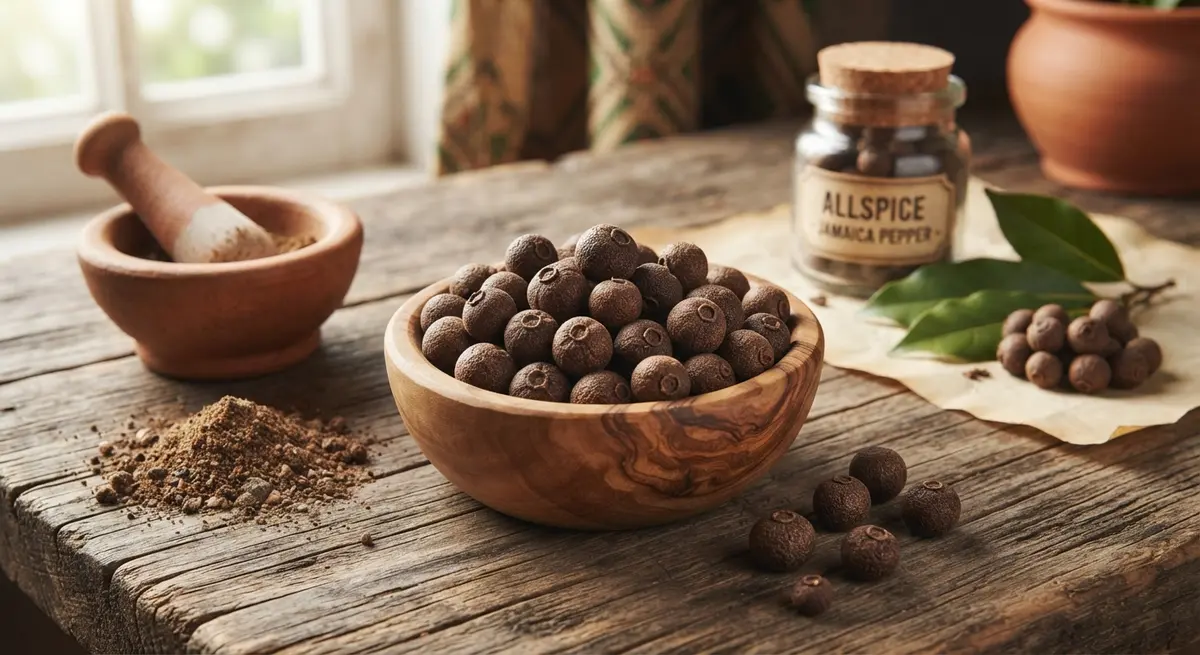
Allspice (Jamaica Pepper): Flavor Profile, Health Benefits & Culinary Uses
The original seasoning cheat: a single berry tasting of cinnamon, clove, and nutmeg, born in Jamaica, baked into jerk and grandmothers' Christmas cakes alike.
About the Authors
This recipe and guide was developed, tested, and approved in our home kitchen and daily life. Jamy is a retired Food Service District Manager and Early Childhood Program Manager who spent his career overseeing multi-site restaurant operations, large-scale culinary production, and daycare menu management. Kaïna brings the ultimate real-world test: making sure it brings ease and joy to our kids on a busy weeknight.
Read more about our professional background and philosophy →