Urfa Biber Pepper: Flavor Profile, Health Benefits & Culinary Uses
By the QuiteRecipes team (Jamy & Kaïna)
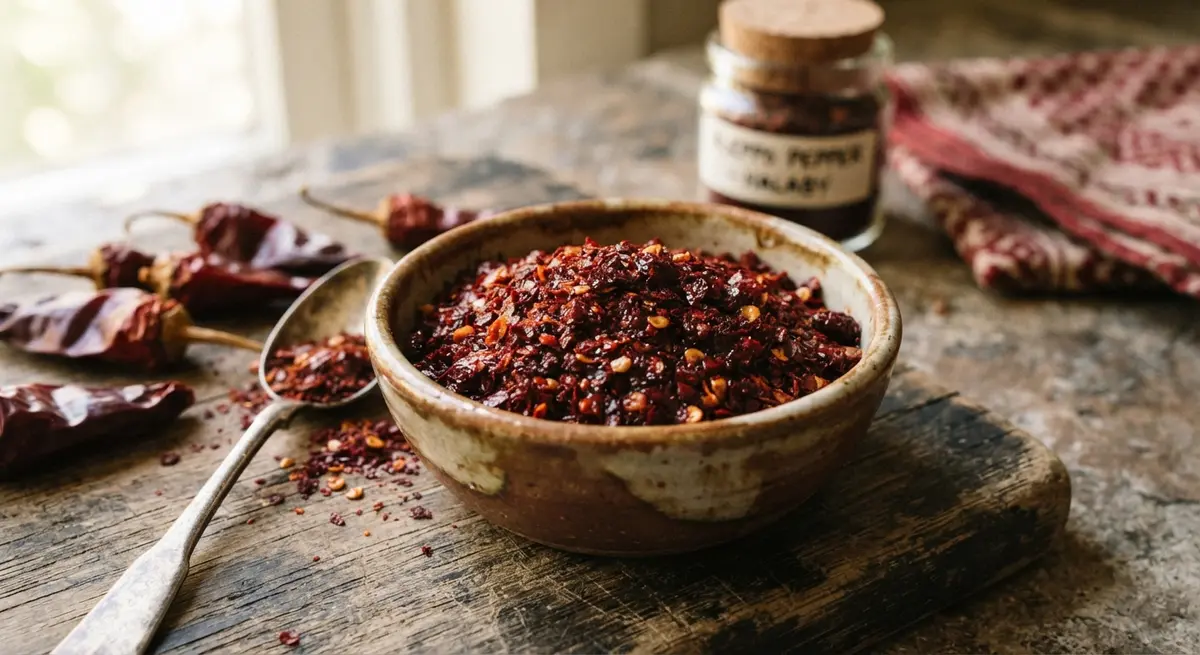
Urfa biber looks like dark crushed velvet and tastes like smoky raisins and molasses, with a heat that arrives late — the secret to deep, mysterious Turkish flavor.
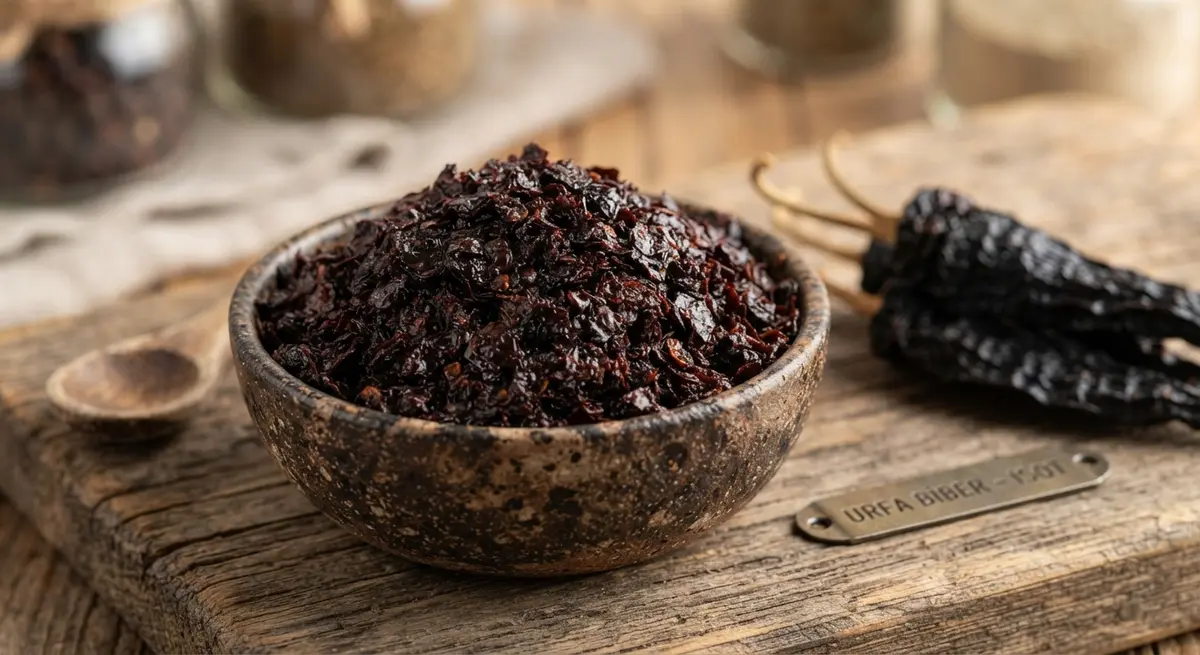
Urfa biber, sometimes called isotope pepper, is the moodiest thing in the pepper family. It comes from the Urfa region of southeastern Turkey, where the grown chilies of a Capsicum annuum variety are picked red, sun-dried during the day, and then wrapped tightly at night so that what moisture remains mists back into the fruit. That patient cycle — hot sun, cool sweat, repeated for days — darkens the peppers almost black and concentrates their sugar into something that tastes like smoked raisins drizzled with molasses. The flakes that result are so deep and dark they look like crushed black velvet.
Its heat is as patient as its flavor. Urfa barely registers at first, then creeps in with a warm, almost smoky glow several seconds later, and finishes gentle. It is one of the few chilies you could argue about with a chocolate bar.
Flavor Profile & Notes
Smoky, raisiny, and faintly tobacco-like with molasses sweetness and a low, rolling warmth that grows on the palate like a slow fire. The rough, dark flakes are dry and cling well to food. Unlike Aleppo, whose oiled flakes bloom in the pan, Urfa is at its best used as a quiet background presence: stir it into marinades and braises, or bloom a spoonful in olive oil for a deeply savory glaze. A small shake is plenty — more can turn a dish bitter.
Health Benefits & Nutrition
Like other dark-fleshed foods, Urfa chilies are rich in carotenoids and polyphenols, and their capsaicin content is genuinely low, which is why the heat is so mild. The honest benefit is culinary: a pinch gives a stew, rub, or yogurt sauce a murky savoriness that usually takes three different ingredients to fake. For a low-sodium kitchen, it is one of the best levers the shelf has.
Best Culinary Pairings
Use it in Turkish and Middle Eastern food as an aromatic veil: dust over grilled lamb kebabs, scatter into a yogurt sauce with garlic, stir into a tomato-laced braise, or rub into chicken thighs with olive oil before grilling. It is quietly superb on roasted root vegetables and gives beef chili an unexpected punch. Its sweet, smoky character also plays well in dark desserts — a small pinch in brownies or a chocolate-salted caramel brings a depth that surprises.
Quick Substitutes
Aleppo pepper is the closest everyday cousin, though it is brighter and more citrusy than Urfa's darkness; add a drop of molasses or a crumble of smoked salt to pull it toward Urfa's sugar-smoke. Smoked paprika with a pinch of smoked chili flakes gets close for rubs. True Urfa is cheap and easy to order, so when a recipe leans on it, buy the real thing.
FAQ / Quick Facts
- How long does it keep? Sealed and in a dark jar, Urfa keeps its moisture and depth for about a year.
- How hot is it? Low, and sneaky — the heat arrives a few seconds late as a warm glow, never a bite.
- Why is it almost black? Its sun-and-sweat drying method darkens the fruit and concentrates sugars into that raisiny hue.
- Botanical family / Form / Best uses: Capsicum annuum (Solanaceae) / coarse dark flakes / kebabs, stews, yogurt sauces, and dark desserts.
Related Articles
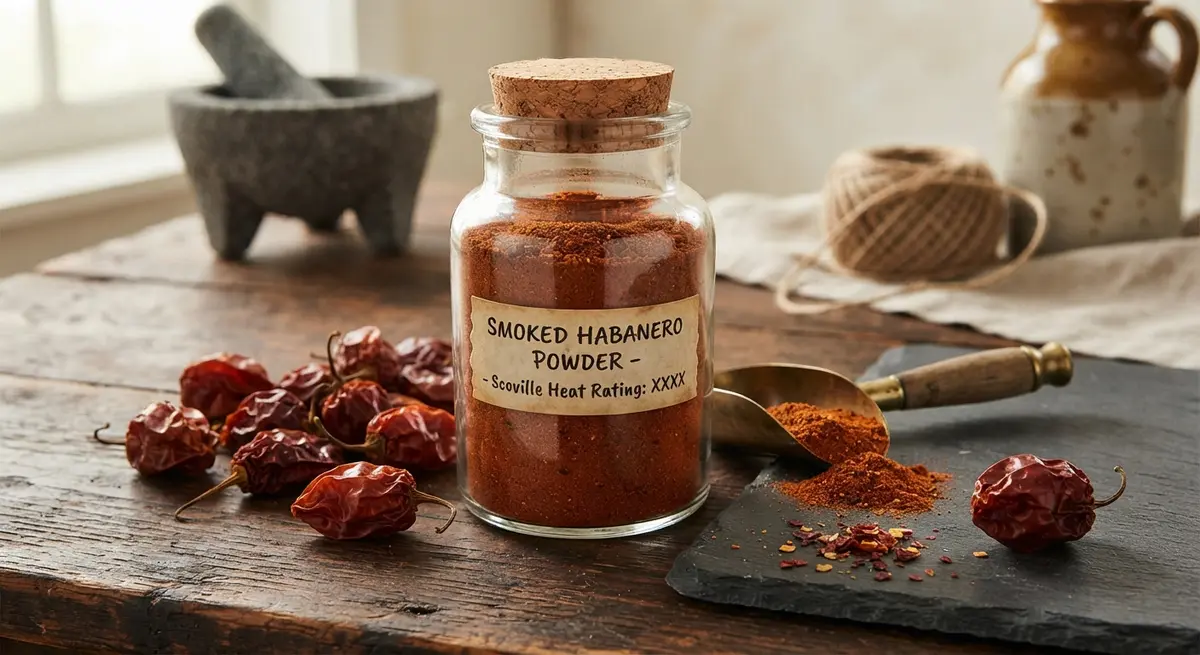
Smoked Habanero Powder: Flavor Profile, Health Benefits & Culinary Uses
Habenero's fruity fire meets woodsmoke in a powder that makes heat feel like a conversation. Scoville numbers, taming tricks, and real pairings.
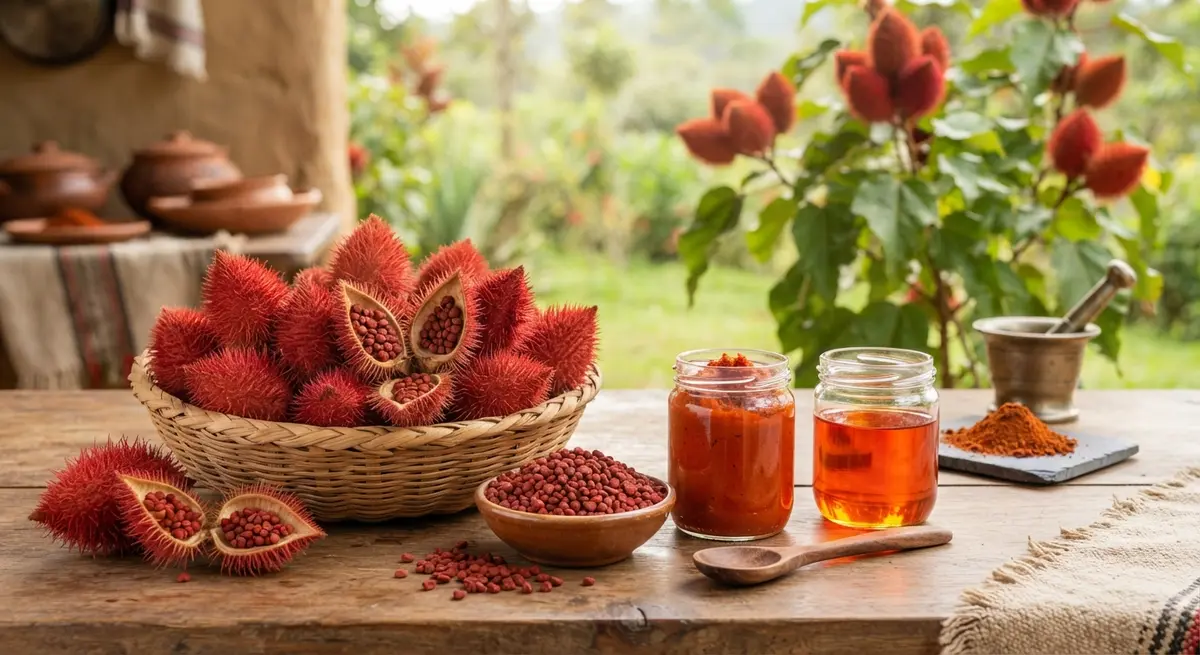
Achiote (Annatto): Flavor Profile, Health Benefits & Culinary Uses
Tiny coral-red seeds that paint food golden: the annatto tree's achiote, how to use the seeds and the Yucatan paste, and honest color substitutes.
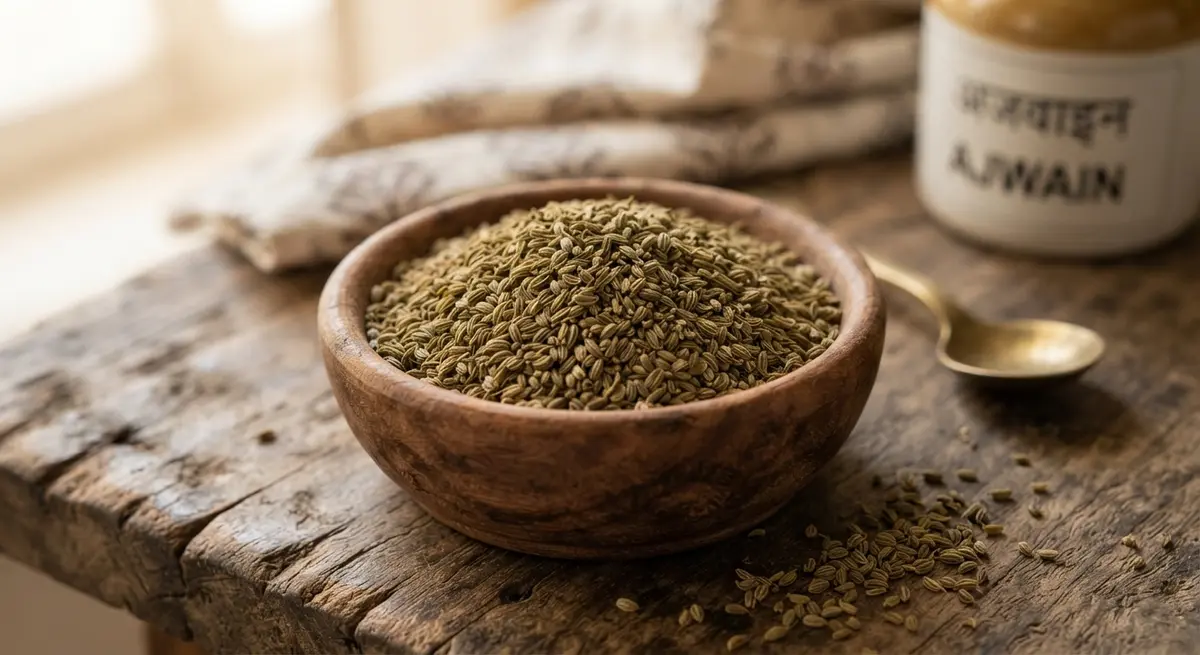
Ajwain (Carom) Seeds: Flavor Profile, Health Benefits & Culinary Uses
A tiny gray-brown seed that tastes like thyme, oregano, and cumin had a baby with a timer fuse. Here is how and why Indian kitchens use ajwain.
Aleppo Pepper: Flavor Profile, Health Benefits & Culinary Uses
Aleppo is the Mediterranean's gentle red flake, fruity and warm with real heat that never bites, perfect for everything from muhammara to roast carrots.
About the Authors
This recipe and guide was developed, tested, and approved in our home kitchen and daily life. Jamy is a retired Food Service District Manager and Early Childhood Program Manager who spent his career overseeing multi-site restaurant operations, large-scale culinary production, and daycare menu management. Kaïna brings the ultimate real-world test: making sure it brings ease and joy to our kids on a busy weeknight.
Read more about our professional background and philosophy →