Voatsiperifery Pepper: Flavor Profile, Health Benefits & Culinary Uses
By the QuiteRecipes team (Jamy & Kaïna)
Harvested by hand from wild vines in Madagascar's eastern rainforest, voatsiperifery is a sweet, floral, gently hot pepper that deserves the special-sauce treatment.
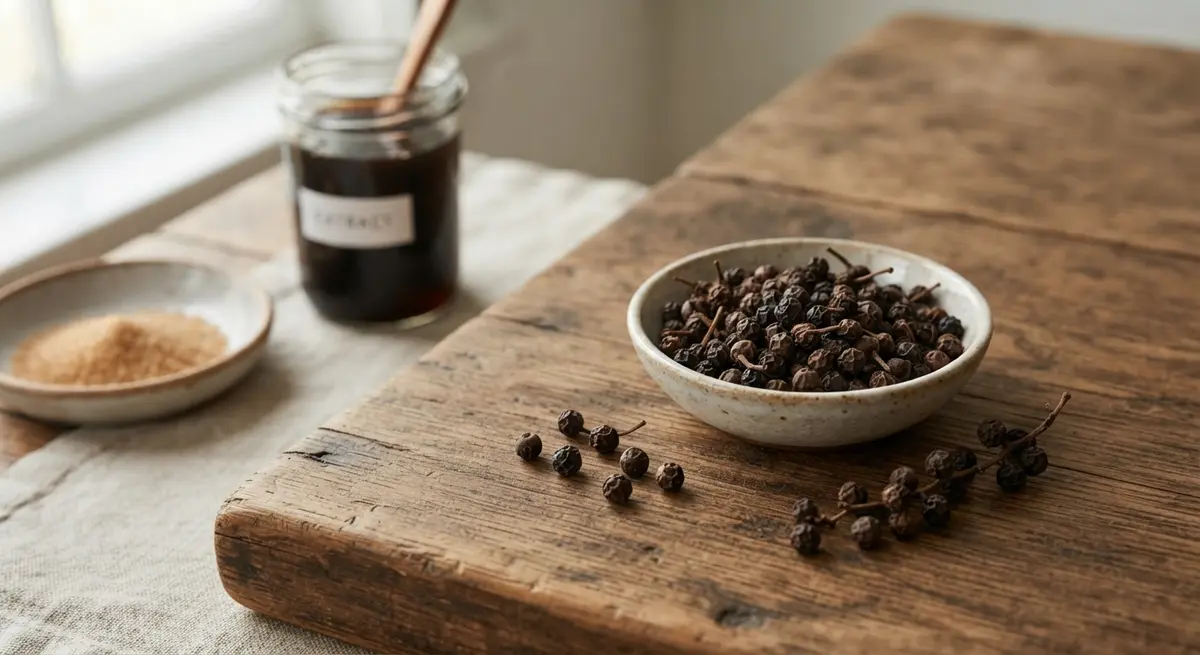
Every so often a spice shows up that is genuinely new, and voatsiperifery is the best example in recent years. It grows wild in the rainforests of eastern Madagascar, where the Piper borbonense vine climbs twenty-plus feet into old trees, and locals harvest the mature green berries by hand, sometimes from a ladder, sometimes by cutting the vine and letting it re-grow. The result is a small, dark peppercorn with a decidedly different personality from its cousin, black pepper: sweet, floral, and aromatic, with a low, comfortable heat and a whisper of vanilla-like blonde notes that remind you of Madagascar's other famous export. It is sometimes called the "green gold of Madagascar," for good reason — supply is limited and entirely wild.
In the kitchen, treat voatsiperifery like a precious ingredient rather than an everyday peppercorn: grind it whole at the table and let it finish a plate, and it repays the fuss.
Flavor Profile & Notes
Warm, floral, and mildly sweet with soft, berry-like perfume, a gentle peppery bite, and faint vanilla-and-citrus top notes. It sits far below black pepper on the heat scale, which makes it suitable for delicate food. Grind it fine right before serving — whole corns keep their scent for a long time, but ground voatsiperifery loses that perfume quickly. A pepper mill or a mortar and pestle is mandatory; pre-ground jars are not the same spice.
Health Benefits & Nutrition
Like all true peppercorns, voatsiperifery is a Piper species, carrying the same warming piperine compound and the modest antioxidant profile of that family. There are no special health powers here, and none are claimed. What it does offer is a way to season with real flavor and fragrance while using minimal salt, which fits a low-sodium kitchen beautifully. For that reason alone it earns a small, treasured place on the shelf.
Best Culinary Pairings
Its gentle personality makes it a champion of mild proteins and desserts. Grind it over seared duck breast, pan-fried snapper, or a piece of simply cooked sea bass. It is remarkable with fruit-forward preparations: a duck breast with blackberry sauce, roast pineapple caramel, or a chocolate dessert where the floral notes play off cocoa. Stir a few ground corns into a vanilla bean custard or crème brûlée, and finish a steak at the table for special occasions.
Quick Substitutes
No true substitute exists because the floral, slightly sweet perfume is unique. For a reasonable stand-in, blend ordinary black pepper with a touch of sweet paprika and a scrape of vanilla or a whisper of ground cardamom. If a dish is delicate, white pepper plus a small pinch of fine sugar mimics its gentleness better than black pepper does.
FAQ / Quick Facts
- How long does it keep? Whole corns keep for over a year in a sealed jar in a cool cupboard; grind only what you need.
- What does it taste like? Floral, gently sweet, and softly hot, with faint vanilla and citrus notes.
- Is it really that rare? Yes — it is exclusively wild-harvested from Madagascar's forests, with a limited annual yield.
- Botanical family / Form / Best uses: Piper borbonense (Piperaceae) / whole wild peppercorns / seafood, duck, light sauces, and desserts.
Related Articles
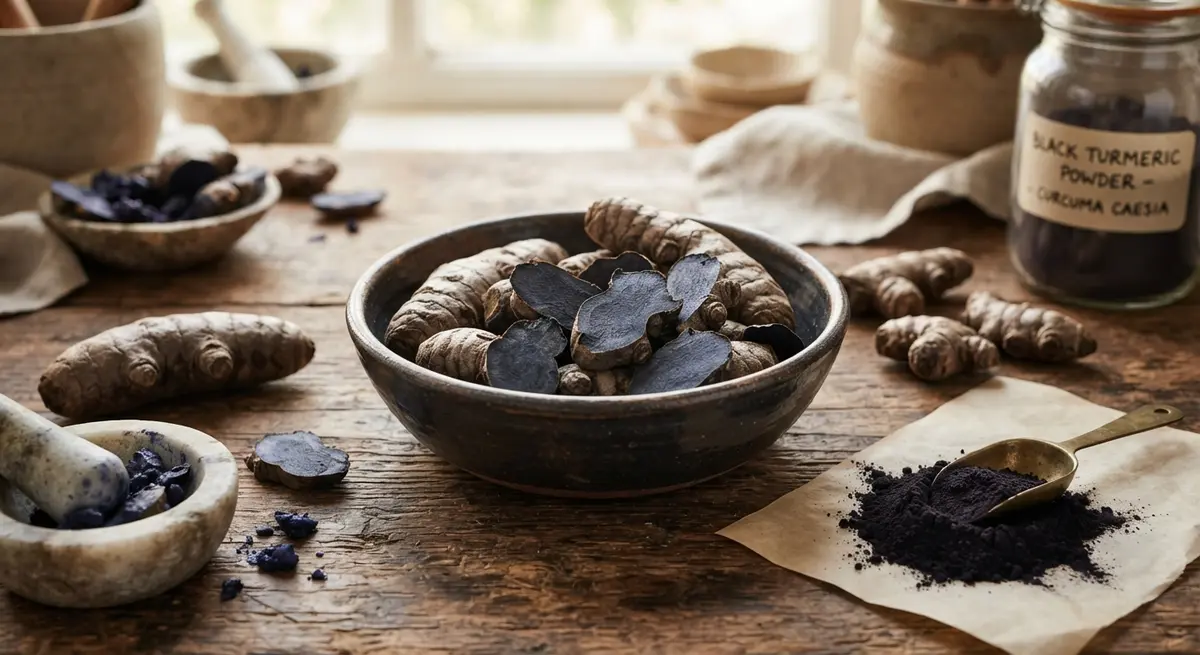
Black Turmeric: Flavor Profile, Health Benefits & Culinary Uses
The wild dark turmeric of eastern India, camphor-strong and almost blue inside: what black turmeric is, how it stuns cooks, and its honest uses in the kitchen.
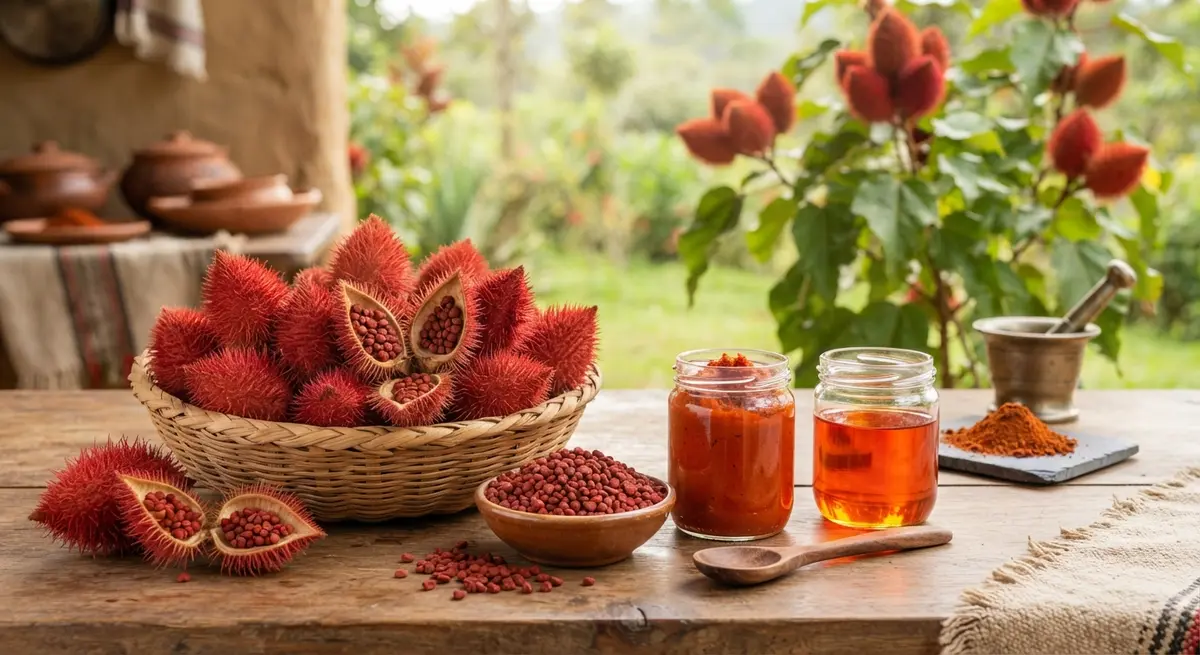
Achiote (Annatto): Flavor Profile, Health Benefits & Culinary Uses
Tiny coral-red seeds that paint food golden: the annatto tree's achiote, how to use the seeds and the Yucatan paste, and honest color substitutes.
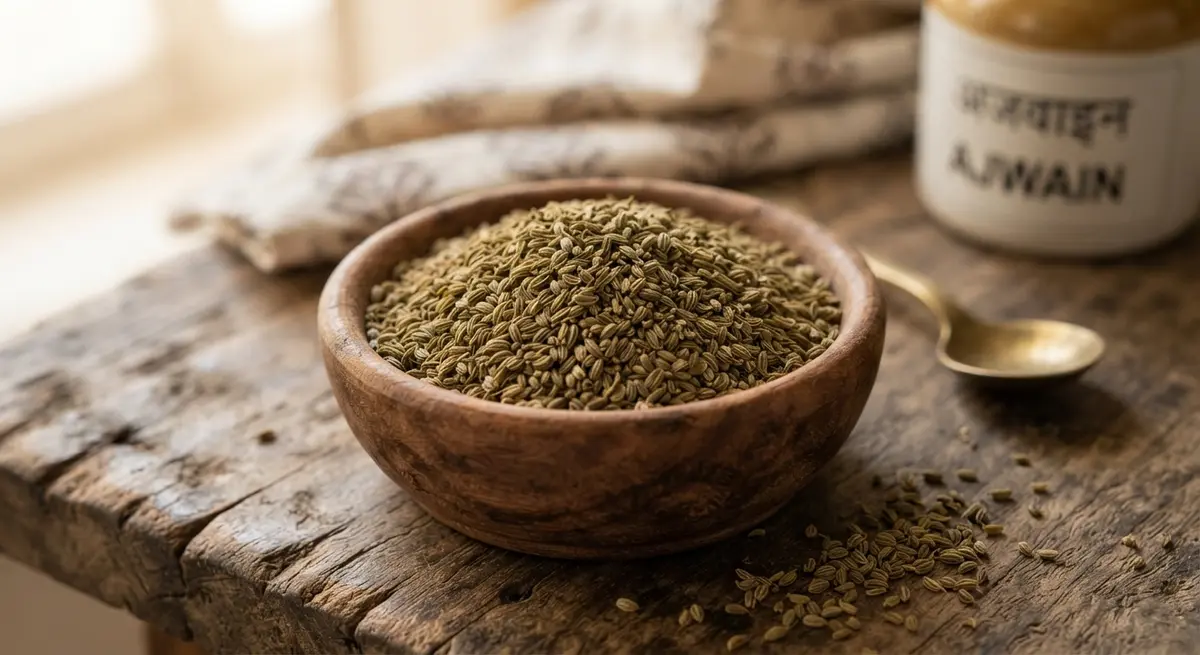
Ajwain (Carom) Seeds: Flavor Profile, Health Benefits & Culinary Uses
A tiny gray-brown seed that tastes like thyme, oregano, and cumin had a baby with a timer fuse. Here is how and why Indian kitchens use ajwain.
Aleppo Pepper: Flavor Profile, Health Benefits & Culinary Uses
Aleppo is the Mediterranean's gentle red flake, fruity and warm with real heat that never bites, perfect for everything from muhammara to roast carrots.
About the Authors
This recipe and guide was developed, tested, and approved in our home kitchen and daily life. Jamy is a retired Food Service District Manager and Early Childhood Program Manager who spent his career overseeing multi-site restaurant operations, large-scale culinary production, and daycare menu management. Kaïna brings the ultimate real-world test: making sure it brings ease and joy to our kids on a busy weeknight.
Read more about our professional background and philosophy →