Yellow Birch Bark: Flavor Profile, Health Benefits & Culinary Uses
By the QuiteRecipes team (Jamy & Kaïna)
One strip's worth of wintergreen, root beer, and toasted vanilla. The flavor, the methyl salicylate math, and how to use bark safely in food.
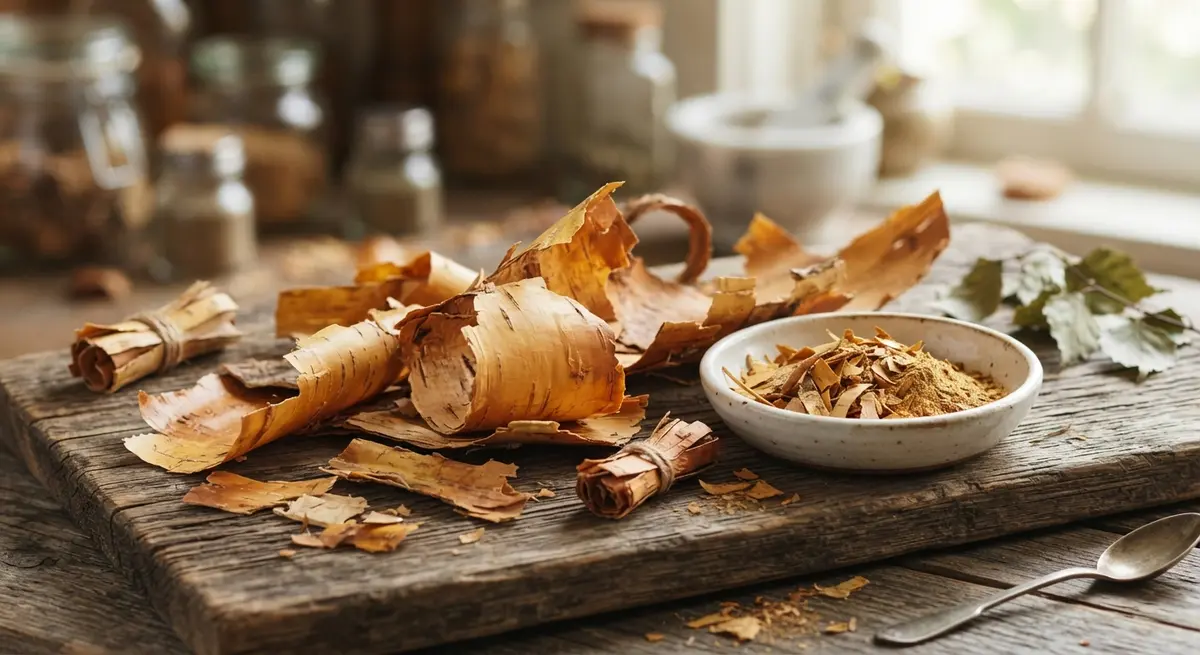
Yellow birch bark is one of those ingredients that sounds like witchcraft until you smell it: deeply sweet, wintergreen-forward, and faintly root-beer — a single sheet holds more wintergreen than a handful of candies. The inner bark of Betula alleghaniensis carries methyl salicylate, the same compound that gives wintergreen its mouth-cooling burn, and birch was the original "root beer" tree in North American forests.
Treat it as a fine-dining aromatic: a small square steeped in cream or syrup transfers the flavor completely. Use food-grade bark from clean, correctly identified trees only — and never drink concentrated birch oil, since methyl salicylate is genuinely hazardous at high doses.
Flavor Profile & Notes
Yellow birch's magic is in its aromatic oil: the inner bark tastes and smells like sweet, cool wintergreen gum with a background of toast, vanilla, and root beer. Yellow birch is the strongest-scented of the birches; paper birch is milder, and sweet birch similar to yellow. Steep a two-inch square in milk or simple syrup for fifteen minutes and you have birch syrup's cousin without the long boil. Toasted in a dry skillet, the bark darkens and turns spicy — that is the note you want for chai-style blends. It is fibrous raw, so let an infusion carry the flavor rather than chewing the bark.
Health Benefits & Nutrition
Methyl salicylate — wintergreen oil's active chemical — is exactly the double-edged sword here. It is a perfectly good muscle rub and genuinely dangerous swallowed in quantity, so culinary birch is about infusion, not concentration. Traditional bark tea was a modest folk diuretic and anti-inflammatory; modern research on birch's salicylates is ongoing but far from "take it daily." A moderate tea or a dessert infusion is one thing; concentrated oils or extracts are another and should be avoided. Pregnant women and anyone on blood thinners should check with a doctor before making birch a habit.
Best Culinary Pairings
Steep yellow birch bark in milk for birch-milk lattes, in cream for panna cotta, or in honey for a wild-forest drizzle over pancakes. It is superb in root-beer-style sodas, homemade switchel, mulled cider, and anything with pear, apple, or vanilla. On the savory side, a small bark square simmered into stock or barbecue glaze adds campfire sweetness. It pairs with cardamom, clove, cinnamon, ginger, and spruce tips. For a show-stopper, infuse bark into an ice cream base and finish with lemon — lemon-birch ice cream is unforgettable.
Quick Substitutes
Wintergreen leaf, properly sourced and used in small infusions, is the closest flavor twin — but wintergreen is stronger, so start tiny. Peppermint plus vanilla approximates birch's sweet-cool note. Sassafras bark carries the same root-beer kinship when purchased as the safrole-free culinary preparation. Two drops of food-grade wintergreen flavor oil can stretch a pinch of bark in a large batch, but real birch bark remains the honest source of that specific flavor.
FAQ / Quick Facts
- Can I forage it safely? Only the inner bark of clean, identified yellow or black birch, harvested without girdling the tree — and confirm the species first.
- How strong is the flavor? Intense — a small square transfers wintergreen to a cup of liquid, so infuse and taste.
- What does it taste like? Sweet, cool wintergreen with a root-beer and toasted-vanilla base.
- Botanical family: Betulaceae / Form: dried inner bark strips / Best uses: syrups, ice cream, sodas, mulled drinks.
Related Articles
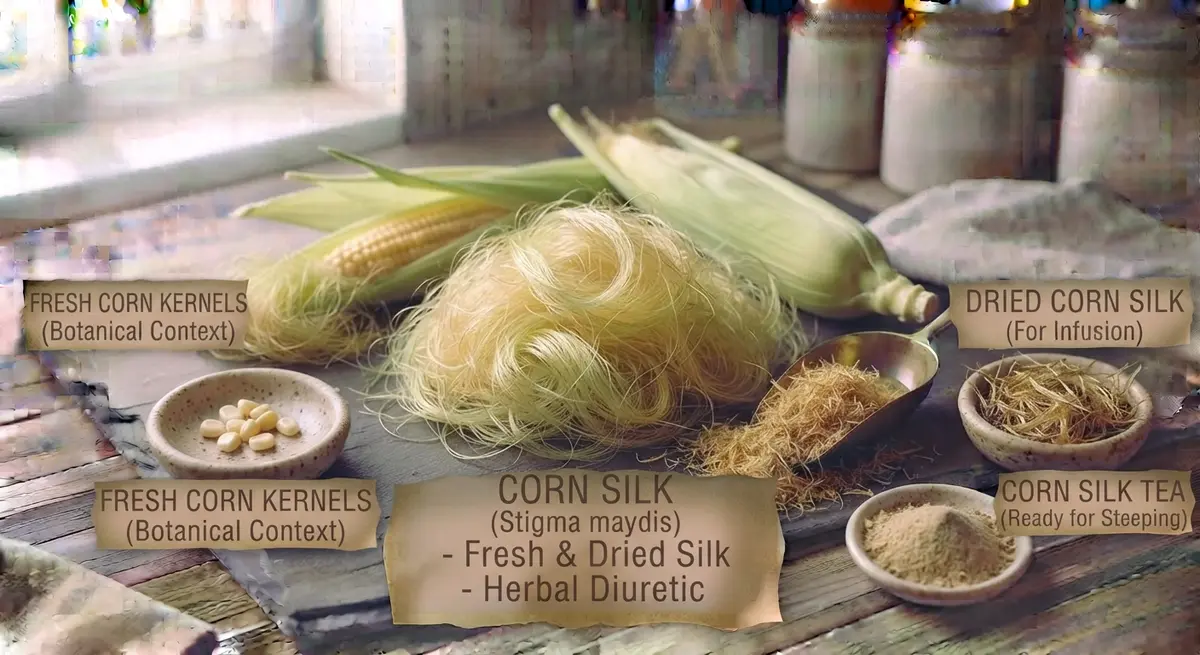
Dried Corn Silk: Flavor Profile, Health Benefits & Culinary Uses
The golden fringe from fresh corn brews a gentle, hay-sweet tisane. How to dry it, steep it, and blend it, plus honest cautions.
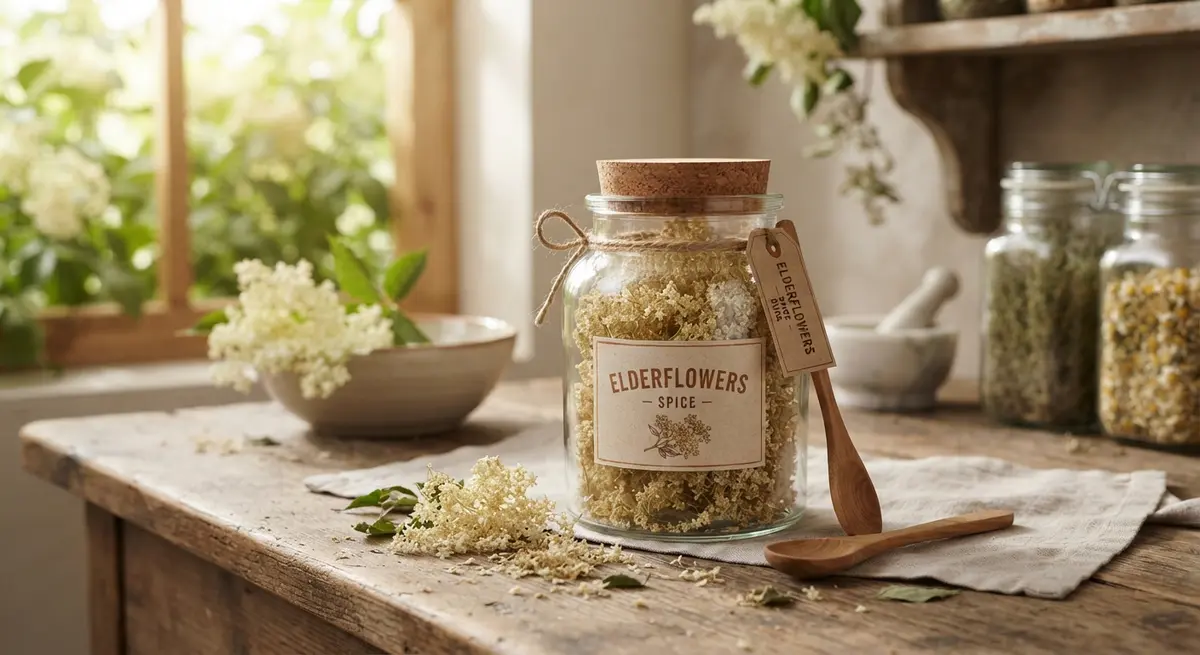
Dried Elderflowers: Flavor Profile, Health Benefits & Culinary Uses
The invisible backbone of a perfect summer: cream blooms with honey-pear perfume. Drying it, steeping cordial, and the lookalike cautions.
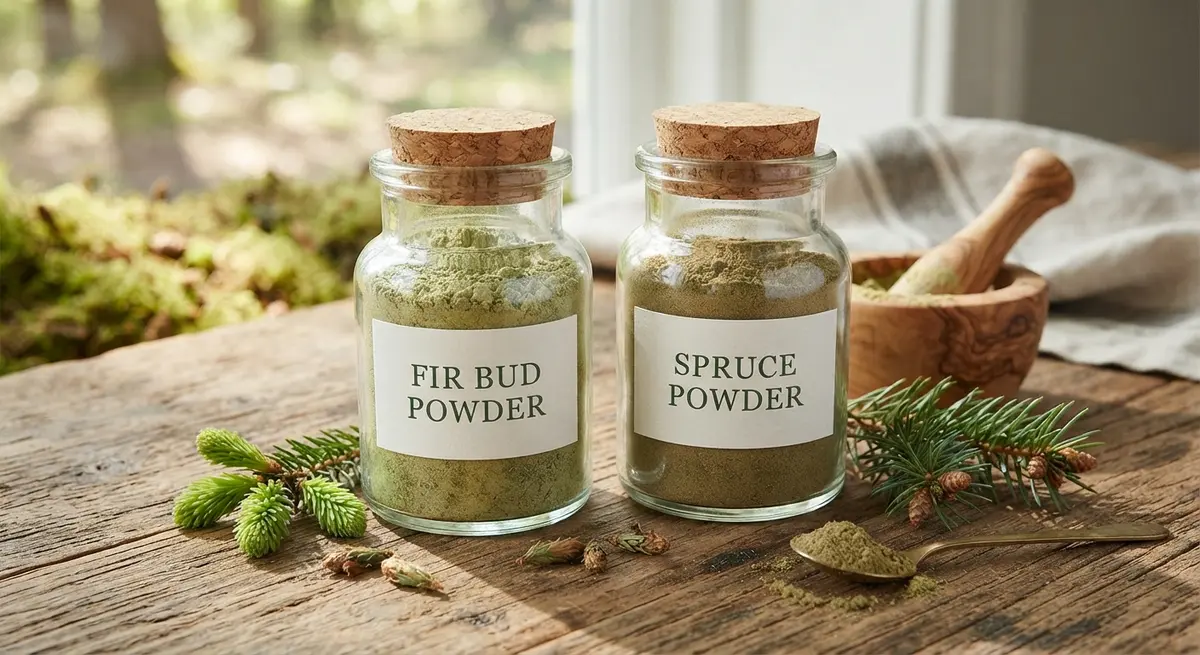
Dried Fir Bud & Spruce Powder: Flavor Profile, Health Benefits & Culinary Uses
Ground spruce tips are a fine-dining forest spice. When to dust, when to steep, how to identify safe conifers, and what plays well with pine.
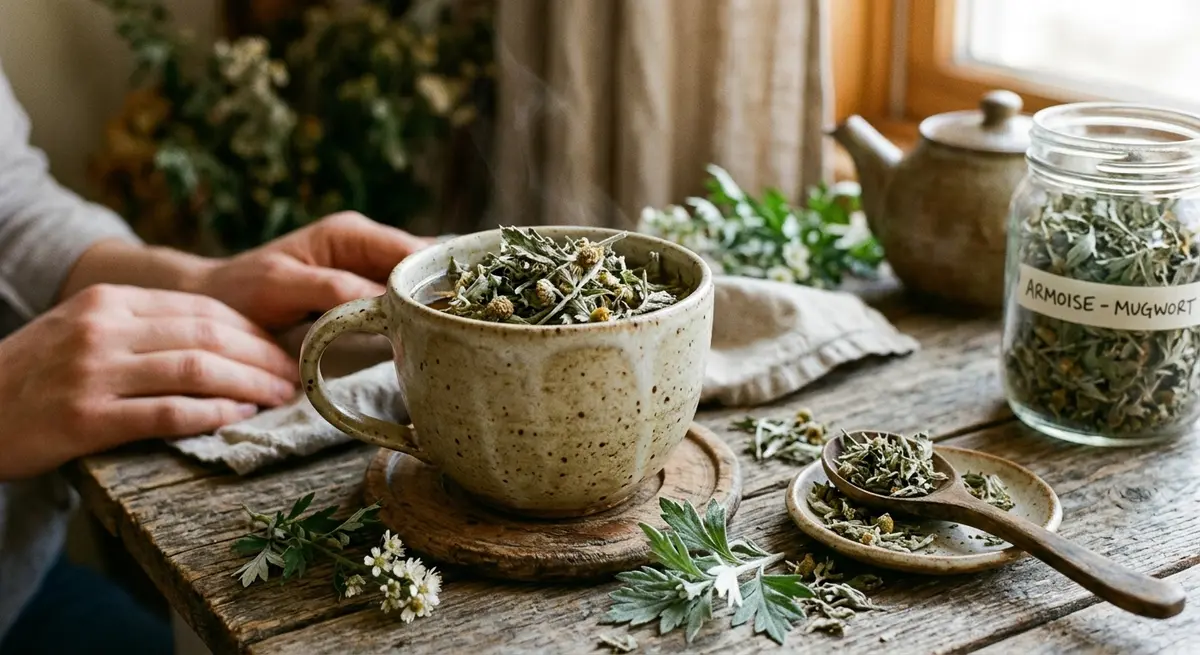
Mugwort: Flavor Profile, Health Benefits & Culinary Uses
A venerable gray-green bitter herb that shows up across three food cultures. The flavor notes, the thujone cautions, and the safest culinary role.
About the Authors
This recipe and guide was developed, tested, and approved in our home kitchen and daily life. Jamy is a retired Food Service District Manager and Early Childhood Program Manager who spent his career overseeing multi-site restaurant operations, large-scale culinary production, and daycare menu management. Kaïna brings the ultimate real-world test: making sure it brings ease and joy to our kids on a busy weeknight.
Read more about our professional background and philosophy →