Mastering Vadouvan: The French-Indian Spiced Shallot Blend
By the QuiteRecipes team (Jamy & Kaïna)
I first made vadouvan on a rainy afternoon with a bag of shallots and a handful of curry leaves. It smelled like France met South India in my oven.
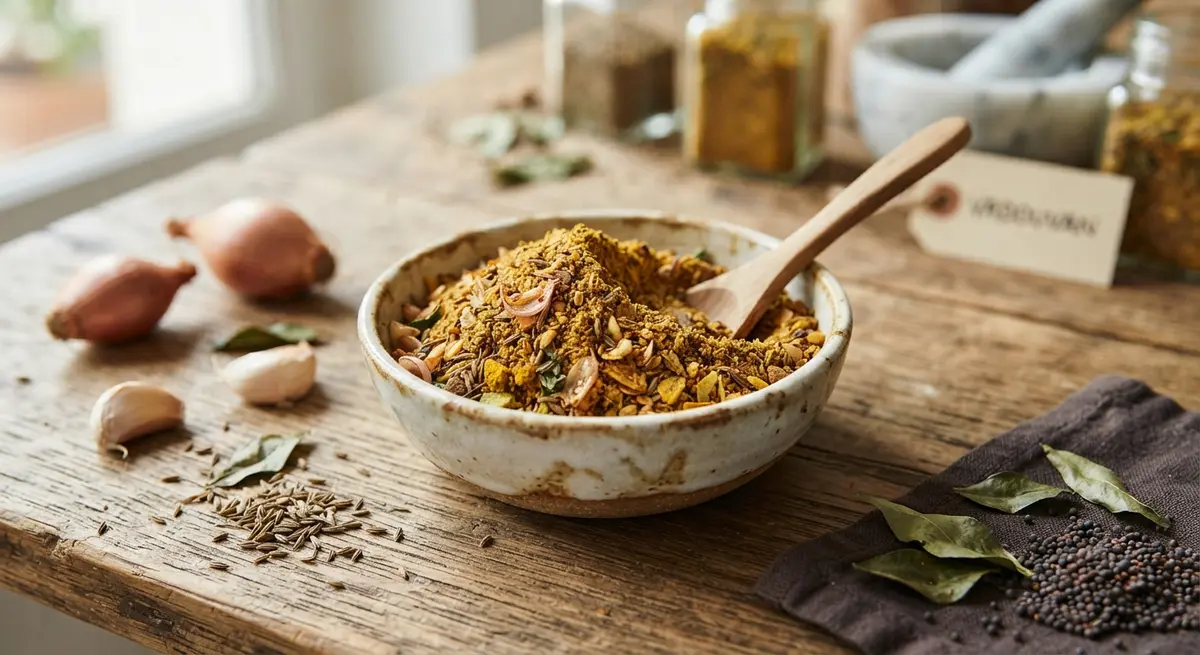
I first made vadouvan on a rainy afternoon with a bag of shallots and a handful of curry leaves. It smelled like France met South India in my oven, and I was hooked on the first whiff. This is the blend that makes simple roasted vegetables feel like a bistro dish.
What It Is & Where It Comes From
Vadouvan is a French-Indian spiced blend whose soul is slow-roasted shallots and garlic, paired with curry leaves, brown or black mustard seeds, fenugreek, cumin, dried chili, and often turmeric. It is traditionally associated with the Grasse region of France, where a spice house is said to have adapted Indian masala-style cooking into a French pantry staple. The result is mellow, sweet, and deeply aromatic, with none of the sharp bite you might expect from curry powder.
The Blend: Ratios That Work
This recipe makes about a half cup of finished vadouvan. Use a kitchen scale for best results with the roasted aromatics.
- 100 grams shallots, thinly sliced
- 20 grams garlic cloves, smashed and peeled
- 2 tablespoons brown or black mustard seeds
- 1 tablespoon fenugreek seeds
- 1 tablespoon cumin seeds
- 1 teaspoon dried chili flakes (or 2 small dried red chilies)
- 1 teaspoon ground turmeric
- 8 to 10 fresh curry leaves (or 1 tablespoon dried)
Toss the sliced shallots and garlic with a tablespoon of neutral oil and roast on a parchment-lined tray at 300 degrees Fahrenheit for about 45 minutes to one hour, stirring every 15 minutes. You want them soft, jammy, and lightly golden, not crisp. Meanwhile, toast the mustard seeds, fenugreek, and cumin in a dry skillet over medium-low heat until fragrant, about 2 to 3 minutes. Let the seeds cool, then combine everything and grind to a coarse paste or powder. The slow roasting is the key to sweetness without burning.
How to Use It
Toss roasted cauliflower or carrots with a tablespoon of vadouvan before serving. Stir a spoonful into scrambled eggs or a frittata for a French bistro breakfast with an unexpected twist. Fold it into mayonnaise or aioli for a dipping sauce that works beautifully with crudités or fried potatoes.
For a simple weeknight dinner, rub one to two tablespoons onto chicken thighs and roast at high heat. The shallots and garlic caramelize into a gorgeous glaze. It also stirs beautifully into rice or grain bowls at the end of cooking for a warm, aromatic finish.
Variations & Storage
If you cannot find fenugreek seeds, use a pinch of maple sugar or brown sugar as a rough stand-in for that slightly bitter, caramel note. Swap curry leaves for a teaspoon of curry powder if they are unavailable, though you lose that distinctive herbal lift. For a milder version, reduce the dried chili.
Store in an airtight jar in the refrigerator for up to one month. For longer storage, freeze the roasted-shallot paste in ice cube trays, then transfer the cubes to a freezer bag. The spice powder keeps in a dry jar at room temperature for up to three months.
FAQ / Quick Facts
- Is vadouvan the same as curry powder? It is related in spirit but distinctly French in technique, with slow-roasted shallots as the base rather than raw ground spices.
- Can I use dried curry leaves? Yes, they work well. Use about one tablespoon dried in place of 8 to 10 fresh leaves.
- Is it spicy? Traditional vadouvan is mild and sweet. The dried chili is there for warmth, not heat.
- What does it taste like? Think roasted onion sweetness, gentle earthy spice, and a toasty, nutty finish.
Related Articles
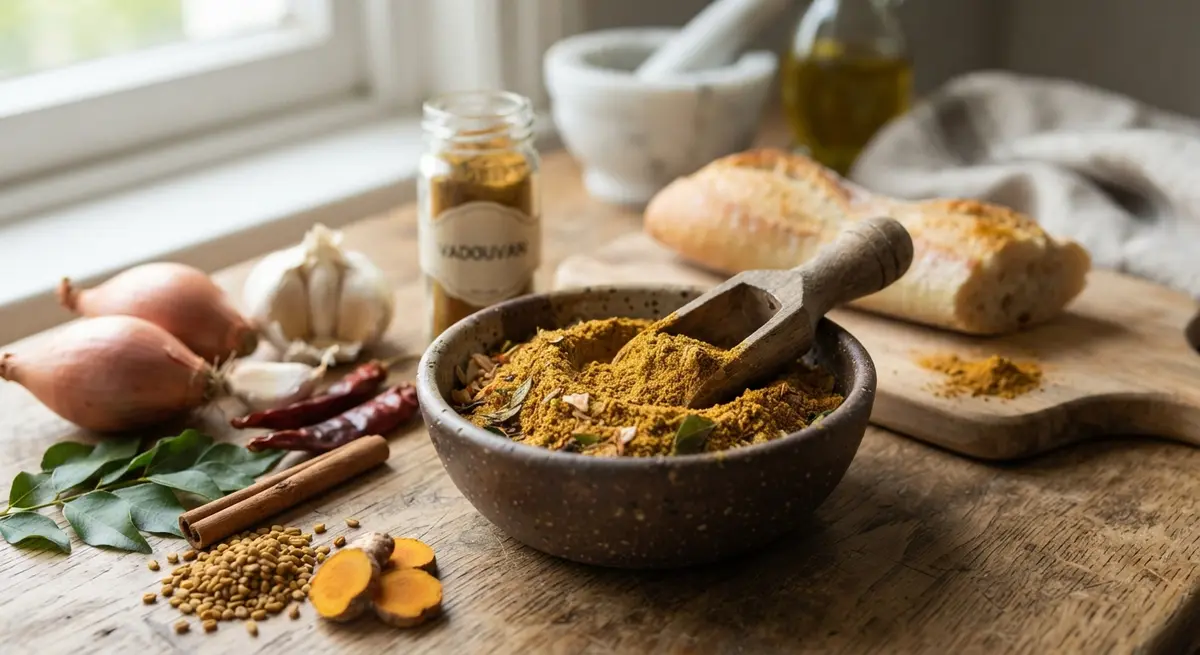
Vadouvan Curry: How to Create a French Twist on Indian Flavors
I first called it curry because it smelled like one, but vadouvan is really its own quiet thing. Slow roasting is what makes it special.
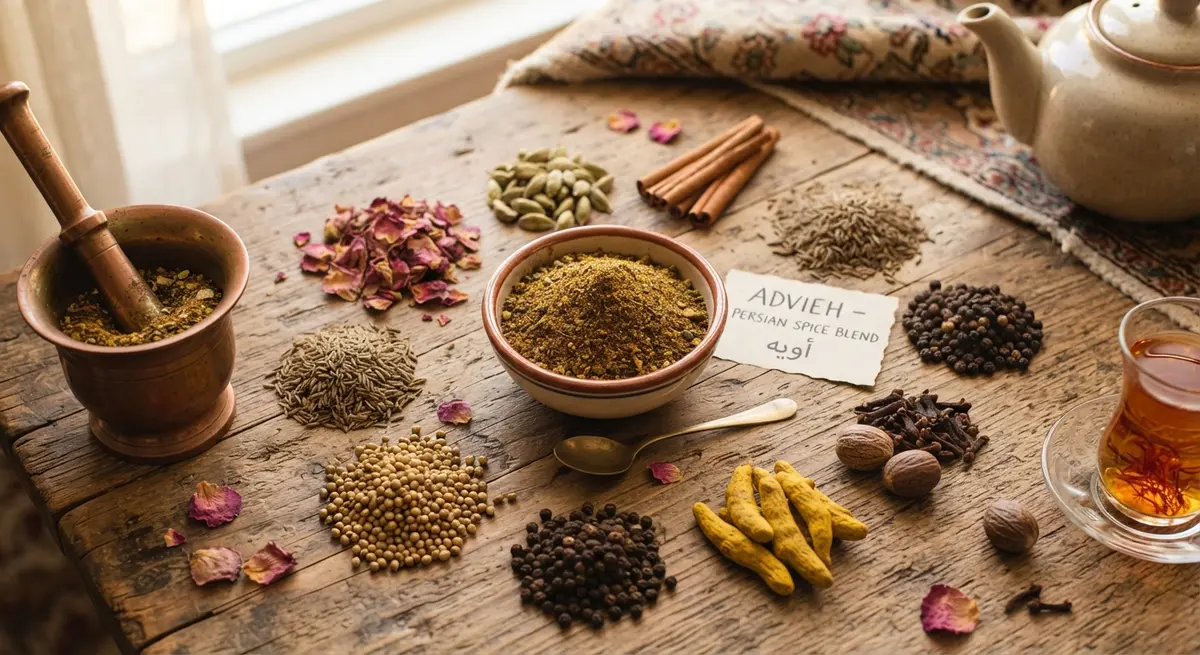
Advieh: Exploring the Aromatic Spice Blends of Persian Cuisine
Cinnamon, cardamom, turmeric, and rose petals in one jar? That is advieh, the Persian blend that turns plain rice into an occasion.
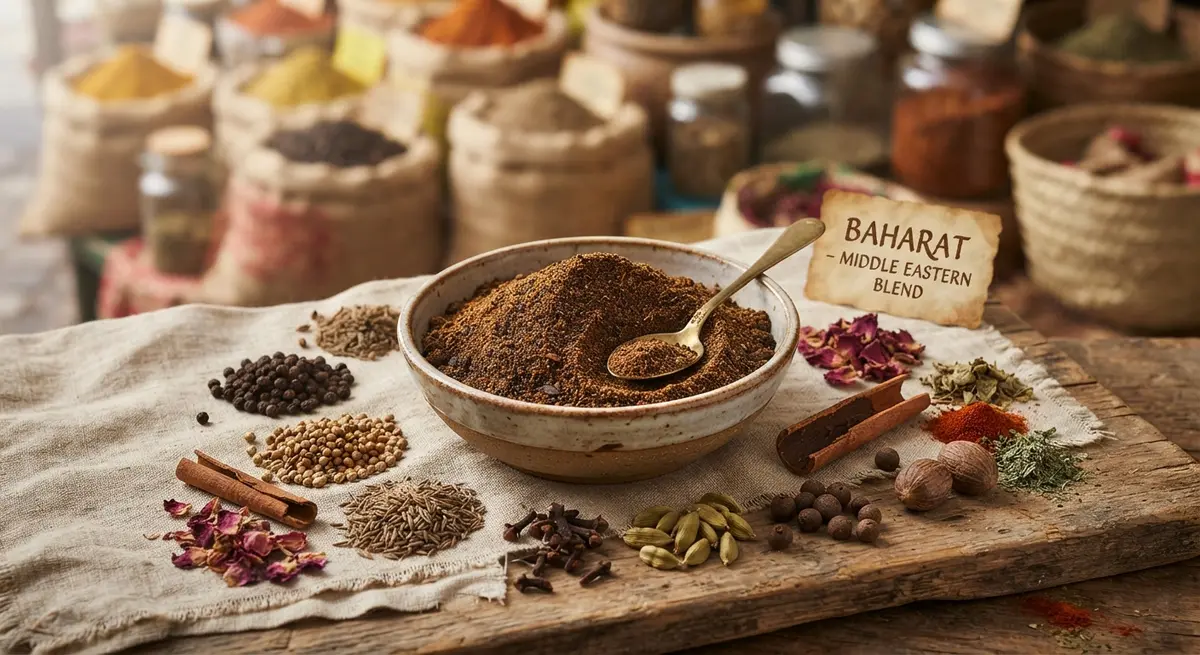
Baharat: The Warm Middle Eastern Blend That Elevates Any Meat Dish
Baharat simply means spices in Arabic, and once you balance the warm ones, it becomes the perfumed hand that lifts your whole plate of meat and rice.
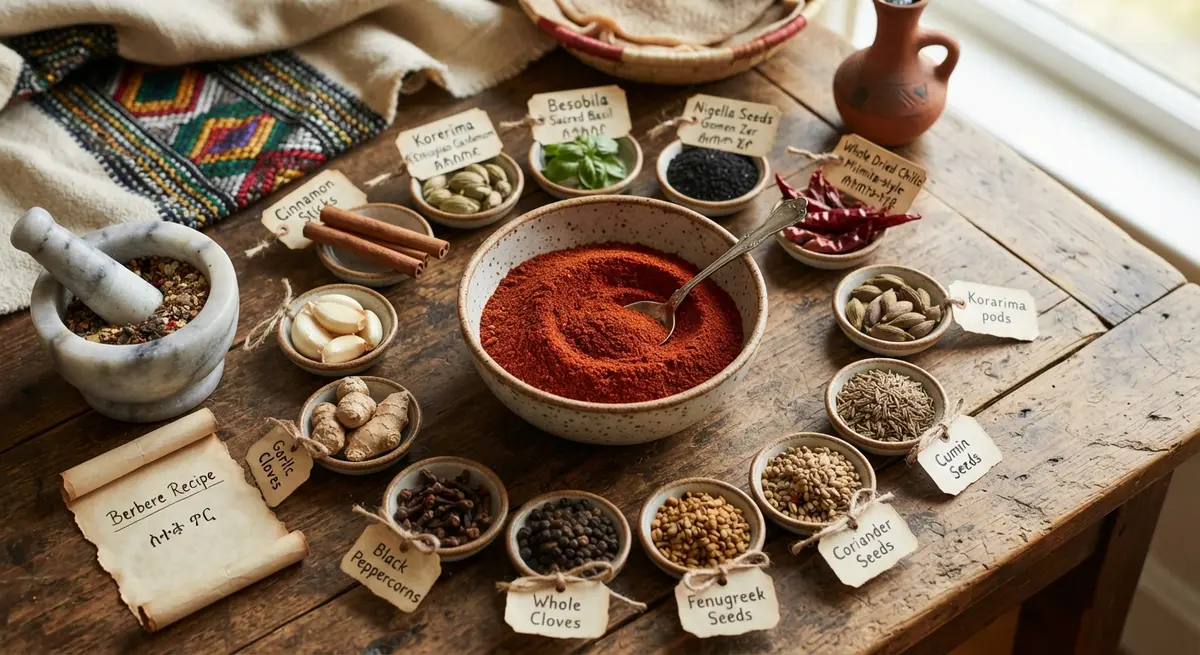
Berbere: The Fiery, Complex Ethiopian Spice Blend Explained
Berbere is the heartbeat of Ethiopian stews like doro wat. Once you blend it, a spoonful of oil turns a plain onion into dinner.
About the Authors
This recipe and guide was developed, tested, and approved in our home kitchen and daily life. Jamy is a retired Food Service District Manager and Early Childhood Program Manager who spent his career overseeing multi-site restaurant operations, large-scale culinary production, and daycare menu management. Kaïna brings the ultimate real-world test: making sure it brings ease and joy to our kids on a busy weeknight.
Read more about our professional background and philosophy →