Tips & Techniques
Toasting, grinding, blooming, layering, and storing spices — the techniques that turn tired jars into real flavor.
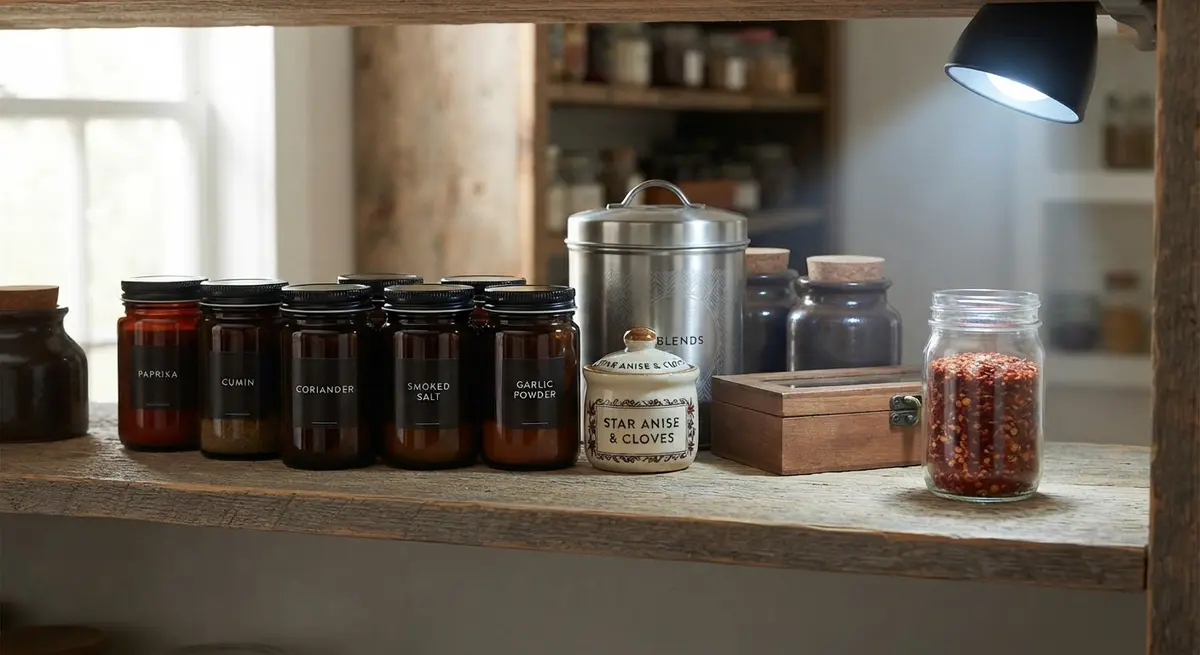
Protecting Spices From Light: The Quiet Flavor Killer
Sunlight is a slow thief of spice color and flavor. A shaded shelf or opaque jar keeps your paprika red and your spices loud.
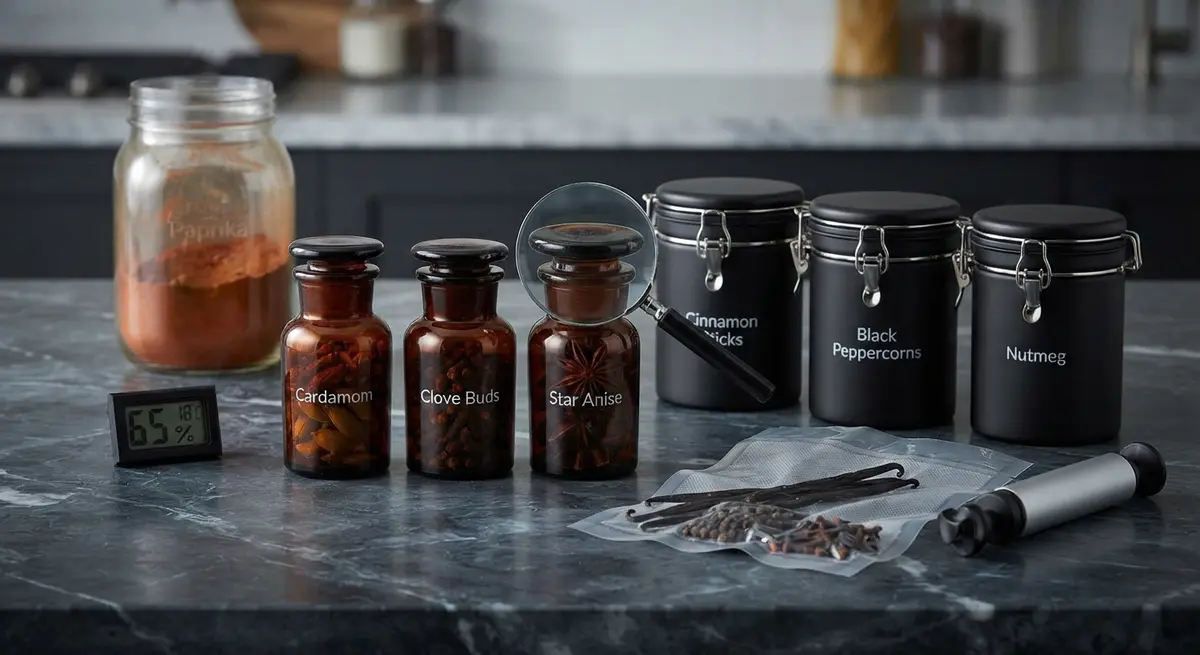
Volatile Oils: The Reason Your Spices Are Invisible Charms
Whole spices are oil vaults until you grind them. Keep the volatile oils in: shop whole, grind fresh, cook gently, and they arrive at the plate.
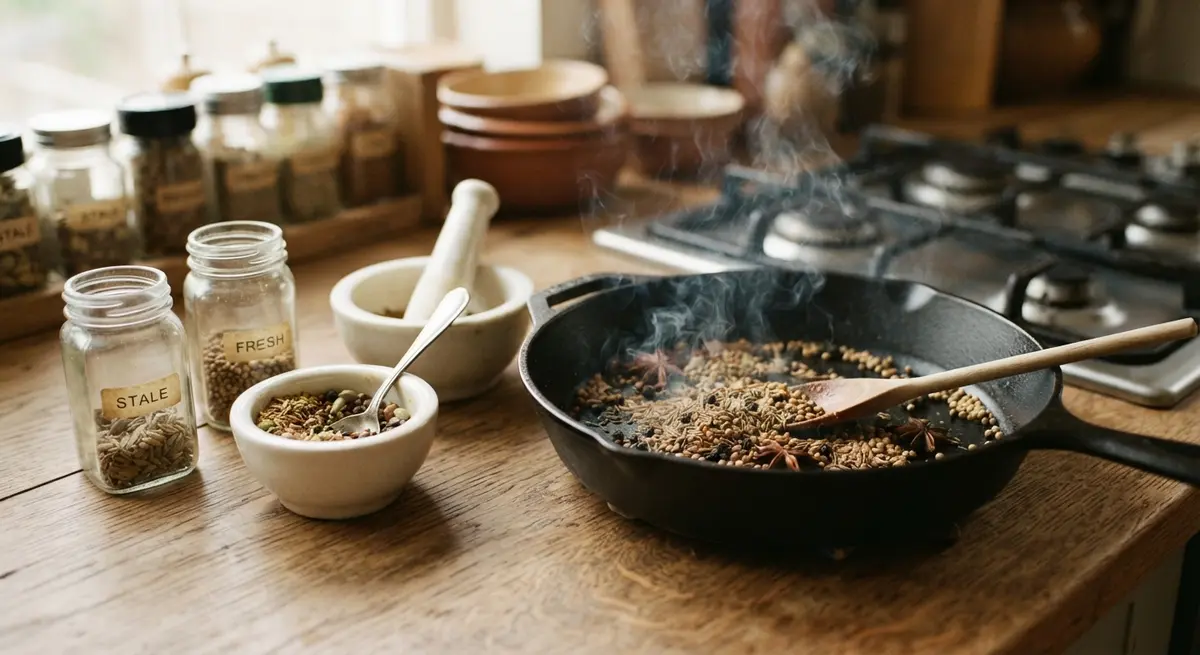
Can You Revive Stale Spices? Mostly No, and Here Is the Fix
Stale spice can be nudged back a little, never fully. Toast, blend, and refresh what you can with restraint; some jars just deserve retirement.
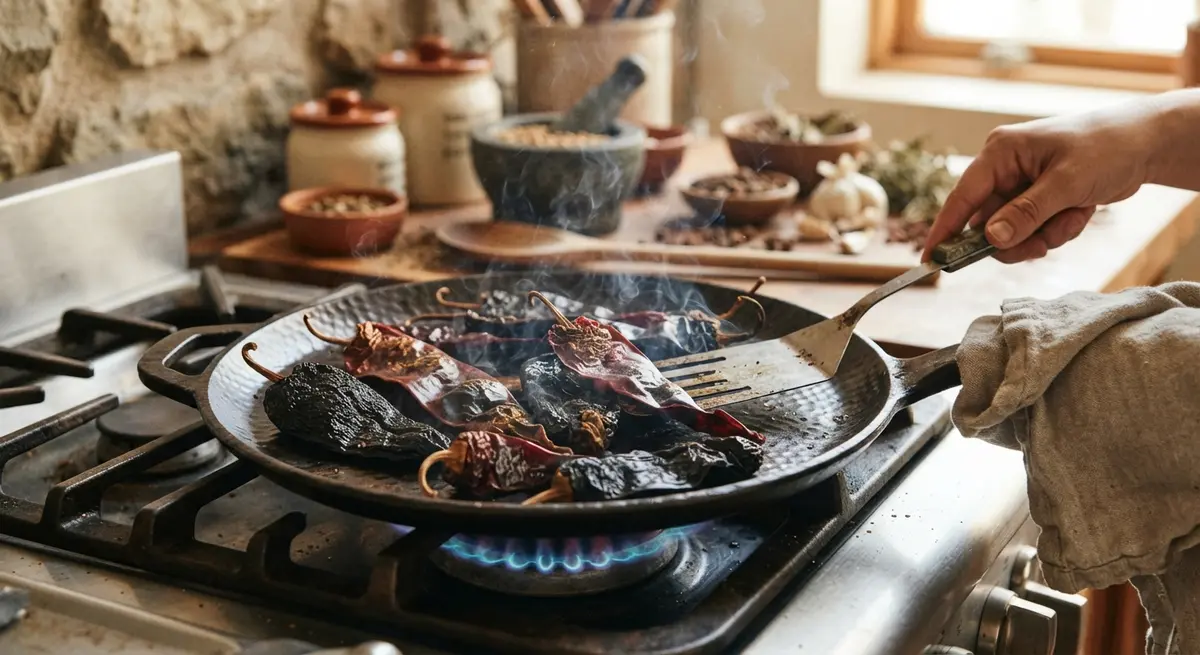
Roasting Chiles for Deep, Smoky Flavor
Roasting turns chiles dark, sweet, and earthy. Dry heat, even blistering, and a steam rest make the most complex pepper flavor at home.
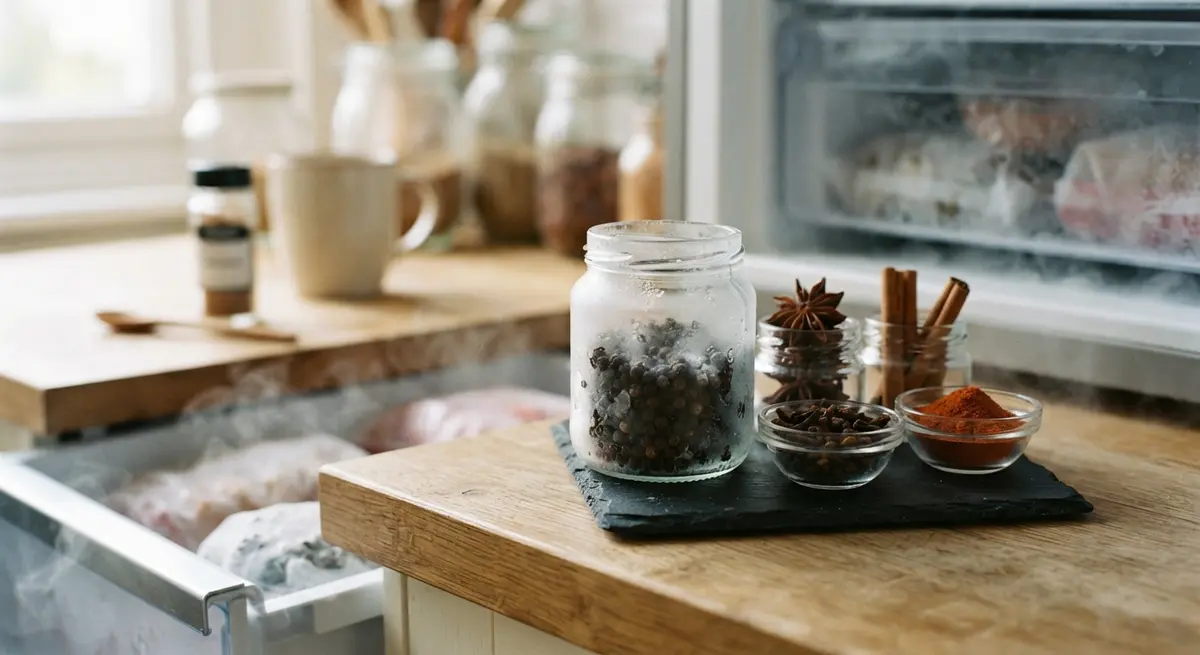
Should You Freeze Spices? The Honest Truth About Cold Storage
Freezing is a tool, not a rule. Get it right for chiles and roots, skip it for most powders, and avoid the soggy-thaw ruin.
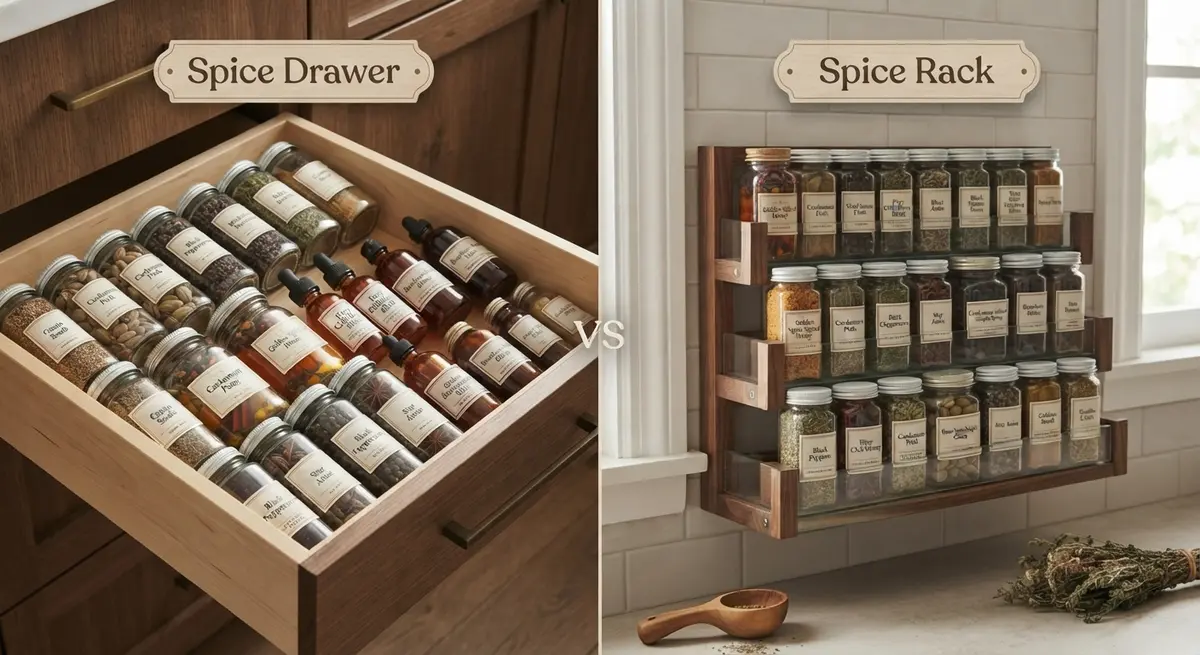
Spice Drawer vs. Rack: Which Setup Is Right for You
A drawer keeps spices cool and tidy; a rack shows everything at a glance. Match the setup to your kitchen, budget, and habits.
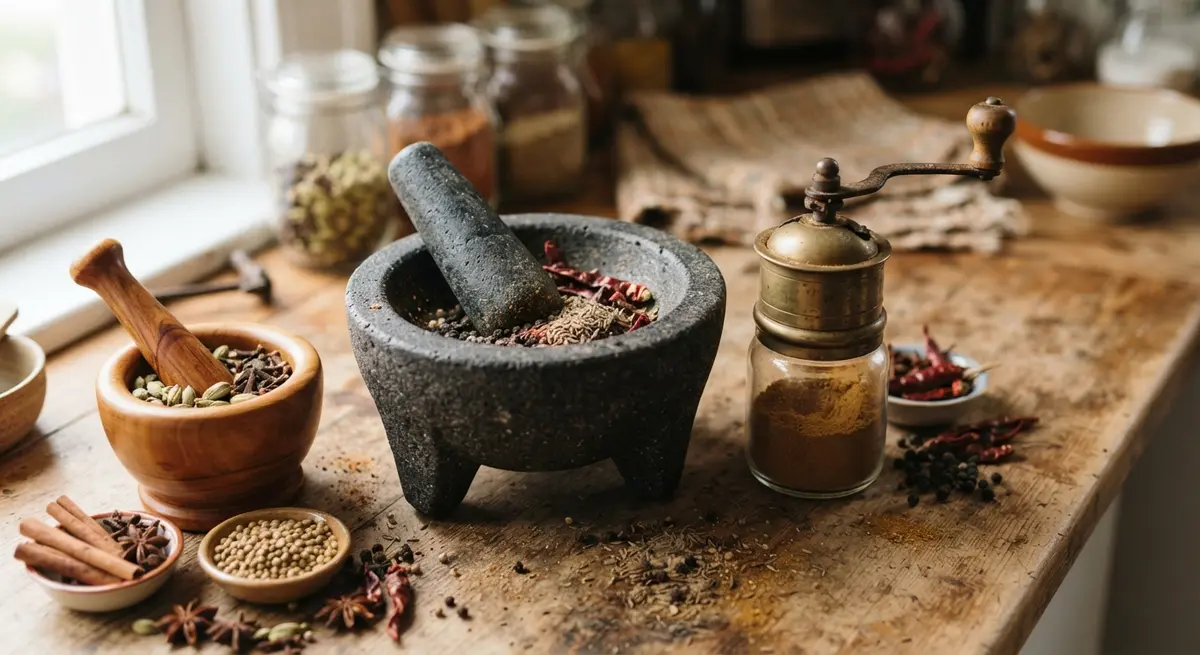
The Best Tools for Grinding Spices at Home
Mortar, blade mill, or burr grinder: each suits a different spice job. Match the tool to the grind and the flavor comes alive instantly.
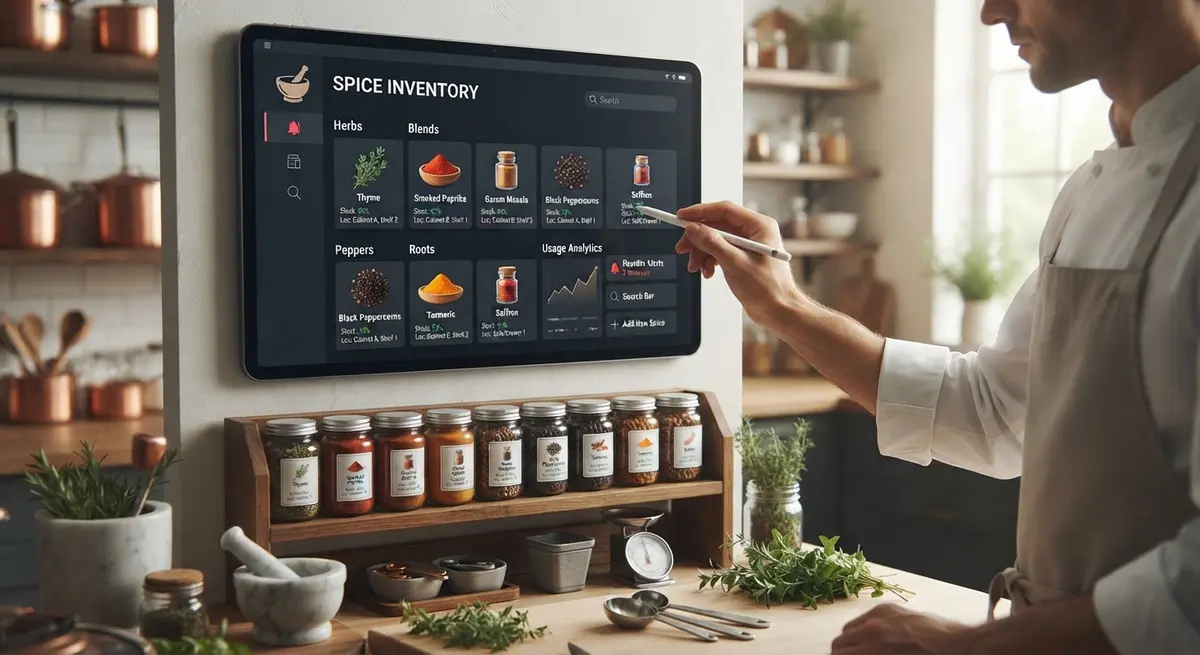
The Spice Inventory System: See What You Have, Use What You Buy
A labeled jar, a one-page list, and a monthly sweep keep thirty spices tidy. Track the ten you use, and no jar ever dies in the back.
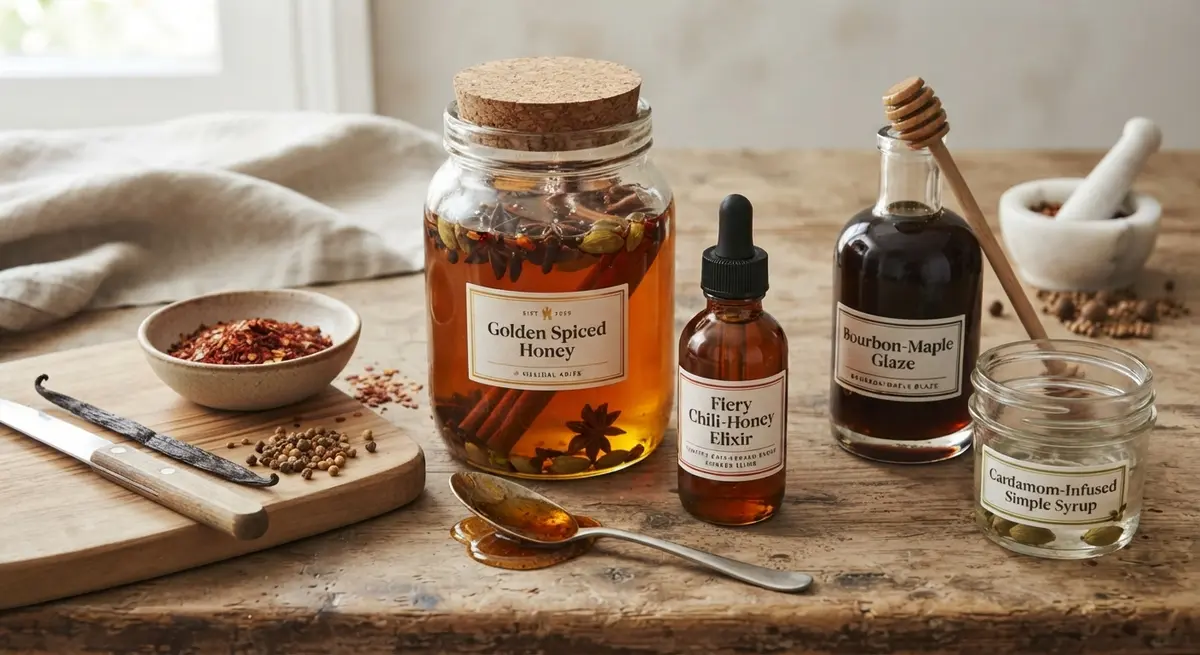
Making Spiced Honey and Syrups for Instant Finishes
Spiced honey is a finish shortcut: one spoon over yogurt, glaze, or roast vegg and the dish flips on. Learn to steep it perfectly.
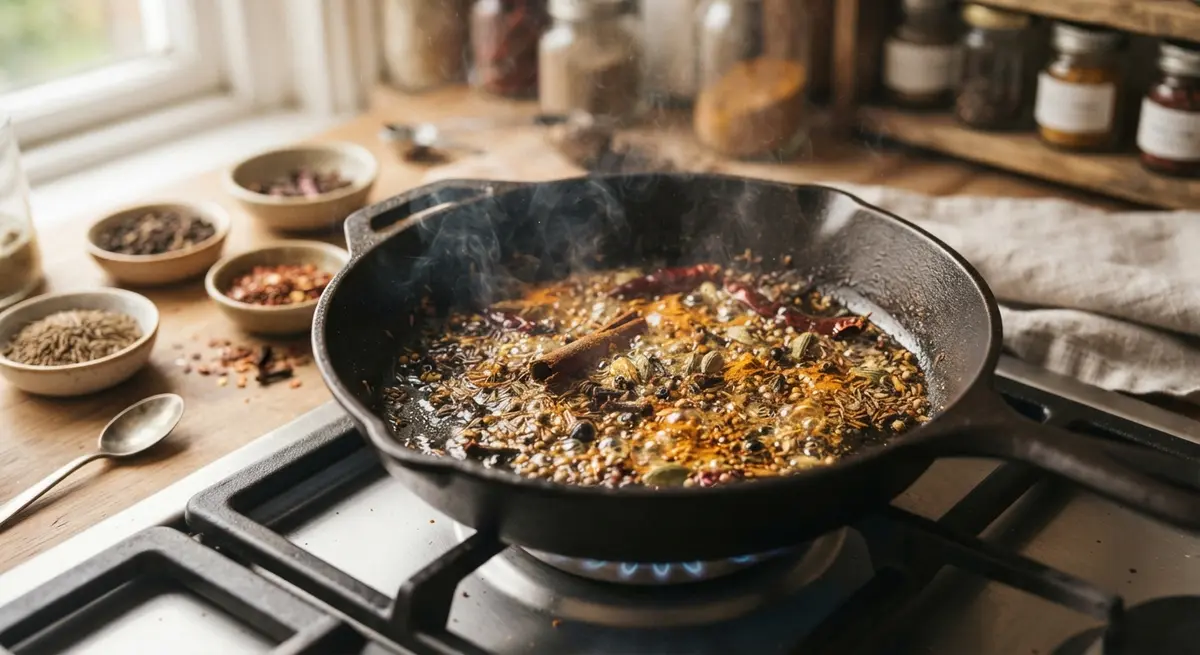
The Science of Blooming Spices: Why Fat Beats Water
Most of a spice's aroma dissolves in fat, not water. That is the science behind blooming, and knowing it turns recipes into instincts.
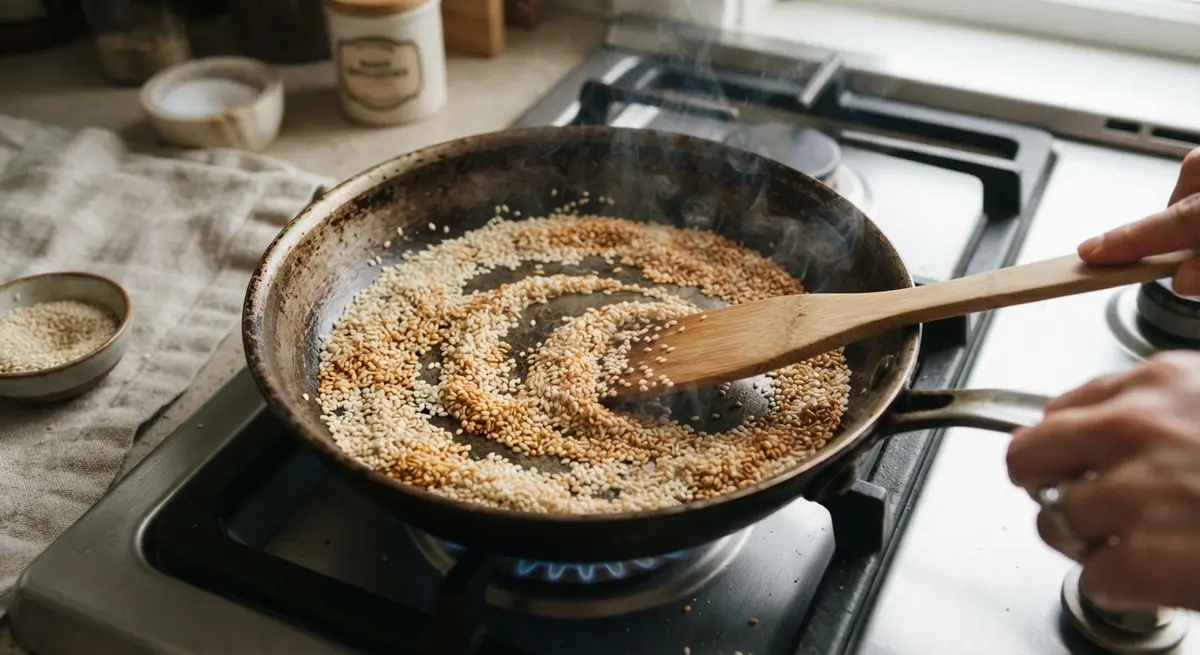
Toasting Sesame Seeds So They Pop, Not Burn
Untoasted sesame is bland; toasted drives the kitchen aromatic. A dry pan, constant flip, and the scent alarm keep them golden.
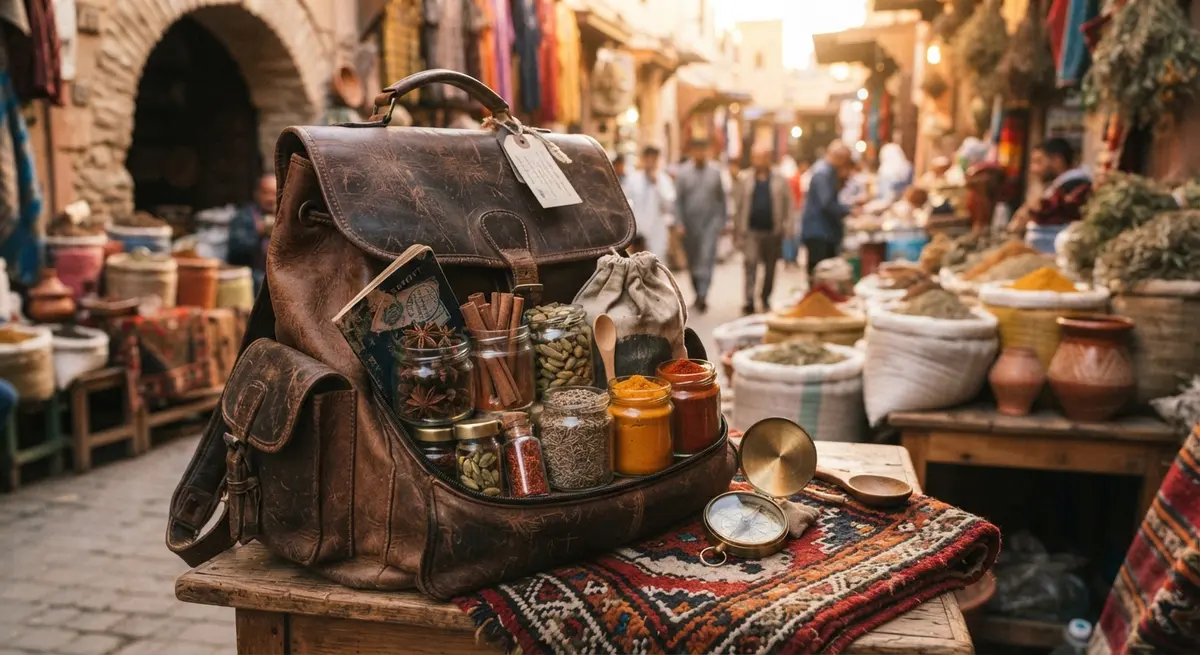
How to Travel With Spices Without a Mess or a Customs Stop
Hand-picked spices travel clean in zip bags and pill bottles, with airtight seals and labels. Pack smart and arrive with your seasoning.
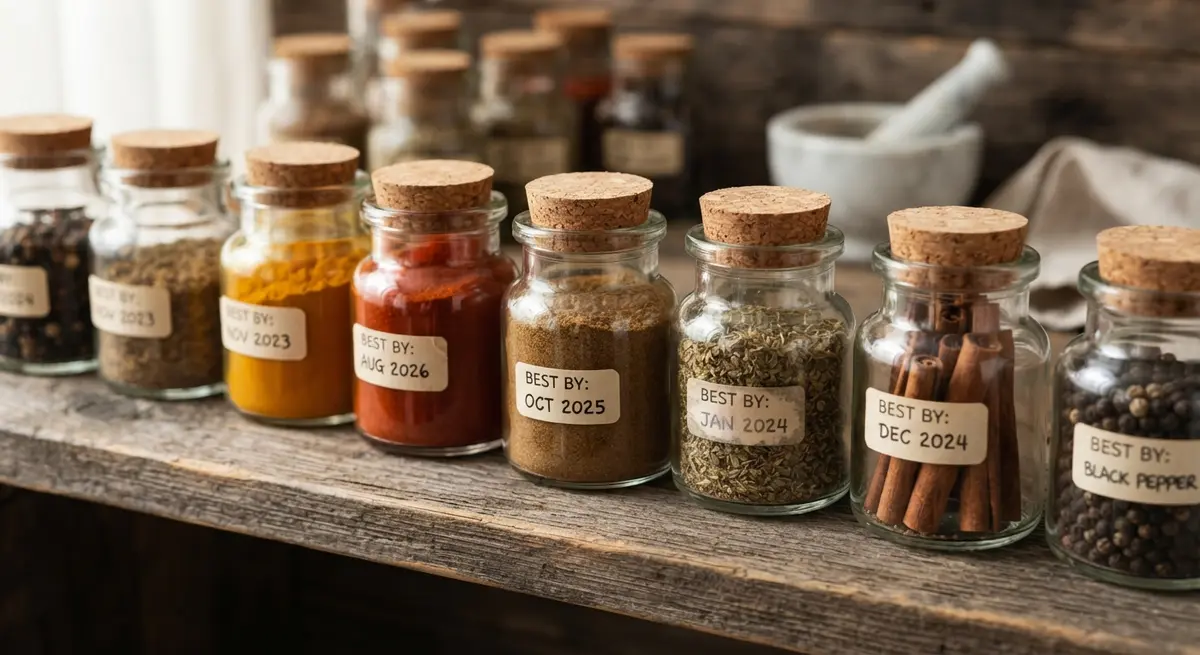
Understanding Spice Best-By Dates Without the Guilt
A best-by date marks peak quality, not the moment flavor ends. Sniff the jar, taste the pinch, and let your senses own the decision.
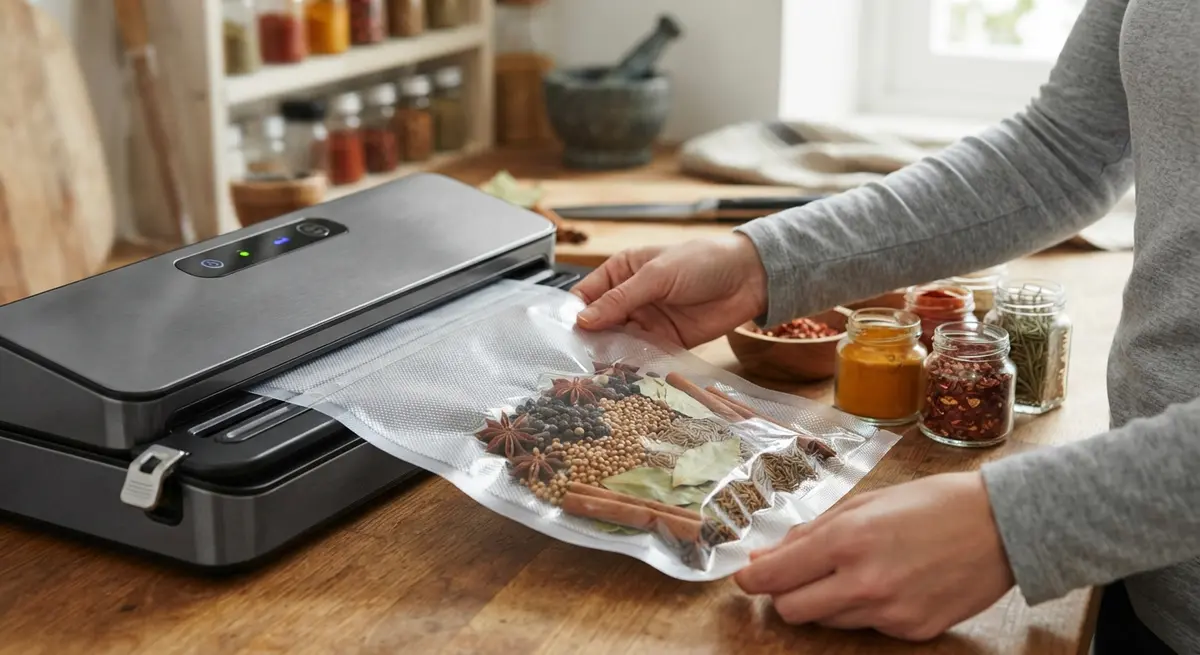
Vacuum-Sealing Spices: Worth It or a Gimmick?
Air is spice's enemy, and vacuum sealing stops it cold. It shines for bulk and long storage, while daily jars stay happily in the drawer.
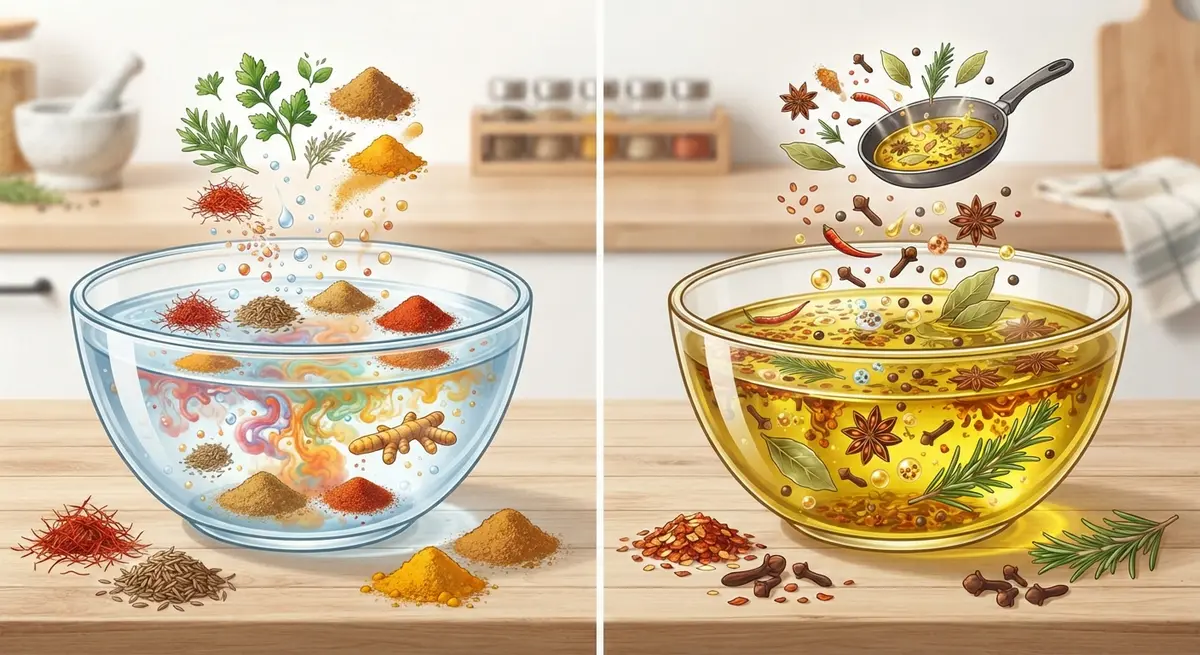
Water-Soluble vs. Fat-Soluble Flavor: How Spice Foods Respond
Flavor rides carriers: water carries some notes, fat carries others. Match the spice to the medium and unlock the flavor it was born with.
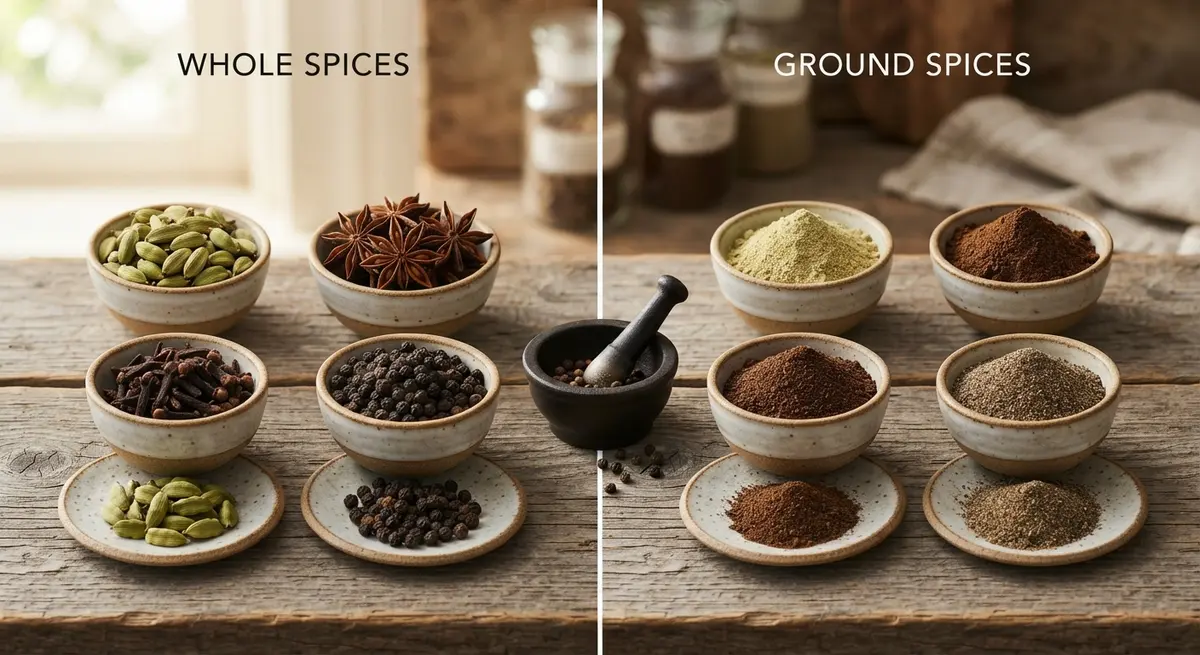
Whole vs. Ground Spices and Why Fresh Grinding Wins
Whole spices are a time capsule, ground spices are a countdown. Grind at home what you can, and you double the flavor overnight.
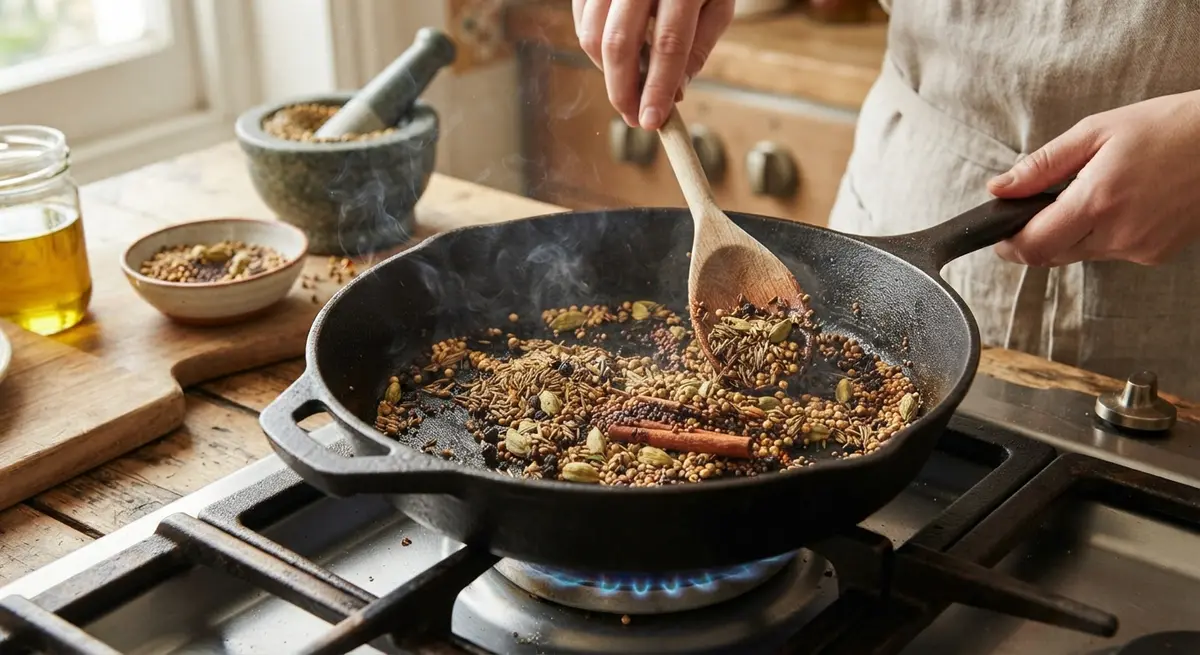
Why You Should Toast Spices Before Cooking, Every Time
Toasting is the fastest way to make any spice taste twice as alive. Dry heat unlocks the oils, sweetens the bite, and perfumes the kitchen.