Should You Freeze Spices? The Honest Truth About Cold Storage
By the QuiteRecipes team (Jamy & Kaïna)
Freezing is a tool, not a rule. Get it right for chiles and roots, skip it for most powders, and avoid the soggy-thaw ruin.
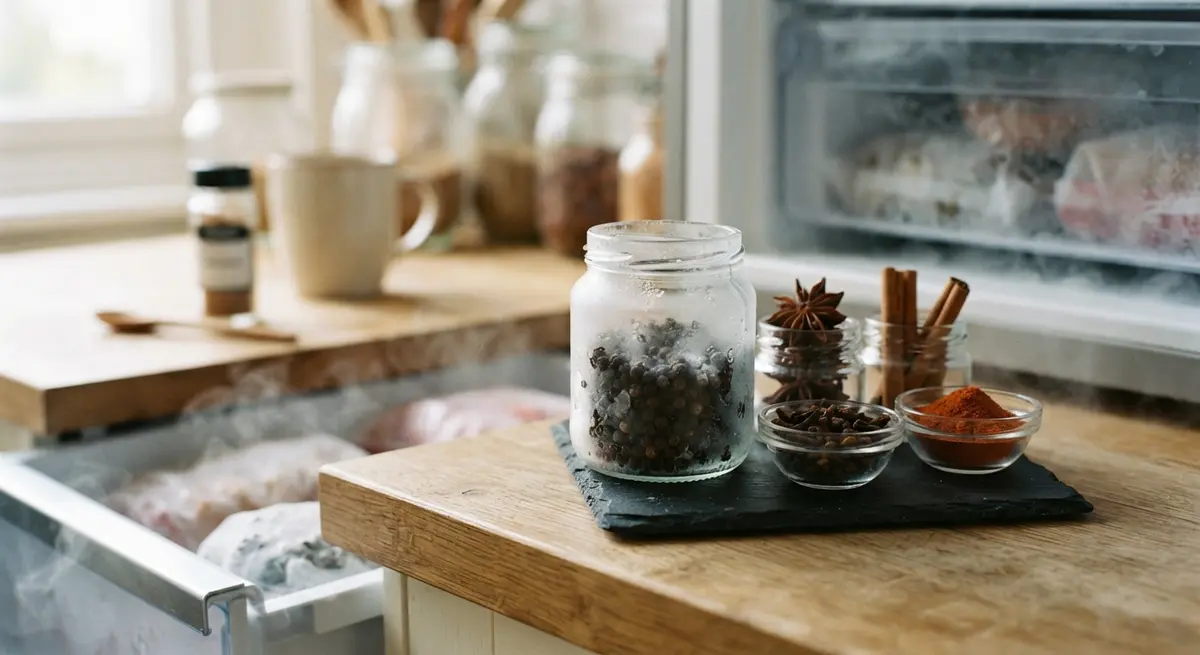
I once froze an entire spice drawer to keep it fresh and spent six months watching my jars gather moisture like little boats. The freezer is not a seasoning bank, but it is not useless either. Some things, fresh chiles, ginger, lemongrass, and certain whole spices, freeze superbly, while most ground powders come out colder, wetter, and worse. The key is knowing which spices your freezer loves and how to treat them so they come out tasting like themselves. This guide is the honest line between keep and reject.
Why It Matters
Freezing works well for high-moisture things like fresh chiles, ginger, lemongrass, and galangal, which store beautifully and grate or grind straight from the cold. It is terrible for most ground spices, which absorb condensation when they thaw and turn into flavorless clumps. Whole spices tolerate cold but gain little, since they already keep well at room temperature. The real power of the freezer is for herbs and aromatic roots, and the real mistake is freezing what already lives fine in a drawer.
The Technique, Step by Step
- Freeze fresh chiles whole or in labeled bags, they keep for months and thaw quickly.
- Freeze ginger, lemongrass, and galangal peeled and chunked, grate straight from frozen.
- Freeze fresh herbs in olive oil in ice cube trays, a brilliant flavor brick for stews.
- Skip ground powder in the freezer unless you seal and dry it perfectly.
- Thaw frozen spices in the fridge or use them directly, never sit them open at room temperature.
- Seal in airtight bags or jars, and if there is frost, wipe the bag so it does not sit in water.
Common Mistakes to Avoid
- Freezing ground powder and opening the jar to condensation: it clumps, fades, and resigns.
- Freezing leafy herbs loose: they cry in the frost and thaw into a sad green smear.
- Letting frozen spices live in the door of the freezer: the temperature swings blur the benefit.
- Freezing what the drawer already handles fine, every jar earns no upgrade.
- Thawing and refreezing repeatedly: each cycle adds water and removes flavor.
Quick Wins & Variations
- Keep a zip bag of frozen bird's eye chiles for spice lovers, grate as needed.
- Pre-portion ginger in small cubes and grate directly from freezer to pan.
- Make herb-oil cubes and pop one into soups, braises, and pasta.
- Store extra vanilla pods or citrus zest frozen, sealed, for baking.
- Keep paprika and chili powder in the fridge, not freezer, for a gentler cold surge.
FAQ / Quick Facts
- Is freezing good for spices? Sometimes, it is a fine home for fresh chiles, roots, and herbs, and poor for most powders.
- How do I stop frozen spices getting wet? Seal them airtight and thaw in the fridge, never open on a warm counter.
- Should ground powders live in the freezer? Generally no, a cool dark drawer is kinder, and it avoids condensation.
- How long can frozen chiles last? Months, if bagged and sealed, they keep more of their fire than any kitchen shelf.
Related Articles
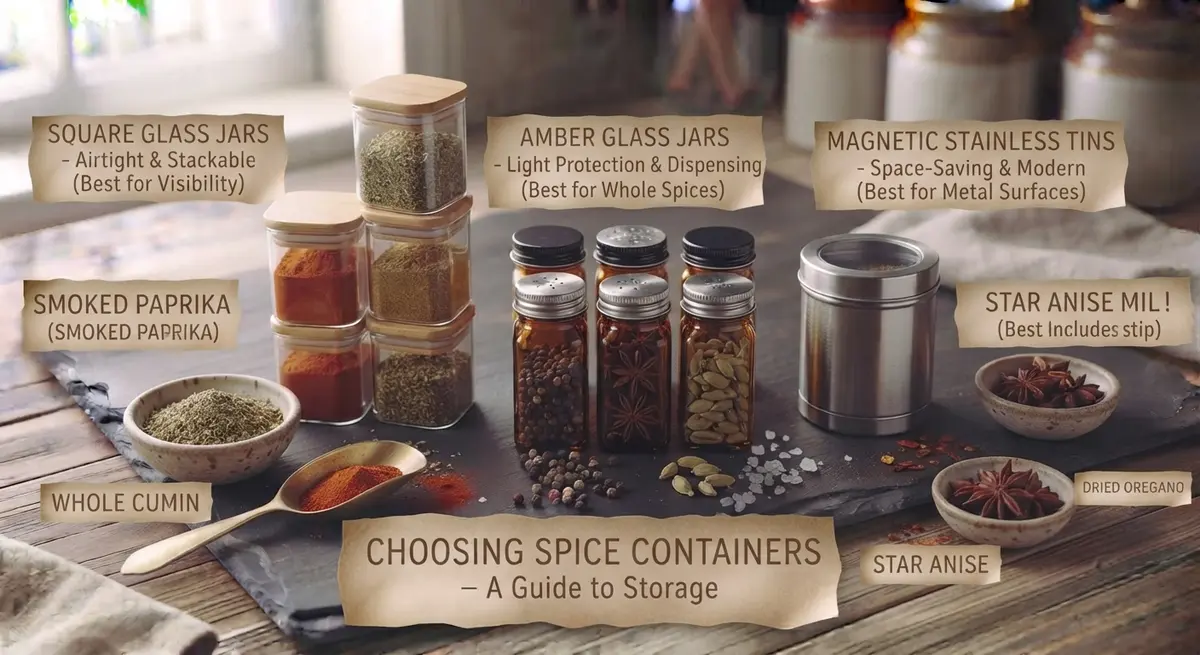
Choosing the Right Containers for Your Spice Stash
Glass, tin, and plastic each suit a different spice job. Match container to use, with little brown jars winning for the everyday shelf.
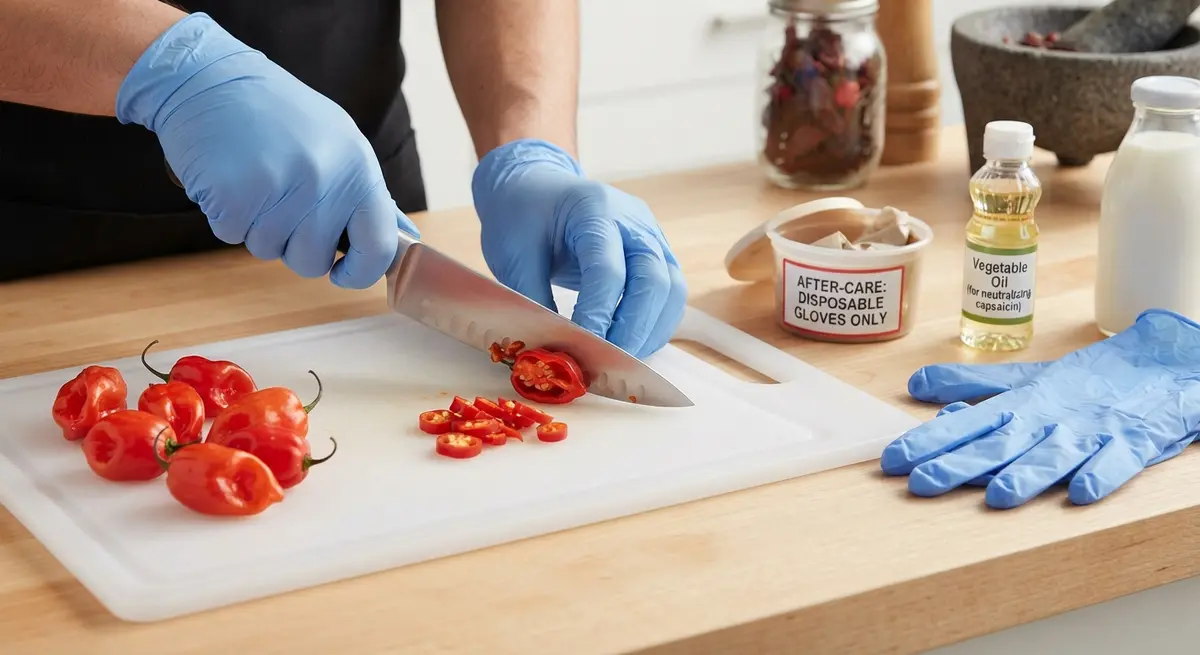
Handling Hot Chiles Safely: Capsaicin Gets Around
Chile heat rides oils, not water. Wear gloves, work clean, and know the dairy-and-oil fix when the burn travels to the wrong place.
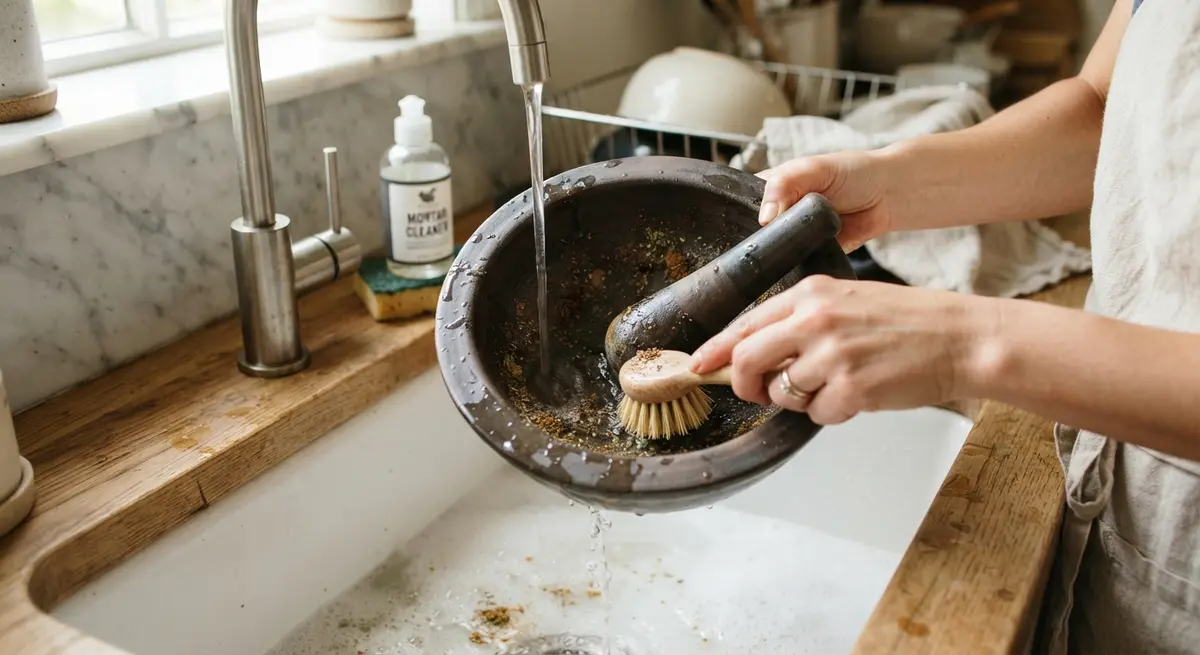
How to Clean a Mortar and Pestle So No Old Spice Lingers
A mortar and pestle is a flavor sponge and must be cleaned kindly. Rice grit, a dry cloth, and soap-free love keep it pure for everything.
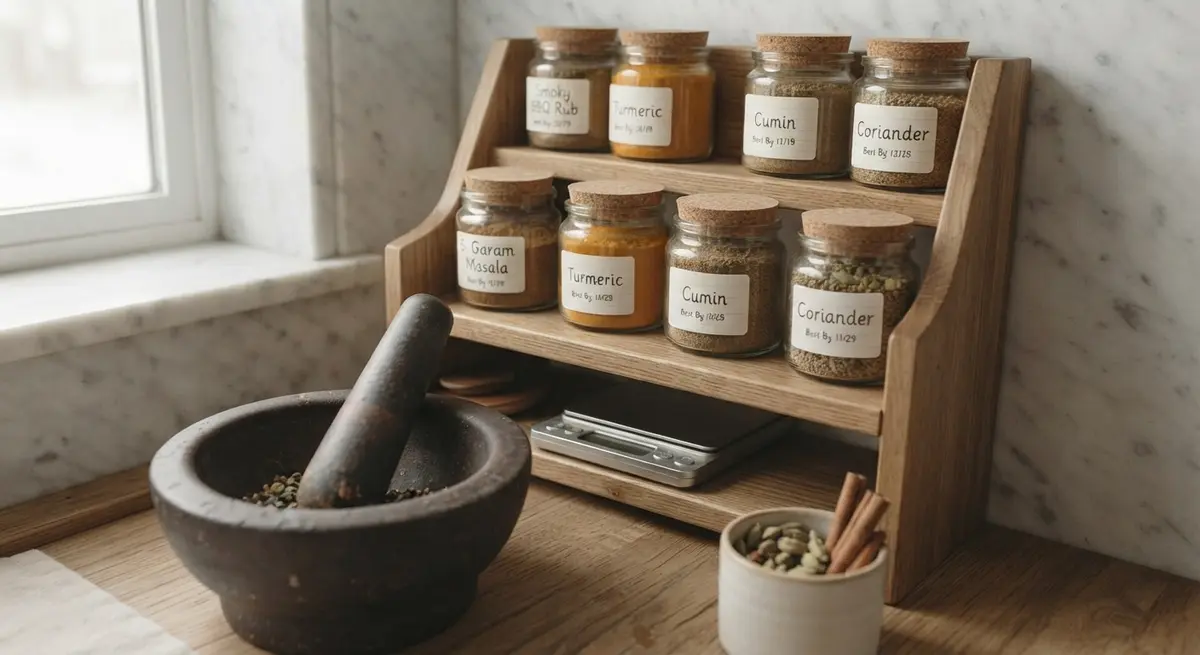
How to Store Spices So They Stay Loud Longer
Air, light, and warmth quietly rob your spices. Put them in a cool, dark drawer in airtight jars and they keep their edge twice as long.
About the Authors
This recipe and guide was developed, tested, and approved in our home kitchen and daily life. Jamy is a retired Food Service District Manager and Early Childhood Program Manager who spent his career overseeing multi-site restaurant operations, large-scale culinary production, and daycare menu management. Kaïna brings the ultimate real-world test: making sure it brings ease and joy to our kids on a busy weeknight.
Read more about our professional background and philosophy →