Tonka Bean: Flavor Profile, Health Benefits & Culinary Uses
By the QuiteRecipes team (Jamy & Kaïna)
The dark, wrinkled bean with a vanilla-almond perfume — and a coumarin warning: treat tonka as a perfume note, never as an ingredient to eat in bulk.
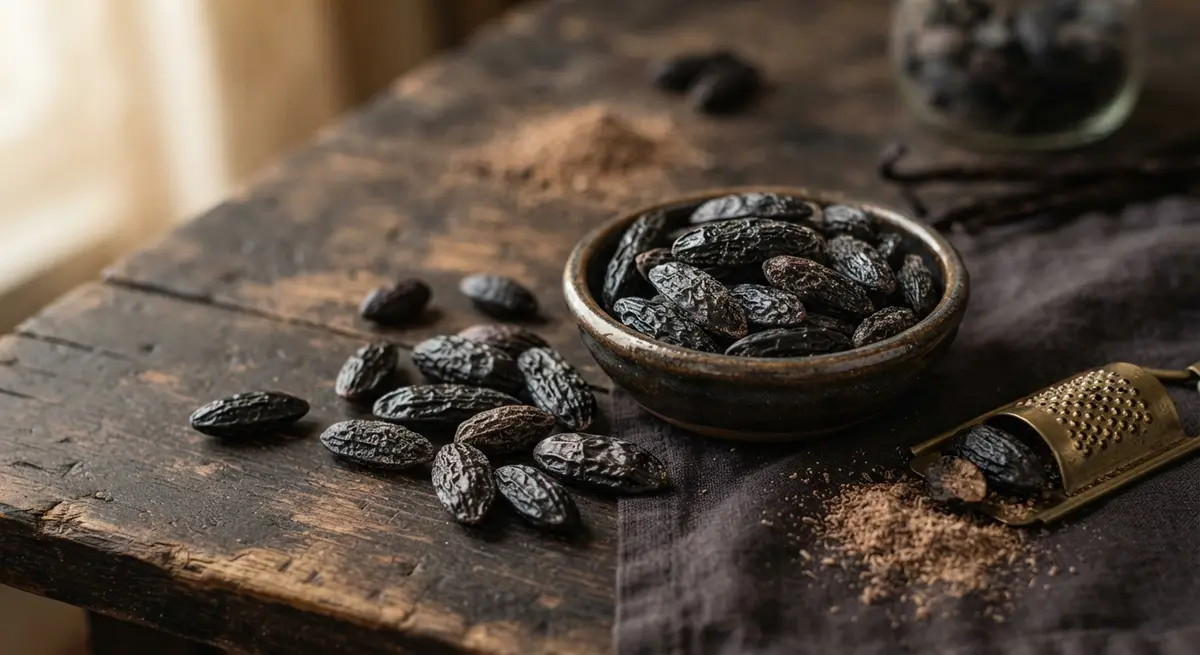
Tonka beans are the intrigue of the pastry world — dark, wrinkled, smelling like vanilla's richer, more mysterious cousin, and sold with a warning label. They come from the cumaru tree, Dipteryx odorata, which grows in South American rainforests, where the beans have perfumed things and flavored cooking for generations.
Pastry chefs love them for a reason: a shave of tonka makes cream taste like warm, smoky vanilla with cinnamon and a whisper of almond. But here is the thing every article must tell you plainly — tonka bean contains a compound called coumarin.
Flavor Profile & Notes
The aroma is glorious. Vanilla, almond, cherry, caramel, a hint of toasted coconut, all framed by an elegant smokiness — a few shavings over panna cotta or rice pudding and the whole room smells like a French patisserie. Professional use is a razor-thin shaving, grated over a finished dessert with a fine Microplane, never stirred in by the spoonful. The bean is hard as a nut, and its flavor survives grating and chilling beautifully. Keep it bone dry, wrapped, and used in slivers.
Health Benefits & Nutrition
Now the part that matters. Coumarin gives tonka its signature scent and is also the reason the European Union bans it as a food ingredient and the US FDA considers it unfit for food. In meaningful doses, coumarin has been linked to liver toxicity, and a single bean carries a great deal more than a breath of it. A whisper of shaved tonka over a dessert now and then is a common professional habit whose risk is debated — but in bulk, in syrups, in whole-bean infusions, eaten like candy, it crosses into genuine hazard. People with liver concerns and anyone pregnant should avoid it altogether, and for anyone else the blunt guidance stands: treat tonka as a perfume note, never as an ingredient to eat freely. If you do use it, this is not medical advice — check your local regulations and your doctor first.
Best Culinary Pairings
Where professionals use it: cream-based desserts — panna cotta, creme brulee, ice cream, custard — plus cheesecake, chocolate mousse, biscotti, and buttercream. A nearly invisible grating over warm apple compote or into a cup of coffee reads like vanilla that grew up. It pairs with chocolate, coffee, caramel, and cherries. Know that several commercial "tonka flavor" products are now made coumarin-free, which is the route many conscientious chefs and bakers have taken.
Quick Substitutes
Replicate the effect without the bean: a vanilla bean with a pinch of cinnamon and a whisper of almond extract gets remarkably close in most desserts. Vanilla with a touch of toasted hazelnut or a drop of rum pushes the intrigue further. Coumarin-free "tonka" flavorings exist commercially and are worth seeking out. In a pinch, vanilla plus cinnamon is the honest, safe choice — the dessert stays delicious even if the mystery is gone.
FAQ / Quick Facts
- Is tonka bean legal to cook with? No as a food ingredient in the EU, and restricted in the US — check your local rules and treat it as a perfume note, never bulk food.
- What does it taste like? Vanilla, almond, cherry, and cinnamon warmth with a smoky, woody depth.
- Botanical family / Form: Fabaceae — the seed of the cumaru tree (Dipteryx odorata). Used grated, in razor-thin slivers, over desserts only.
Related Articles
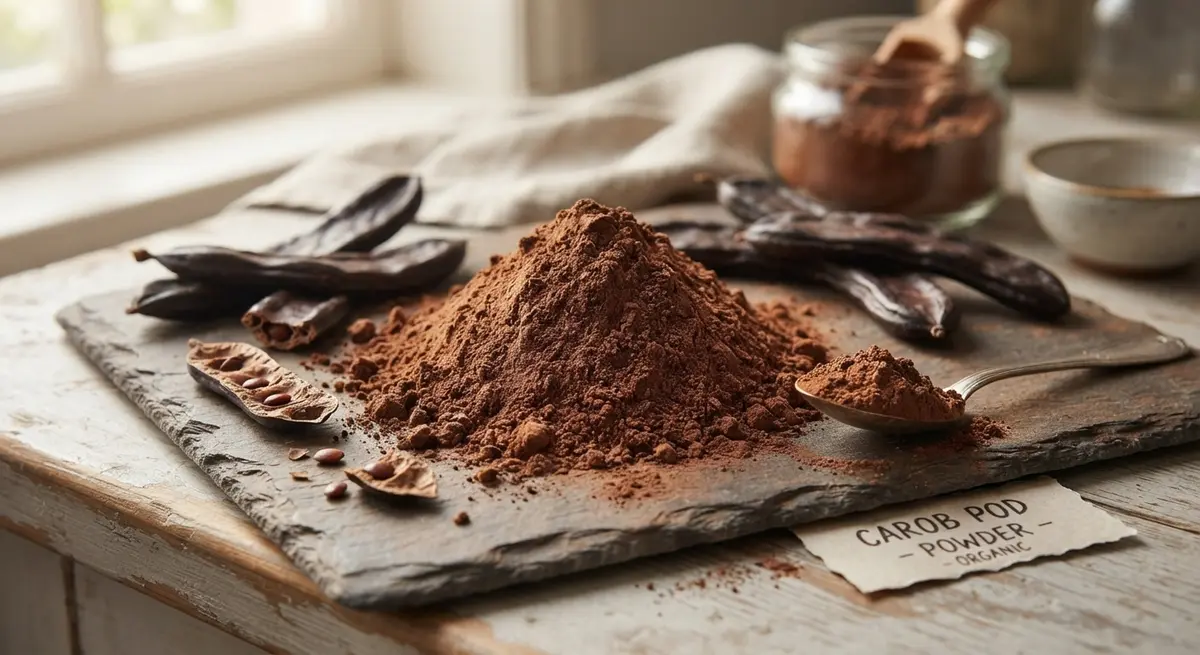
Carob Pod Powder: Flavor Profile, Health Benefits & Culinary Uses
Naturally sweet, caffeine-free carob comes from roasted Mediterranean pods — a toasty, malty brown powder that is not chocolate but deserves a pantry spot anyway.
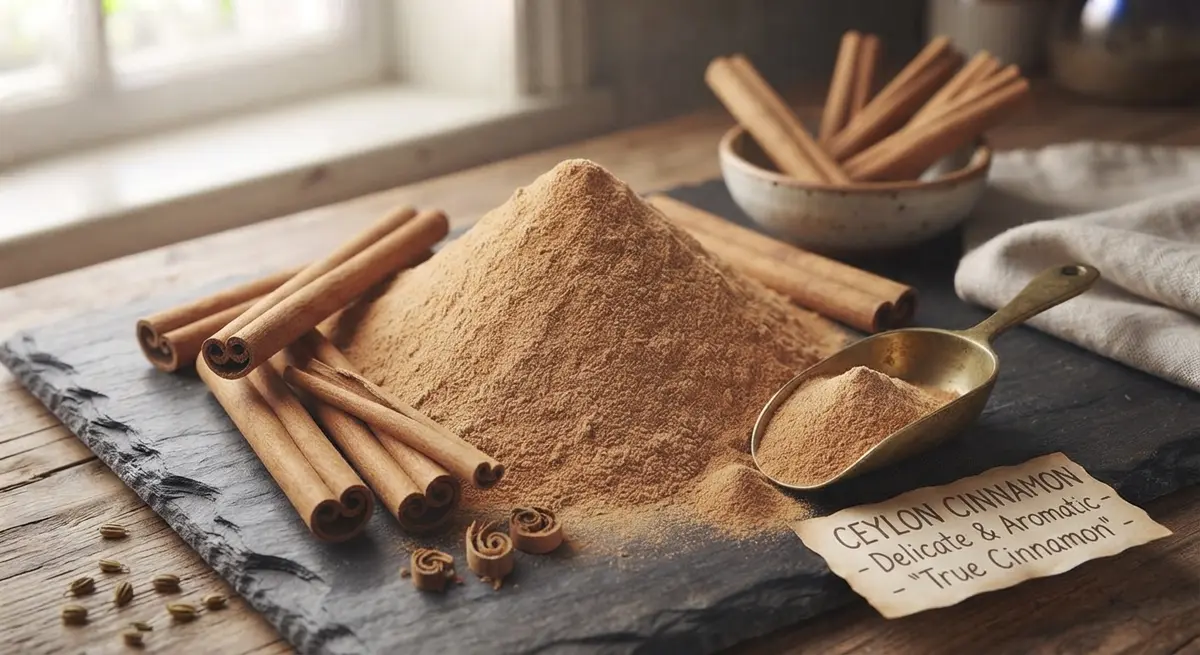
Ceylon Cinnamon: Flavor Profile, Health Benefits & Culinary Uses
Ceylon is the delicate, low-coumarin 'true cinnamon' from Sri Lanka. Here is how to tell it apart, cook with it, and know when it is worth the money.
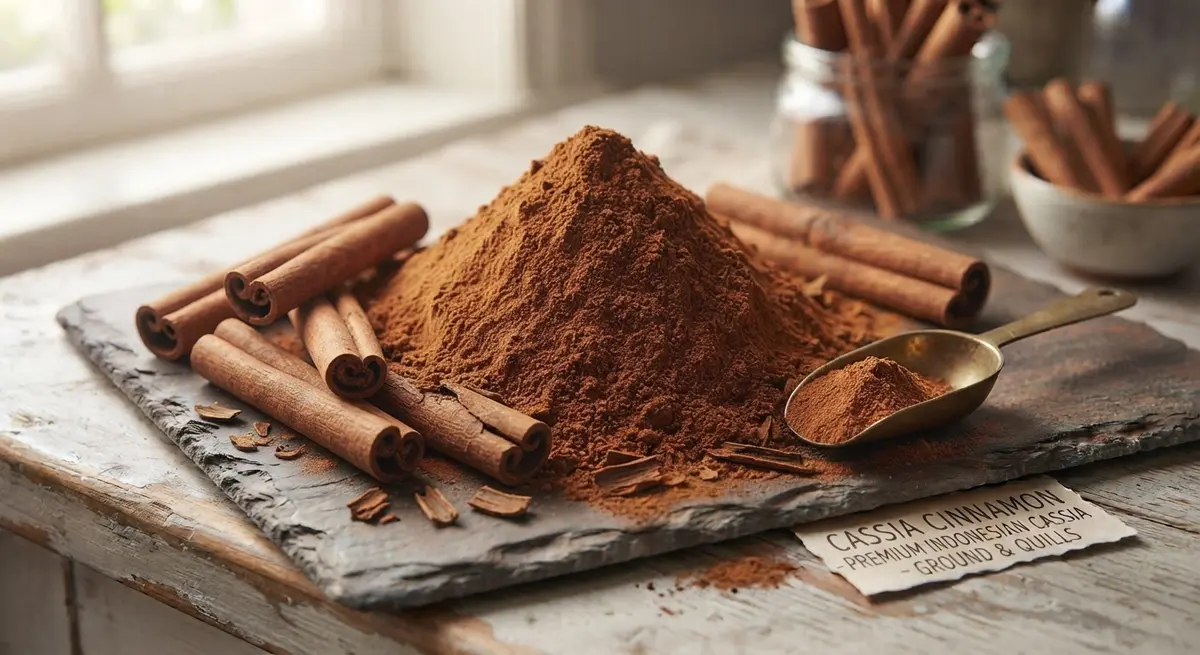
Chinese Cassia Cinnamon: Flavor Profile, Health Benefits & Culinary Uses
The tall, dark, strongly spicy jar on American shelves is usually cassia, not true cinnamon. Here is its flavor, best uses, and the honest coumarin facts.
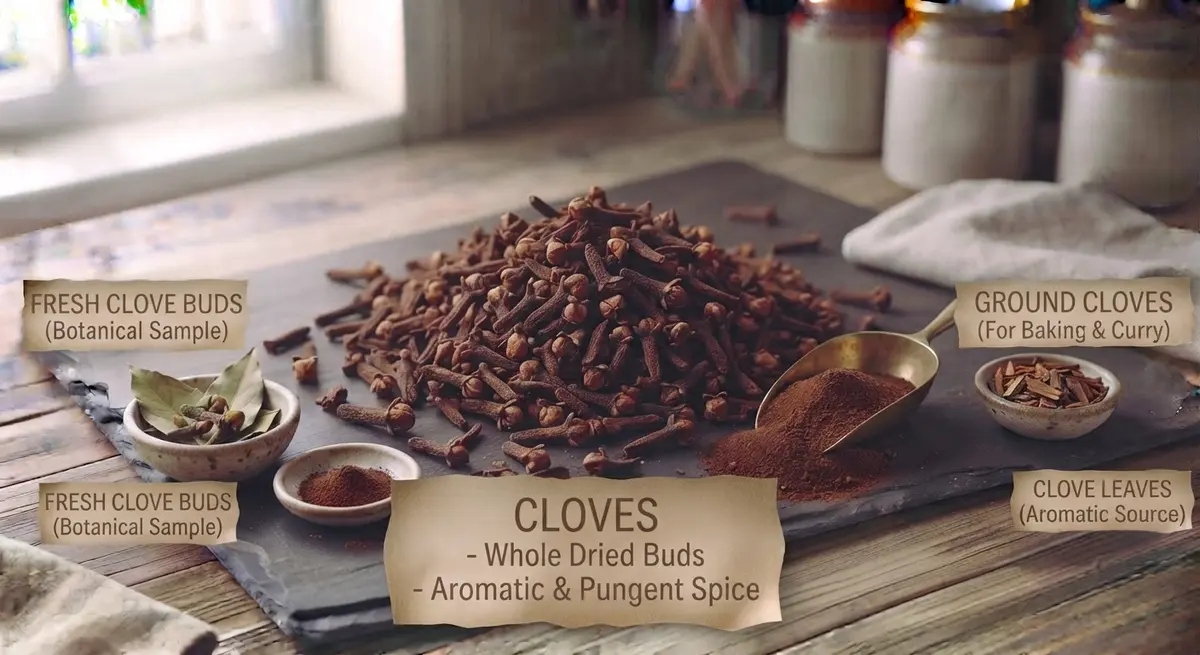
Cloves: Flavor Profile, Health Benefits & Culinary Uses
Those little nails in the jar are dried flower buds, and their eugenol content means a little goes a long way. Here is where cloves belong and what they replace.
About the Authors
This recipe and guide was developed, tested, and approved in our home kitchen and daily life. Jamy is a retired Food Service District Manager and Early Childhood Program Manager who spent his career overseeing multi-site restaurant operations, large-scale culinary production, and daycare menu management. Kaïna brings the ultimate real-world test: making sure it brings ease and joy to our kids on a busy weeknight.
Read more about our professional background and philosophy →