Cloves: Flavor Profile, Health Benefits & Culinary Uses
By the QuiteRecipes team (Jamy & Kaïna)
Those little nails in the jar are dried flower buds, and their eugenol content means a little goes a long way. Here is where cloves belong and what they replace.
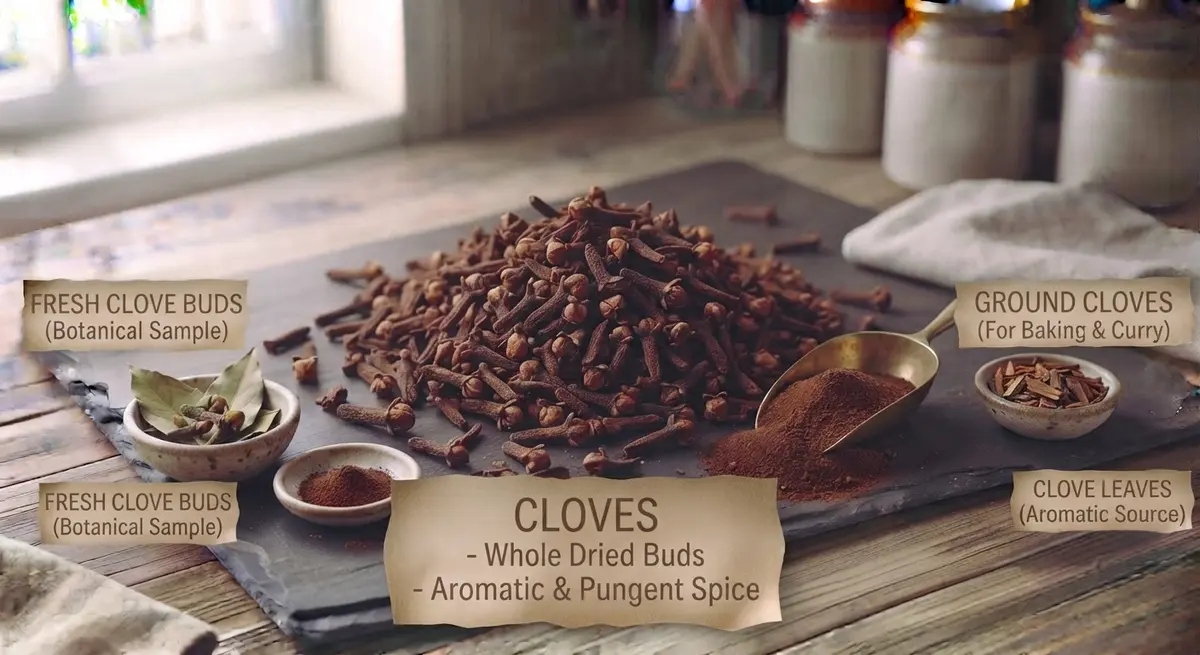
Visually, cloves look like someone hammered rusty nails into your spice jar, and the name itself comes from the Latin for nail. They are actually the dried, unopened flower buds of a tropical evergreen tree, Syzygium aromaticum, native to Southeast Asia's spice islands and traded across the world for well over two thousand years. In the old days, cloves were bought by weight and worth the journey.
Use them well and one clove ends up doing what a whole jar of other spices cannot. Use them carelessly and you will taste them for a week. Cloves are the disciplinarians of the spice shelf.
Flavor Profile & Notes
Cloves are intensely sweet, pungent, and heating, with the unmistakable numbing tingle at the tip of the tongue — that effect and most of the aroma come from eugenol, the same compound clove toothache oils rely on. The flavor is so loud that a single clove or a quarter teaspoon of ground can season an entire pot. They open up in liquid; simmer them whole in cider, wine, or braises and remove before serving. Ground cloves are fines and unforgiving, so add in pinches, taste, and stop.
Health Benefits & Nutrition
Cloves are a dense antioxidant source, for a dried spice ranking unusually high on many lists. Traditional medicine has used the buds for toothache — eugenol genuinely numbs gum pain, which is why it lives in dental oils — and as a warming digestive for centuries, with growing but modest modern interest in their anti-inflammatory compounds. Keep the framing honest: cooking with cloves is enjoyable and useful, and nothing here replaces a dentist or a doctor.
Best Culinary Pairings
Cloves are essential to pumpkin and apple pie spice, spice cake, gingerbread, and stewed fruit. Stud a ham or an orange with whole cloves, toss a few into mulled cider or red wine, and add a single clove to onion soup, red cabbage, or a pot of baked beans. They anchor garam masala and Chinese five-spice. In holiday cookies, a pinch of ground cloves alongside cinnamon and nutmeg is the difference between good and tastes-like-December.
Quick Substitutes
Allspice is the most honest stand-in: it carries nutmeg, cinnamon, and clove notes in one berry, so use about half the amount of ground clove required. Ground nutmeg or cinnamon plus a whisper of the other covers warm baking swaps, but they lack clove's numbing bite. For whole-clove studded hams, stick capsules of allspice berries carry a similar sweet-pungent kick. Taste as you go; clove is the flavor you notice when it is absent.
FAQ / Quick Facts
- How long do cloves keep? Whole buds last for well over a year, though they do eventually dry out and lose perfume; ground fades faster.
- Why is the flavor so strong? Eugenol — the same compound in clove toothache oil — carries intense heat and sweetness.
- Know your spice: Myrtaceae family; whole buds or ground; the sweet fire of spice blends, mulled drinks, and holiday baking.
Related Articles
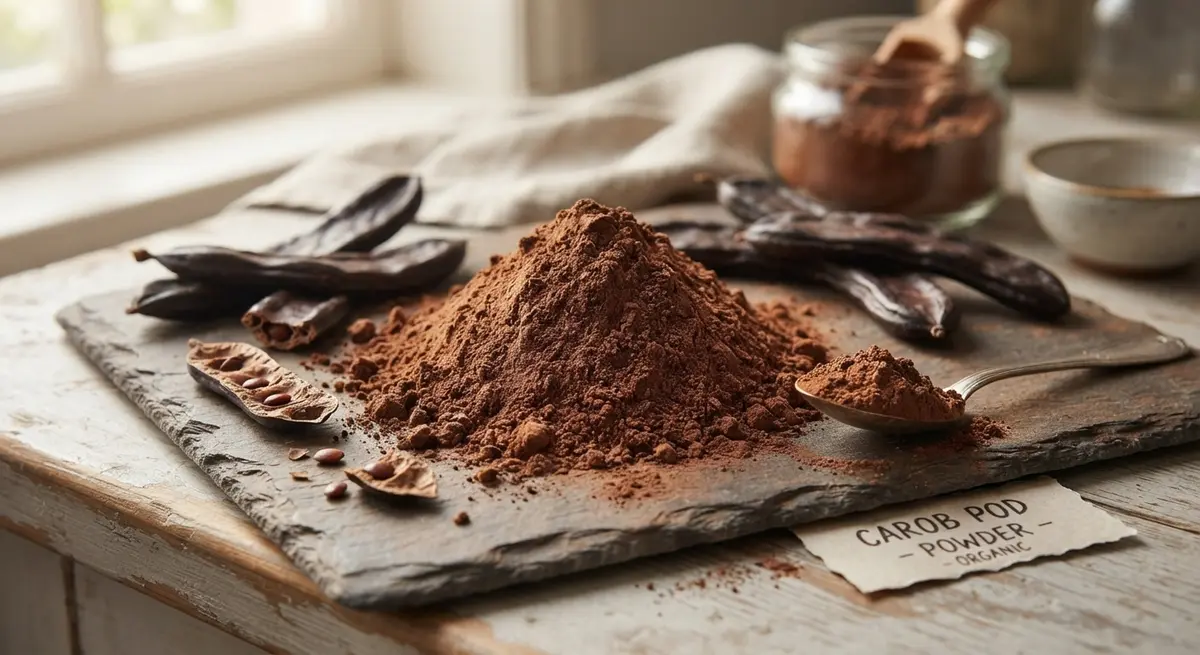
Carob Pod Powder: Flavor Profile, Health Benefits & Culinary Uses
Naturally sweet, caffeine-free carob comes from roasted Mediterranean pods — a toasty, malty brown powder that is not chocolate but deserves a pantry spot anyway.
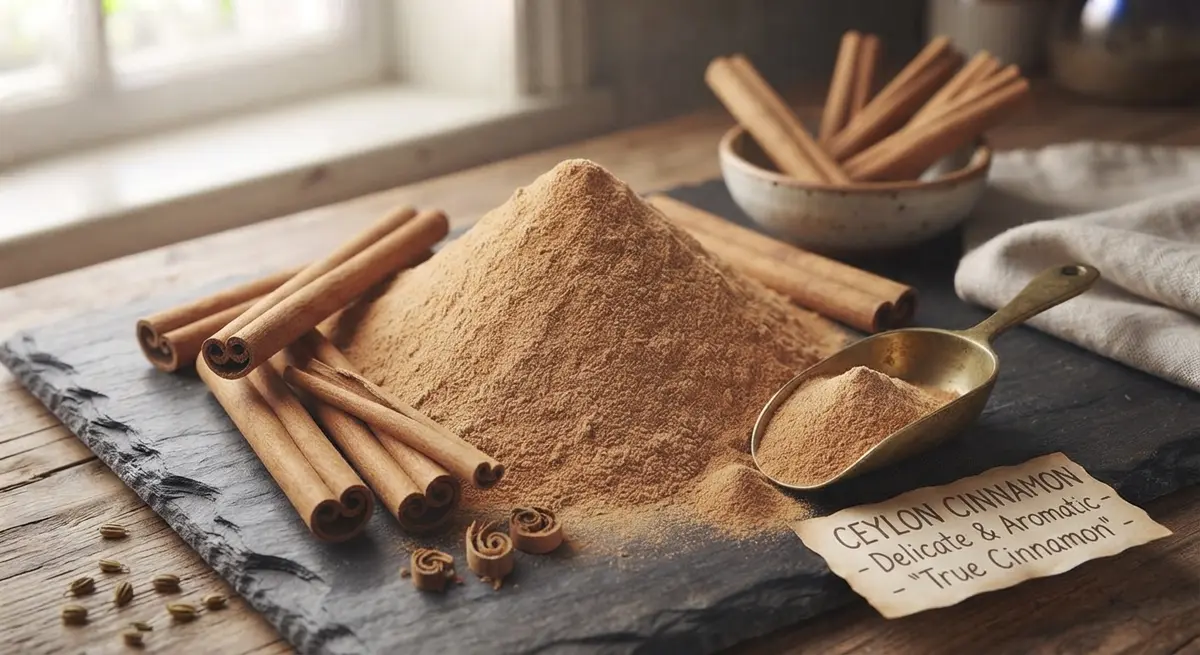
Ceylon Cinnamon: Flavor Profile, Health Benefits & Culinary Uses
Ceylon is the delicate, low-coumarin 'true cinnamon' from Sri Lanka. Here is how to tell it apart, cook with it, and know when it is worth the money.
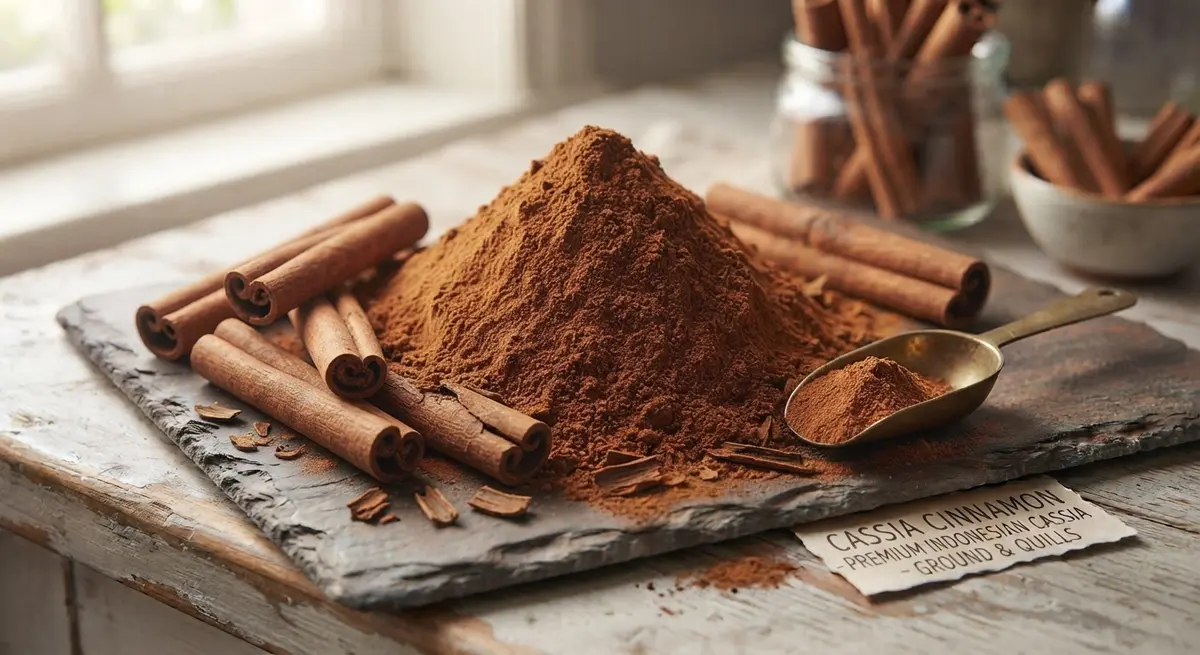
Chinese Cassia Cinnamon: Flavor Profile, Health Benefits & Culinary Uses
The tall, dark, strongly spicy jar on American shelves is usually cassia, not true cinnamon. Here is its flavor, best uses, and the honest coumarin facts.
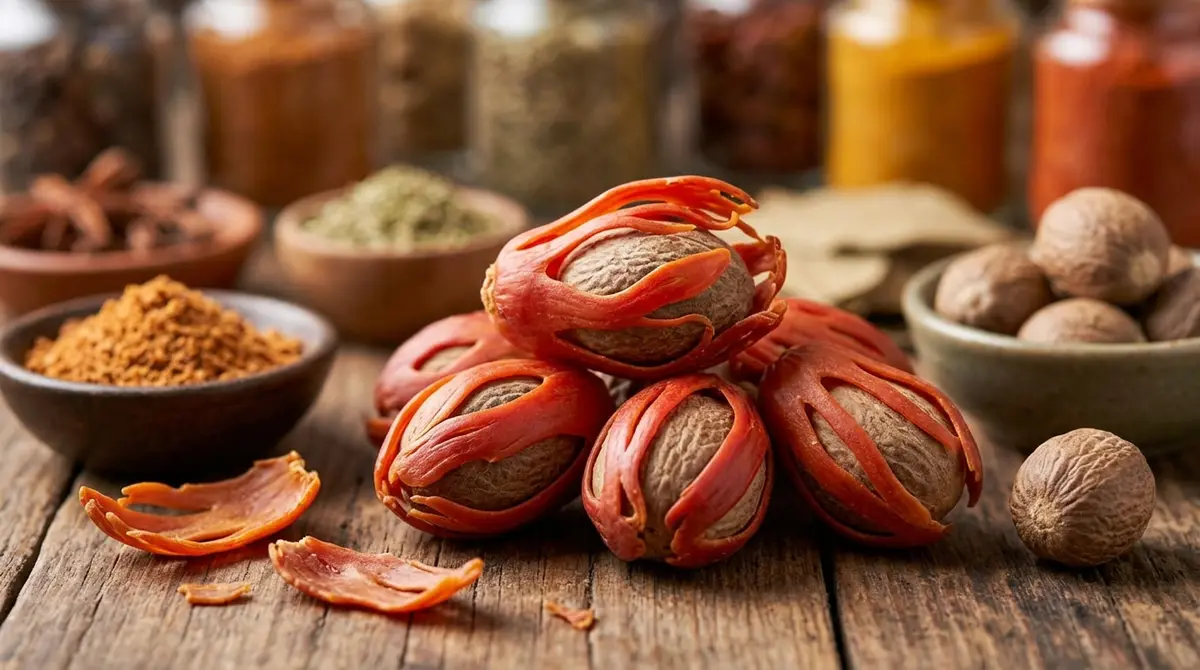
Mace (Nutmeg Husk): Flavor Profile, Health Benefits & Culinary Uses
Mace is nutmeg's refined sibling: the lacy husk that wraps the seed, brighter and more delicate in flavor. Here is when to use blades and ground mace.
About the Authors
This recipe and guide was developed, tested, and approved in our home kitchen and daily life. Jamy is a retired Food Service District Manager and Early Childhood Program Manager who spent his career overseeing multi-site restaurant operations, large-scale culinary production, and daycare menu management. Kaïna brings the ultimate real-world test: making sure it brings ease and joy to our kids on a busy weeknight.
Read more about our professional background and philosophy →