Mace (Nutmeg Husk): Flavor Profile, Health Benefits & Culinary Uses
By the QuiteRecipes team (Jamy & Kaïna)
Mace is nutmeg's refined sibling: the lacy husk that wraps the seed, brighter and more delicate in flavor. Here is when to use blades and ground mace.
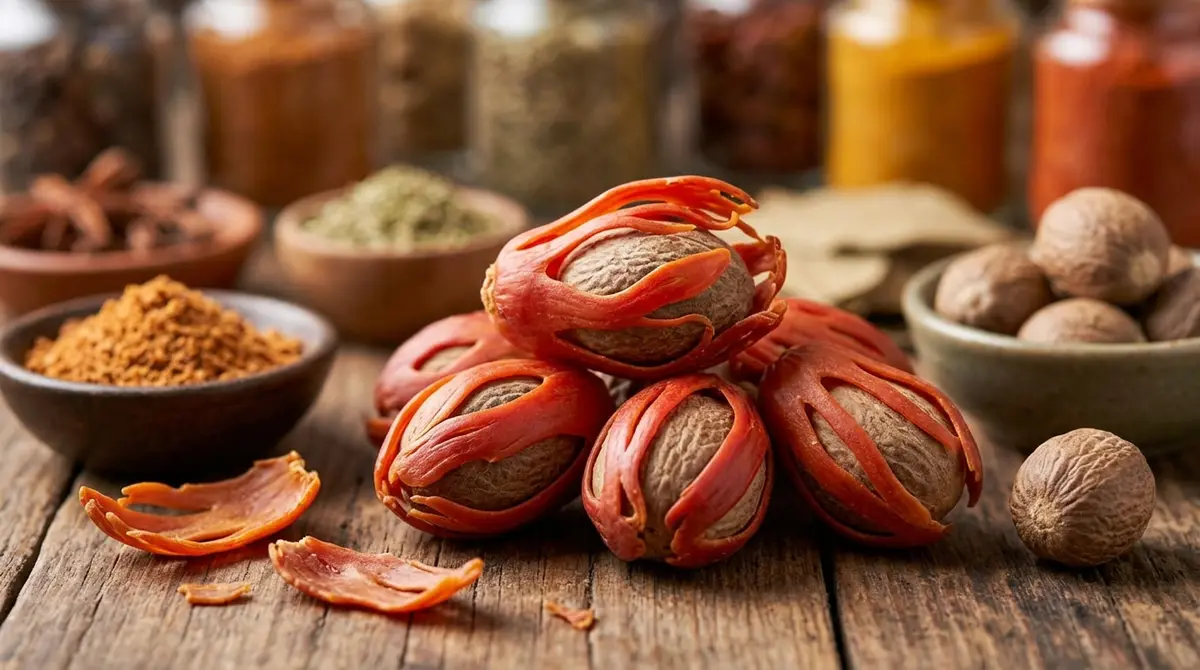
Mace is the spice that hides inside another spice. When a nutmeg fruit ripens, its pale seed is wrapped in a brilliant orange-red lattice of threads called the aril. That lacy covering is dried to become mace — sold whole as flat, reddish-brown "blades" or ground into a warm golden powder. It looks like rust and tastes like nutmeg's more aristocratic cousin.
Because both come from the same fruit, mace smells instantly familiar, but it is softer, sweeter, and more delicate than nutmeg, with a peppery lift. French pastry chefs and old roast recipes reach for it when nutmeg would read too heavy. It is the refinement move, and it is dramatically underappreciated.
Flavor Profile & Notes
Mace tastes warm, sweet, and fruity with nutmeg's piney base turned down and a lighter, almost citrus-peel brightness on top. Its perfume is more elegant than nutmeg's and its heat gentler, which is why it pairs so well with custards and cream — dishes where a bold spice would fight the delicacy. Whole blades keep their aroma far better than the ground powder and can be ground at the moment of use. Golden yellow when ground, mace also adds a faint warm tint to the dishes it touches.
Health Benefits & Nutrition
Mace carries similar compounds to nutmeg, including myristicin, but in lower concentration, which is why it is considered gentler — same family chemistry, less fire per spoon. It brings a modest antioxidant load and a long history in traditional spice blends as a warming digestive. As with nutmeg, the practical advice is calm: use it in the small, aromatic amounts cooking calls for, and there is nothing more to worry about. It is seasoning, not medicine.
Best Culinary Pairings
Mace shines in the cream-and-sugar places where nutmeg works but feels too loud: bechamel for seafood, white sauces, custards, rice pudding, and delicate egg desserts. It stars in mousse au chocolat, where its sweet warmth pulls out the chocolate's fruit. Doughnuts and spice cakes like mace's lighter hand, and old recipes for sausage and forcemeat use it to round out pork. A pinch over poached pears or in a simple pound cake is the quiet way to show off.
Quick Substitutes
Nutmeg is the obvious stand-in, and it is honestly a good one — use slightly less, about three-quarters, to account for its stronger bite. Ground allspice can cover warm-sweet roles in baking, and a pinch of cardamom adds a similar floral finesse to custards. In savory white sauces, a whisper of white pepper plus nutmeg approximates mace's clean warmth. None of them copy the aril's brightness exactly, but they finish the dish gracefully.
FAQ / Quick Facts
- What does mace taste like? Nutmeg's sweet warmth with a lighter, fruiter, more delicate finish and a faint pepper note.
- Whole blades or ground? Blades — they keep their perfume for years and grind fresh with a spice mill or mortar.
- Know your spice: Myristicaceae family; blades or ground; the refined touch for custards, bechamel, and spice cakes.
Related Articles
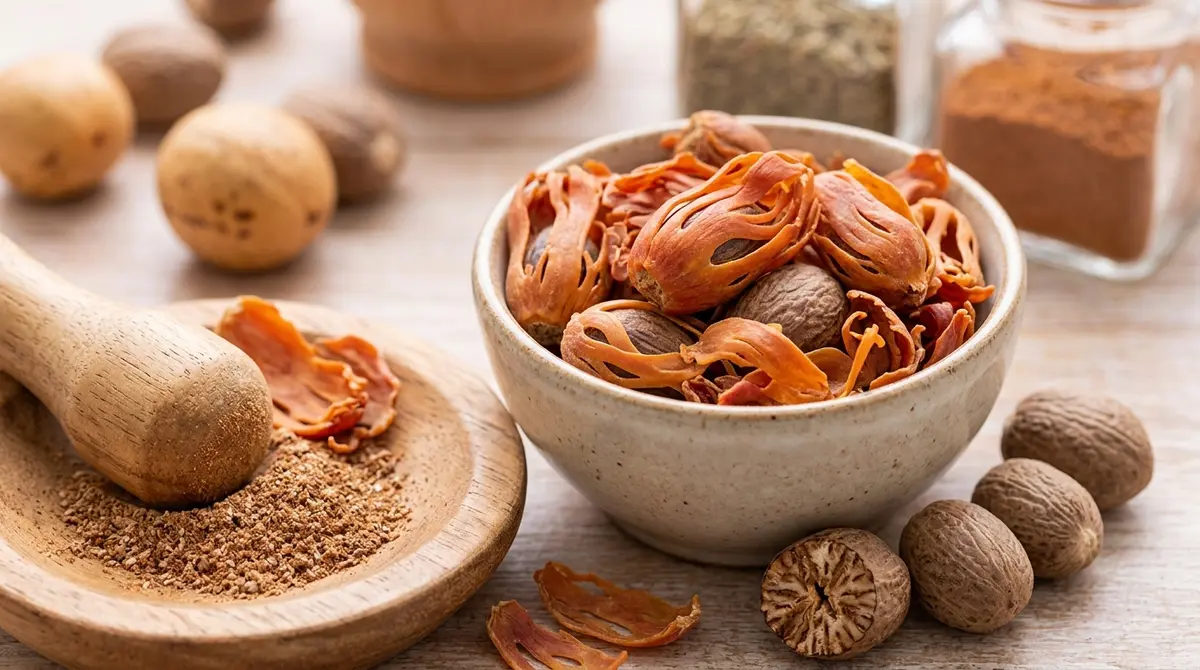
Nutmeg Flower (Mace): Flavor Profile, Health Benefits & Culinary Uses
The red lace that cradles a nutmeg, turns golden and gentle when dried: mace is nutmeg's elegant cousin, and good cooking knows the difference.
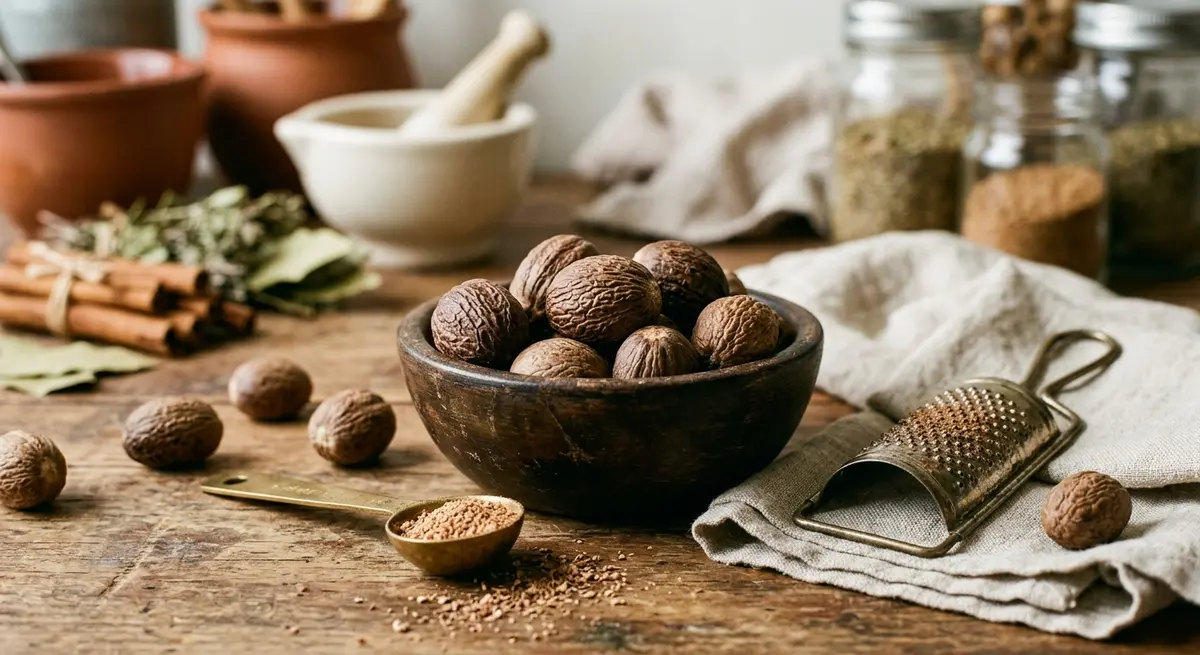
Nutmeg: Flavor Profile, Health Benefits & Culinary Uses
The whole nutmeg grater earns its spot on the shelf. Warm, sweet, and a little piney, it belongs in eggnog and mash alike. Plus the honest large-dose caution.
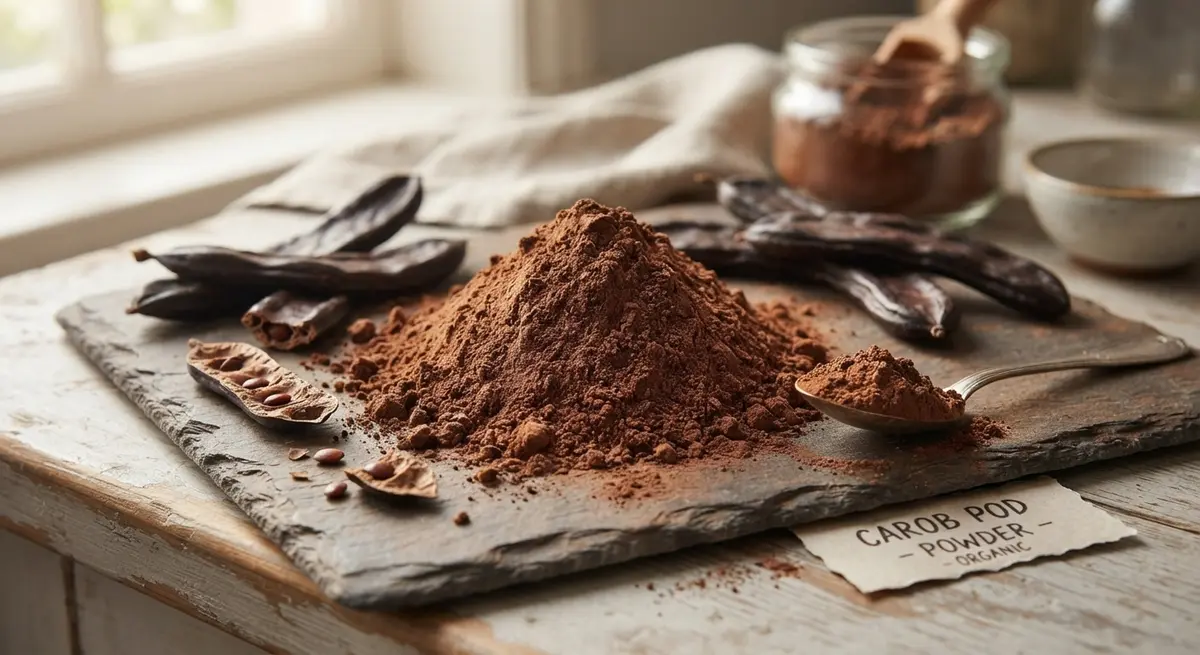
Carob Pod Powder: Flavor Profile, Health Benefits & Culinary Uses
Naturally sweet, caffeine-free carob comes from roasted Mediterranean pods — a toasty, malty brown powder that is not chocolate but deserves a pantry spot anyway.
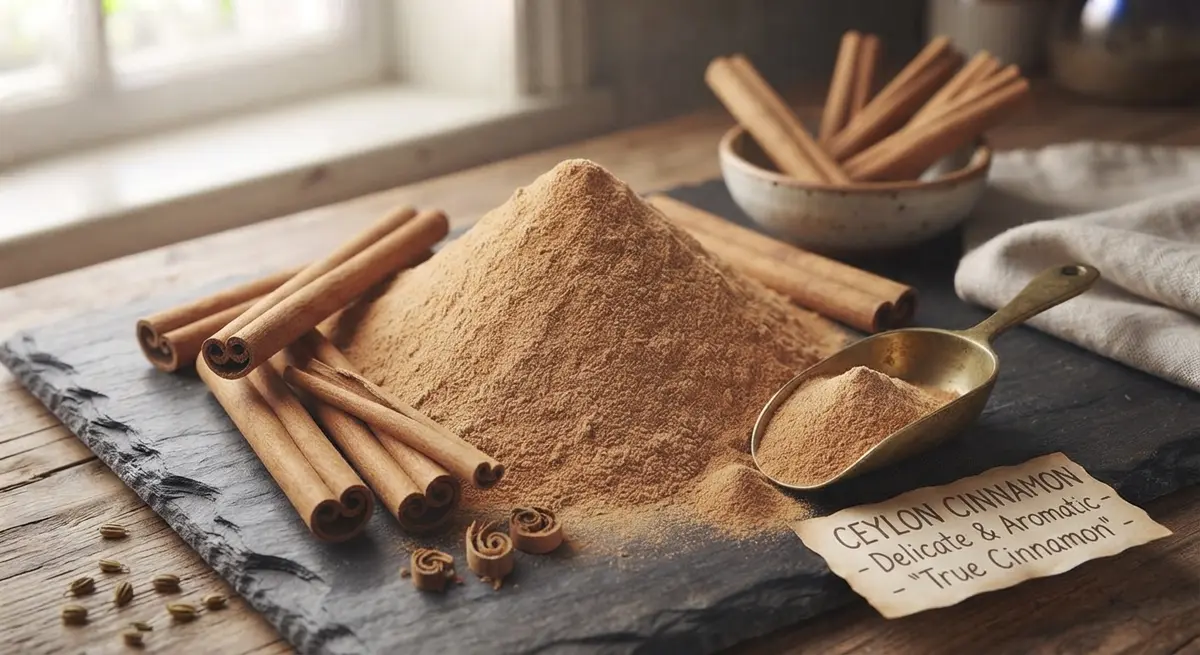
Ceylon Cinnamon: Flavor Profile, Health Benefits & Culinary Uses
Ceylon is the delicate, low-coumarin 'true cinnamon' from Sri Lanka. Here is how to tell it apart, cook with it, and know when it is worth the money.
About the Authors
This recipe and guide was developed, tested, and approved in our home kitchen and daily life. Jamy is a retired Food Service District Manager and Early Childhood Program Manager who spent his career overseeing multi-site restaurant operations, large-scale culinary production, and daycare menu management. Kaïna brings the ultimate real-world test: making sure it brings ease and joy to our kids on a busy weeknight.
Read more about our professional background and philosophy →