Nutmeg Flower (Mace): Flavor Profile, Health Benefits & Culinary Uses
By the QuiteRecipes team (Jamy & Kaïna)
The red lace that cradles a nutmeg, turns golden and gentle when dried: mace is nutmeg's elegant cousin, and good cooking knows the difference.
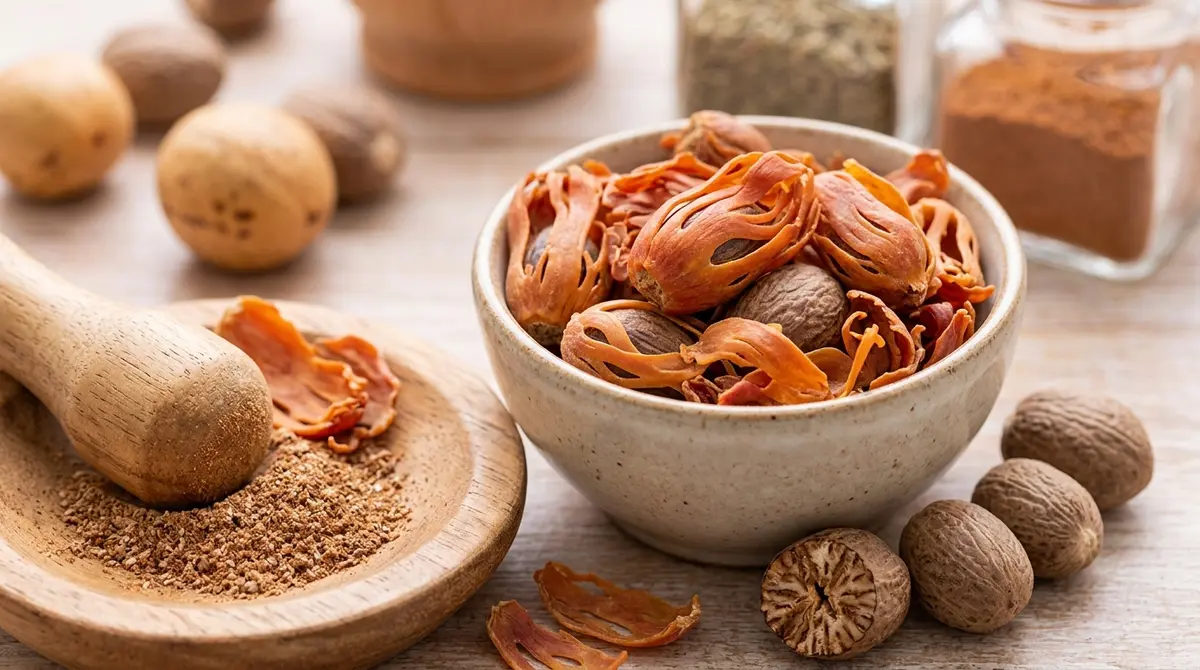
Here is a fact that surprises even longtime cooks: the mace in your spice drawer and the nutmeg next to it come from the same fruit. Nutmeg is the seed inside the tropical fruit of Myristica fragrans; mace — the spice this article is really about, sold as nutmeg flower — is the lacy red aril that wraps around that seed like a second skin. Gently freed from the nut and dried, that vivid red netting fades to warm gold and becomes one of the most quietly elegant spices in the drawer. Nutmeg and mace smell like siblings, which they are; mace is simply the softer, more perfumed one.
Flavor Profile & Notes
Mace tastes like nutmeg's essence with the volume lowered and the perfume lifted. Where nutmeg is dense, warm, and a little woody, mace is delicate, sweeter, and more floral, with a focused, eucalyptus-tinged warmth that fades cleanly rather than lingering. Half the reason it survived as a spice at all is that it gives richness without heaviness — you can use twice the mace in a custard before it shouts. The blades keep this character for years; the ground powder is convenient but fades faster. Either way, the rule stands: a little is a lot, and a lot is too much.
Health Benefits & Nutrition
Mace carries the same beneficial oils as its nutmeg sibling — compounds like myristicin feature in the warming aromatic profile behind centuries of traditional use for digestion and for cozy winter tonics. The honest part deserves equal space: nutmeg-family spices are fragrant at seasoning doses and unwise at big doses. Large quantities of myristicin are genuinely not safe, so mace and nutmeg belong in pinches, the way your grandmother used them. As seasoning, they add aroma and a trace of minerals, nothing more — which is exactly how to think of them.
Best Culinary Pairings
Curries were mace's first love: it belongs in garam masala and certain Indian dishes, where its perfume softens hot chilies. It is a marvel in creamy foods — béchamel, quiche, scalloped potatoes — where a few scrapes lift milk and butter into something elegant. Use it in custards, rice puddings, and fruit desserts that would be all sweetness without it. It has an honorable place in mulled wine and winter squash soup, and it pairs naturally with cardamom, black pepper, clove, and nutmeg itself. The classic secret: a scrape of mace into macaroni or mashed potatoes makes people ask what you did.
Quick Substitutes
Ground nutmeg substitutes for mace fairly well, used at about half to two-thirds the amount, though you give up some floral brightness. A pinch of cinnamon or allspice covers sweet applications acceptably. Whole mace blades are the spruce version for soups and custards, steeped and removed. Truthfully, for recipes built around mace's perfume — certain Indian curries, a notable line of European desserts — the substitutes make something nice but not the same.
FAQ / Quick Facts
- How long does it keep? Whole blades stay fragrant for two years or more; ground mace fades after about a year.
- What does it taste like? Nutmeg's perfume, softer and more floral — delicately warm, sweet, and clean.
- Form / Best uses: Whole golden blades or ground; for curries, custards, cream sauces, and winter squash.
Related Articles
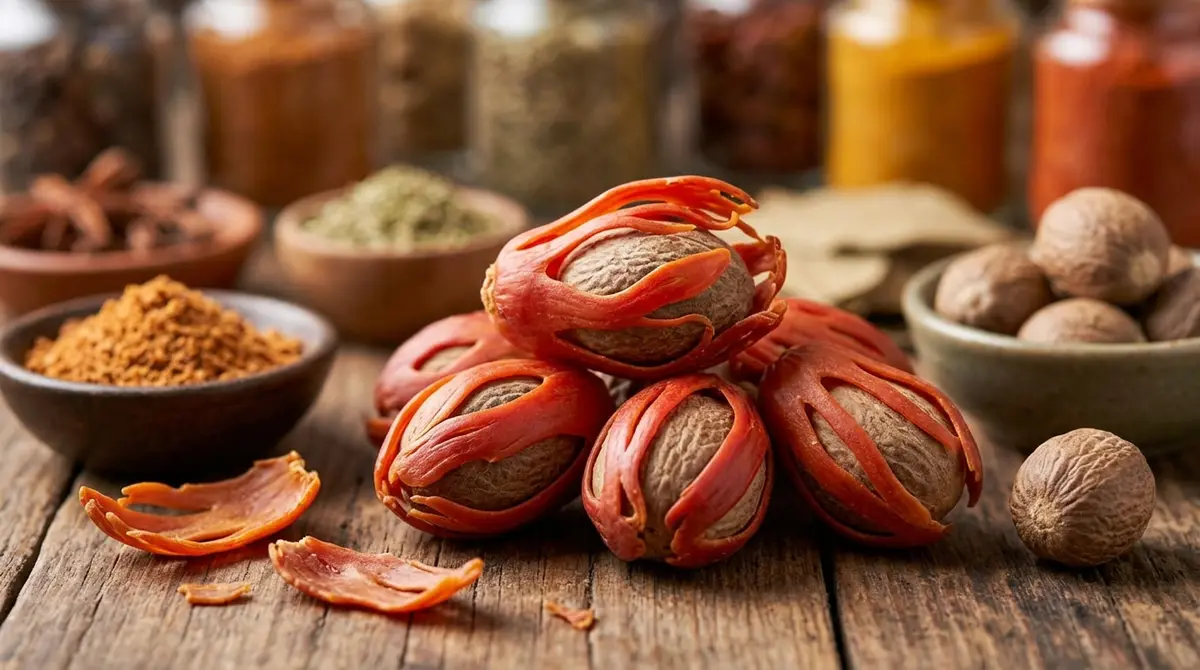
Mace (Nutmeg Husk): Flavor Profile, Health Benefits & Culinary Uses
Mace is nutmeg's refined sibling: the lacy husk that wraps the seed, brighter and more delicate in flavor. Here is when to use blades and ground mace.
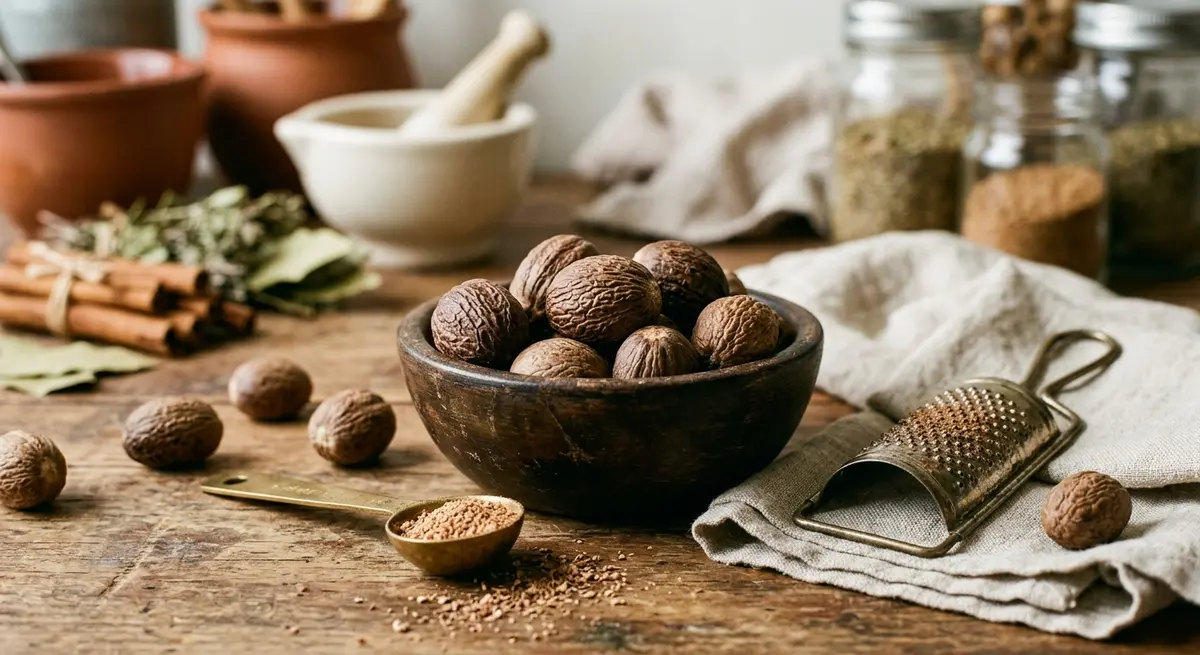
Nutmeg: Flavor Profile, Health Benefits & Culinary Uses
The whole nutmeg grater earns its spot on the shelf. Warm, sweet, and a little piney, it belongs in eggnog and mash alike. Plus the honest large-dose caution.
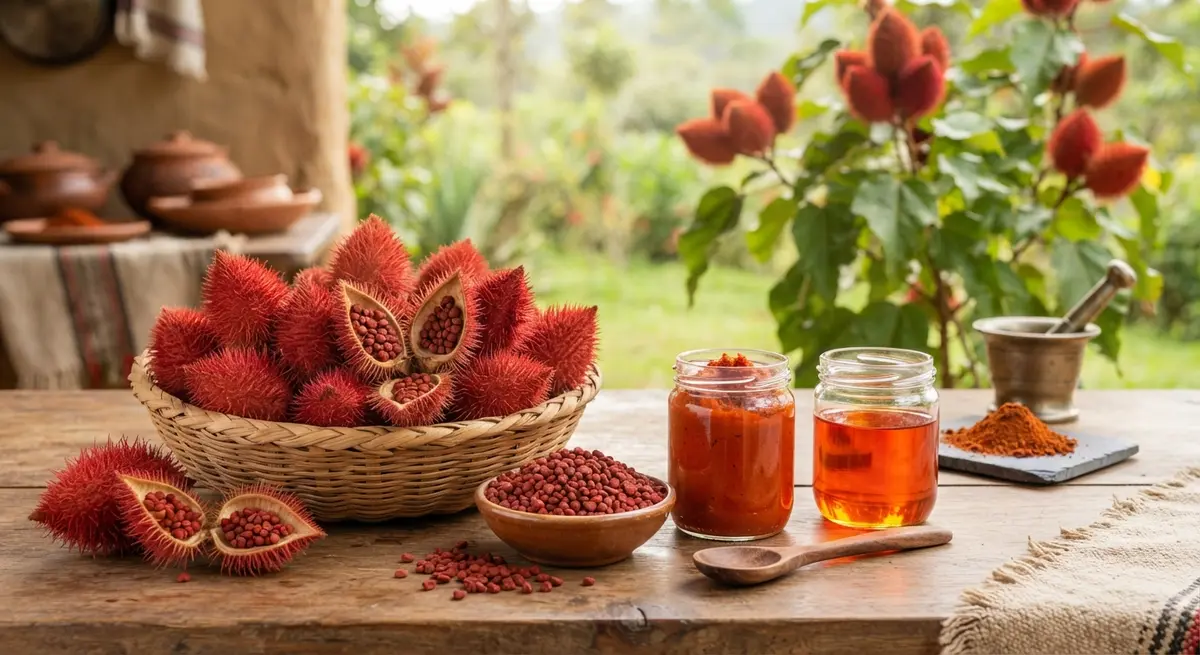
Achiote (Annatto): Flavor Profile, Health Benefits & Culinary Uses
Tiny coral-red seeds that paint food golden: the annatto tree's achiote, how to use the seeds and the Yucatan paste, and honest color substitutes.
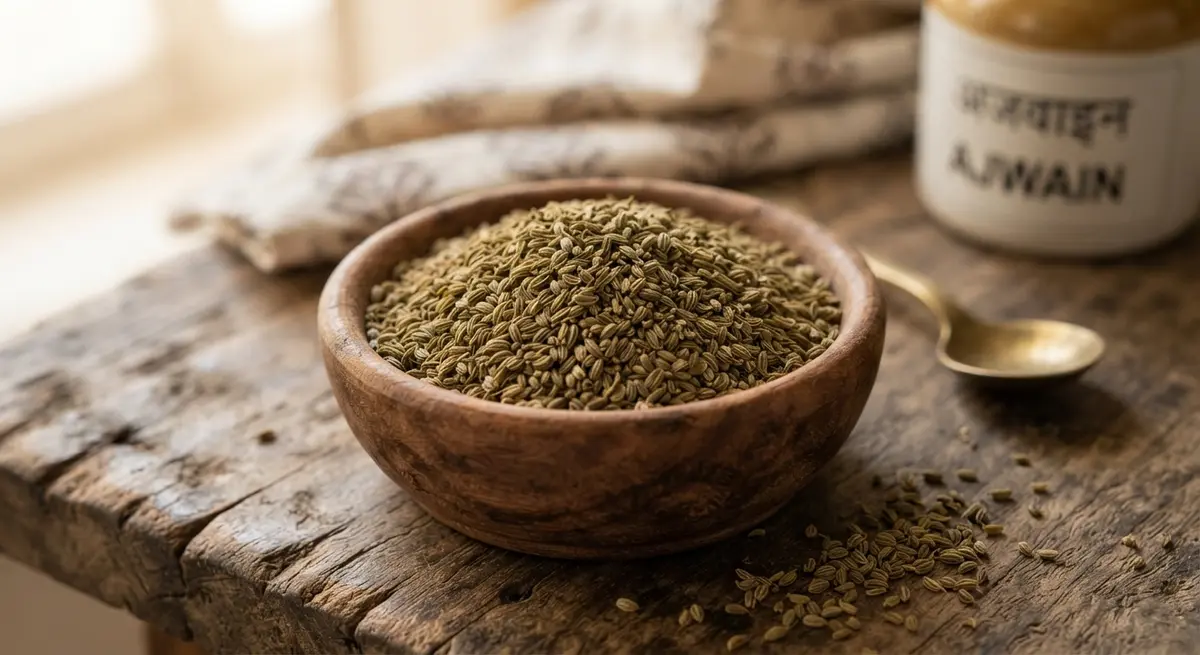
Ajwain (Carom) Seeds: Flavor Profile, Health Benefits & Culinary Uses
A tiny gray-brown seed that tastes like thyme, oregano, and cumin had a baby with a timer fuse. Here is how and why Indian kitchens use ajwain.
About the Authors
This recipe and guide was developed, tested, and approved in our home kitchen and daily life. Jamy is a retired Food Service District Manager and Early Childhood Program Manager who spent his career overseeing multi-site restaurant operations, large-scale culinary production, and daycare menu management. Kaïna brings the ultimate real-world test: making sure it brings ease and joy to our kids on a busy weeknight.
Read more about our professional background and philosophy →