Nutmeg: Flavor Profile, Health Benefits & Culinary Uses
By the QuiteRecipes team (Jamy & Kaïna)
The whole nutmeg grater earns its spot on the shelf. Warm, sweet, and a little piney, it belongs in eggnog and mash alike. Plus the honest large-dose caution.
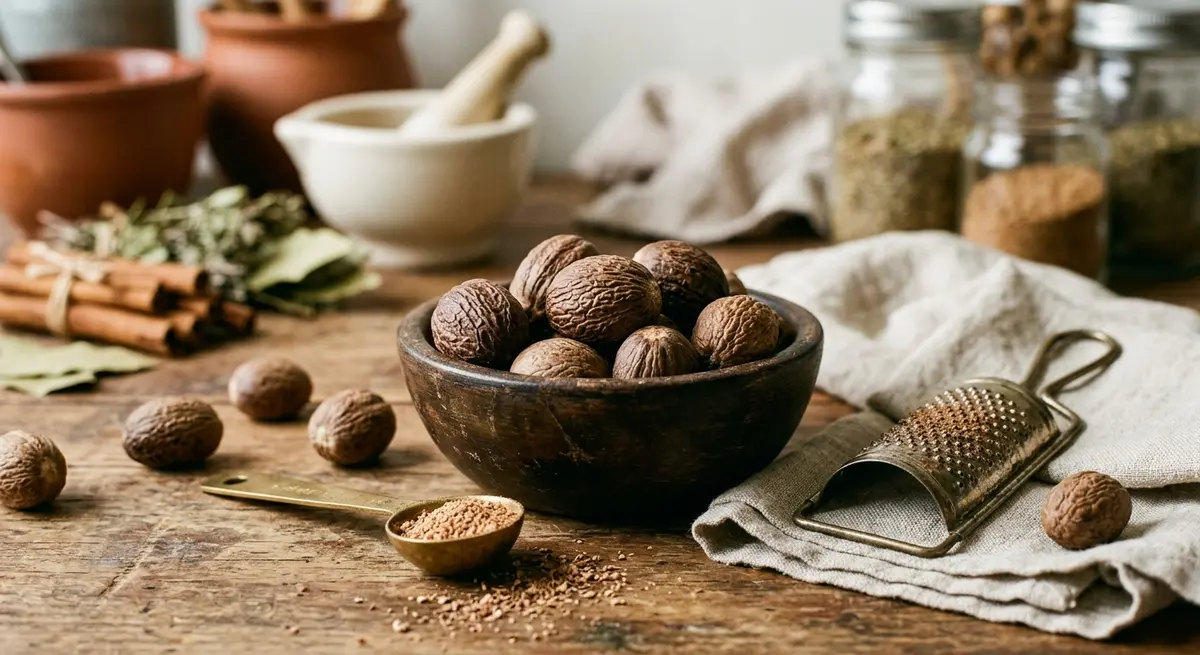
Nutmeg is easy to underestimate because of how we meet it: pale dust from a tired jar, sprinkled once a year into pumpkin pie. Meet its real self and you will understand the hype. Nutmeg is the seed of a tropical tree, Myristica fragrans, native to Indonesia's Banda Islands — the spice islands. The fruit around the seed dries into a lacy red covering we call mace, which we cover in another guide. Both halves of the same fruit earn their royalty.
Inside that brown seed sits a warm, sweet, piney perfume that makes eggnog taste like a holiday and mashed potatoes taste like a four-star restaurant. It deserves fresh grating, because the whole nut holds everything the powder lost.
Flavor Profile & Notes
Nutmeg tastes sweet, warm, and nutty with a soft, woody, ever-so-slightly camphor note that lifts cream and custard rather than overpowers it. It is best in small, fragrant doses. This is one of the rare spices where you should absolutely grate from the whole nut at the moment of use — a microplane over the dish releases oils that bottled ground nutmeg never had. Grated nutmeg is delicate and loses its magic in weeks; the whole nut keeps for years and grates happily as you need it.
Health Benefits & Nutrition
Interesting things, handled honestly: nutmeg carries antioxidants and has a long traditional history as a digestive aid. It also contains a compound called myristicin, and in genuinely large amounts — several whole seeds or a large spoonful of powder at once — that compound can cause nausea, headaches, dizziness, and a span of unpleasant symptoms. Nothing in normal cooking gets anywhere near this; a pinch or two is where it safely belongs. If you are pregnant, keep nutmeg to ordinary cooking amounts and mostly grate-from-whole. Good spice, big dose, different story.
Best Culinary Pairings
Nutmeg's headline roles are eggnog and pumpkin pie, but its best everyday work is savory: grate it into mashed potatoes, bechamel sauce, spinach, squash soup, and mac and cheese. A whisper in French toast batter or rice pudding, a dusting over baked apples, and a pinch in sausage or meatballs builds warmth no other spice reaches. It pairs flawlessly with milk and cream, which is why nearly every creamy classic — from potato gratin to hot chocolate — has a nutmeg-shaped hole in it.
Quick Substitutes
Mace is the closest thing going — the same fruit's outer covering, so it swaps in nearly 1:1 with a slightly more delicate, peppery finish. Ground allspice covers the warm-sweet ground in baking with a pinch of clove added for depth. Cinnamon or ginger can fill pie-spice roles but lose nutmeg's woody creaminess. Whatever you reach for, add slowly and taste, because every warm spice overdoes faster than you expect.
FAQ / Quick Facts
- Should I buy whole or ground? Whole, and grate on a microplane with your eyes closed; the jarred powder fades within weeks.
- Can I eat a lot of nutmeg? No — very large amounts cause real symptoms. In cooking amounts, a pinch, it is safe and delicious.
- Know your spice: Myristicaceae family; whole seed or ground; the warm soul of eggnog, bechamel, and holiday baking.
Related Articles
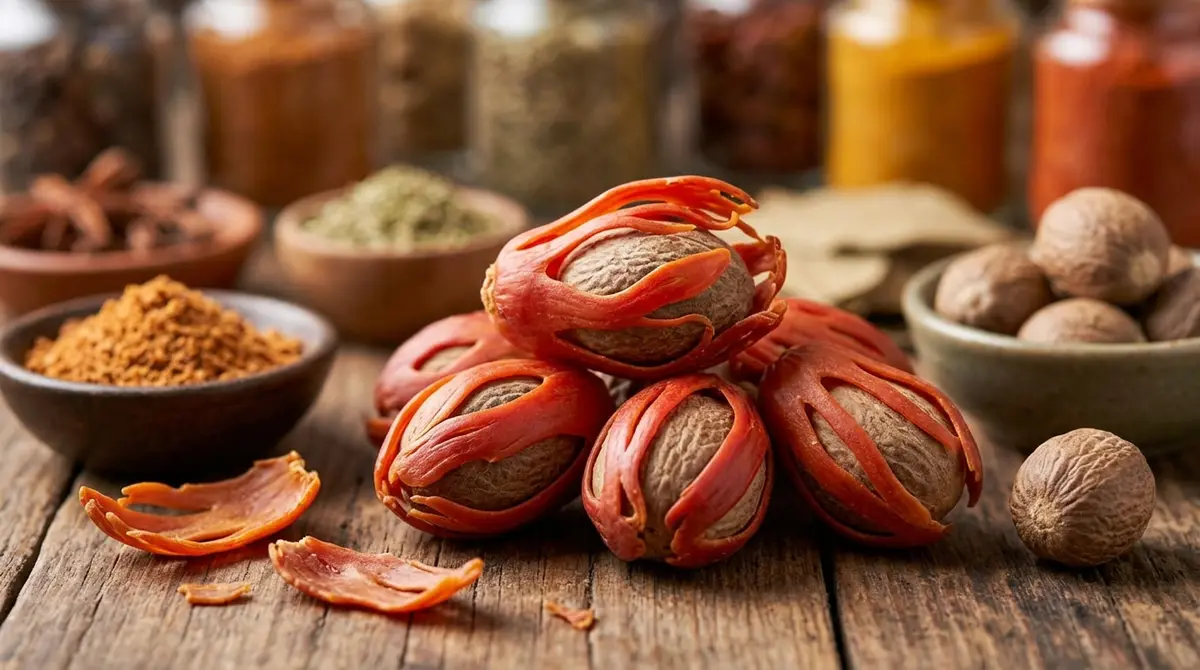
Mace (Nutmeg Husk): Flavor Profile, Health Benefits & Culinary Uses
Mace is nutmeg's refined sibling: the lacy husk that wraps the seed, brighter and more delicate in flavor. Here is when to use blades and ground mace.
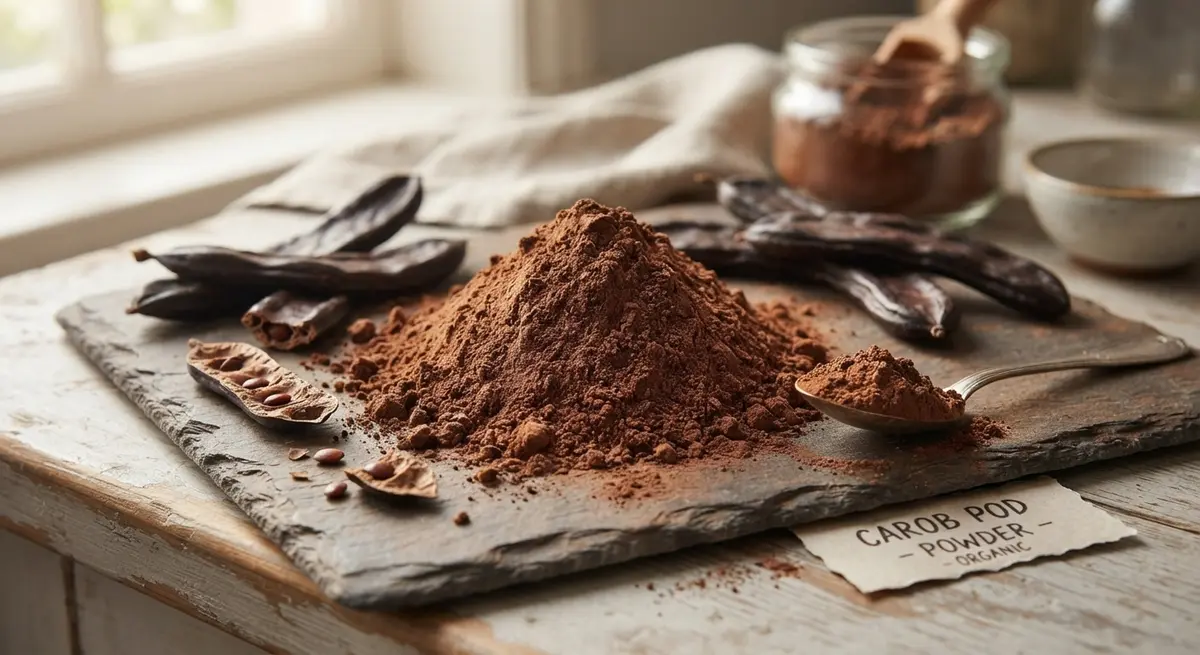
Carob Pod Powder: Flavor Profile, Health Benefits & Culinary Uses
Naturally sweet, caffeine-free carob comes from roasted Mediterranean pods — a toasty, malty brown powder that is not chocolate but deserves a pantry spot anyway.
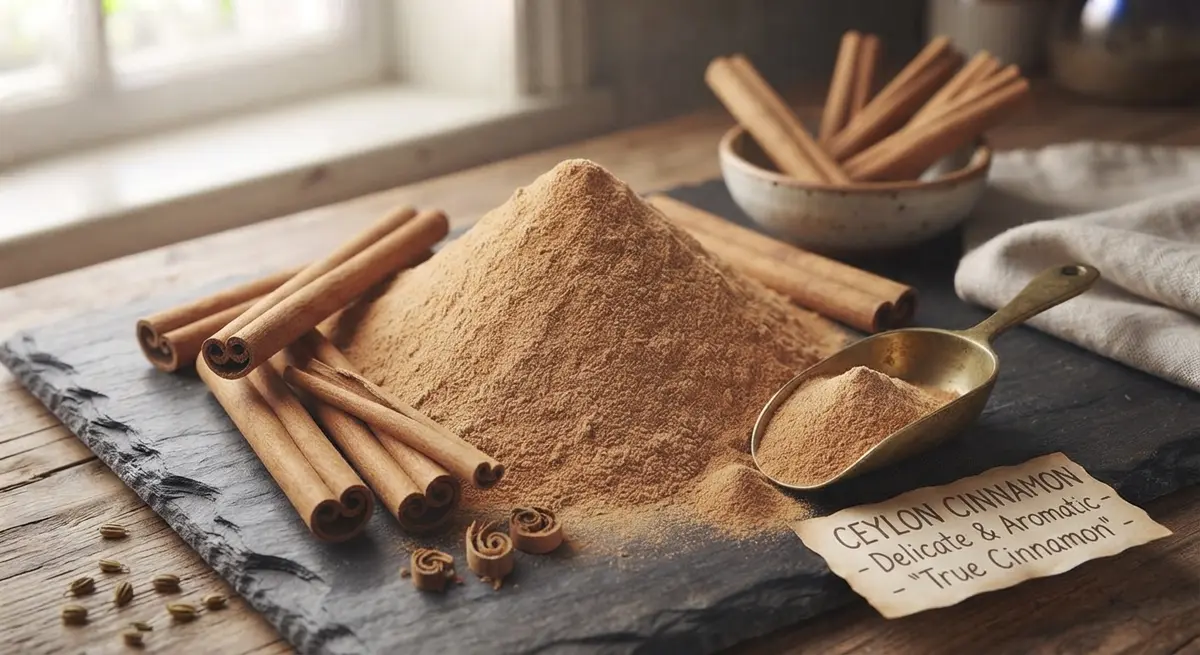
Ceylon Cinnamon: Flavor Profile, Health Benefits & Culinary Uses
Ceylon is the delicate, low-coumarin 'true cinnamon' from Sri Lanka. Here is how to tell it apart, cook with it, and know when it is worth the money.
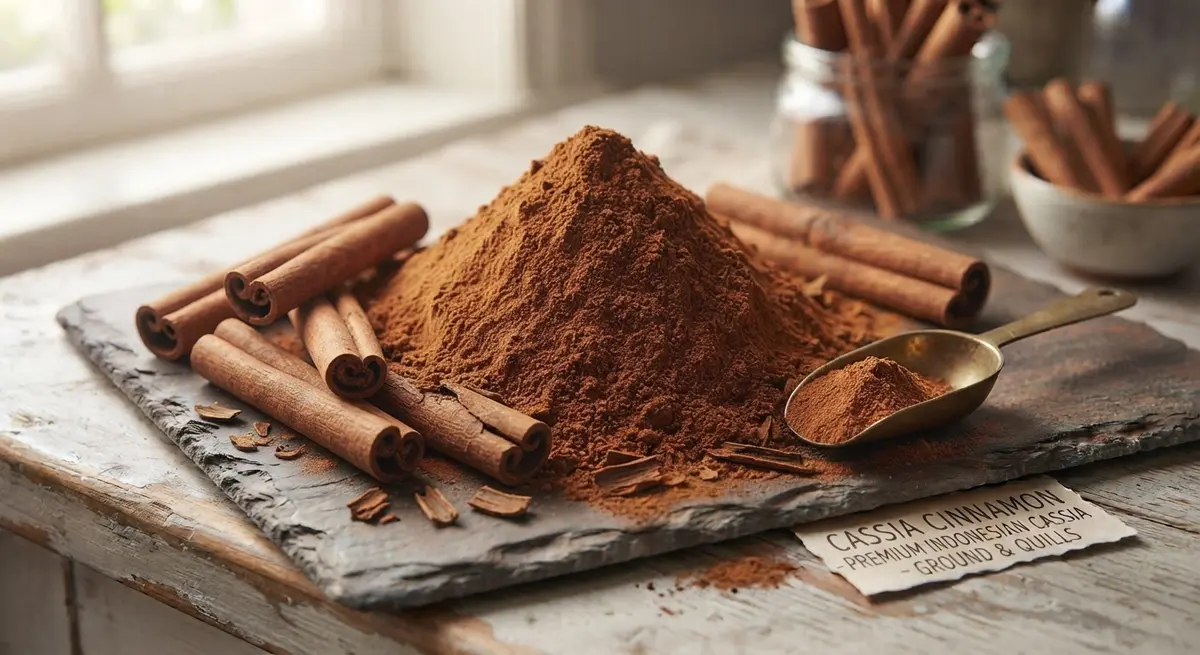
Chinese Cassia Cinnamon: Flavor Profile, Health Benefits & Culinary Uses
The tall, dark, strongly spicy jar on American shelves is usually cassia, not true cinnamon. Here is its flavor, best uses, and the honest coumarin facts.
About the Authors
This recipe and guide was developed, tested, and approved in our home kitchen and daily life. Jamy is a retired Food Service District Manager and Early Childhood Program Manager who spent his career overseeing multi-site restaurant operations, large-scale culinary production, and daycare menu management. Kaïna brings the ultimate real-world test: making sure it brings ease and joy to our kids on a busy weeknight.
Read more about our professional background and philosophy →