Chinese Cassia Cinnamon: Flavor Profile, Health Benefits & Culinary Uses
By the QuiteRecipes team (Jamy & Kaïna)
The tall, dark, strongly spicy jar on American shelves is usually cassia, not true cinnamon. Here is its flavor, best uses, and the honest coumarin facts.
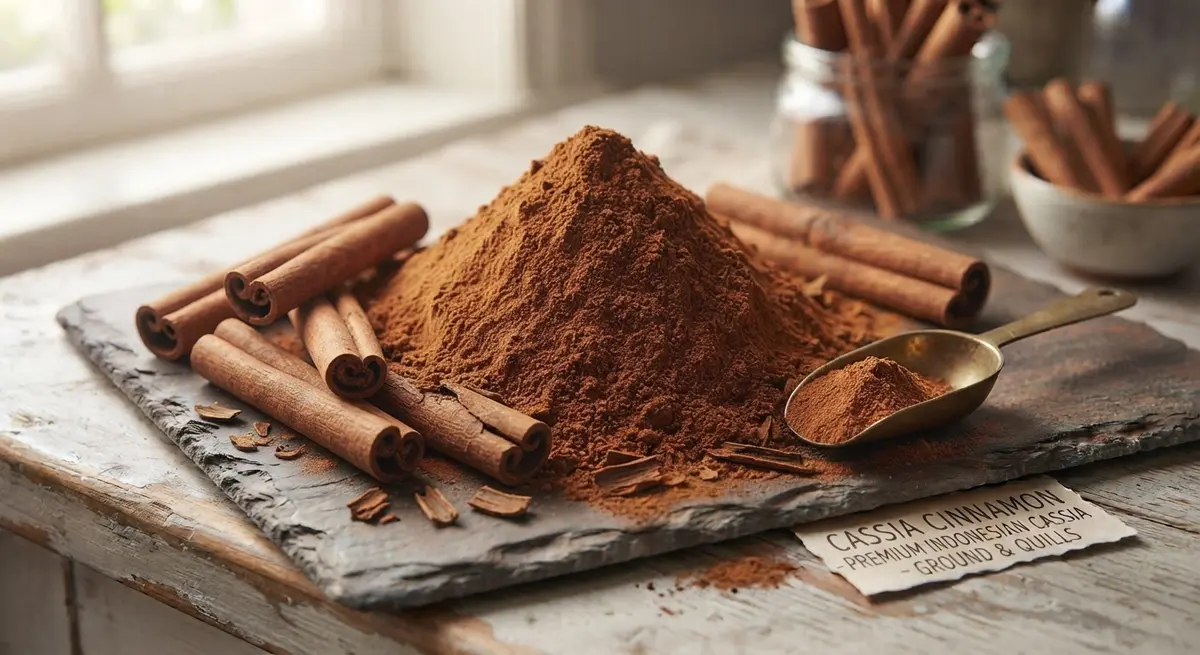
Here is a surprise most people carry for decades without knowing it: the "cinnamon" in the average American spice cabinet is not the same tree as true Ceylon cinnamon. It is cassia — Cinnamomum cassia, grown in China and Vietnam — a taller, faster-growing relative with thick, dark bark that rolls into hard double quills. It dominates American shelves because it is cheaper, sturdier, and louder.
That loudness is not a flaw. Cassia is strong, sweet, and spicy in a way that stands up to baking and bold savory food. The real question is simply knowing which jar you have, because the two are not interchangeable at equal spoon counts.
Flavor Profile & Notes
Cassia tastes like cinnamon turned up: intense, spicy, and slightly bittersweet, with a bold punch that survives high heat and long braises. Side by side with Ceylon, cassia smells sharper and cheaper, almost woody, while the delicate Ceylon reads faint by comparison. If you love the fierce cinnamon flavor in spice cake and cinnamon rolls, you are probably enjoying cassia already. Use less than you would with Ceylon and let the food decide.
Health Benefits & Nutrition
Both cinnamons are antioxidant-rich and, in everyday sprinkles, harmless. The reason the question comes up is coumarin: cassia contains noticeably more of it than Ceylon, and very large, regular doses of coumarin can be hard on the liver. The honest version of the advice is this — if cinnamon is a once-in-a-while pinch in baking, cassia is a non-issue. If you add a spoonful to oatmeal, tea, or smoothies every single day, switch to Ceylon for peace of mind.
Best Culinary Pairings
Cassia is the brawny choice for baking where you want the cinnamon to announce itself: cinnamon rolls, spice cake, snickerdoodles, and apple pie. In savory cooking it is spectacular too — a stick simmered in pho broth, braised pork, or Indian curries, a pinch in Moroccan tagines, and one of the five voices in Chinese five-spice powder. Mulled cider and hot-buttered rum both lean on the stick form. Whole sticks keep for years and re-grind surprisingly well.
Quick Substitutes
Ceylon is the nearest swap but milder, so use about a third more. If only cinnamon-flavored comfort matters, a pinch of ground allspice or nutmeg mixed with the recipe's other spices will cover semi-honestly. For savory dishes, a small piece of star anise brings the sweet-spice depth but adds licorice. In every case, taste and adjust sugar, since cassia is the one carrying the most inherent sweetness.
FAQ / Quick Facts
- Is cassia safe? In normal food amounts, yes; daily spoonfuls are when the coumarin content becomes worth questioning.
- How do I tell it from Ceylon? Cassia is thick, dark, and hard to crush; Ceylon peels in thin, papery, light layers.
- Know your spice: Lauraceae family; sticks and ground; the cinnamon of Chinese five-spice, pho, and most American baking.
Related Articles
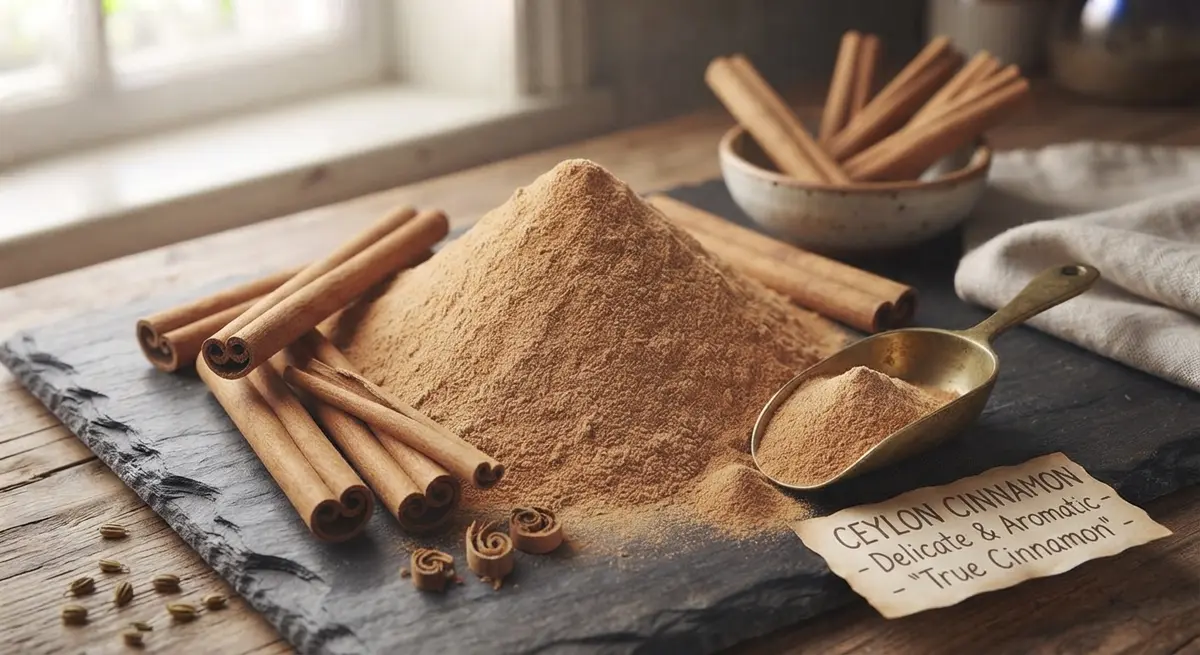
Ceylon Cinnamon: Flavor Profile, Health Benefits & Culinary Uses
Ceylon is the delicate, low-coumarin 'true cinnamon' from Sri Lanka. Here is how to tell it apart, cook with it, and know when it is worth the money.
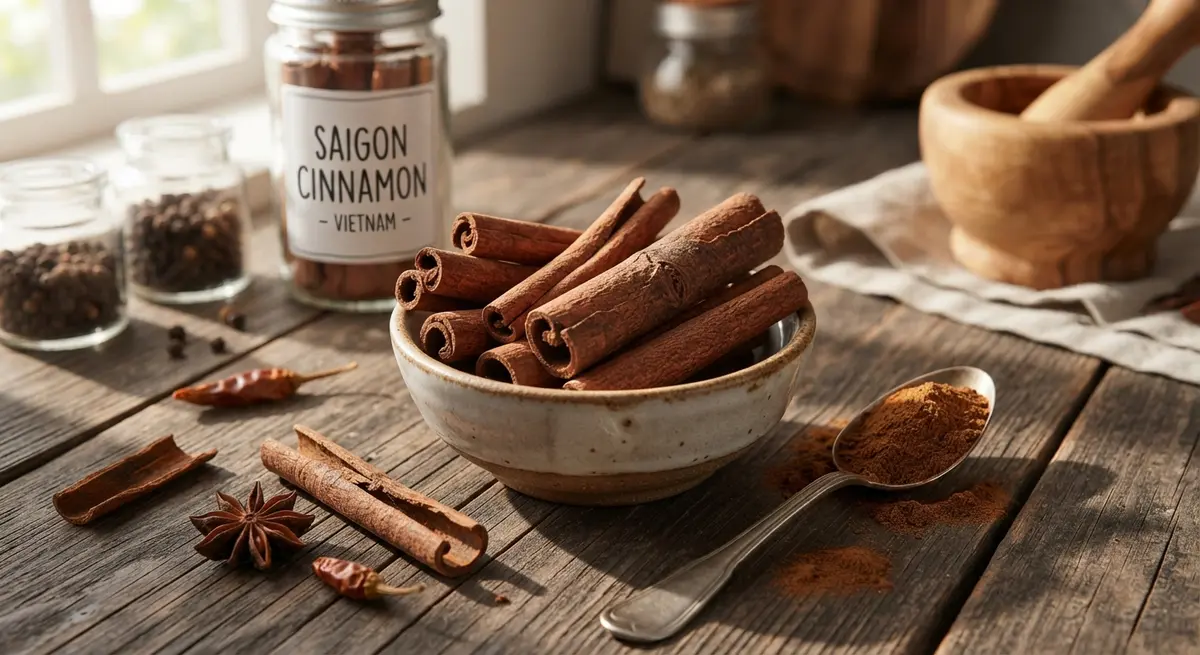
Saigon Cinnamon: Flavor Profile, Health Benefits & Culinary Uses
The cowboy of cinnamons — hot, sweet, and dramatically aromatic straight out of Vietnam. Why Saigon cinnamon behaves differently and how to use it well.
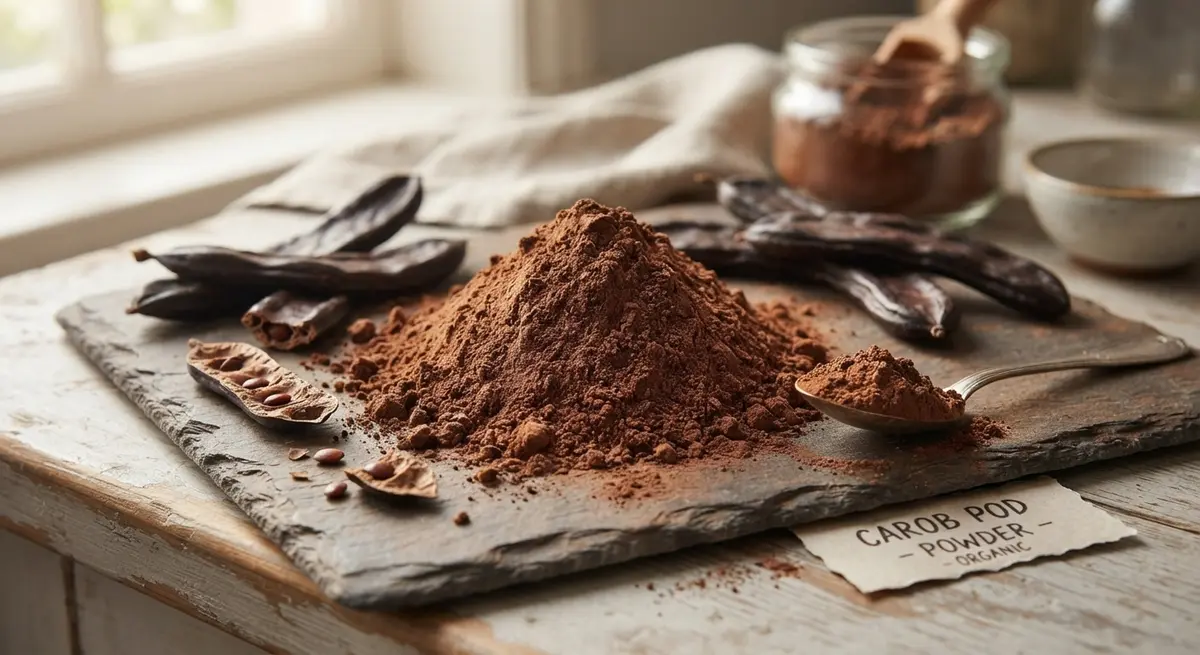
Carob Pod Powder: Flavor Profile, Health Benefits & Culinary Uses
Naturally sweet, caffeine-free carob comes from roasted Mediterranean pods — a toasty, malty brown powder that is not chocolate but deserves a pantry spot anyway.
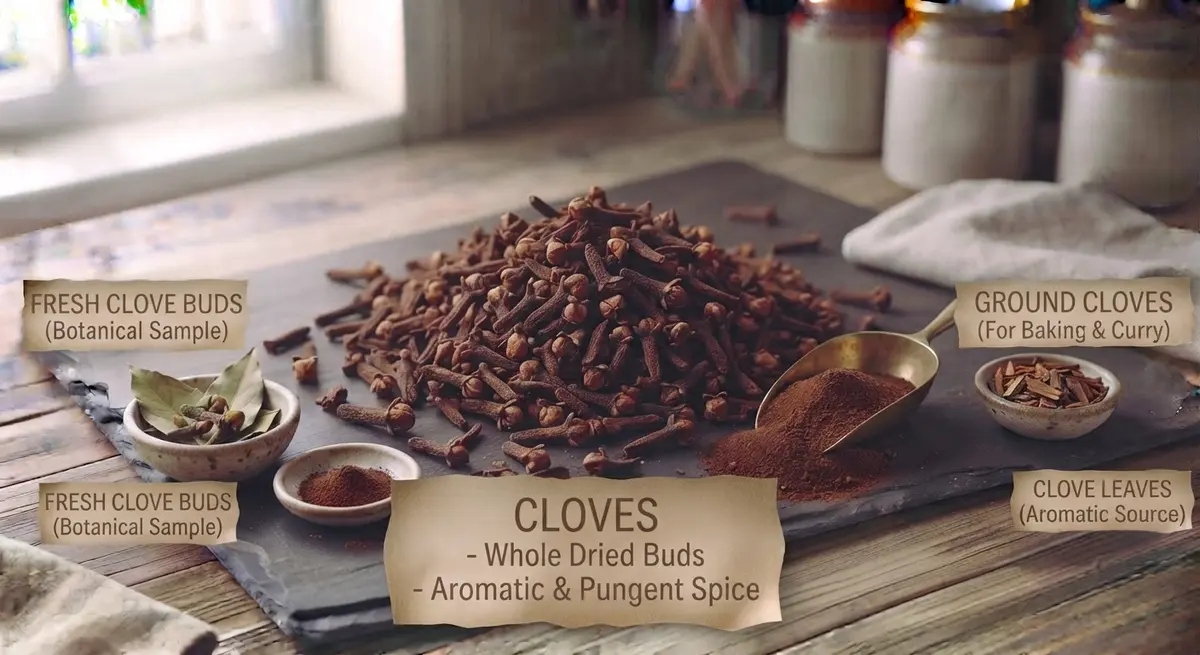
Cloves: Flavor Profile, Health Benefits & Culinary Uses
Those little nails in the jar are dried flower buds, and their eugenol content means a little goes a long way. Here is where cloves belong and what they replace.
About the Authors
This recipe and guide was developed, tested, and approved in our home kitchen and daily life. Jamy is a retired Food Service District Manager and Early Childhood Program Manager who spent his career overseeing multi-site restaurant operations, large-scale culinary production, and daycare menu management. Kaïna brings the ultimate real-world test: making sure it brings ease and joy to our kids on a busy weeknight.
Read more about our professional background and philosophy →