Ceylon Cinnamon: Flavor Profile, Health Benefits & Culinary Uses
By the QuiteRecipes team (Jamy & Kaïna)
Ceylon is the delicate, low-coumarin 'true cinnamon' from Sri Lanka. Here is how to tell it apart, cook with it, and know when it is worth the money.
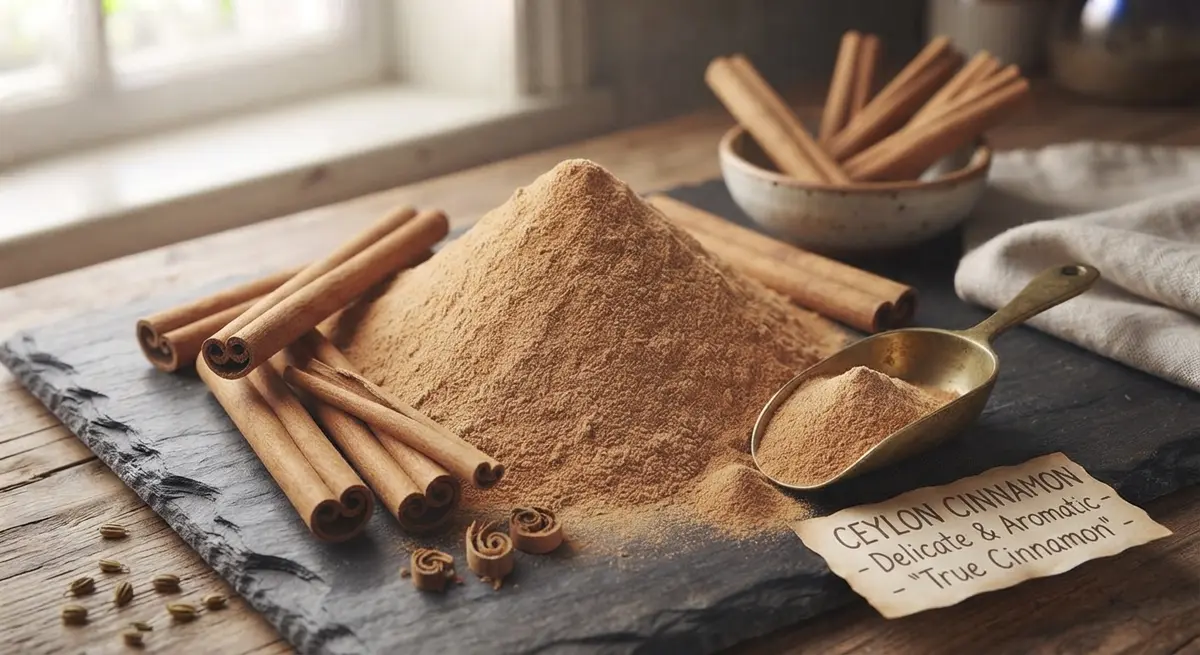
When spice writers call Ceylon "true cinnamon," they mean it historically: this is the cinnamon that shaped the spice trade, grown on the trees botanically named Cinnamomum verum — verum being Latin for "true." Ceylon comes from Sri Lanka, and its bark grows in such thin, delicate layers that it peels away like soft paper and curls into the loose, light, neatly stacked quills you see labeled "Ceylon" in better stores.
It tastes gentler and costs more. That is not a rip-off — you are paying for a different, more refined cinnamon, and for anyone who uses cinnamon daily, that difference has a quiet health payoff as well.
Flavor Profile & Notes
Ceylon is sweet, floral, and almost citrusy, with a delicate warmth that suggests cinnamon instead of announcing it. Where cassia punches, Ceylon whispers — a nuance that makes it the favorite of pastry chefs who want cinnamon to float through a dessert rather than dominate. The bark is brittle and easily crushed into powder with your fingers, a handy real-world test, since cassia's hard sticks resist. Ground Ceylon loses its subtlety faster than the sturdy cassia, so buy small and use it up.
Health Benefits & Nutrition
The health claim attached to Ceylon is not that it is more nutritious but that it is cleaner: it contains very little of the coumarin that cassia carries in larger amounts. Coumarin is harmless in ordinary sprinkles, but if you spoon cinnamon into coffee, tea, oatmeal, or smoothies every day, Ceylon is the lower-coumarin long-term choice. Both cinnamons are antioxidant-rich. As always, cinnamon is a seasoning, not a supplement — enjoy it as food.
Best Culinary Pairings
Ceylon is built for gentleness: dust it over rice pudding, custard, poached pears, and French toast, where cassia would bully. Coffee culture loves it — a light grind over cappuccino or stirred into a slow-brewed turmeric–cinnamon latte. It shines in delicate baked goods like sugar cookies and pound cake, and a stick simmered in milk or cream for rice pudding or hot chocolate adds sweetness without heat-spice. Save cassia for fierce spice cake and savory braises; keep Ceylon for the places cinnamon should suggest rather than shout.
Quick Substitutes
Cassia is the pantry stand-in, but it is noticeably stronger, so start at about two-thirds of the amount and taste. If you need Ceylon's mild sweetness without any bark, a pinch of ground cardamom or a scrape of vanilla adds its own warmth. Mace, with its peppery-sweet perfume, can live in delicate desserts as a surprise guest. In every swap, add less and adjust sweeteners, because you are leaving some of the gentle sweetness behind.
FAQ / Quick Facts
- Is Ceylon cinnamon safe daily? Its coumarin is low, which is why daily users are often pointed here.
- How do the two compare in taste? Ceylon: sweet, floral, delicate. Cassia: bold, spicy, sharp. Half a spoon tells you instantly.
- Know your spice: Lauraceae family; thin quills and ground; the refined choice for delicate sweets and coffee.
Related Articles
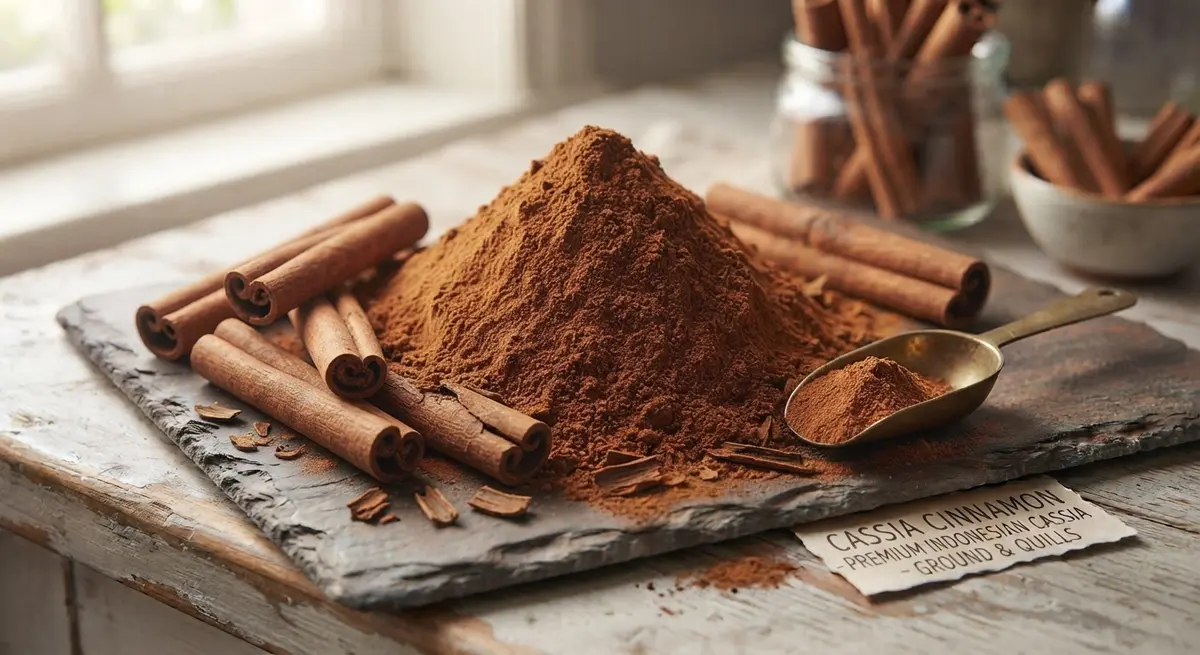
Chinese Cassia Cinnamon: Flavor Profile, Health Benefits & Culinary Uses
The tall, dark, strongly spicy jar on American shelves is usually cassia, not true cinnamon. Here is its flavor, best uses, and the honest coumarin facts.
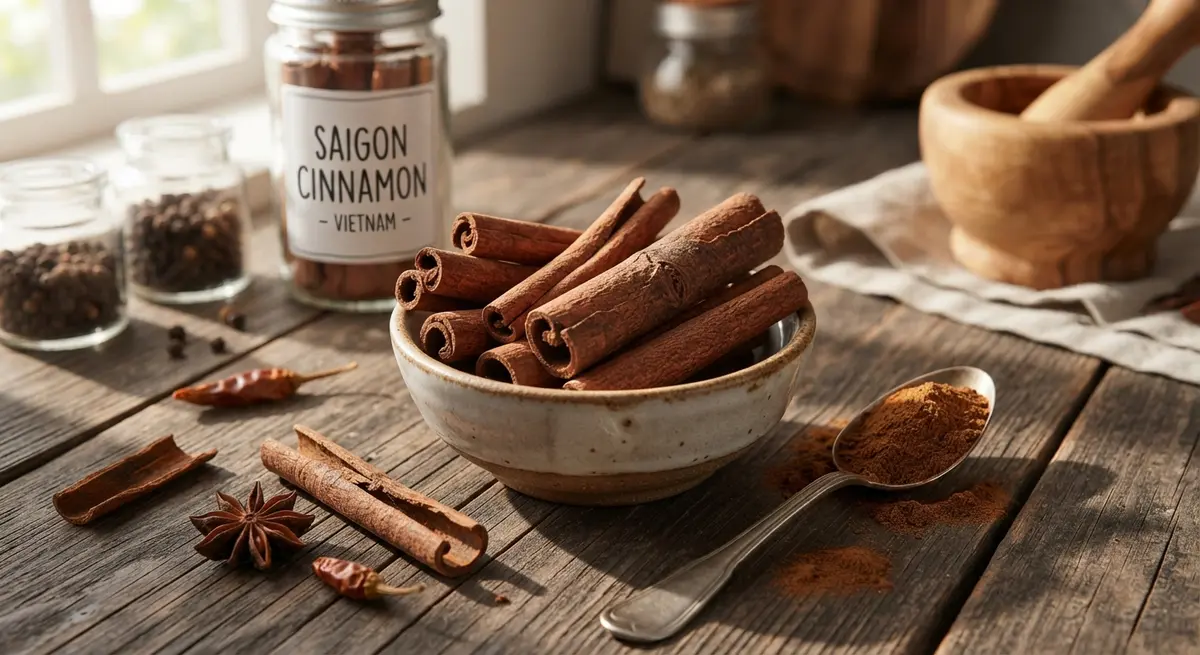
Saigon Cinnamon: Flavor Profile, Health Benefits & Culinary Uses
The cowboy of cinnamons — hot, sweet, and dramatically aromatic straight out of Vietnam. Why Saigon cinnamon behaves differently and how to use it well.
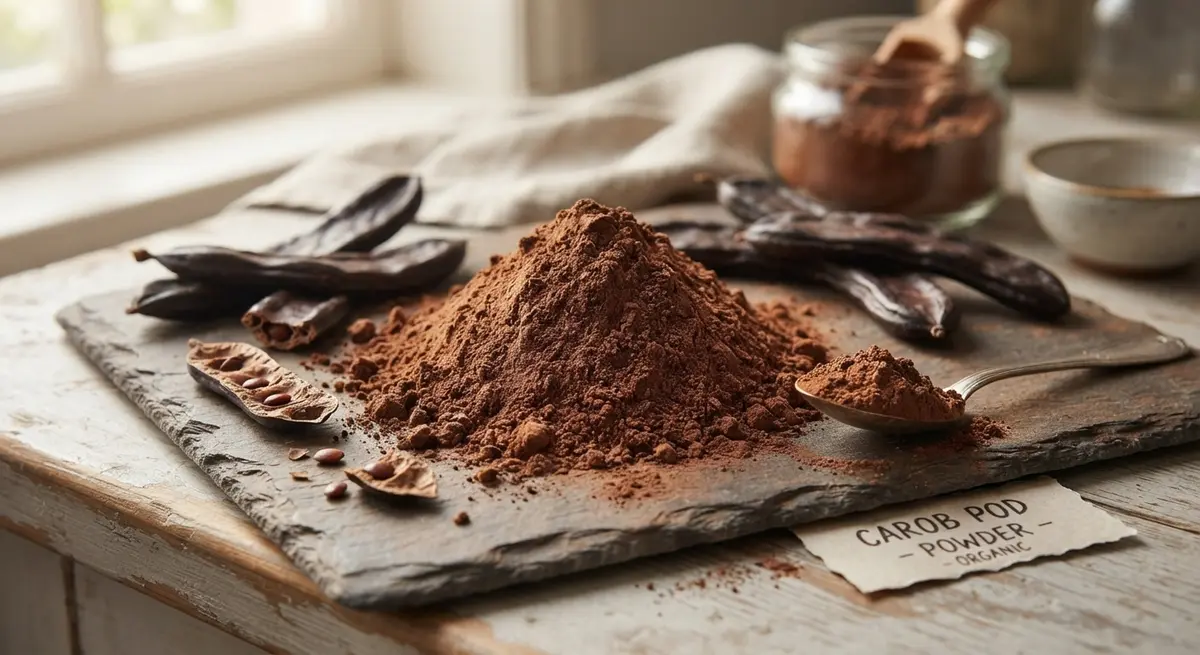
Carob Pod Powder: Flavor Profile, Health Benefits & Culinary Uses
Naturally sweet, caffeine-free carob comes from roasted Mediterranean pods — a toasty, malty brown powder that is not chocolate but deserves a pantry spot anyway.
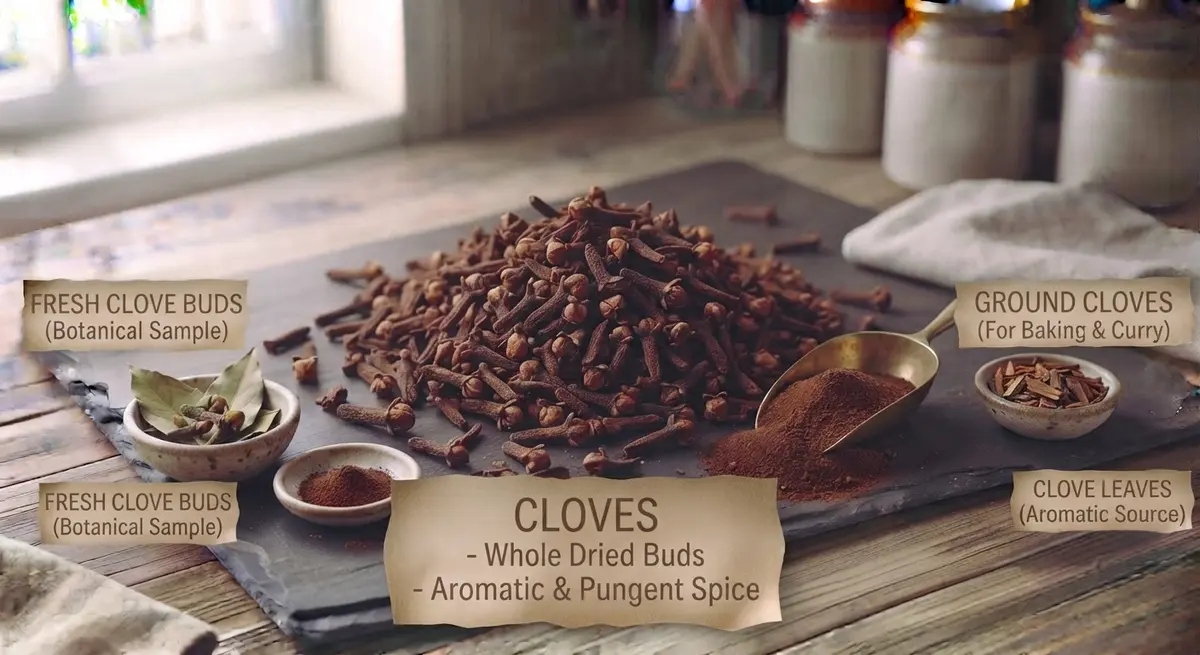
Cloves: Flavor Profile, Health Benefits & Culinary Uses
Those little nails in the jar are dried flower buds, and their eugenol content means a little goes a long way. Here is where cloves belong and what they replace.
About the Authors
This recipe and guide was developed, tested, and approved in our home kitchen and daily life. Jamy is a retired Food Service District Manager and Early Childhood Program Manager who spent his career overseeing multi-site restaurant operations, large-scale culinary production, and daycare menu management. Kaïna brings the ultimate real-world test: making sure it brings ease and joy to our kids on a busy weeknight.
Read more about our professional background and philosophy →