Tansy: Flavor Profile, Health Benefits & Culinary Uses
By the QuiteRecipes team (Jamy & Kaïna)
A gorgeous old garden herb with a camphor-mint scent and a real hazard label. Its medieval uses, its modern risks, and the safe ways to get bitter.
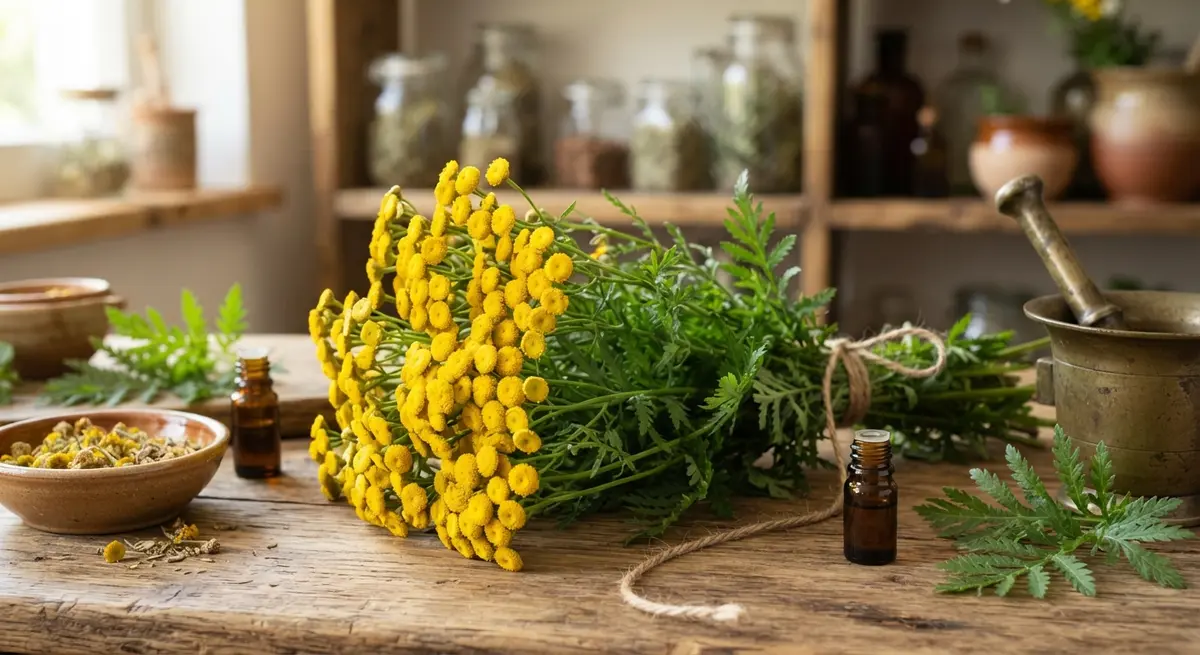
Tansy is a beautiful, ancient herb wearing a hazard label in smaller print. Tanacetum vulgare was cherished in medieval Europe — "bitter as tansy" was a compliment — and it flavored Easter cakes, Lenten foods, and funeral herbs before the modern table forgot it.
Here is the critical fact, stated calmly: tansy is toxic in quantity. Its thujone content is high, and both leaves and oil can be dangerous even at moderate doses. This is a historical curiosity to read about and grow for show — not an ingredient to simmer into supper.
Flavor Profile & Notes
Before the toxicity talk, the flavor deserves describing, because it explains a forgotten cuisine: tansy tasted like a medicinal mint crossed with rosemary and wormwood, intensely bitter and camphor-laced, with a sweetness hiding behind a sage-like top note. Medieval recipes used it as a bitter tonic herb in the way modern cooks use sage or rosemary — a small leaf or two flopped into a custard or caudle. Dried leaves intensify that bite. The honest summary: intriguing to sniff, genuinely unsafe to eat beyond trace amounts, and largely responsible for its own fall from kitchen grace.
Health Benefits & Nutrition
Tansy's essential oil is thujone-rich, and thujone is known to trigger muscle spasms, seizures, and nervous-system distress in sufficient quantity. Liver and kidney damage have been recorded with long-term ingestion. Even kitchen-amounts are risky because the plant's potency varies with growing conditions — there is no safe culinary dose a home cook can verify. The modern, sane verdict: tansy is a garden treasure and a research topic, not a food; if you want its bitterness safely, look to chicory, dandelion, or gentian.
Best Culinary Pairings
When medieval cooks used tansy, it appeared in custards and spring "tansy cakes," in meat stuffings, and as a pot herb mixed into greens. Those recipes survive in history books — study them as historical documents, do not reproduce them at the table. If you are drawn to that bitter botanical edge in real cooking, build it instead with safe relatives: tarragon, sage, and thyme give similar gutsy depth in egg and cream dishes without the risk. Grow tansy for its looks and history; cook with the non-toxic herbs beside it.
Quick Substitutes
For the medieval "bitter green herb" slot in your kitchen: sage plus a dash of lemon balm, or rosemary with bitterness from lemon peel. Chicory root and dandelion leaves deliver real bitterness for salads and coffee-style brews. Genuine tarragon leans sweeter but touches tansy's anise-camphor family without the risk. In every historical recipe, swap tansy out rather than in.
FAQ / Quick Facts
- Is any part of tansy safe to eat? No culinary-safe dose is established — keep it out of the kitchen food stream entirely.
- Why did people eat it? Medieval Europeans used it as a bitter tonic and a spring cleansing green; we know better now.
- What should I use instead for bitter flavor? Chicory, dandelion, or gentian — all safe and genuinely delicious.
- Botanical family: Asteraceae / Form: garden ornamental, historical herb / Best uses: none in food; companion planting and history.
Related Articles
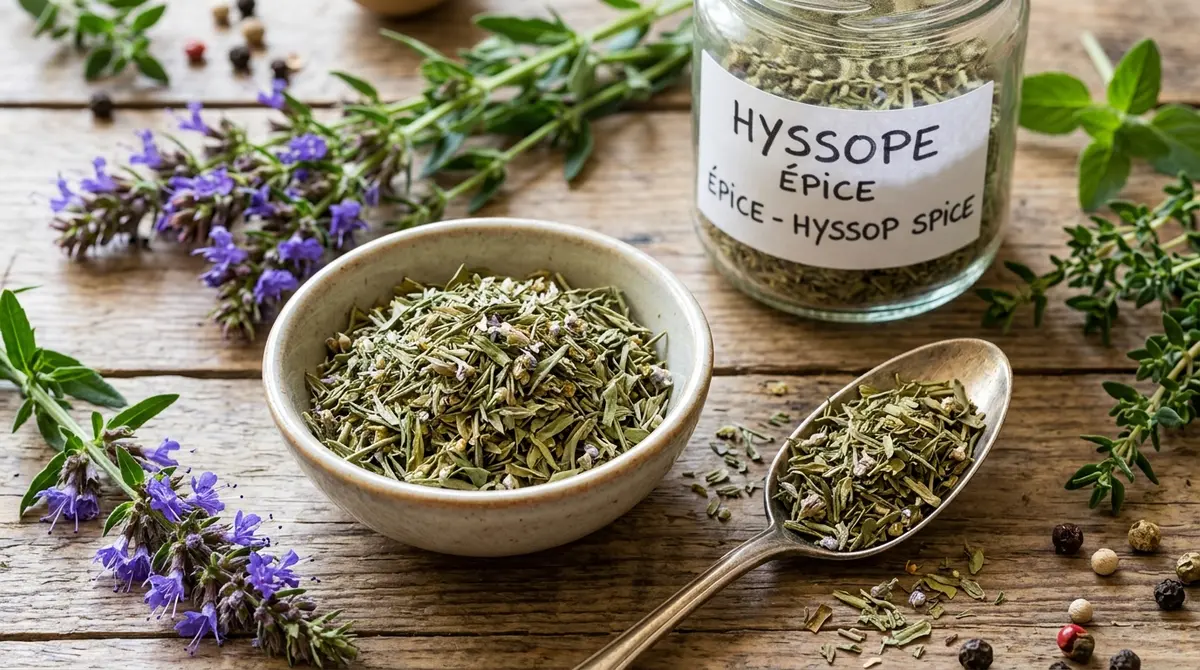
Dried Hyssop: Flavor Profile, Health Benefits & Culinary Uses
A mint-family herb that bites back: dried hyssop's camphor and bitterness, made for fatty meat and herbal liqueurs, with honest health notes and swaps.
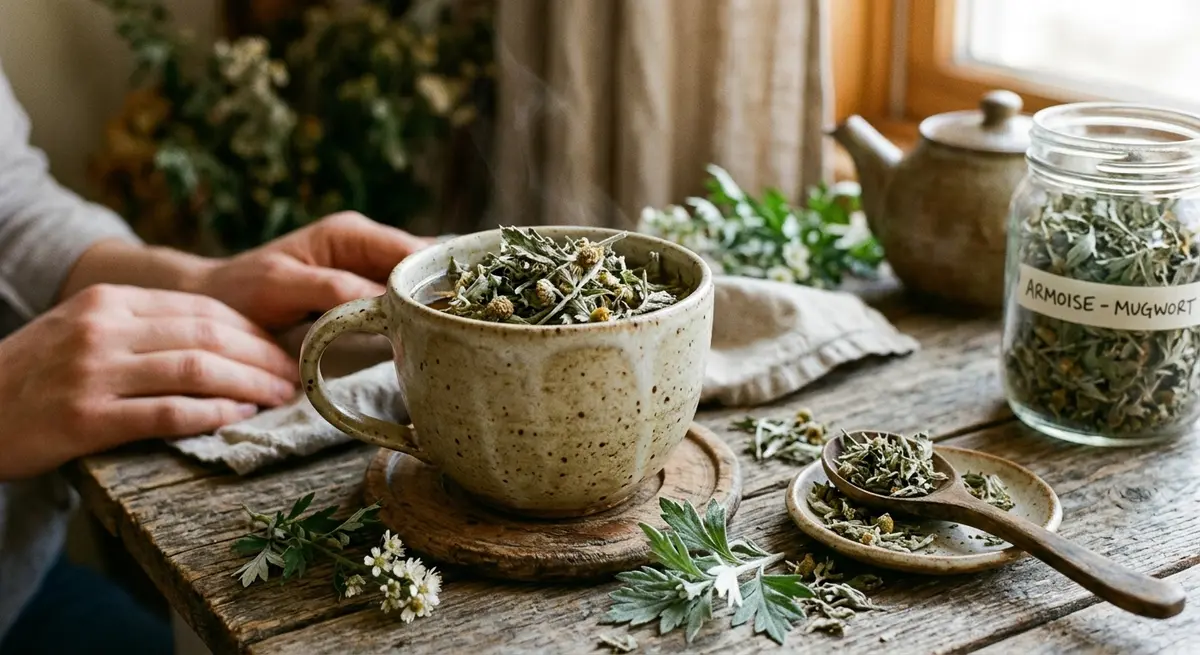
Mugwort: Flavor Profile, Health Benefits & Culinary Uses
A venerable gray-green bitter herb that shows up across three food cultures. The flavor notes, the thujone cautions, and the safest culinary role.
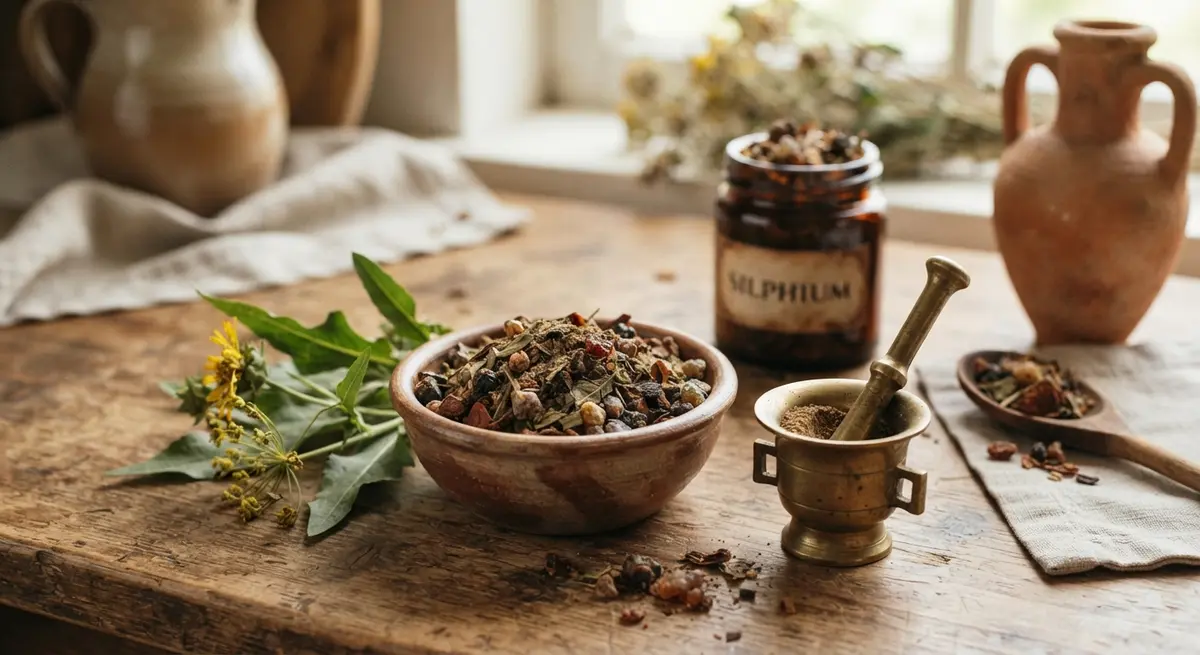
Silphium: Flavor Profile, Health Benefits & Culinary Uses
The ancient Roman spice that cost its weight in silver and then vanished. What scholars think it tasted like and which spices echo it today.
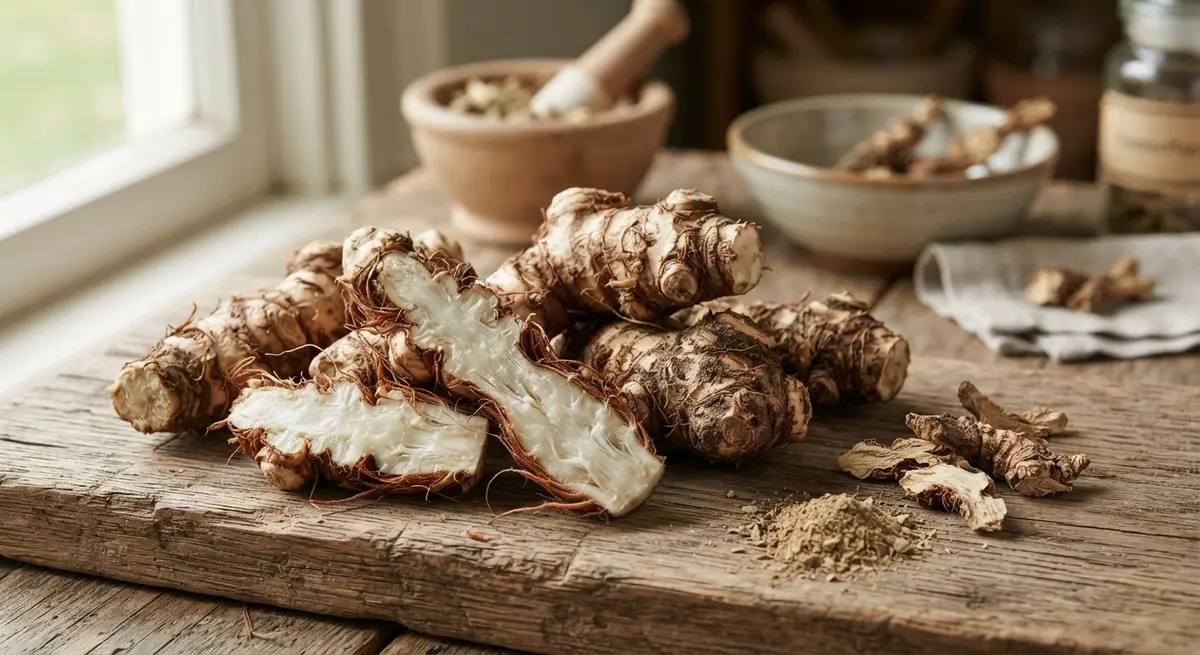
Sweetflag Root (Calamus): Flavor Profile, Health Benefits & Culinary Uses
A marsh-plant rhizome with a legendary aroma and a serious caveat. What beta-asarone is, why modern food safety limits it, what to do instead.
About the Authors
This recipe and guide was developed, tested, and approved in our home kitchen and daily life. Jamy is a retired Food Service District Manager and Early Childhood Program Manager who spent his career overseeing multi-site restaurant operations, large-scale culinary production, and daycare menu management. Kaïna brings the ultimate real-world test: making sure it brings ease and joy to our kids on a busy weeknight.
Read more about our professional background and philosophy →