Sweetflag Root (Calamus): Flavor Profile, Health Benefits & Culinary Uses
By the QuiteRecipes team (Jamy & Kaïna)
A marsh-plant rhizome with a legendary aroma and a serious caveat. What beta-asarone is, why modern food safety limits it, what to do instead.
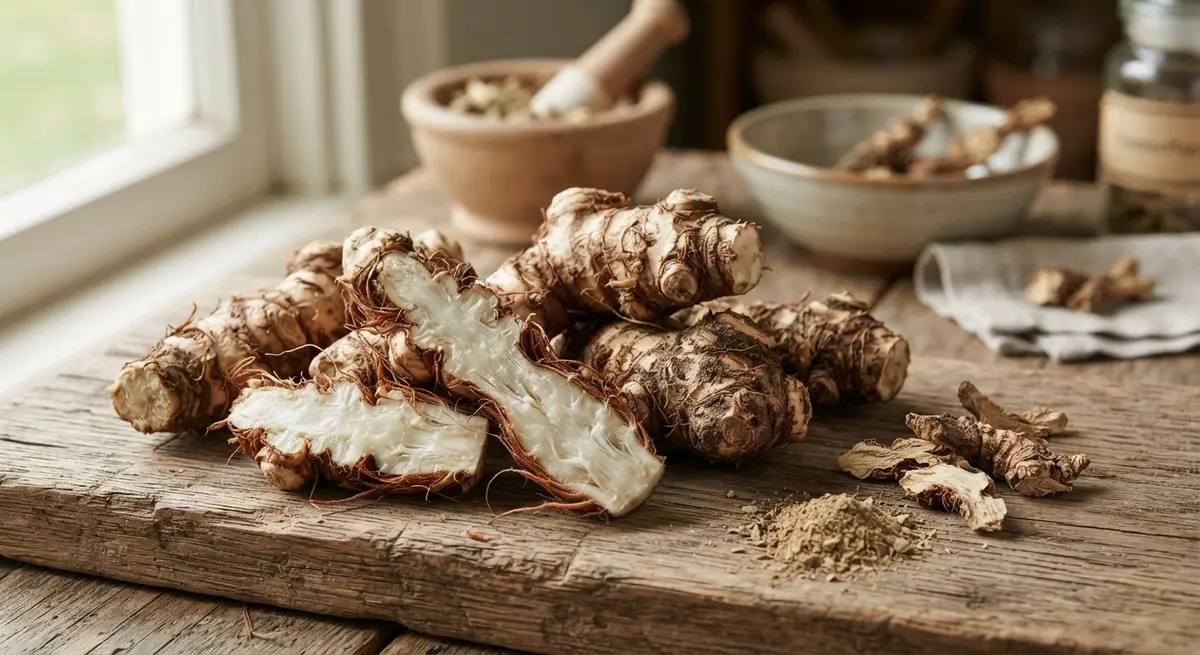
Sweetflag root — sometimes sold as calamus or sweet sedge — is a marsh plant's rhizome with a fragrance history could not leave alone. Acorus calamus has been chewed, steeped, and fermented for thousands of years, from Native American traditions to Ayurvedic herbalism, and its oil was once used in perfumes and, improbably, candy flavoring.
The honest modern note comes first: calamus contains beta-asarone, a compound flagged in animal studies for toxicity with long-term or heavy use, and food-safety bodies have placed real limits on dietary use. Treat sweetflag as a historical-study piece and an occasional aromatic, not a pantry staple.
Flavor Profile & Notes
Sweetflag root smells like a spice rack dream: cinnamon, clove, and clean ginger with a bitter rooty base and a faint marsh-vegetable character. Grate or chew a chip and it starts sweet and rooty, then turns bitter and numbing at the edges. The warmth of ginger-clove arrives late and lingers — the "sweet flag" name comes from that creeping sweetness. Dried chips are woody and need steeping or infusing; powdered calamus is fierce and bitter in any real quantity, so it is best used by the pinch.
Health Benefits & Nutrition
The science cuts both ways. Beta-asarone — which varies by variety but is present in most sweetflag — has shown toxicity in animal studies, especially to the liver with repeated exposure, so long-term or large-dose use is genuinely not advisable. Modern guidance from food-safety bodies is to limit or avoid dietary use, with many accepting only reduced-asarone extracts. Treat this as a botanical to admire and research, not to self-prescribe; pregnant women should avoid it, and anyone curious should ask a physician first.
Best Culinary Pairings
If you want to taste its history safely, the move is small and aromatic: grate a sliver into spiced apple compote, poaching liquid for pears, or gingerbread batter for an antique note. Nineteenth-century cookbooks used calamus in candies and root beers, so a whisper in homemade switchel or a winter mulled drink recalls the tradition. It blends with cinnamon, clove, ginger, orange zest, and allspice. Keep it to a pinch per batch and always source from reputable herbal suppliers who state the beta-asarone content.
Quick Substitutes
Because sweetflag should be used cautiously, the substitutes are mostly better everyday options: for ginger-cinnamon aroma and mild heat, use fresh ginger with cinnamon; for a numbing bitter edge, a small amount of licorice root; for root-beer history, sarsaparilla and birch bark carry the scent. In nearly every use, cinnamon plus ground ginger plus a bitter (gentian or orange peel) gives the direction without the worry.
FAQ / Quick Facts
- Is sweetflag food-safe? In tiny culinary amounts it is traditional in some places, but beta-asarone limits mean respecting small doses and checking with a doctor, especially when pregnant.
- What is the smell like? Warm cinnamon-clove-ginger with a marshy, bitter undertone.
- How do I use it? A thin slice steeped in tea or mulled cider, or a pinch in spiced baking.
- Botanical family: Acoraceae / Form: dried root chips or powder / Best uses: historical reinterpretation — mulled drinks, spiced desserts, bitters.
Related Articles
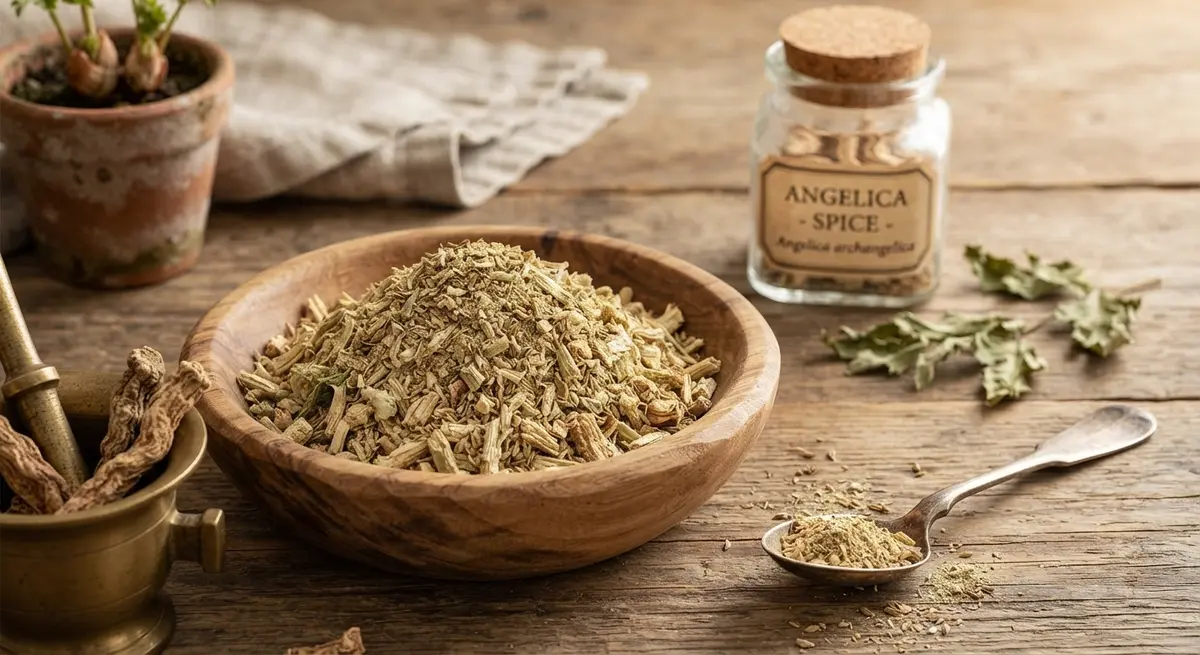
Angelica Root & Seeds: Flavor Profile, Health Benefits & Culinary Uses
The tallest herb in the parsley family. Where the pine-meets-celery aroma comes from, which parts to use, and why a little goes so far.
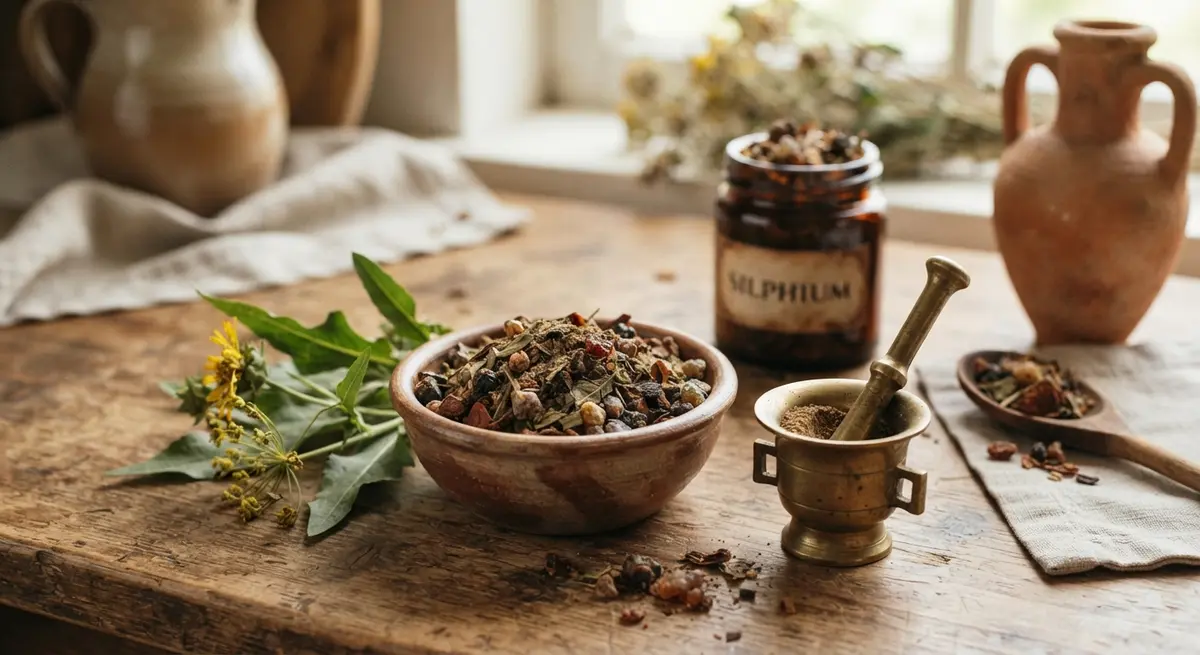
Silphium: Flavor Profile, Health Benefits & Culinary Uses
The ancient Roman spice that cost its weight in silver and then vanished. What scholars think it tasted like and which spices echo it today.
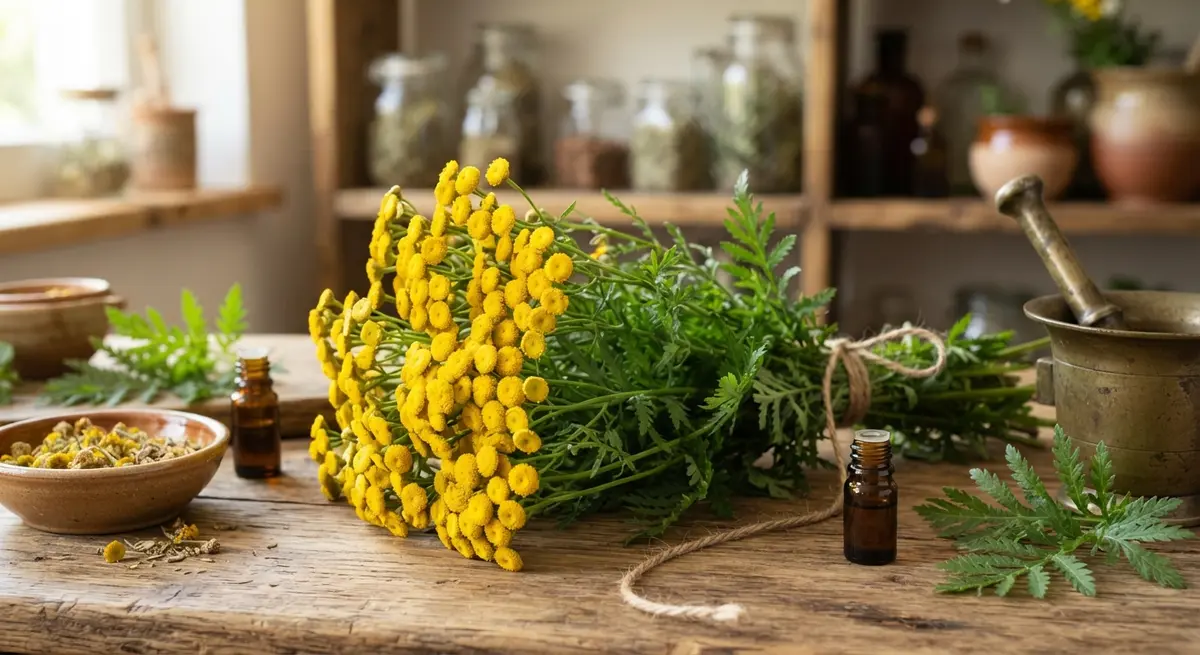
Tansy: Flavor Profile, Health Benefits & Culinary Uses
A gorgeous old garden herb with a camphor-mint scent and a real hazard label. Its medieval uses, its modern risks, and the safe ways to get bitter.
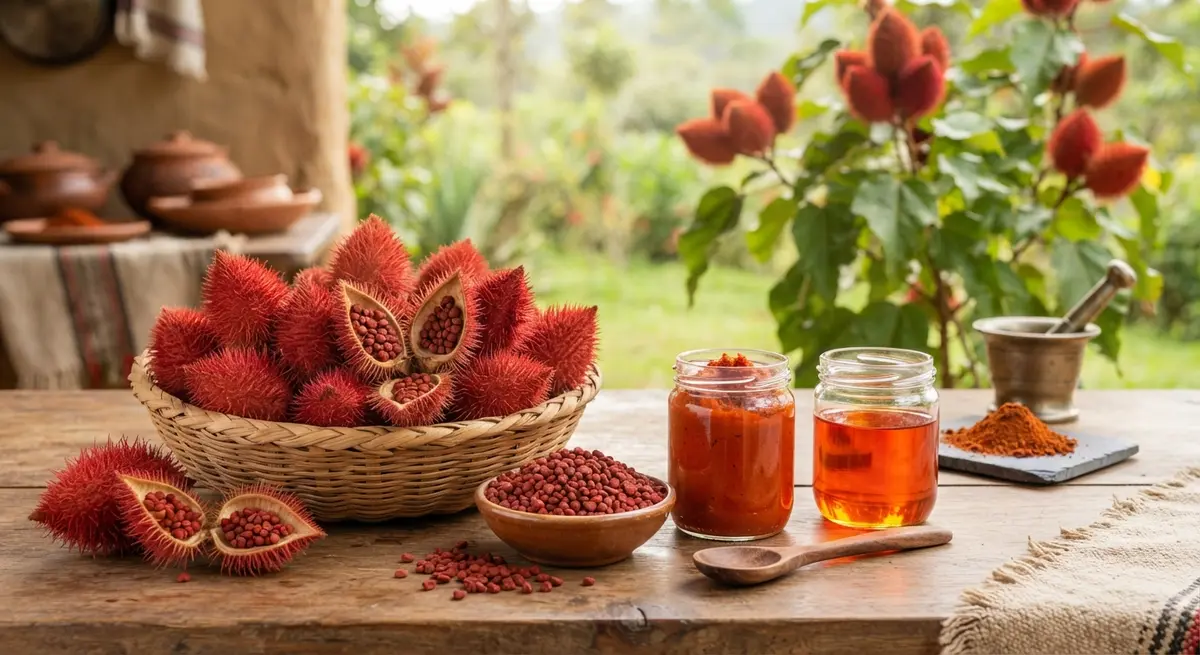
Achiote (Annatto): Flavor Profile, Health Benefits & Culinary Uses
Tiny coral-red seeds that paint food golden: the annatto tree's achiote, how to use the seeds and the Yucatan paste, and honest color substitutes.
About the Authors
This recipe and guide was developed, tested, and approved in our home kitchen and daily life. Jamy is a retired Food Service District Manager and Early Childhood Program Manager who spent his career overseeing multi-site restaurant operations, large-scale culinary production, and daycare menu management. Kaïna brings the ultimate real-world test: making sure it brings ease and joy to our kids on a busy weeknight.
Read more about our professional background and philosophy →