Silphium: Flavor Profile, Health Benefits & Culinary Uses
By the QuiteRecipes team (Jamy & Kaïna)
The ancient Roman spice that cost its weight in silver and then vanished. What scholars think it tasted like and which spices echo it today.
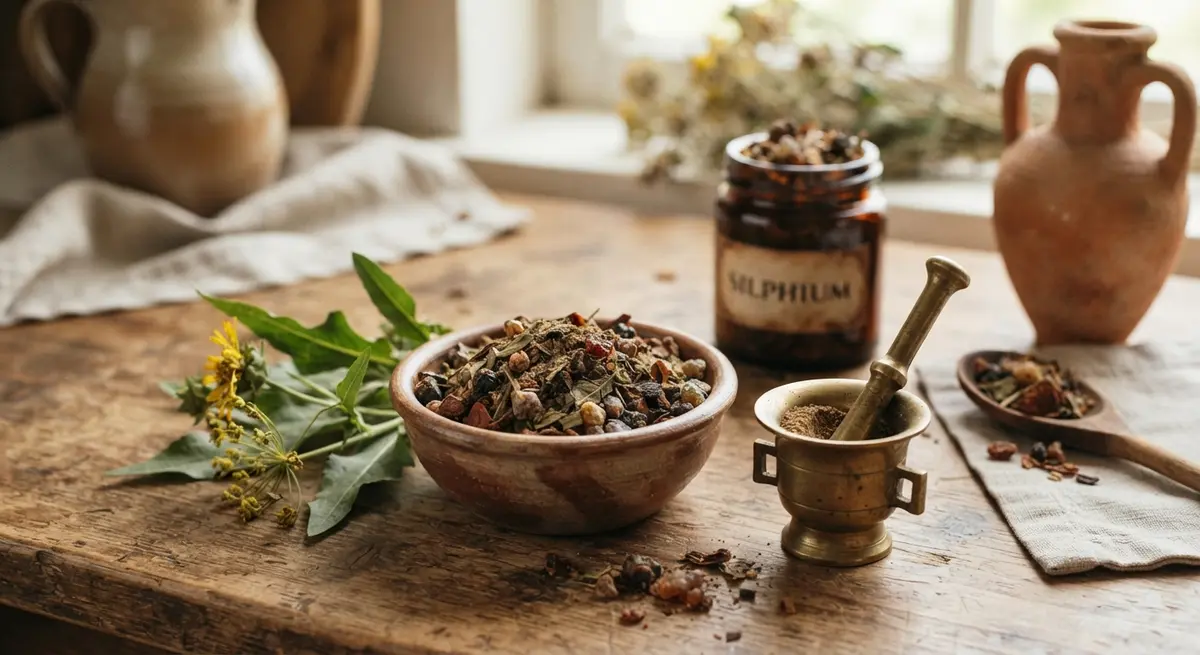
Silphium is the spice that exists as a ghost. This golden-flowered plant of the genus Ferula — a cousin of giant fennel and asafoetida — was the most coveted seasoning of the ancient Mediterranean. Roman gourmets paid its weight in silver, Cyrenaica minted coins stamped with its image, and its stalk, root, leaves, seeds, and gum resin were all eaten, chewed, and traded for more than seven hundred years.
Then it vanished — possibly harvested to extinction through overgrazing and overuse, its identity now guessed at through ancient coins, poems, and recipe fragments. No modern supply exists. Silphium is history you can taste only in your imagination.
Flavor Profile & Notes
Everything we know about silphium's flavor comes from ancient descriptions: it "umami-ed" dishes, deeply savory and slightly bitter, with a smell like asafoetida's powerful onion-garlic warmth crossed with celery and lemon. Pliny praised its sharpness; Roman cooks matched its kingly flavor to sauces, roasts, seeds, and even a honeyed confit. Scholars believe it was likely Ferula tingitana or a related species that produced a resin blooming into eager umami — a missing link that functioned like today's asafoetida, which is exactly why that modern spice is so beloved as its successor.
Health Benefits & Nutrition
Because no silphium survives in commerce, and its toxic identification is genuinely unsolved, modern health claims are pure speculation — that belongs in history books, not pharmacy shelves. The ancients used it as a universal panacea (digestion, coughs, even contraception in legend) much as we use asafoetida today: sparingly, for flavor and digestive warmth. If its identity ever resurfaced, real safety data would need to clear generations of folklore first. For your kitchen, the honest take: silphium is a history lesson whose umami flame lives on in asafoetida.
Best Culinary Pairings
Because the ingredient is extinct, the pairings live in the archive: ancient sources pair silphium with roast lamb and pork, simple sauces of vinegar and honey, legumes, and green-vegetable sides. The closest modern stand-in — asafoetida, or hing — recreates that onion-garlic warmth in Indian lentils, vegetable curries, pickles, and spice blends, by the pinch. For a scholarly dinner, serve Roman style: roast lamb over lentils with a whisper of asafoetida and honey, and the story to go with every bite.
Quick Substitutes
Modern stand-ins that evoke silphium's reported character: asafoetida (hing) for the onion-garlic umami; a pinch of celery seed plus garlic for sharpness; lovage root for ancient-savory depth; or a drop of fish sauce for briny old-world savor. Historical cookbooks recommend asafoetida, garum, and lovage as the silphium-adjacent spine of Roman cooking. None are silphium, but all let a modern plate nod to the empire's favorite flavor.
FAQ / Quick Facts
- Can I buy silphium? No — no verified, safe modern supply exists; historical writings on it are a fascinating ghost story.
- Which modern spice is closest? Asafoetida (hing) is the documented descendant-companion for that onion-garlic umami depth.
- Why did it disappear? Overharvesting and overgrazing in ancient Libya are the leading theories; the plant is considered extinct or lost.
- Botanical family: Apiaceae (Ferula) / Form: historical; now experienced via asafoetida and lovage / Best uses: historical cooking reenactment, with safe stand-ins.
Related Articles
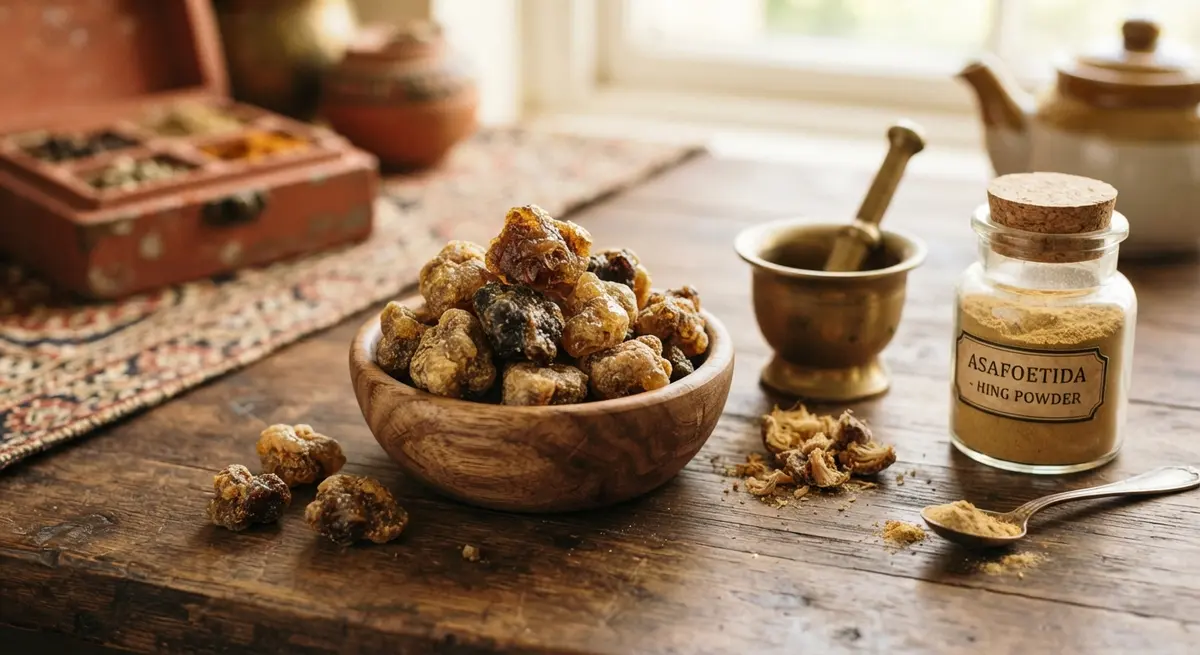
Asafoetida (Hing): Flavor Profile, Health Benefits & Culinary Uses
The worst-smelling raw spice in the world turns into quiet onion-garlic gold the moment it hits hot oil. Here is the one rule for using hing without fear.
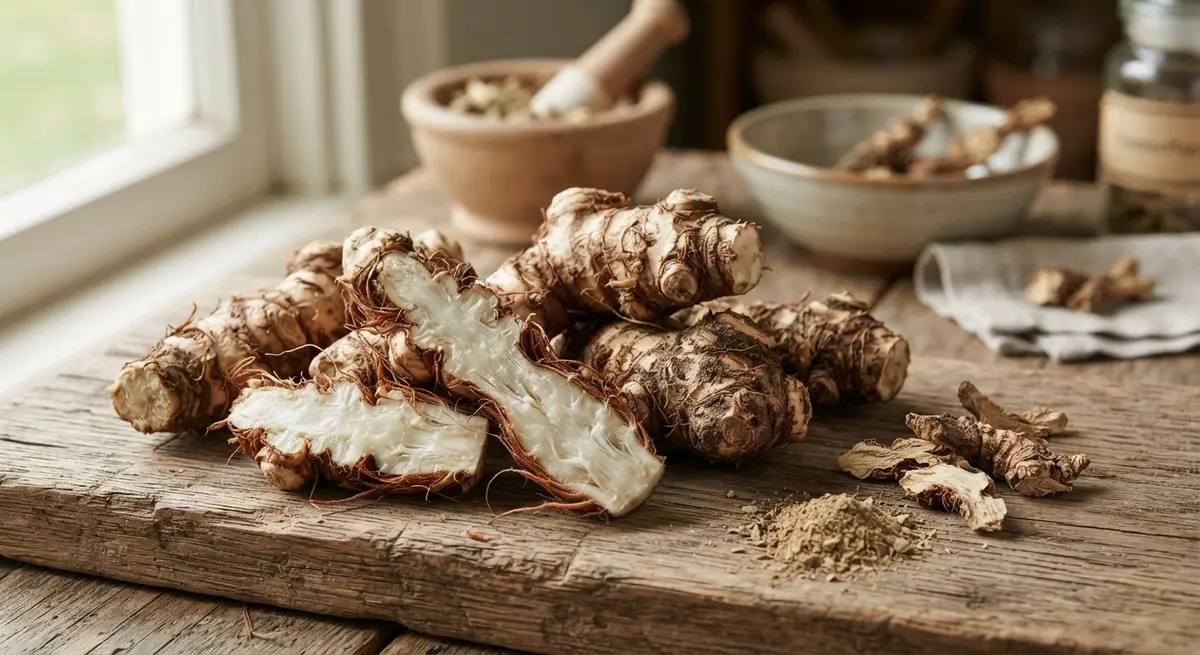
Sweetflag Root (Calamus): Flavor Profile, Health Benefits & Culinary Uses
A marsh-plant rhizome with a legendary aroma and a serious caveat. What beta-asarone is, why modern food safety limits it, what to do instead.
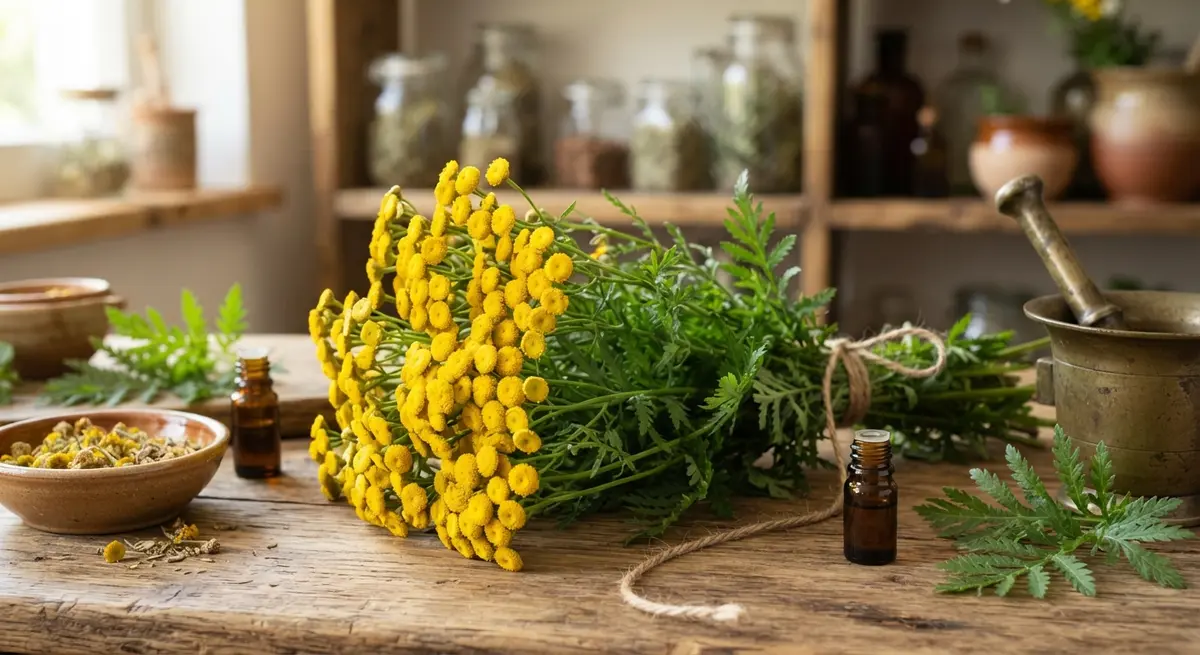
Tansy: Flavor Profile, Health Benefits & Culinary Uses
A gorgeous old garden herb with a camphor-mint scent and a real hazard label. Its medieval uses, its modern risks, and the safe ways to get bitter.
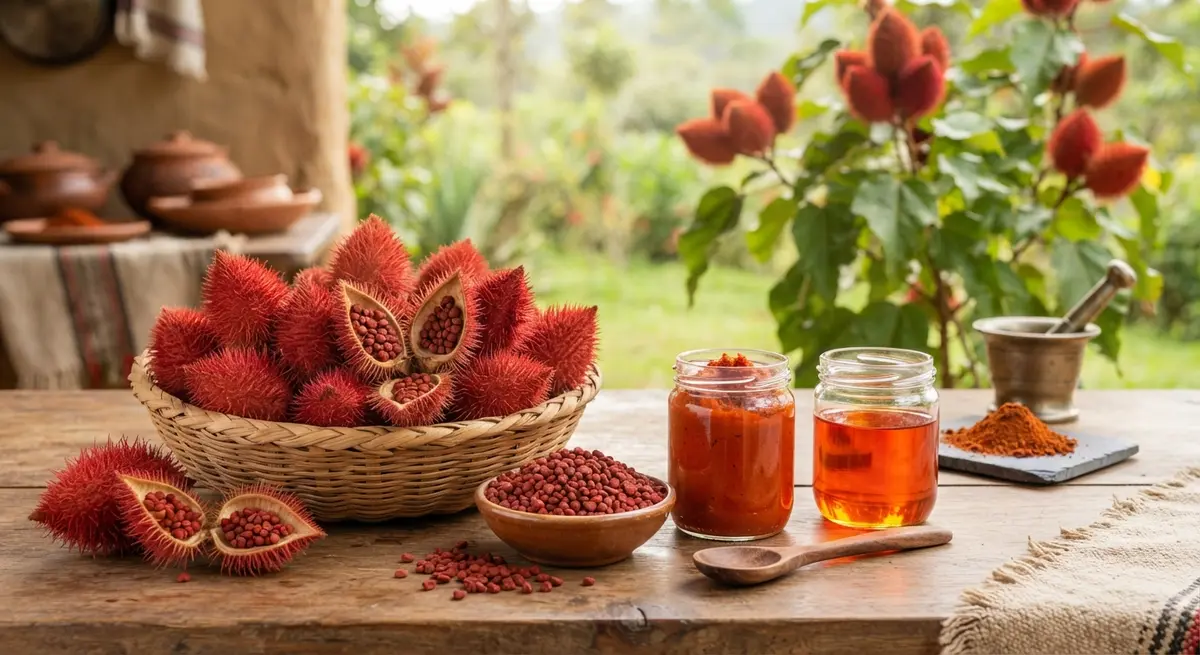
Achiote (Annatto): Flavor Profile, Health Benefits & Culinary Uses
Tiny coral-red seeds that paint food golden: the annatto tree's achiote, how to use the seeds and the Yucatan paste, and honest color substitutes.
About the Authors
This recipe and guide was developed, tested, and approved in our home kitchen and daily life. Jamy is a retired Food Service District Manager and Early Childhood Program Manager who spent his career overseeing multi-site restaurant operations, large-scale culinary production, and daycare menu management. Kaïna brings the ultimate real-world test: making sure it brings ease and joy to our kids on a busy weeknight.
Read more about our professional background and philosophy →