Dried Hyssop: Flavor Profile, Health Benefits & Culinary Uses
By the QuiteRecipes team (Jamy & Kaïna)
A mint-family herb that bites back: dried hyssop's camphor and bitterness, made for fatty meat and herbal liqueurs, with honest health notes and swaps.
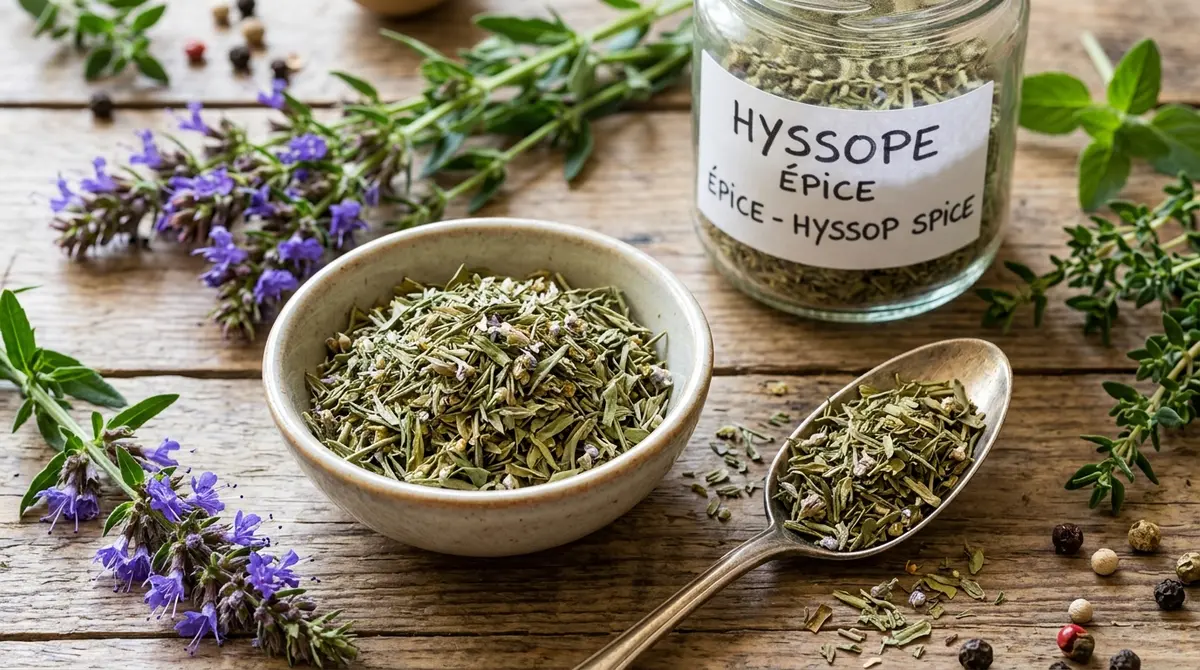
Hyssop is a biblical herb with a bitter reputation, and both parts matter. The hyssop of the Bible is debated — many scholars suspect it was actually the za'atar herb — but the hyssop of the garden, Hyssopus officinalis, is a mint-family perennial of southern Europe. Its dried leaves have seasoned and steeped in kitchens and monasteries for centuries, and it is one of the named herbs in the famously secret recipe of the French liqueur Chartreuse.
This is a herb to use with respect. Dried, it is powerfully aromatic and noticeably bitter, and cooks have always measured it by the pinch. That character is exactly why it has lasted so long.
Flavor Profile & Notes
Hyssop is savory, slightly camphoraceous, and minty, with a hint of crushed thyme and an undernote of bitterness that warns you off overuse. Drying sharpens the bitterness, so the dried form asks for a lighter hand than the fresh sprig. With honey or lemon, that bitterness turns interesting — which is why hyssop tea has survived the centuries. The pleasant surprise is hyssop's perfume in small doses: a whisper in a salad, a pinch in a stew, and the dish gains an herbal depth no other herb provides.
Health Benefits & Nutrition
Traditionally taken as a digestive and warming tea, hyssop carries a volatile oil, flavonoids, and tannins, and its plant compounds show ordinary antioxidant activity in laboratory studies. Like several aromatic mint-family herbs, the concentrate is a different matter from the tea: hyssop essential oil is a strong substance, not a cooking ingredient, and herbal references have long advised caution for pregnant women. If you are pregnant or nursing, ask your doctor before drinking hyssop tea; in everyday leaf-and-tea amounts, moderate use is the long-standing tradition. None of this is medical advice.
Best Culinary Pairings
The classic pairing is fatty meat — goose, roast pork, lamb, and game — where the bitter bite cuts straight through the richness. A pinch works wonders in lamb stew, herb-infused honey, and roasted pork belly. It seasons the beans and broad beans of southern European cooking and gives green salads a sharply interesting note with lemon. Beyond the pan, it belongs in herbal liqueurs and in any drink that wants a monastic, mysterious edge. Use it meanly and it will be generous with you.
Quick Substitutes
Mild thyme with a pinch of mint and a whisper of sage reproduces hyssop's savory-bitter family resemblance in cooked dishes. Rosemary covers the resinous intensity but loses the bitterness and mint. For a tea, a blend of chamomile, mint, and a tiny pinch of sage lands in the same calm, aromatic territory. Nothing replaces the exact bite, but these get dinner served honestly.
FAQ / Quick Facts
- Is this the hyssop of the Bible? Unlikely — scholars suspect the biblical plant was a type of za'atar or thyme; garden hyssop is Hyssopus officinalis.
- What does it taste like? A bitter, camphor-mint herb with thyme notes — use a pinch, taste, and stop.
- Form / cautions: Dried leaves for cooking and tea; strong in concentrate, traditional caution in pregnancy, so ask your doctor first.
Related Articles
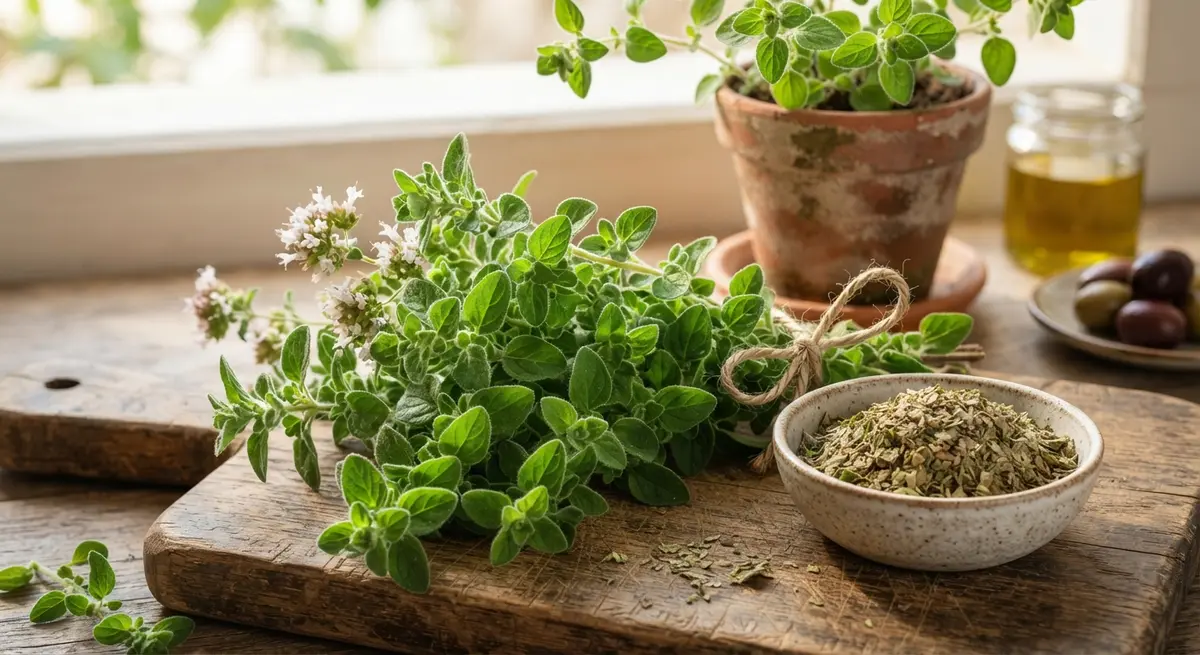
Dried Greek Oregano: Flavor Profile, Health Benefits & Culinary Uses
The cooks who care know the difference: Greek oregano — wild Origanum vulgare hirtum — brings more oil, more aroma, and more character than any other jar.
Marjoram: Flavor Profile, Health Benefits & Culinary Uses
The mild-mannered member of the oregano family: marjoram's sweet, floral personality for chicken, eggs, and sauces that should not shout, plus honest swaps.
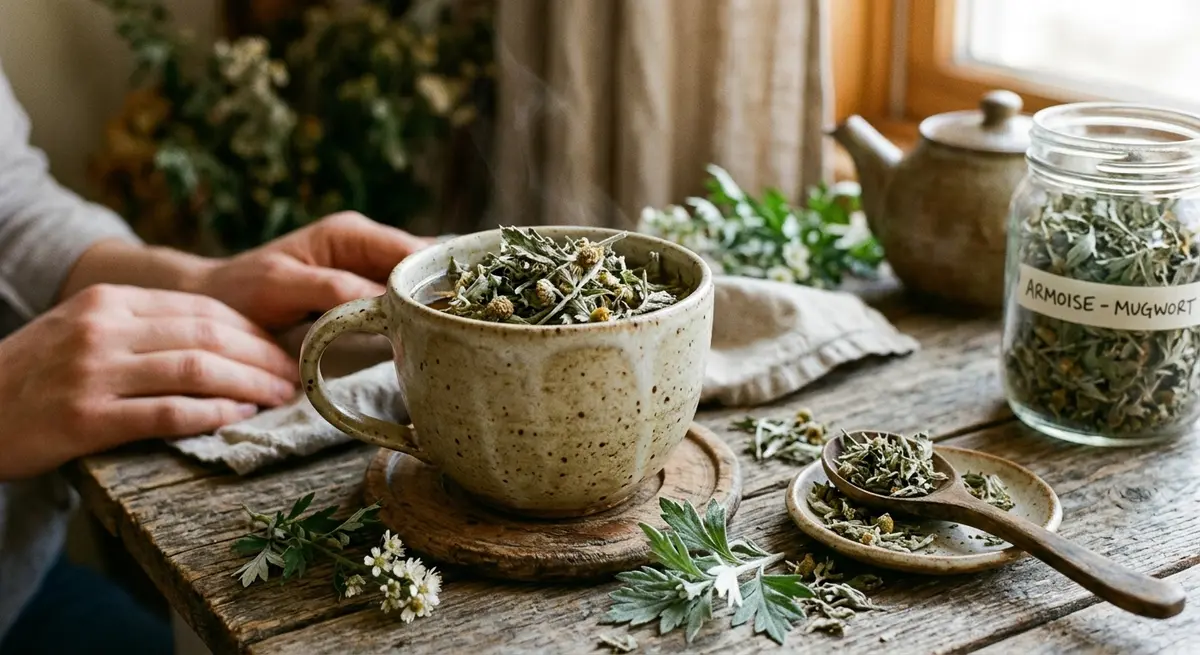
Mugwort: Flavor Profile, Health Benefits & Culinary Uses
A venerable gray-green bitter herb that shows up across three food cultures. The flavor notes, the thujone cautions, and the safest culinary role.
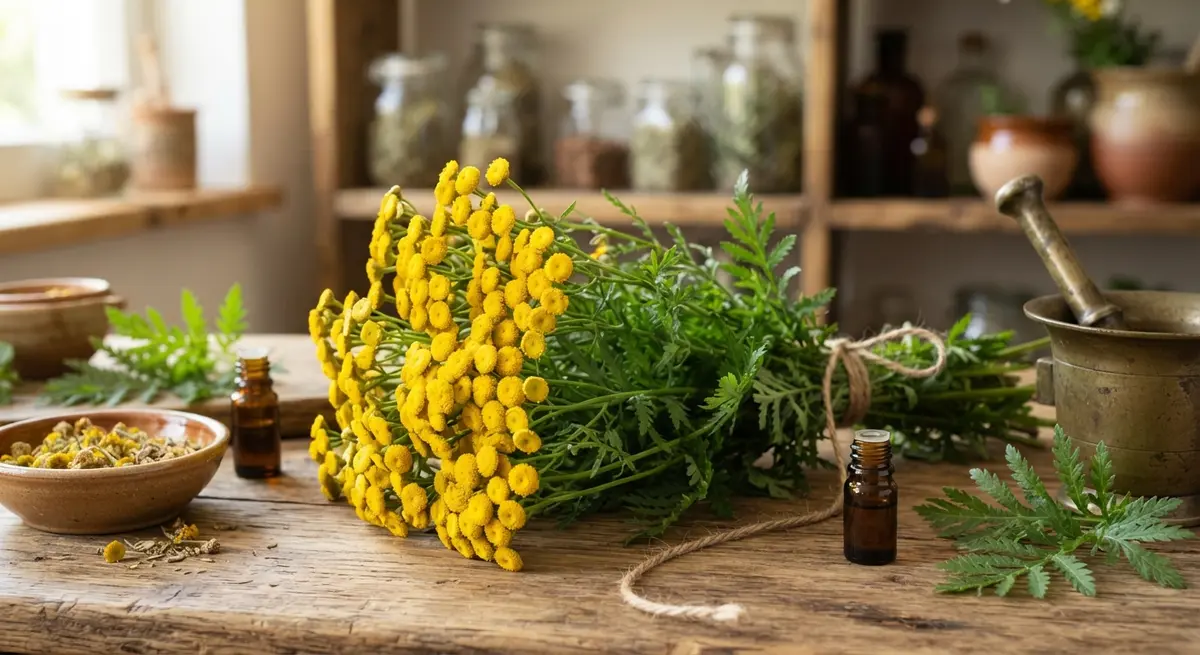
Tansy: Flavor Profile, Health Benefits & Culinary Uses
A gorgeous old garden herb with a camphor-mint scent and a real hazard label. Its medieval uses, its modern risks, and the safe ways to get bitter.
About the Authors
This recipe and guide was developed, tested, and approved in our home kitchen and daily life. Jamy is a retired Food Service District Manager and Early Childhood Program Manager who spent his career overseeing multi-site restaurant operations, large-scale culinary production, and daycare menu management. Kaïna brings the ultimate real-world test: making sure it brings ease and joy to our kids on a busy weeknight.
Read more about our professional background and philosophy →