Dried Greek Oregano: Flavor Profile, Health Benefits & Culinary Uses
By the QuiteRecipes team (Jamy & Kaïna)
The cooks who care know the difference: Greek oregano — wild Origanum vulgare hirtum — brings more oil, more aroma, and more character than any other jar.
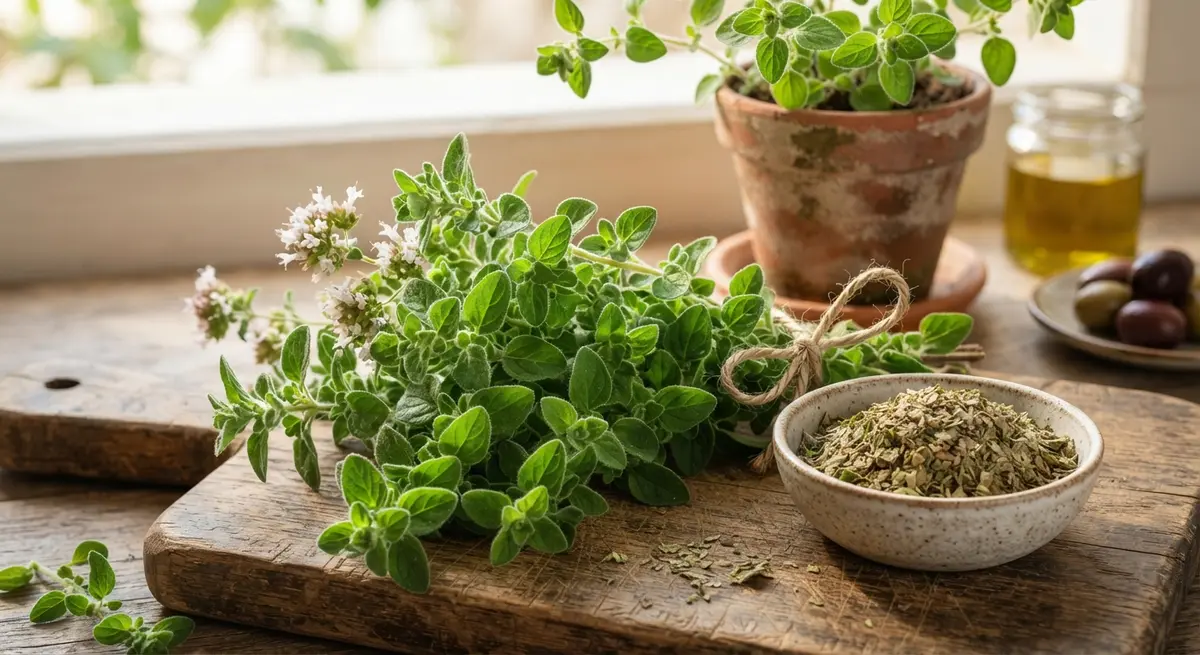
In the spice world there is oregano, and then there is oregano. The cooks who care know that Greek oregano — the wild, sunburned Origanum vulgare hirtum of the Greek mountains — is the king of the genus, grown into the sunny rock hillsides where the plants develop more aromatic oil than any greenhouse cousin. It is the oregano behind the oregano.
Greek oregano has more oil, more thymol-carvacrol punch, and a deeper resinous character than the milder Turkish or Italian leaves. It is why a plain tomato sauce tastes like a memory and why Greek cooks rarely bother with much else on the table.
Flavor Profile & Notes
Dried Greek oregano opens with a powerful scent of pine, thyme, and warm camphor. The leaves are small and fuzzy, and they bloom in heat and oil — unlike basil, which wilts and fades, oregano gets louder the longer it simmers. It stands up to tomatoes, garlic, and long braises without turning bitter, and that bitter note at the back is part of its personality, like a good strong coffee. Buy the whole dried leaves and rub them in your palms before use; the oils, at their highest just after flowering, are the whole story. It keeps its character in dry storage far better than most herbs.
Health Benefits & Nutrition
Oregano carries some of the highest antioxidant values measured among common herbs, and the two compounds behind its aroma — carvacrol and thymol — are studied in laboratories for antimicrobial and antioxidant activity. That is the same science behind oregano oil's use as a natural preservative and, carefully, in herbal routines. In the kitchen it means everyday food with plant compounds and flavor for nearly no calories. As always, warily: oregano is a seasoning, and a very good one, not a prescription. Let it do what it does best — make vegetables irresistible.
Best Culinary Pairings
The tomato sauces of a lifetime are its home court, joined by grilled meats, Greek salad, hummus, lamb, briam, and the lemon-and-garlic marinades of the Greek coast. It is essential in pizza and pasta, in stuffed peppers and roasted potatoes, and it finishes tzatziki with a green hum no other herb provides. Rub it on chicken before roasting, steep it in olive oil for bread dipping, or scatter it over a simple feta salad with good tomatoes. Garlic, lemon, and olive oil are its companions for life.
Quick Substitutes
A quality Italian oregano covers most recipes — it is the same species family, a little milder. If you only have the generic jar, double-check its date and use slightly more, or add a pinch of dried thyme to deepen the resinous note. Dried marjoram is softer and sweeter, so it is a gentler fallback suitable for delicate dishes. For the truly authentic pinch, nothing replaces Greek oregano's camphor-and-pine forwardness.
FAQ / Quick Facts
- How is Greek oregano different from regular oregano? Higher aromatic oil content and a deeper resinous, pine-and-thyme character; it is the benchmark other oregano is measured against.
- What does it taste like? Pungent thyme and pine with warm camphor, a bracing bitter edge, and great staying power in sauces.
- Botanical family / Form: Lamiaceae — Origanum vulgare hirtum; dried leaves that improve with simmering rather than fading.
Related Articles
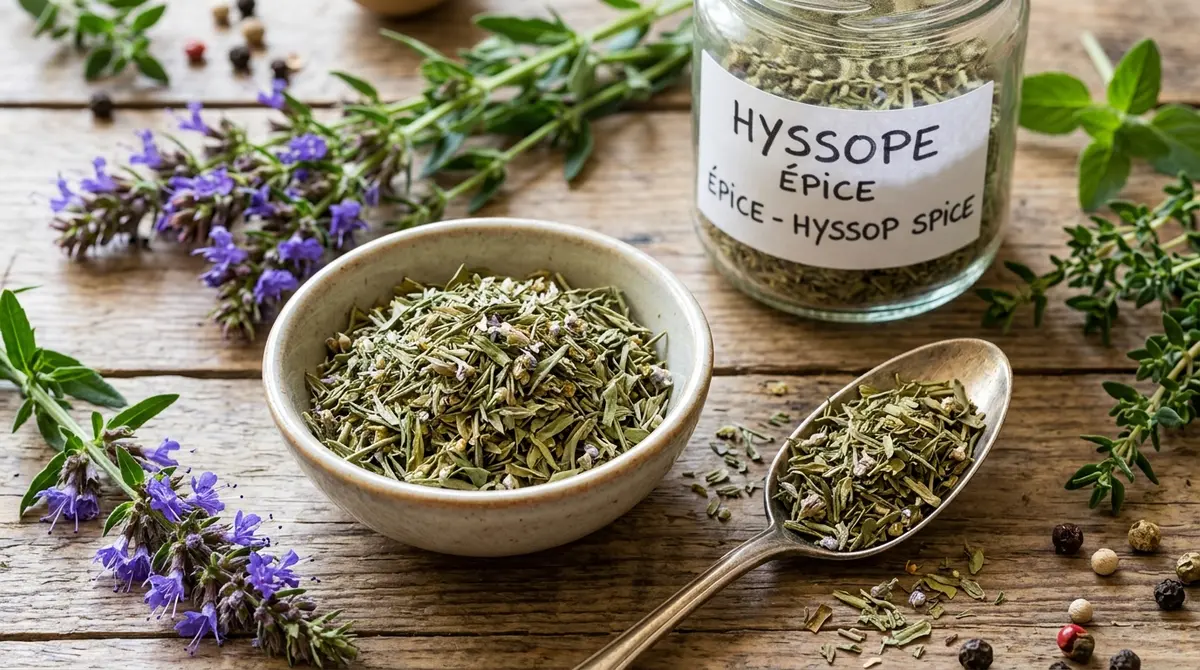
Dried Hyssop: Flavor Profile, Health Benefits & Culinary Uses
A mint-family herb that bites back: dried hyssop's camphor and bitterness, made for fatty meat and herbal liqueurs, with honest health notes and swaps.
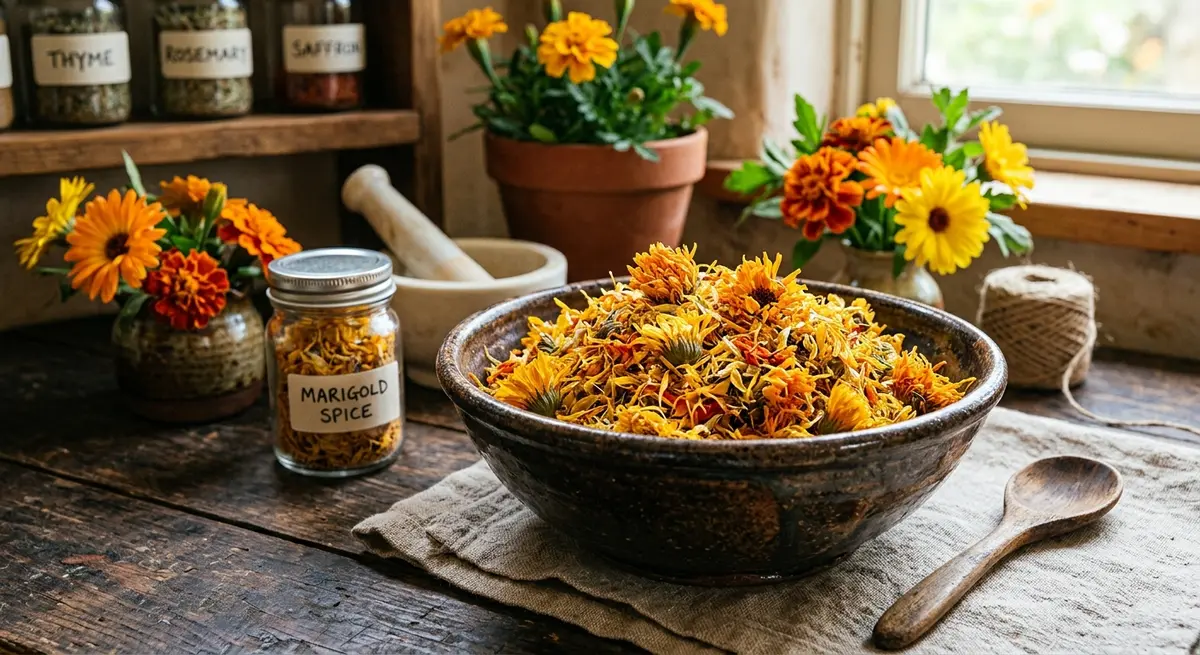
Marjoram: Flavor Profile, Health Benefits & Culinary Uses
The mild-mannered member of the oregano family: marjoram's sweet, floral personality for chicken, eggs, and sauces that should not shout, plus honest swaps.
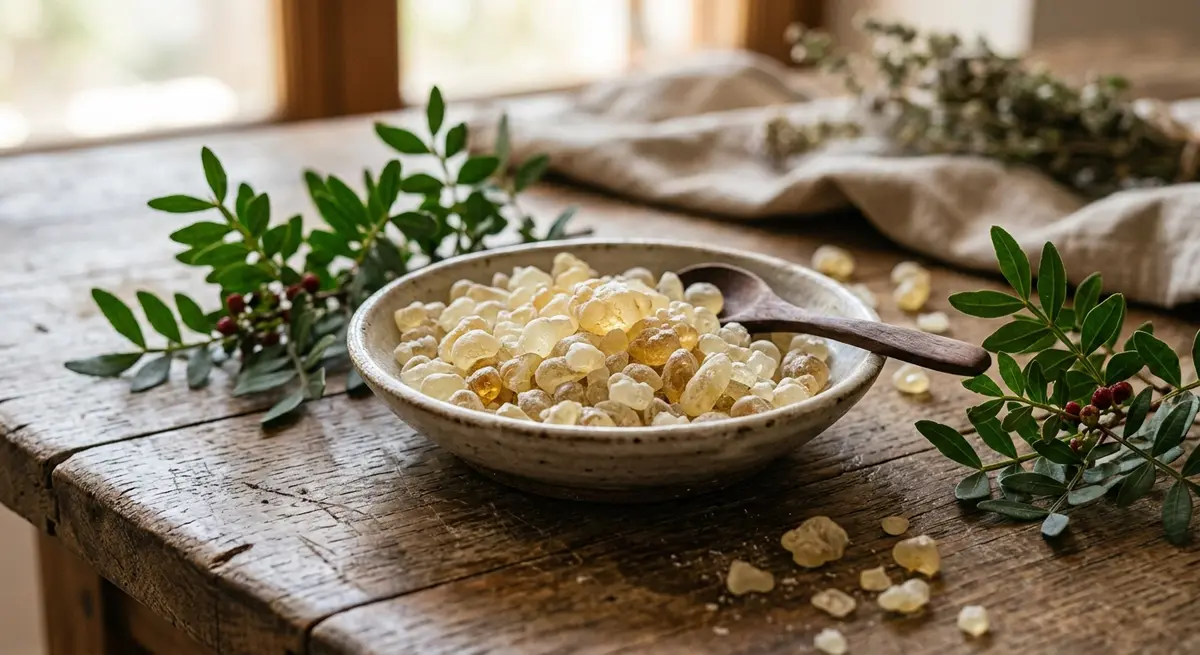
Mastic (Chios Resin): Flavor Profile, Health Benefits & Culinary Uses
Tiny tears of resin from a Greek island that crack like candy: what mastic tastes like, how to grind it safely, and the ice creams and breads it defines.
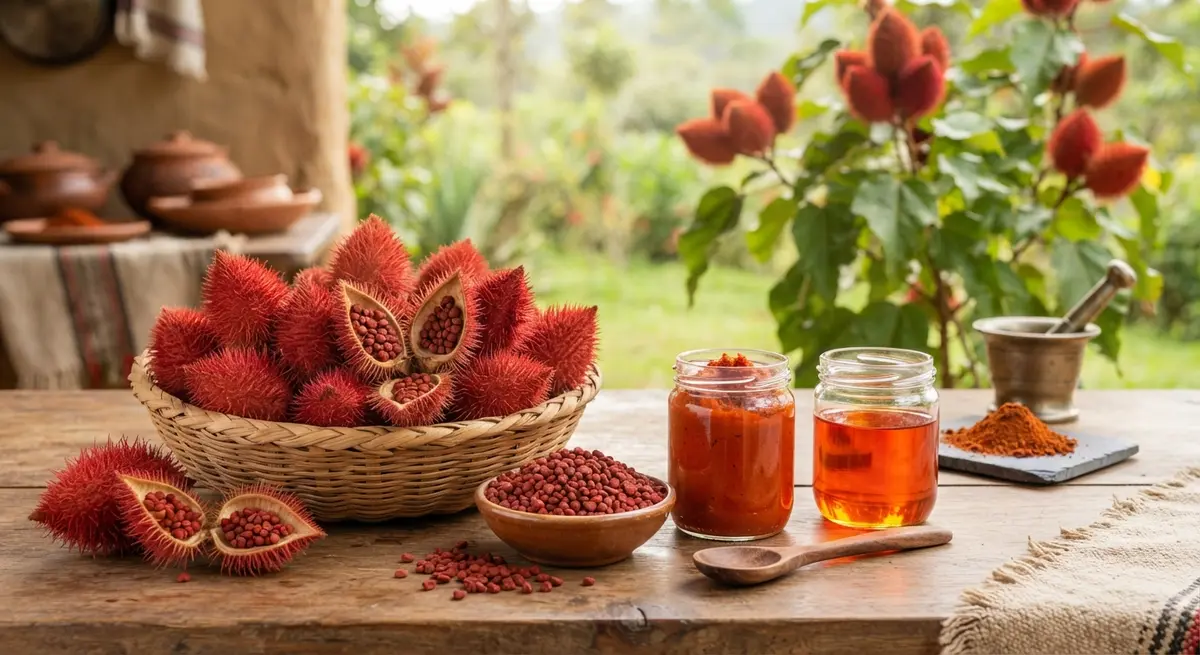
Achiote (Annatto): Flavor Profile, Health Benefits & Culinary Uses
Tiny coral-red seeds that paint food golden: the annatto tree's achiote, how to use the seeds and the Yucatan paste, and honest color substitutes.
About the Authors
This recipe and guide was developed, tested, and approved in our home kitchen and daily life. Jamy is a retired Food Service District Manager and Early Childhood Program Manager who spent his career overseeing multi-site restaurant operations, large-scale culinary production, and daycare menu management. Kaïna brings the ultimate real-world test: making sure it brings ease and joy to our kids on a busy weeknight.
Read more about our professional background and philosophy →