Mastic (Chios Resin): Flavor Profile, Health Benefits & Culinary Uses
By the QuiteRecipes team (Jamy & Kaïna)
Tiny tears of resin from a Greek island that crack like candy: what mastic tastes like, how to grind it safely, and the ice creams and breads it defines.
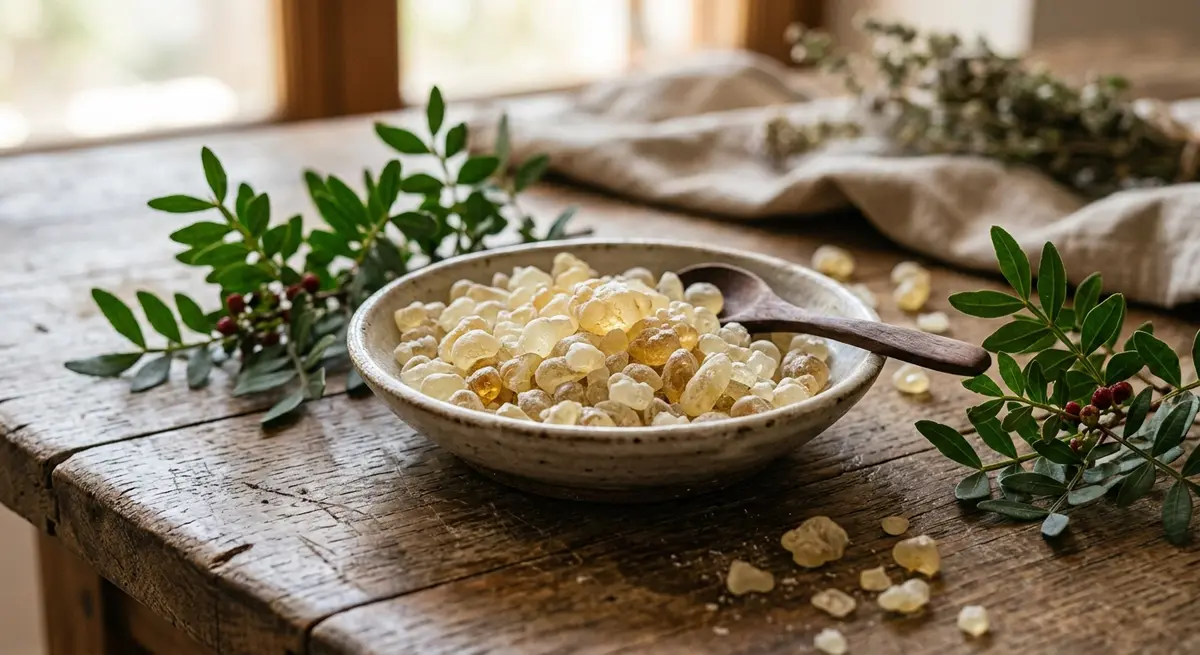
Mastic looks like a mistake. Tiny, translucent, amber tears of resin that crack like hard candy when you bite them, harvested from the mastic trees of the Greek island of Chios, where they have been bled from the bark and treasured for over two thousand years.
Cooks know two mastics: the one you chew, a natural Greek gum that has been going since ancient times, and the one you grind into powder for ice cream, breads, puddings, and island liqueurs. Meeting it for the first time confuses most people, because nothing else in the pantry tastes like it.
Flavor Profile & Notes
Mastic's flavor is a clean, cool pine forest with a note of resin and faint sweetness — like drinking very good herbal tea in a room made of cedar. When heated, it releases that piney, slightly eucalyptus freshness, and in ice cream and semolina pudding it sits sweetly. Grinding is the tricky step: it shatters like glass. Freeze the tears and pulse them with a little sugar in a spice grinder — the sugar cushions the blades. It is part of the famously stretchy dondurma ice cream of Turkey and the kaymak of Greek confectioners, and equally happy in a simple custard.
Health Benefits & Nutrition
Chewed as a natural gum after meals, mastic has a long local reputation for digestive comfort, and researchers have actually taken it seriously — studies on mastic gum show promise for indigestion and stomach complaints, and its resin shows documented antibacterial activity. As a food, you eat grams, not ounces, and the credible evidence is about everyday wellness rather than treating illness. As added insurance of quality, genuine Chios mastic carries an EU protected status, a food geek's gold seal of authenticity.
Best Culinary Pairings
This is the defining flavor of dondurma-style ice cream, of Greek semolina halva, and of custards and cream puffs in the eastern Mediterranean. A scrape of mastic powder brightens tsoureki, koulouria, and butter cookies, and it pairs beautifully with rose water, orange blossom, vanilla, and cardamom. A small pinch in a pistachio-studded rice pilaf is a savory touch the region swears by. It also does the original job: a few tears chewed slowly after a heavy meal, as Greeks have done for centuries.
Quick Substitutes
Nothing else tastes like pine resin, so substitutes are honest approximations. For sweet recipes, crushed green cardamom brings a peppery-sharp pine note, and vanilla keeps a cream dessert delicious even if the signature is gone. In savory cooking, a few sprigs of fresh rosemary stand in for the resinous character. Avoid essential oils and flavorings — you want the food version, measured fairly, not a drop of perfumer's pine.
FAQ / Quick Facts
- How do I grind it? Freeze the tears, then pulse with sugar in a clean spice grinder; the sugar stops it from flying and shattering.
- What does it taste like? Cool, clean pine and resin with a faint sweetness and a hint of eucalyptus freshness.
- Botanical family / Form: Resin of Pistacia lentiscus var. chia; sold as whole tears or ground powder. Used in ice cream, custards, breads, and as chewing gum.
Related Articles
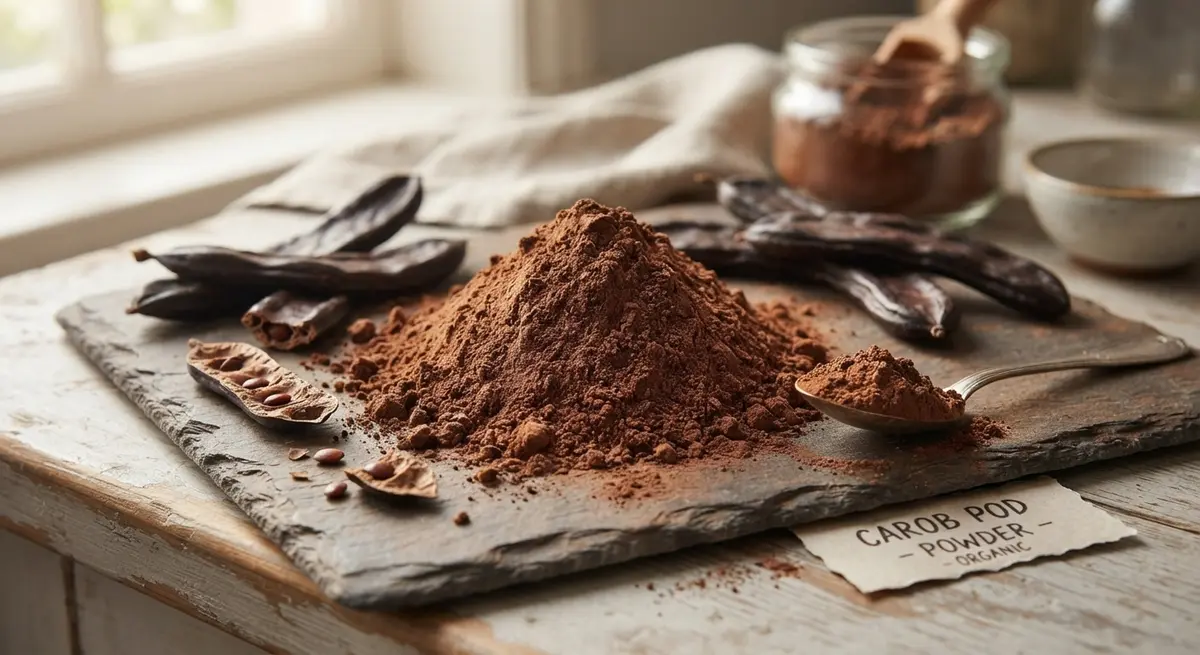
Carob Pod Powder: Flavor Profile, Health Benefits & Culinary Uses
Naturally sweet, caffeine-free carob comes from roasted Mediterranean pods — a toasty, malty brown powder that is not chocolate but deserves a pantry spot anyway.
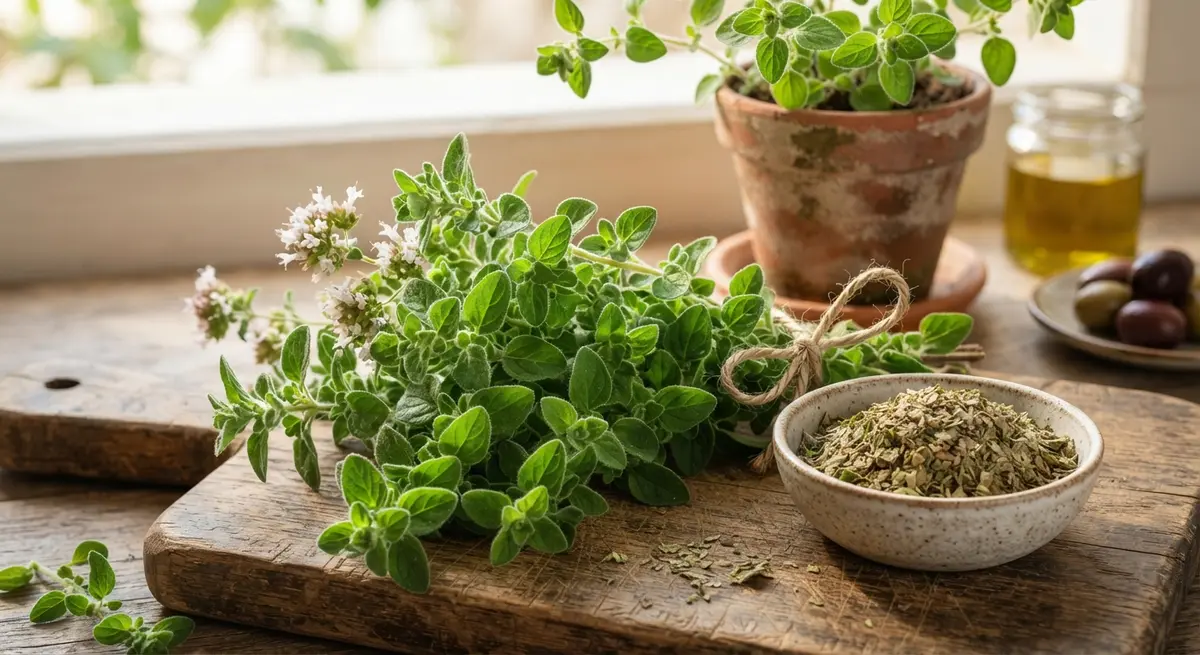
Dried Greek Oregano: Flavor Profile, Health Benefits & Culinary Uses
The cooks who care know the difference: Greek oregano — wild Origanum vulgare hirtum — brings more oil, more aroma, and more character than any other jar.
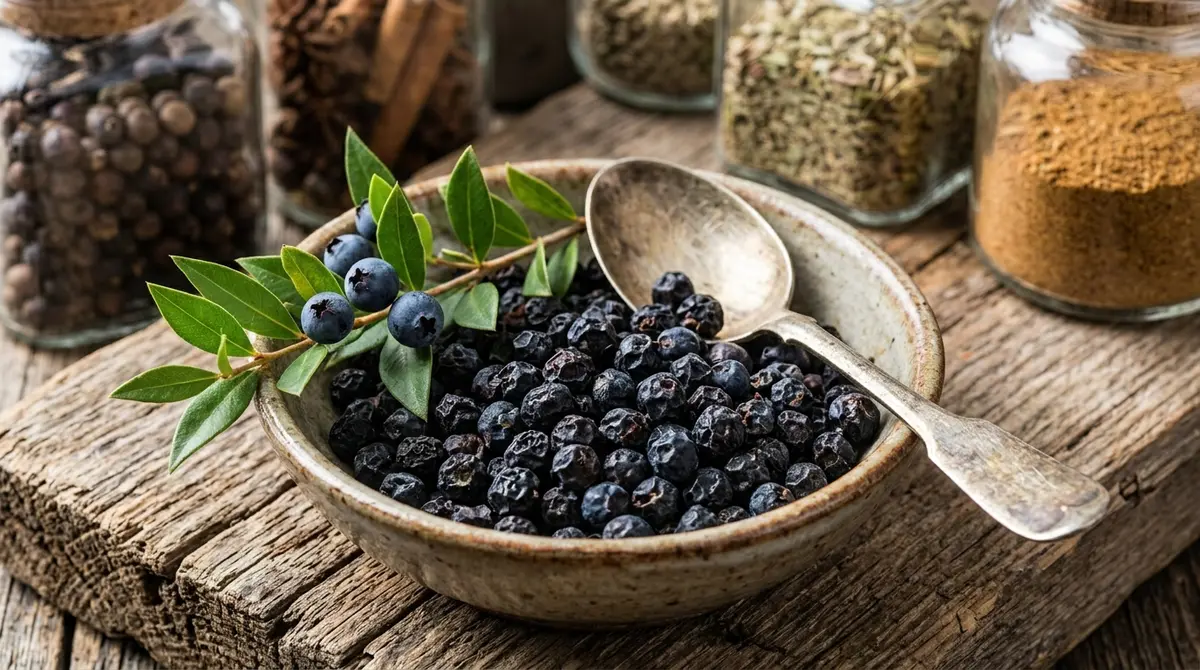
Myrtle Berries: Flavor Profile, Health Benefits & Culinary Uses
Myrtle is the Mediterranean's quietly regal berry, sweet, piney, and peppery, and the secret perfume of Sardinian roast pork and wild game.
Sumac: Flavor Profile, Health Benefits & Culinary Uses
Why sumac belongs on every Mediterranean and Middle Eastern shelf: the story of the sour red berry, its best partners, and honest substitutes when the jar runs out.
About the Authors
This recipe and guide was developed, tested, and approved in our home kitchen and daily life. Jamy is a retired Food Service District Manager and Early Childhood Program Manager who spent his career overseeing multi-site restaurant operations, large-scale culinary production, and daycare menu management. Kaïna brings the ultimate real-world test: making sure it brings ease and joy to our kids on a busy weeknight.
Read more about our professional background and philosophy →