Sumac: Flavor Profile, Health Benefits & Culinary Uses
By the QuiteRecipes team (Jamy & Kaïna)
Why sumac belongs on every Mediterranean and Middle Eastern shelf: the story of the sour red berry, its best partners, and honest substitutes when the jar runs out.
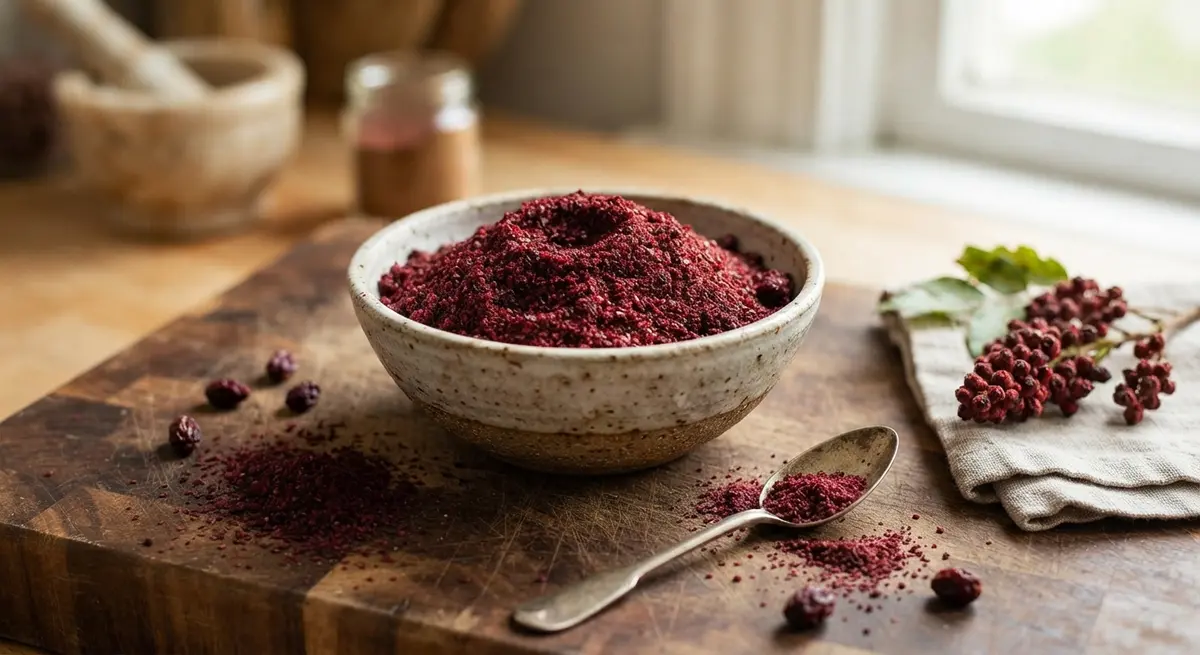
The first time I rubbed whole sumac between my fingers, it smelled like a lemon had spent the day at the beach — sharp, bright, faintly floral. Those crushed berries of the Rhus shrub have seasoned Mediterranean and Middle Eastern tables for centuries, and they earned the job.
Sumac is sourness without liquid. No juicing, no seeds, no weeping salad the next morning. Sprinkle it on and food lifts with a clean, lemony finish. Mine lives right next to the salt and gets used daily.
Flavor Profile & Notes
Sumac tastes like lemon and vinegar at once — zest with the sharp edges filed off — plus a faint berry sweetness beneath the tartness. The deep crimson stains everything it touches, which is half its charm. Ground sumac is the everyday form; whole berries are rubbed or steeped for a stronger note. Because heat destroys its brightness, add it at the end: dusted over fattoush, over chicken the second it leaves the pan, or stirred into a dressing. A teaspoon lifts a whole bowl of salad.
Health Benefits & Nutrition
Sumac is one of the easiest ways to cut salt without losing flavor, which is its real job in daily cooking. The redness that carries the tartness comes from anthocyanins, antioxidant pigments, and there is a little vitamin C in the ground berries — though at seasoning amounts it is not a vitamin source to plan around. Traditional digestion teas show real promise in early research. Treat it like any tart, colorful food: a healthy addition to a varied plate, not a medicine.
Best Culinary Pairings
Fattoush is its home turf: sumac dresses cucumbers, radishes, tomatoes, and toasted pita. It belongs on labneh, sprinkled over hummus, and in the olive oil you serve for bread dipping. Rub it on lamb chops or chicken thighs before a hot grill — the char and the tang understand each other — or use it instead of lemon in bean salads so nothing turns watery. A little over sliced onions and tomatoes makes the simplest salad taste composed.
Quick Substitutes
Nothing replaces sumac's clean, dry sourness exactly, but lemon zest plus a pinch of citric acid comes close. A splash of lemon juice works in salads and marinades, just not as a dusting on dry food. Za'atar is about half sumac, so in a pinch it adds the flavor along with herbs and sesame; just mind the extra salt. Smoked paprika with lemon zest keeps the color, though it is more distance than substitution.
FAQ / Quick Facts
- How long does it keep? About a year in a sealed jar away from light before the color and tartness fade.
- What does it taste like? Sour and citrusy — lemon zest with faint vinegar and berry notes, no heat.
- Botanical family / Form: Anacardiaceae (cashew family); ground dried berries or whole berries. Best used as a finishing spice.
Related Articles
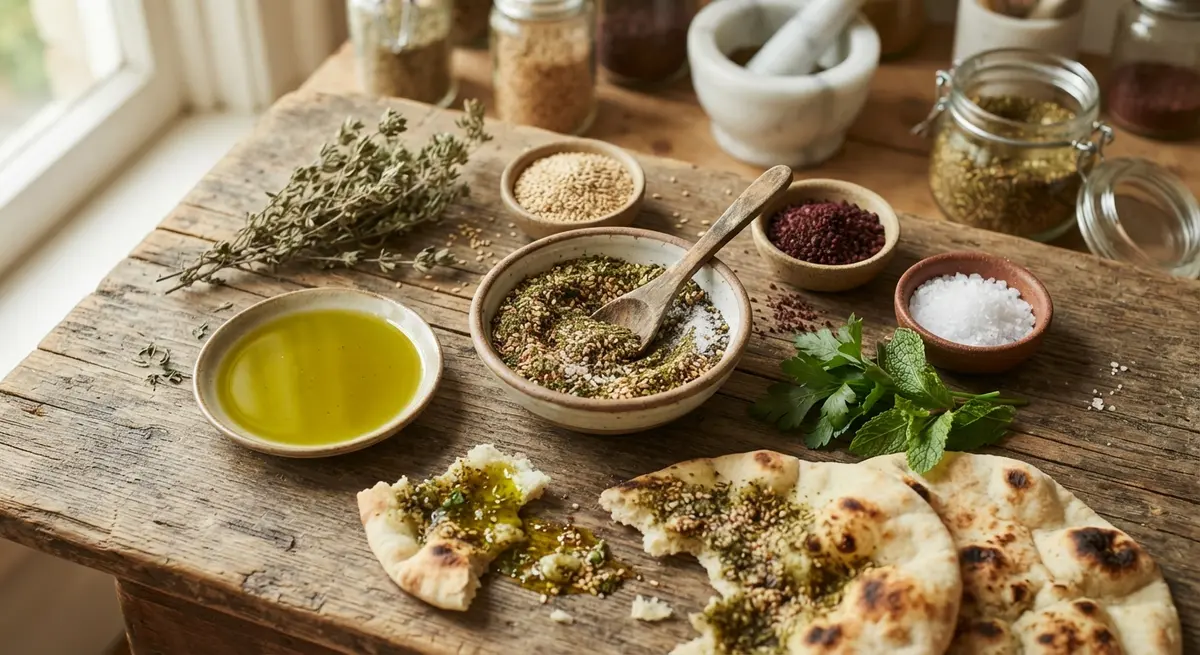
Za'atar: Flavor Profile, Health Benefits & Culinary Uses
Za'atar is a tricky word that names both a wild herb and a beloved blend — here is what is really in the jar, and the easiest ways to start using it tomorrow morning.
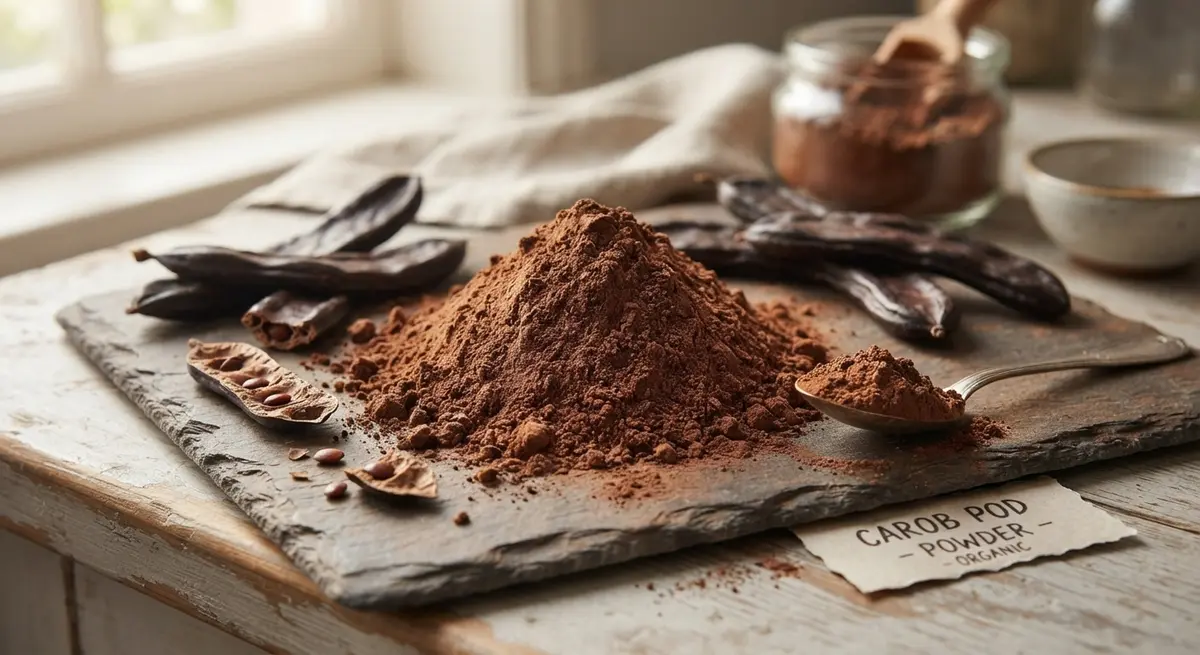
Carob Pod Powder: Flavor Profile, Health Benefits & Culinary Uses
Naturally sweet, caffeine-free carob comes from roasted Mediterranean pods — a toasty, malty brown powder that is not chocolate but deserves a pantry spot anyway.
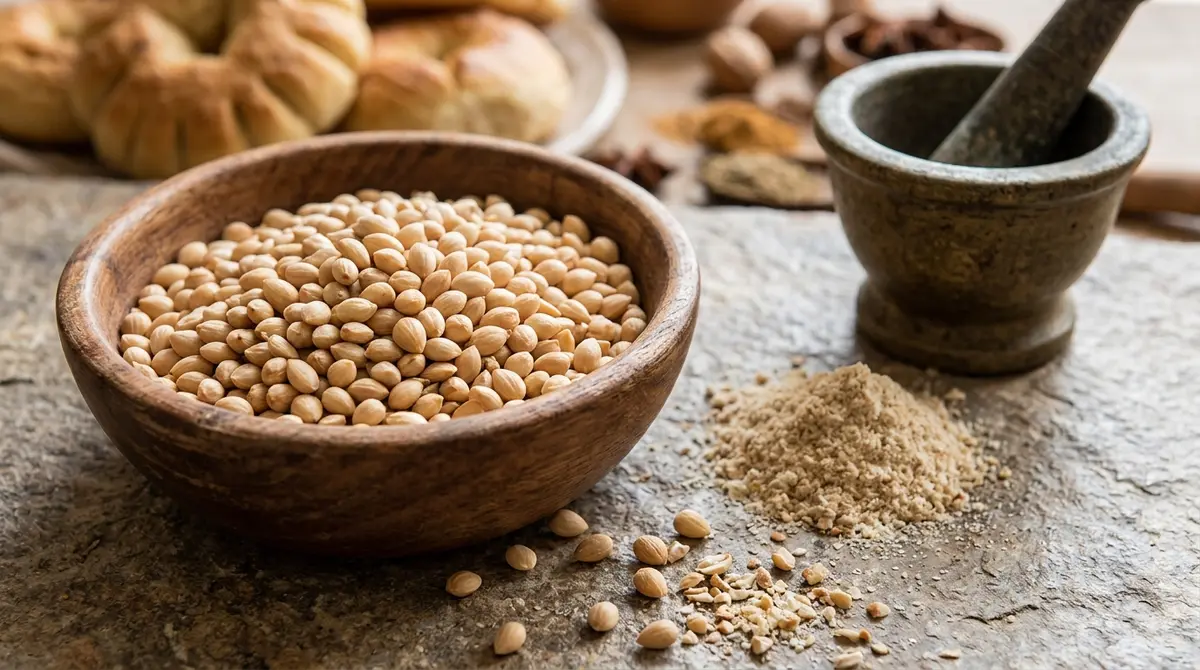
Mahlab: Flavor Profile, Health Benefits & Culinary Uses
Meet the quiet secret of Middle Eastern baking: the ground pits of the St. Lucie cherry, which make breads and cookies taste of almonds, rose, and faint cherry.
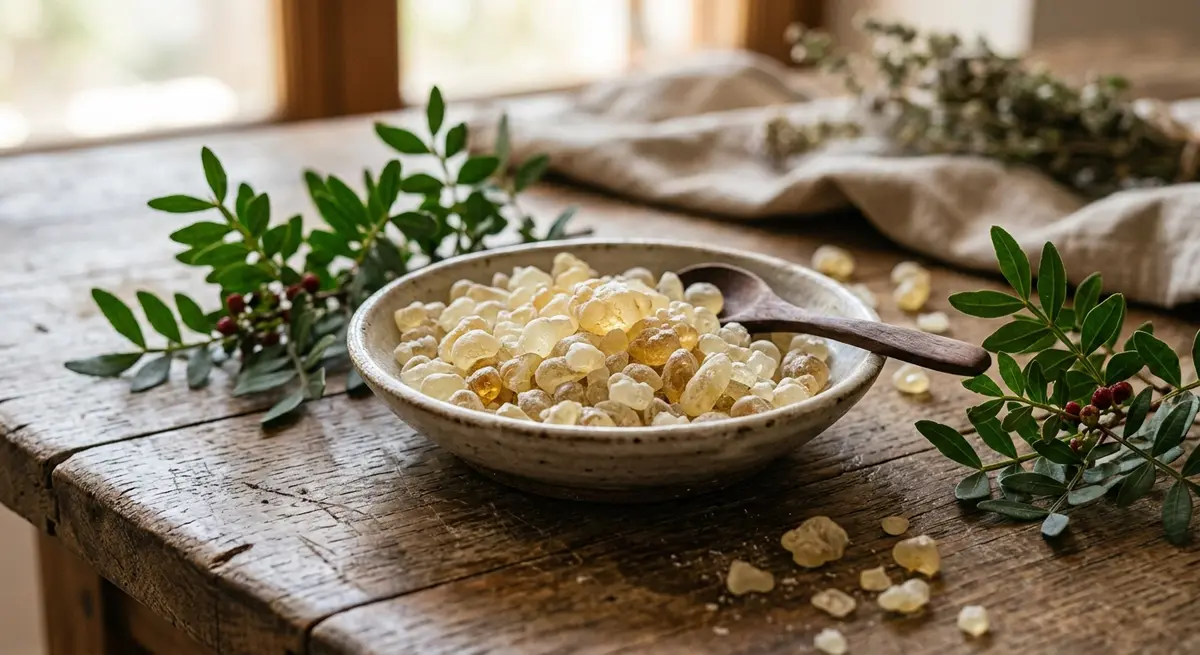
Mastic (Chios Resin): Flavor Profile, Health Benefits & Culinary Uses
Tiny tears of resin from a Greek island that crack like candy: what mastic tastes like, how to grind it safely, and the ice creams and breads it defines.
About the Authors
This recipe and guide was developed, tested, and approved in our home kitchen and daily life. Jamy is a retired Food Service District Manager and Early Childhood Program Manager who spent his career overseeing multi-site restaurant operations, large-scale culinary production, and daycare menu management. Kaïna brings the ultimate real-world test: making sure it brings ease and joy to our kids on a busy weeknight.
Read more about our professional background and philosophy →