Mahlab: Flavor Profile, Health Benefits & Culinary Uses
By the QuiteRecipes team (Jamy & Kaïna)
Meet the quiet secret of Middle Eastern baking: the ground pits of the St. Lucie cherry, which make breads and cookies taste of almonds, rose, and faint cherry.
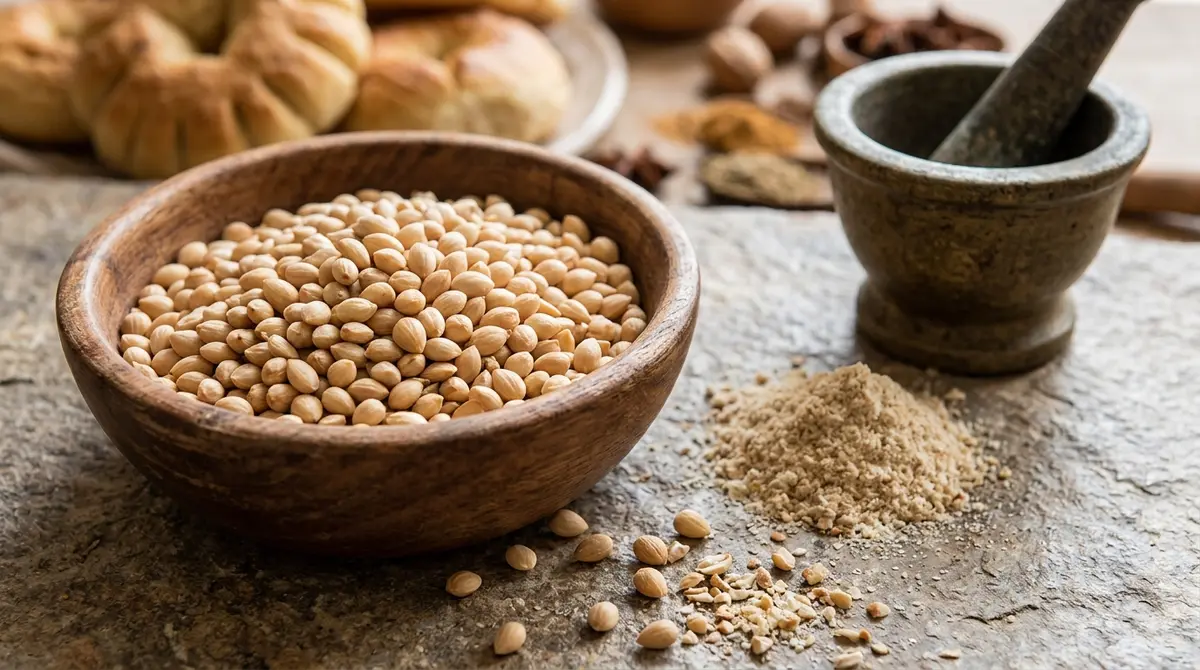
Mahlab is the stone fruit you never knew you were missing. It comes from the pits, not the fruit, of the St. Lucie cherry — Prunus mahaleb — a wild cherry of the Mediterranean and the Middle East, dried and ground into a pale powder that smells like almonds playing hide and seek with sour cherry.
It is the quiet secret of Middle Eastern baking, of Greek and Turkish Easter breads, of Danish pastries. In a culture that has baked with it for centuries, mahlab makes the difference between bread and bread you remember.
Flavor Profile & Notes
Crushed and sniffed raw, mahlab is unmistakable: bitter almond, cherry pit, a touch of rose and vanilla that comes through in the oven. The flavor is gentle but persistent — you notice it in the first whiff and again in the aftertaste. Use small amounts, one or two teaspoons per batch of dough, because the aroma blossoms as it bakes. In tsoureki and çörek Easter breads, maamoul shortbread, and semolina cakes, it reads like marzipan's more interesting cousin. Toasting the seeds in a dry pan before grinding deepens the almond note, though most cooks buy it ground and use it straight away.
Health Benefits & Nutrition
As a seasoning, mahlab is not nutritionally significant — a teaspoon spread over a whole batch of bread. It does earn respect as a pit of the cherry family: the seeds contain a compound your body converts to a type of cyanide in larger amounts, which is precisely why nobody eats cherry pits raw. Cooking and tiny doses are the whole story of its safety, and European regulators allow it as an ingredient in baked goods in ordinary quantities. Use exactly what recipes call for, never more, and keep the jar away from children who might snack on the whole seeds.
Best Culinary Pairings
This is the signature of holiday breads: Greek tsoureki, Turkish çörek, and Armenian choreg all rely on it. It shows up with orange flower or rose water in maamoul date cookies and semolina basbousa, and Scandinavian bakers sneak it into rich yeasted pastries. A small pinch elevates rice pudding, custards, and shortbread. In savory company it is less common, but a whisper in lamb and apricot tagines is a regional touch worth trying.
Quick Substitutes
Nothing quite matches mahlab. Bitter almond extract is the closest flavor twin — use a few drops and temper them with a pinch of vanilla. An almond extract pinch plus a drop of rose water lands near the mark in sweet doughs. If you have neither, ground almonds with a splash of vanilla and a tiny pinch of cinnamon gives you a pleasant cousin, though the distinctive cherry note will be missing.
FAQ / Quick Facts
- How long does it keep? About a year ground, stored in a sealed jar away from heat and light; whole stones keep longer.
- What does it taste like? Almond, cherry pit, and a soft rose-vanilla perfume that strengthens as it bakes.
- Botanical family / Form: Rosaceae — the ground pits of the St. Lucie cherry (Prunus mahaleb). Use only in small, recipe-sized amounts in baked goods.
Related Articles
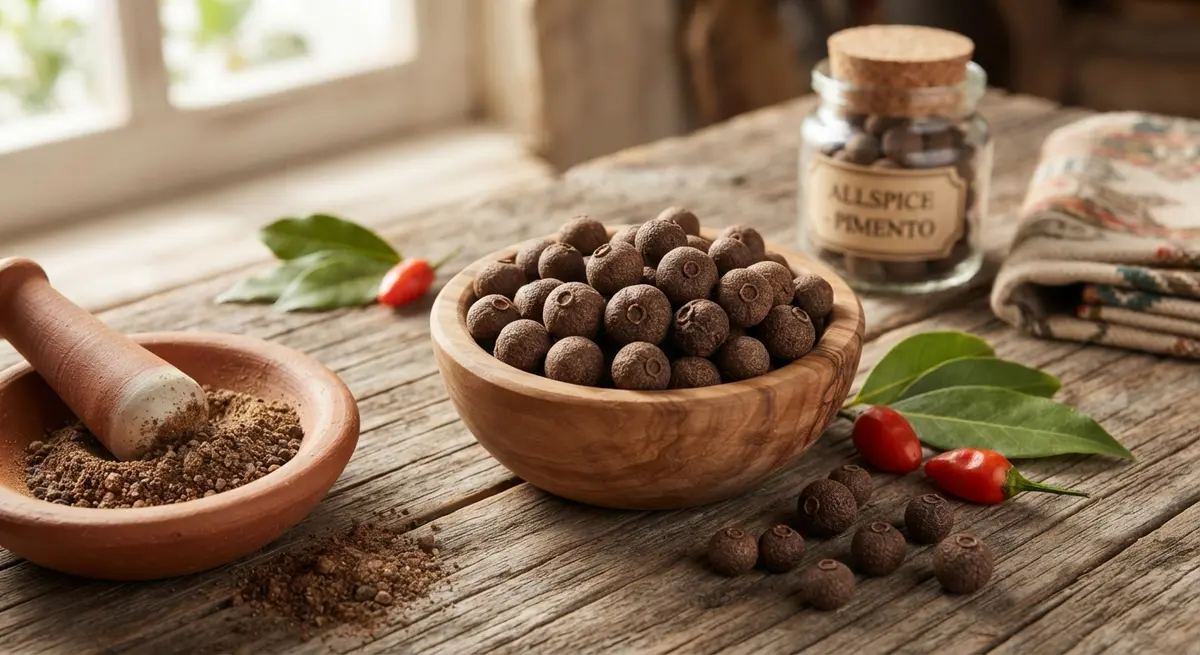
Allspice (Pimento): Flavor Profile, Health Benefits & Culinary Uses
Allspice is one dried berry that tastes like clove, cinnamon, nutmeg, and pepper in a single jar, and it swings from jerk chicken to apple pie with ease.
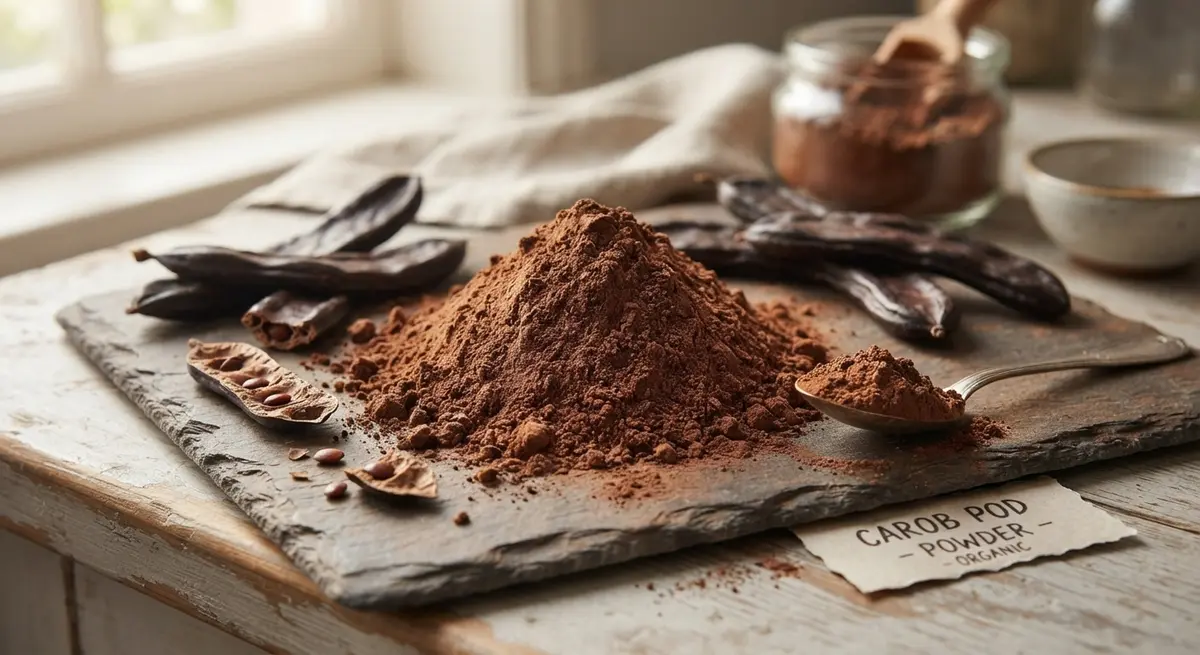
Carob Pod Powder: Flavor Profile, Health Benefits & Culinary Uses
Naturally sweet, caffeine-free carob comes from roasted Mediterranean pods — a toasty, malty brown powder that is not chocolate but deserves a pantry spot anyway.
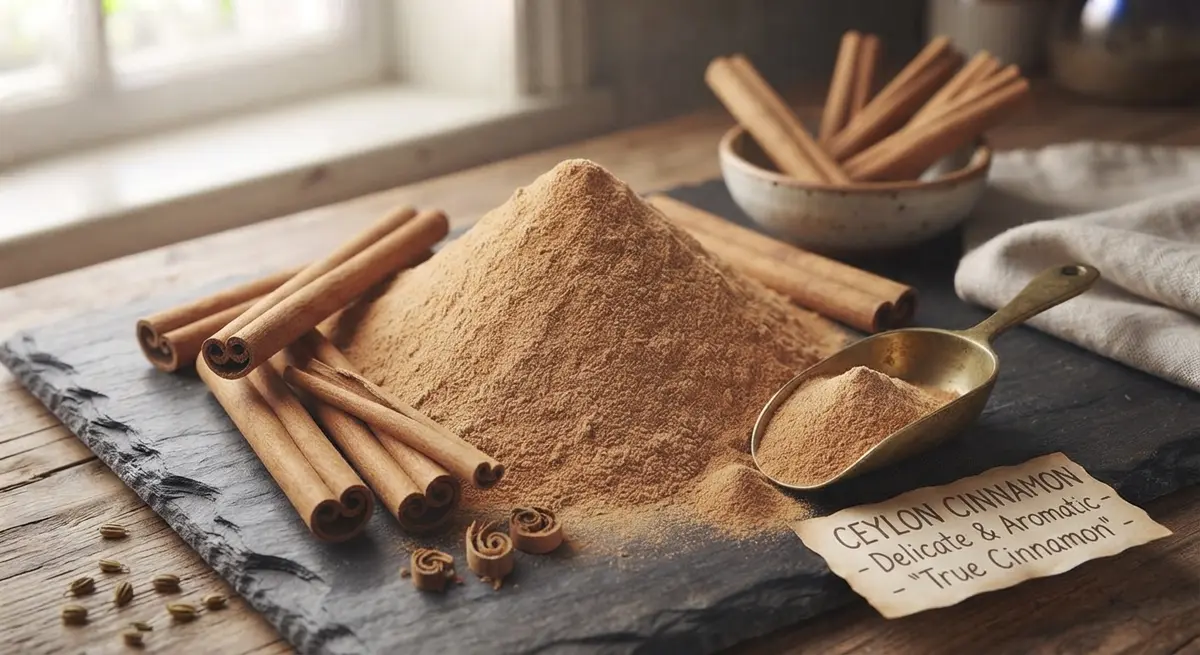
Ceylon Cinnamon: Flavor Profile, Health Benefits & Culinary Uses
Ceylon is the delicate, low-coumarin 'true cinnamon' from Sri Lanka. Here is how to tell it apart, cook with it, and know when it is worth the money.
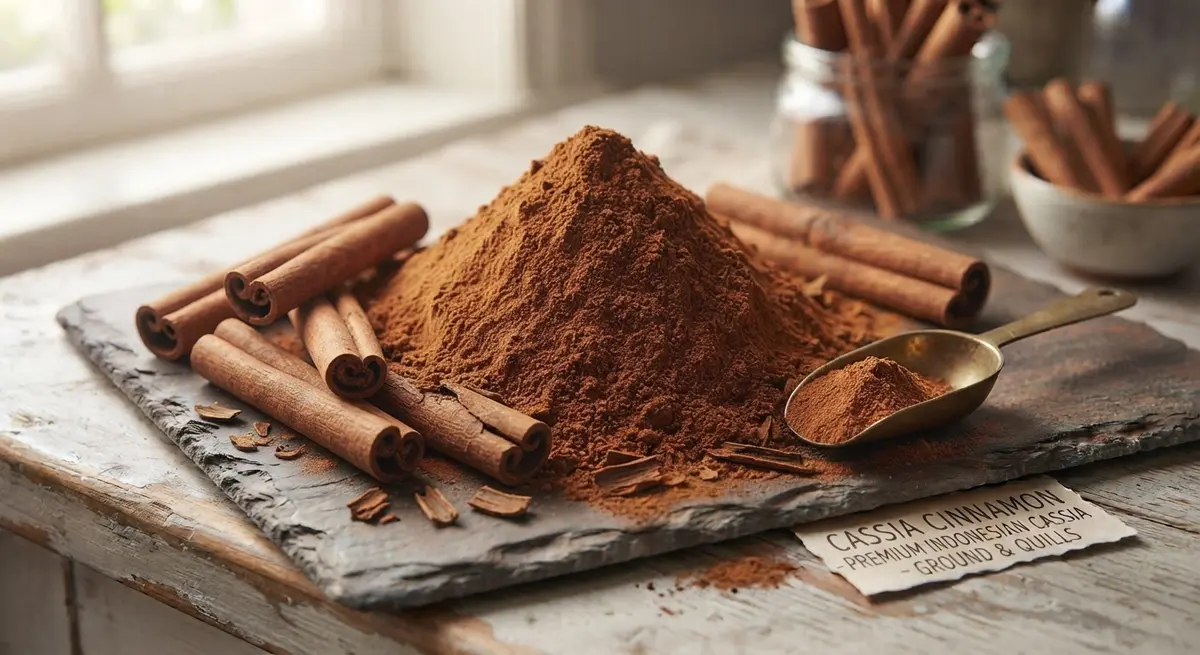
Chinese Cassia Cinnamon: Flavor Profile, Health Benefits & Culinary Uses
The tall, dark, strongly spicy jar on American shelves is usually cassia, not true cinnamon. Here is its flavor, best uses, and the honest coumarin facts.
About the Authors
This recipe and guide was developed, tested, and approved in our home kitchen and daily life. Jamy is a retired Food Service District Manager and Early Childhood Program Manager who spent his career overseeing multi-site restaurant operations, large-scale culinary production, and daycare menu management. Kaïna brings the ultimate real-world test: making sure it brings ease and joy to our kids on a busy weeknight.
Read more about our professional background and philosophy →