Myrtle Berries: Flavor Profile, Health Benefits & Culinary Uses
By the QuiteRecipes team (Jamy & Kaïna)
Myrtle is the Mediterranean's quietly regal berry, sweet, piney, and peppery, and the secret perfume of Sardinian roast pork and wild game.
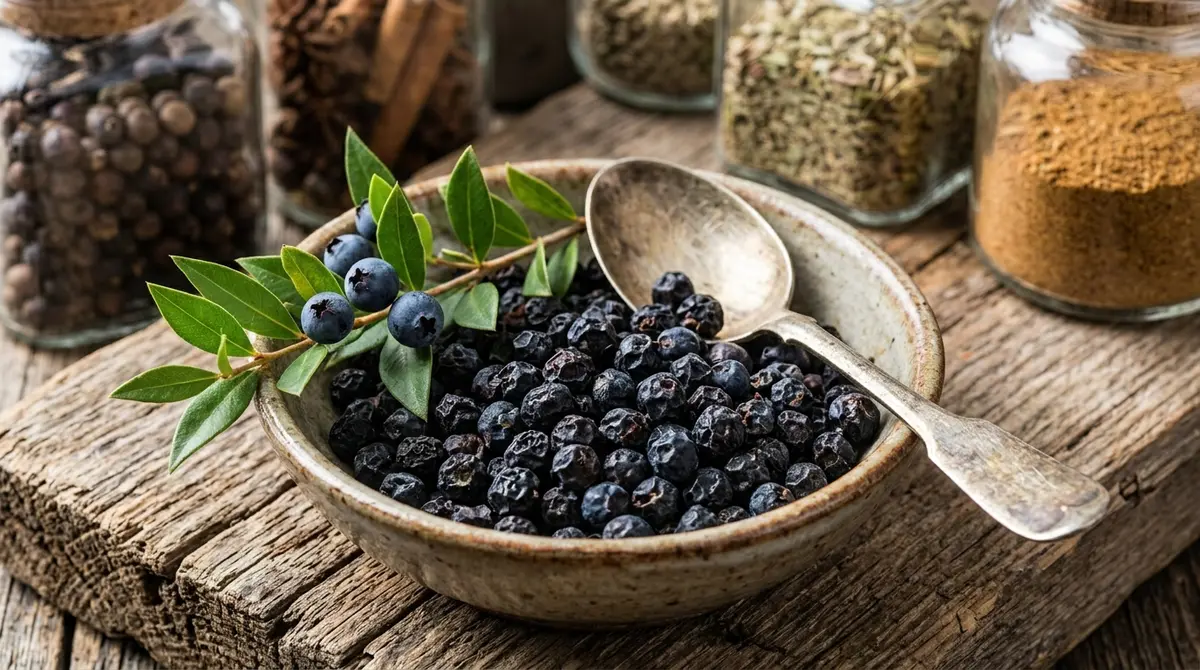
Myrtle berries are the Mediterranean pantry's quiet royalty. They grow along the coasts and shrublands of southern Europe in glossy-leaved myrtle bushes, and for centuries Sardinian cooks have known exactly what to do with them: get a suckling pig (porceddu) in front of a fire, stuff the cavity with myrtle branches, and simmer the berries into a wine sauce to pour over the finished roast. The result smells like the whole island — sweet bay leaf, pepper, resin, and a hint of juniper. Dried myrtle berries arrived on spice shelves relatively recently, and they behave a lot like a subtle, bonafide allspice-meets-juniper berry with less sweetness and more bay.
They reward restraint. A small handful does the work of a whole garden, and their flavor deepens rather than fades over most of a long braise.
Flavor Profile & Notes
Resinous, sweet, and piney, with bay and pepper nuances and a gentle juniper-like lift. Fresh berries are deep blue-black with a waxy coat; dried, they go dark and crinkle into small rounds about the size of peppercorns. They can be used whole in marinades, crushed under a knife, or ground into rubs. The flavor stands up to long cooking beautifully. Grinding brings out the peppery bite, while whole berries favor the sweeter, bay-like top notes.
Health Benefits & Nutrition
The myrtle plant has an ancient folk reputation as a tonic and respiratory aid, and the berries are a modest source of antioxidant compounds shared with their myrtle-family relatives. For the kitchen, the honest summary is that myrtle is a deeply aromatic, low-sodium way to perfume a roast, which is a fine benefit on its own. Nothing here competes with a pharmacy shelf, and no one should need one for a berry this mild.
Best Culinary Pairings
Sardinia sets the template: roast or suckling pig, wild boar, and game birds all love a myrtle stewed with wine, garlic, and a bay of its own. Crush the berries into a rub for lamb chops or venison, scatter them into a pan sauce with red wine, or add whole berries to a braised cabbage or lentil dish for an unexpected, elegant note. They are also the making of mirto, the Sardinian after-dinner liqueur — steep dried berries in good brandy or sweet vermouth for a month, and you will understand the obsession.
Quick Substitutes
Juniper berries are the closest everyday swap, though you will lose the sweeter bay character; for that, add a crumble of bay leaf. A mix of juniper, allspice, and a whisper of dried rosemary gets deep into myrtle country. Use slightly less of any substitute, since substitutes tend to be punchier than the real thing.
FAQ / Quick Facts
- How long does it keep? Dried myrtle berries keep over a year in a sealed jar away from light.
- What do they taste like? Sweet bay meets juniper with a peppery finish and a resinous, pine-like warmth.
- Are they coffee berries? No — they come from the myrtle shrub, Myrtus communis, a Mediterranean native.
- Botanical family / Form / Best uses: Myrtus communis (Myrtaceae) / whole or ground dried berries / roast pork, game, sauces, and liqueurs.
Related Articles
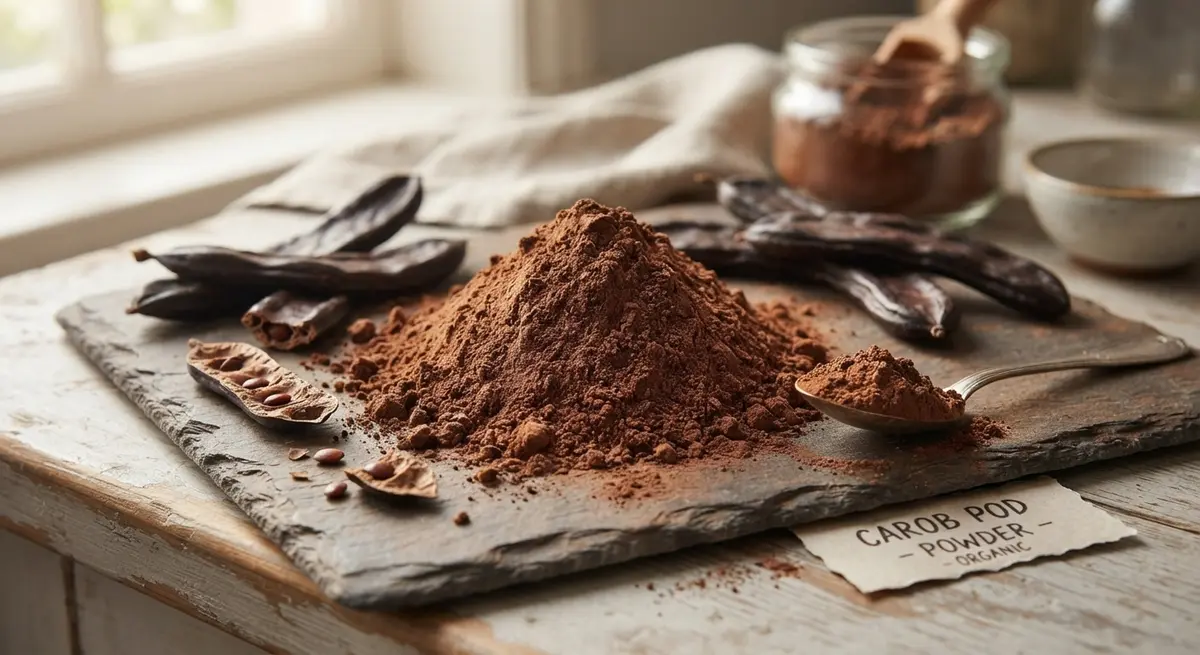
Carob Pod Powder: Flavor Profile, Health Benefits & Culinary Uses
Naturally sweet, caffeine-free carob comes from roasted Mediterranean pods — a toasty, malty brown powder that is not chocolate but deserves a pantry spot anyway.
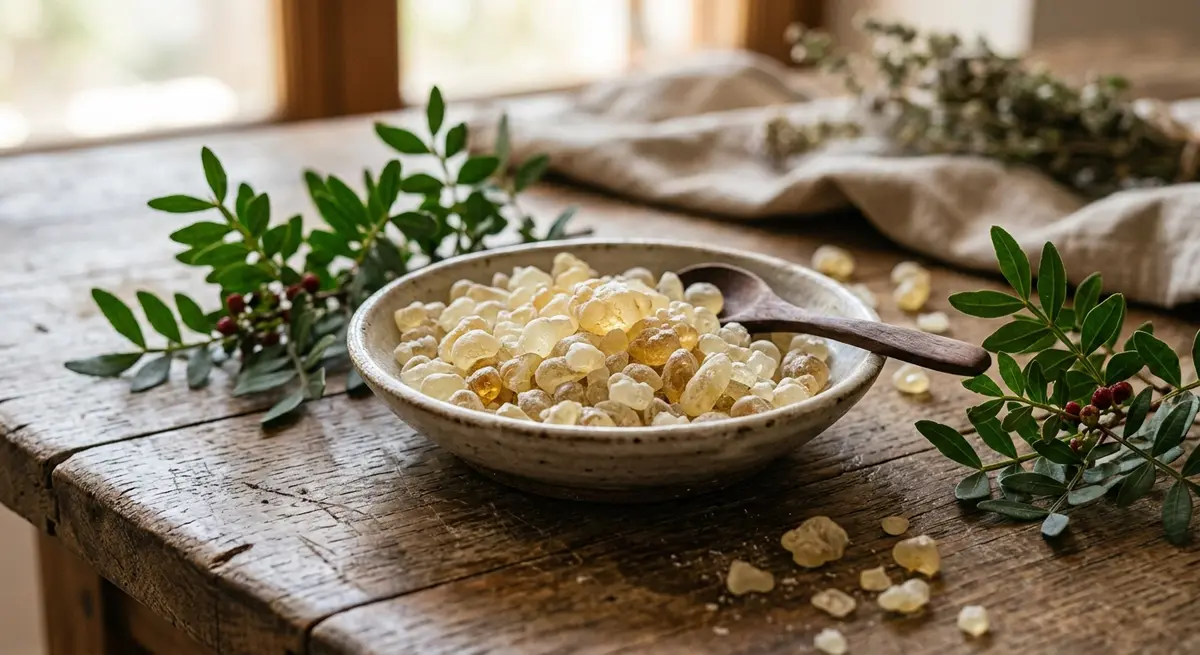
Mastic (Chios Resin): Flavor Profile, Health Benefits & Culinary Uses
Tiny tears of resin from a Greek island that crack like candy: what mastic tastes like, how to grind it safely, and the ice creams and breads it defines.
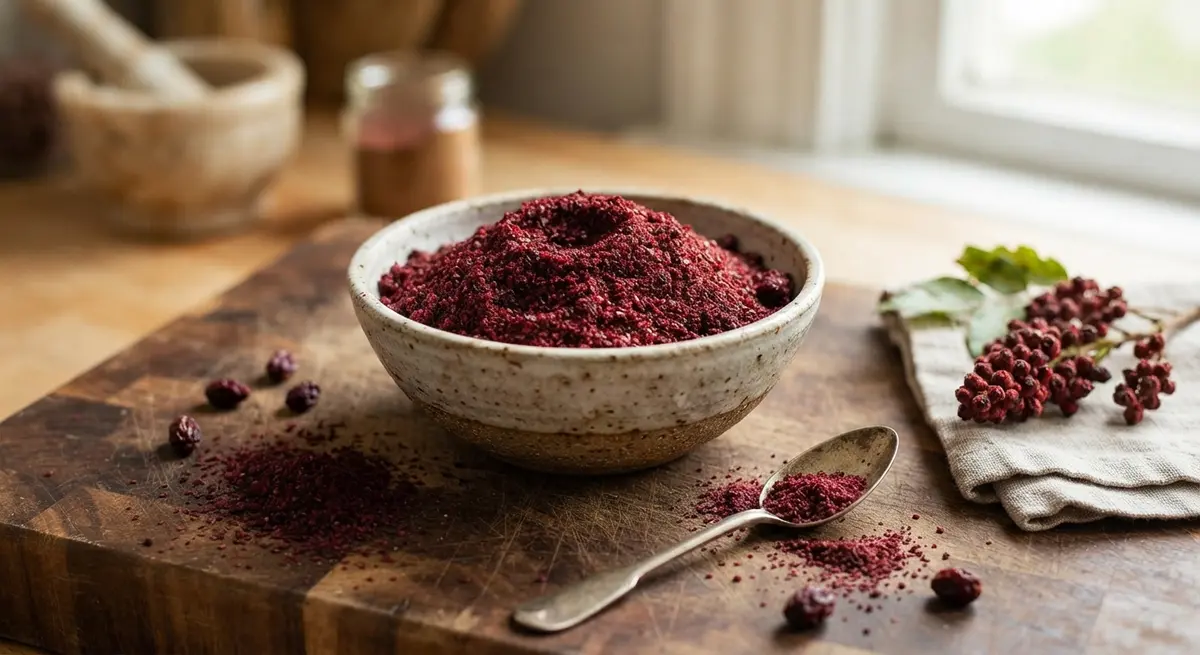
Sumac: Flavor Profile, Health Benefits & Culinary Uses
Why sumac belongs on every Mediterranean and Middle Eastern shelf: the story of the sour red berry, its best partners, and honest substitutes when the jar runs out.
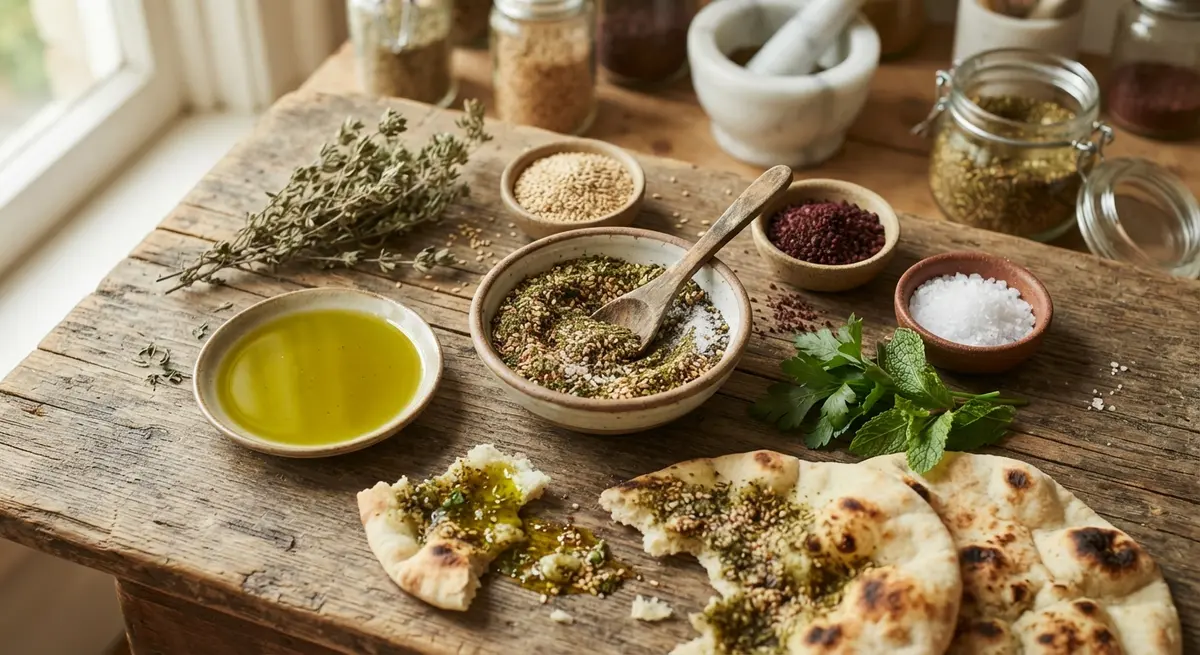
Za'atar: Flavor Profile, Health Benefits & Culinary Uses
Za'atar is a tricky word that names both a wild herb and a beloved blend — here is what is really in the jar, and the easiest ways to start using it tomorrow morning.
About the Authors
This recipe and guide was developed, tested, and approved in our home kitchen and daily life. Jamy is a retired Food Service District Manager and Early Childhood Program Manager who spent his career overseeing multi-site restaurant operations, large-scale culinary production, and daycare menu management. Kaïna brings the ultimate real-world test: making sure it brings ease and joy to our kids on a busy weeknight.
Read more about our professional background and philosophy →