Habanero Chili: Flavor Profile, Health Benefits & Culinary Uses
By the QuiteRecipes team (Jamy & Kaïna)
One pepper that smells like apricots and tastes like a bonfire: habanero's real heat level, how to handle it safely, and the Caribbean dishes it owns.
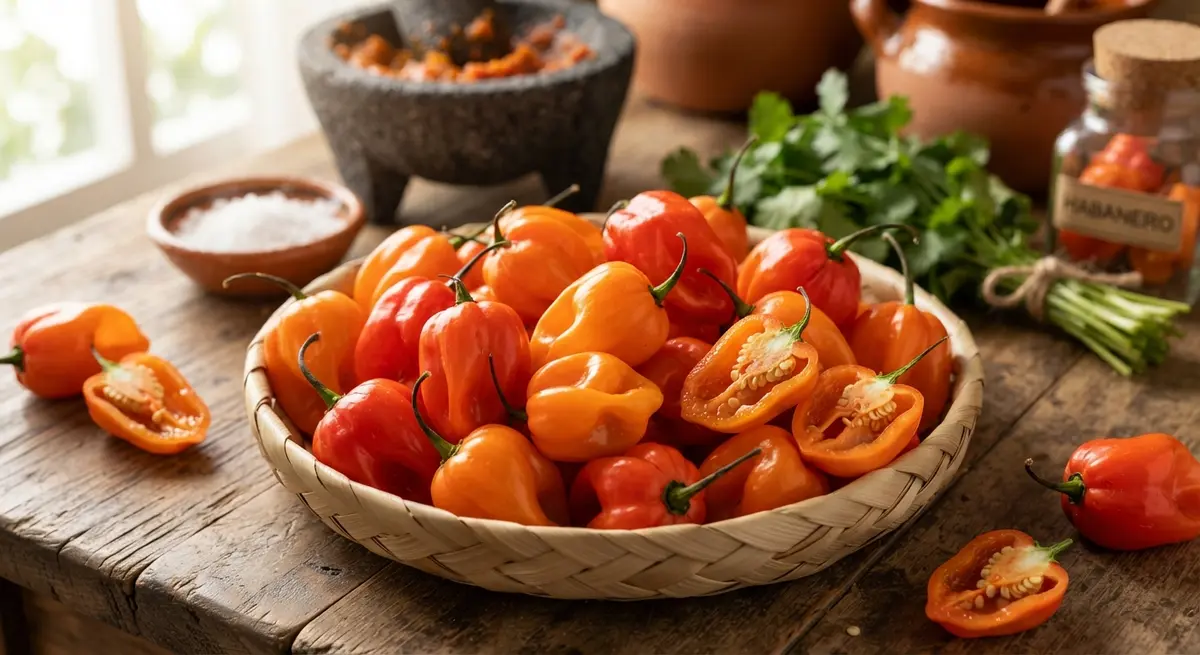
Habaneros are the lanterns of the chili world — small, wrinkled, and bright orange, with a fruity perfume that promises nothing and then delivers a wallop. Grown across the Yucatan for thousands of years, they are the everyday heat of the Caribbean table and the serious cook's shortcut to real fruitiness.
The joke is that habaneros smell like apricots and taste like a bonfire. That duality is the whole reason cooks put up with the burn: it is fierce but clean, and behind it sits a tropical, citrusy sweetness that chipotle can only dream of.
Flavor Profile & Notes
At 100,000 to 350,000 Scoville units, a habanero is roughly ten to thirty times hotter than a jalapeno, and the heat builds slow before camping in your mouth. The fruity undercurrent — apricot, mango, peach — is what sets it apart, more pronounced in the orange and red varieties. One pepper can raise a whole pot, so start small. The seeds and pale membranes hold most of the fire, so removing them tames the burn and keeps the fruit. Wear gloves or wash your hands thoroughly; the oils cling to skin for hours. Dried whole habaneros and powder are the shelf-stable forms, and the powder seasons more evenly than fresh.
Health Benefits & Nutrition
Capsaicin, the compound behind the burn, is what gets the research attention — it is studied for metabolism, pain signaling, and as the active ingredient in many arthritis creams. Along the way, habanero delivers a serious dose of vitamins A and C. The catch is the dose you can actually eat: the burn limits most people to a few slices, which is fine. The burn is not damage, but stomachs are individual, so anyone with a sensitive gut should go gently. Cook it into food rather than challenging yourself whole.
Best Culinary Pairings
Habanero is the heart of Caribbean heat: Jamaican jerk marinades, escovitch fish with pickled onions, and pikliz, the fiery Haitian relish of cabbage and carrots. It loves fruit, which is why mango, papaya, and pineapple salsas are its natural habitat. Whisk minced habanero into a honey-lime glaze for wings, blend it into citrus-forward hot sauce with garlic, or simmer one in black beans. Corn, cilantro, and lime are its reliable friends.
Quick Substitutes
Scotch bonnet is the truest twin — fruitier and a touch hotter, welcome wherever habanero is named. For heat with less fruit, cayenne or bird's-eye chiles work, but add a squeeze of citrus and a pinch of sugar to approximate the tropical note. A halved serrano plus a spoonful of apricot preserves gets you in the neighborhood. In powder form, cayenne is the common stand-in; just season to heat rather than flavor.
FAQ / Quick Facts
- How hot is a habanero? 100,000 to 350,000 Scoville units — ten to thirty times hotter than a jalapeno.
- Where does it come from? Capsicum chinense, native to the Yucatan and now the signature heat of Caribbean cooking.
- Form / handling: Fresh pods, dried whole pods, or powder; remove seeds and membranes for less heat, and never touch your eyes after handling.
Related Articles
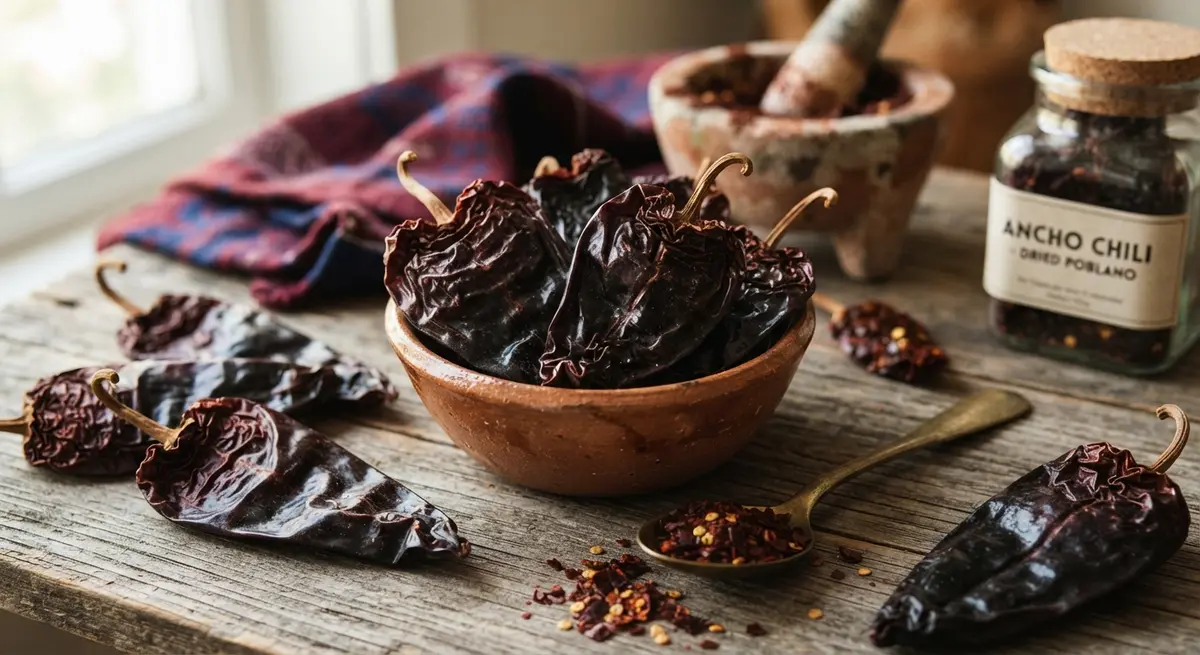
Ancho Chili: Flavor Profile, Health Benefits & Culinary Uses
The mildest, sweetest of Mexico's famous dried chiles: ancho is the raisiny soul of mole whether whole, ground, or soaked into silky sauces.
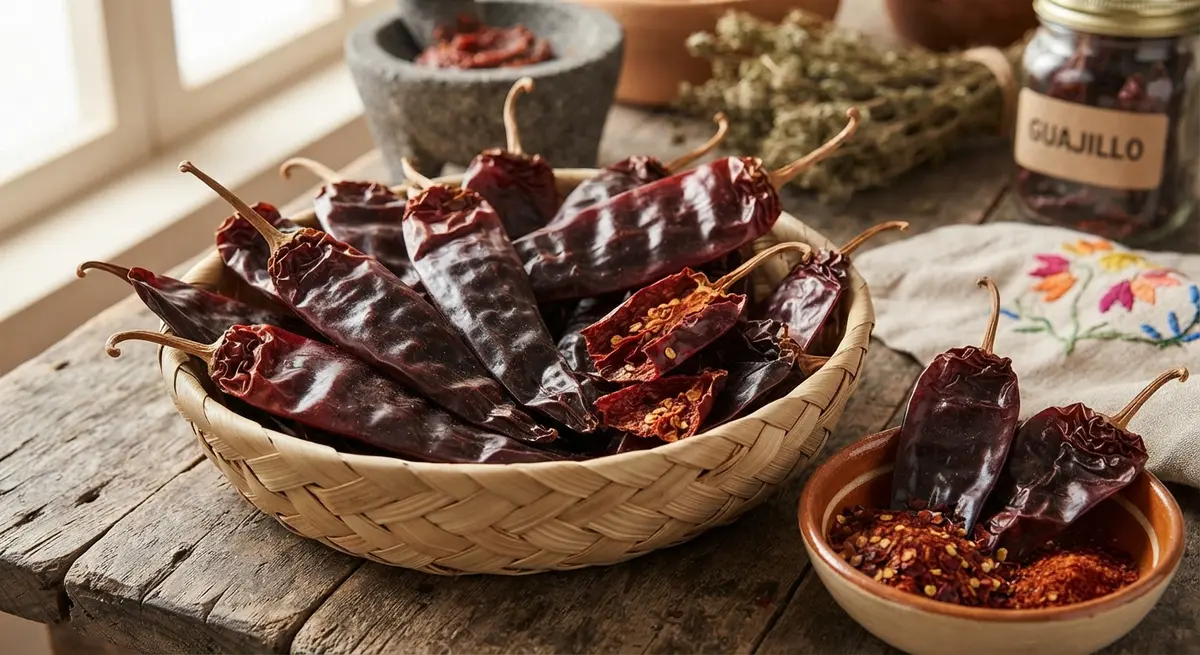
Guajillo Chili: Flavor Profile, Health Benefits & Culinary Uses
Bright, brick-red, and everywhere — guajillo is the dried mirasol behind enchilada sauce and stews, with a cranberry tang no other chili quite matches.
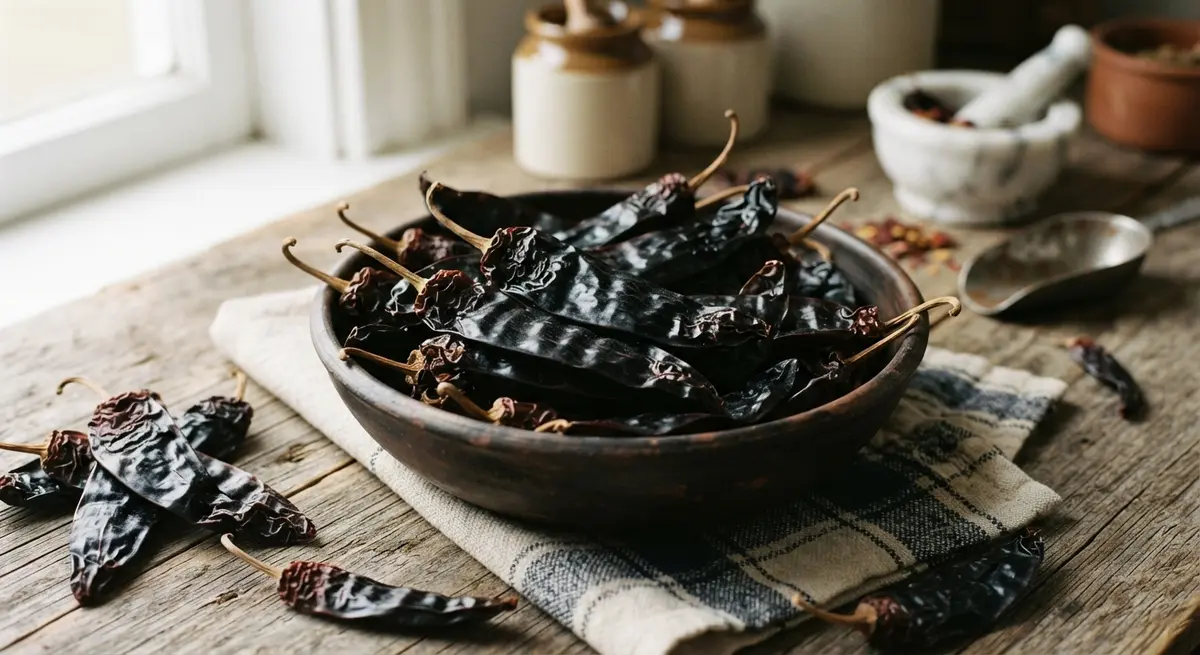
Pasilla Chili: Flavor Profile, Health Benefits & Culinary Uses
The 'little raisin' of Mexican dry chiles: pasilla is the dried chilaca, dark and mild, bringing prune-espresso depth to moles and braised meats.
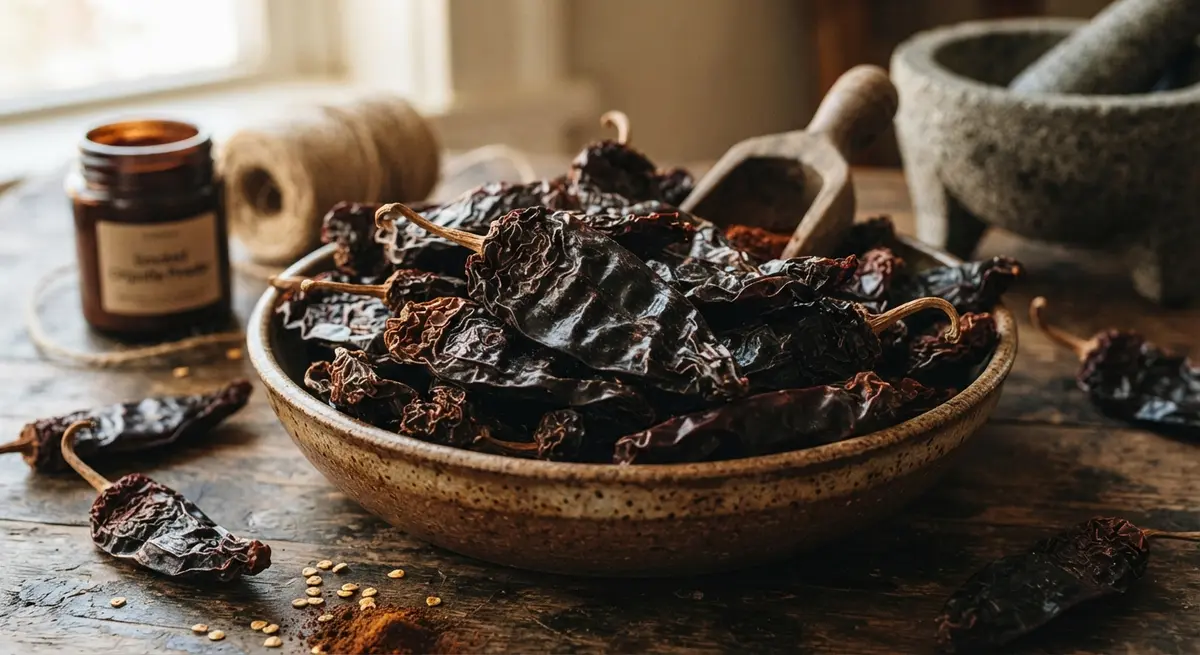
Smoked Chipotle Chili: Flavor Profile, Health Benefits & Culinary Uses
A jalapeno that ripened red and walked through smoke for a few days — chipotle's campfire flavor, friendly heat, and the two ways it reaches your kitchen.
About the Authors
This recipe and guide was developed, tested, and approved in our home kitchen and daily life. Jamy is a retired Food Service District Manager and Early Childhood Program Manager who spent his career overseeing multi-site restaurant operations, large-scale culinary production, and daycare menu management. Kaïna brings the ultimate real-world test: making sure it brings ease and joy to our kids on a busy weeknight.
Read more about our professional background and philosophy →