Fennel Seeds: Flavor Profile, Health Benefits & Culinary Uses
By the QuiteRecipes team (Jamy & Kaïna)
Sweet, mellow, and faintly grassy, fennel seeds are the gentle licorice note of Italian sausage and Indian dals. Here is the full guide to cooking with them.
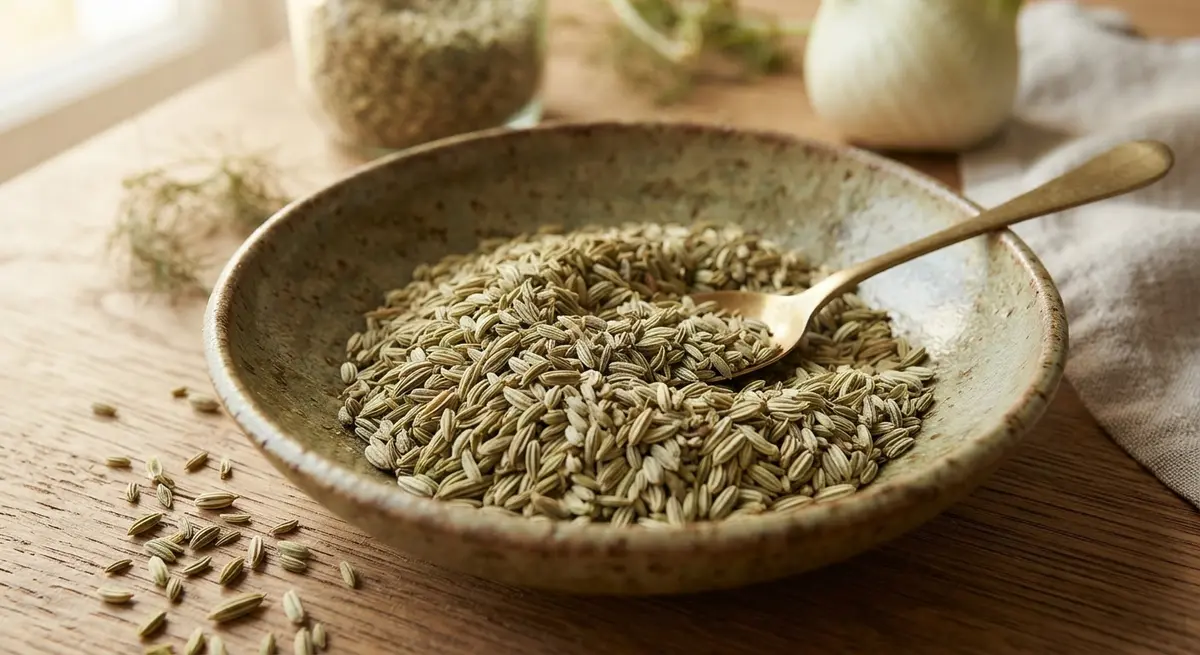
Fennel seeds have a quieter confidence than their licorice cousins. They come from Foeniculum vulgare, the feathery green plant that also gives us fennel bulbs and branches, native to the Mediterranean and now grown around the world. The oval, ridged, faintly green-brown seeds are the spice that ties a bowl of dals and a plate of Italian sausage to a single, elegant note.
Plenty of people who hate black licorice have never once objected to fennel seeds. That is the giveaway: fennel is the sweet, soft, forgiving wing of the licorice family — aniseed's little sibling with better manners. In India, a tiny bowl of them is the traditional after-dinner breath freshener.
Flavor Profile & Notes
Fennel seeds taste of mild, sweet licorice with a delicate grassy, almost celery-like top note — noticeably gentler than aniseed, with less resin and none of the sharp bite. Toasting them in a dry pan for a minute pulls out their nutty sweetness and turns the aroma round and honeyed, which is why good recipes always tell you to crack or toast them. Whole seeds perfume food gradually; ground fennel is stronger and sweeter and disappears into doughs and sauces. Like most seeds, they keep best whole and prefer dark, airtight storage.
Health Benefits & Nutrition
Fennel seeds have the nicest word-of-mouth in the family: they are the traditional post-dinner breath freshener and digestive aid across India, a practice with real traditional weight and modest scientific support for soothing digestion and settling bloating. They bring respectable fiber, manganese, calcium, and iron per serving — still a seasoning, but a friendly one. If anyone in the house has trouble getting through a heavy meal, a spoonful of toasted fennel seeds and a cup of warm water is older advice than most civilizations.
Best Culinary Pairings
Fennel seeds are non-negotiable in Italian sausage and meatballs, crumbled into the pork with black pepper, and they make roast pork and braised fennel bulb sing. They are a quiet hero in Indian cooking — a pinch with the tempering for dals, potatoes, and greens — and they star in Mediterranean fish, tomato sauces, and rustic breads. For dessert, crush them into a sweet mascarpone or scatter over poached oranges, or steep them in milk for a bedtime pudding that tastes like a warm kitchen.
Quick Substitutes
Aniseed is the nearest neighbor but louder — use half as much and mind the extra sweetness. Star anise is more resinous and intense still; one pod simmers for flavor, removed before serving. Caraway swaps well in savory pork dishes if you can accept its rye note. When a recipe needs fennel for its gentle celery-sweet edge, a pinch of celery seed plus a little sugar is a surprisingly credible pinch-hitter.
FAQ / Quick Facts
- Fennel, aniseed, or star anise? Fennel is the mildest and sweetest, with a grassy note; aniseed is sharper; star anise is big and resinous.
- Why is it served after meals in India? Traditional breath freshener and digestive — toasted whole seeds, eaten as they are.
- Know your spice: Apiaceae family; whole seeds or ground; the gentle licorice note in sausage, dals, and slow roasts.
Related Articles
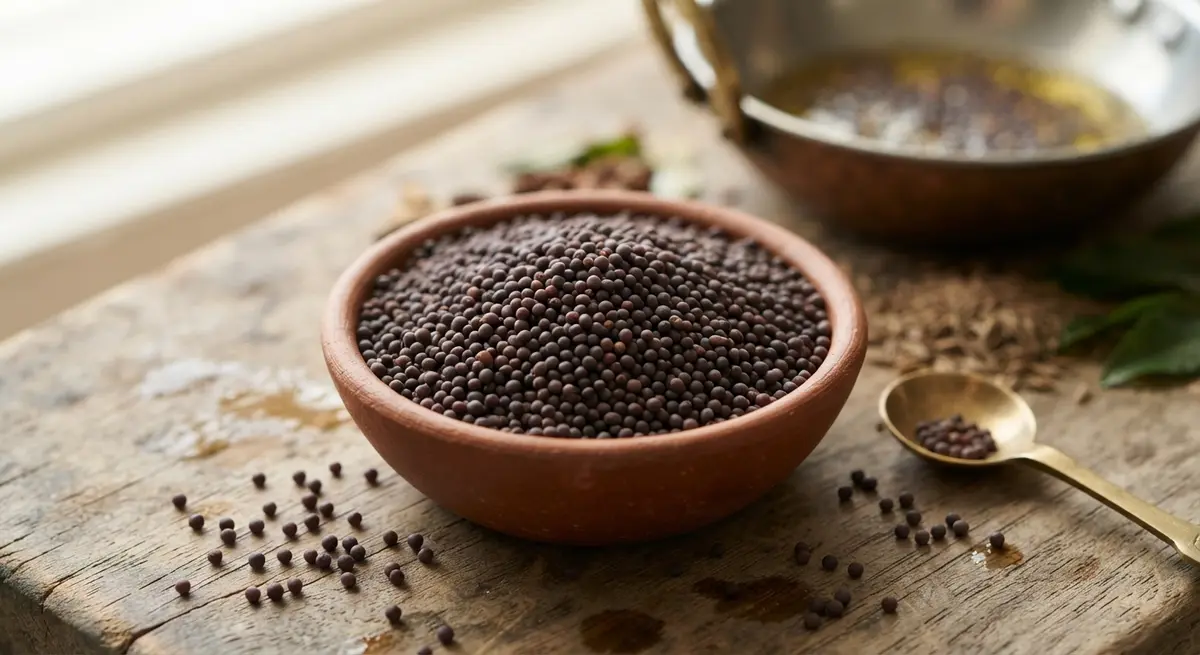
Black Mustard Seeds: Flavor Profile, Health Benefits & Culinary Uses
The tiny dark seeds that pop and sputter in hot oil are black mustard, the hottest of the family. Here is how to cook them the Indian way and where to swap.
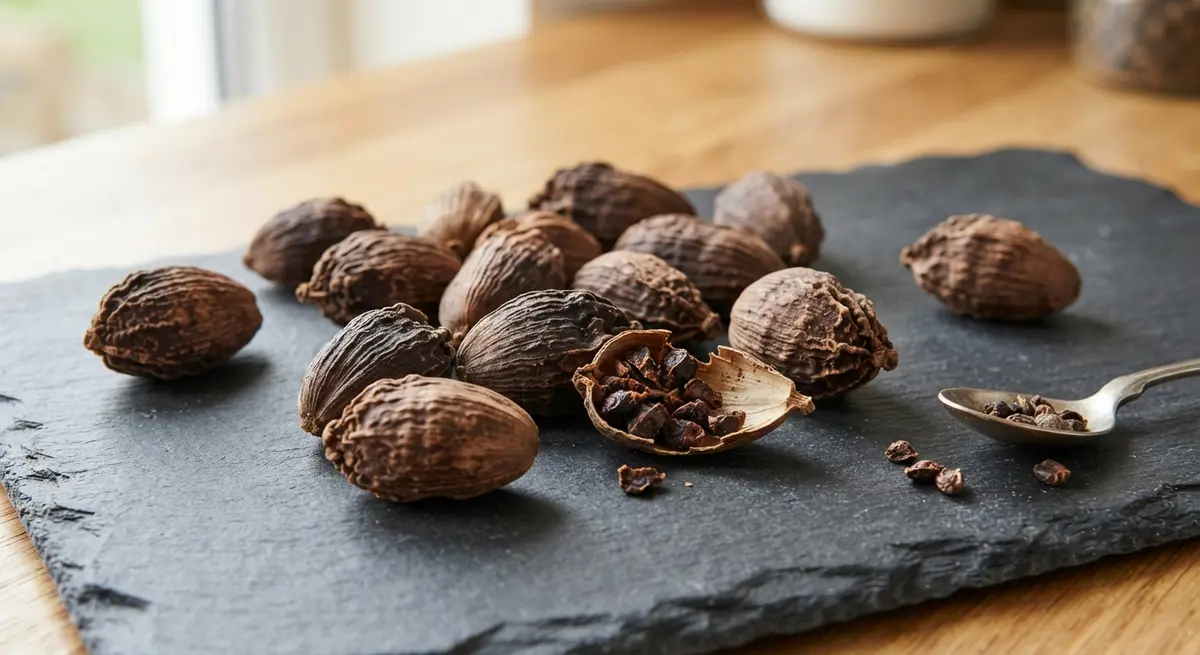
Brown & Black Cardamom: Flavor Profile, Health Benefits & Culinary Uses
The big wrinkled black pods sit next to green cardamom but come from a different species and taste like campfire. Here is where smoky black cardamom belongs.
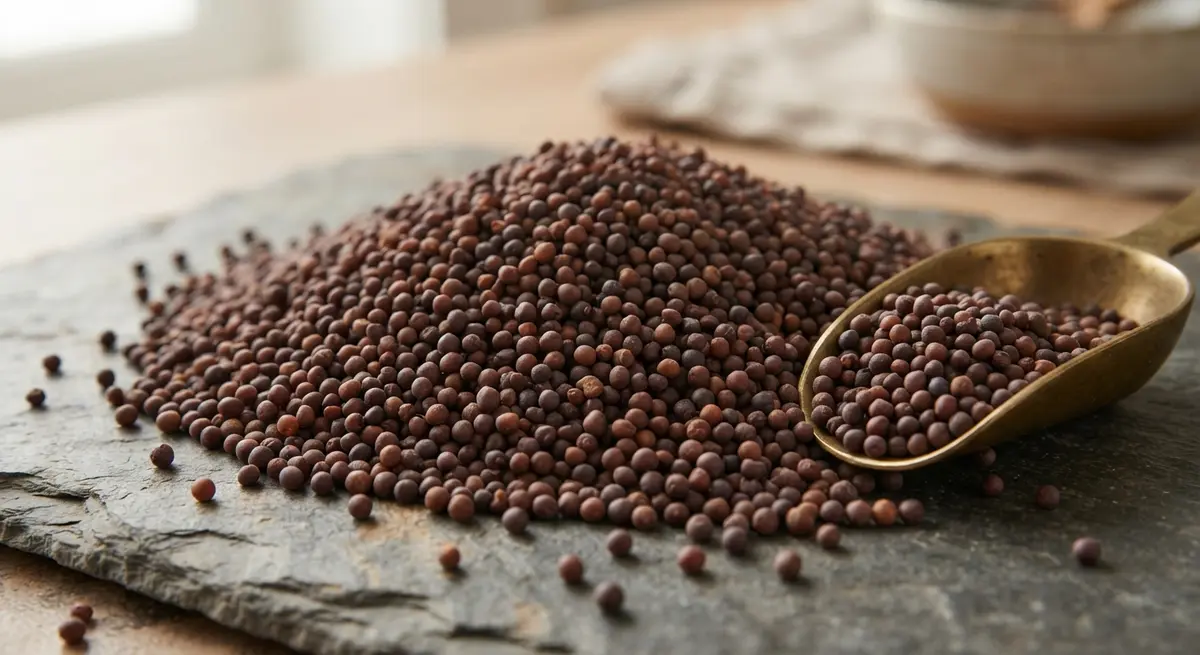
Brown Mustard Seeds: Flavor Profile, Health Benefits & Culinary Uses
Most jars labeled 'black mustard' actually hold brown seeds from Brassica juncea. Here is how their medium-hot pungency makes Dijon and stars in Indian cooking.
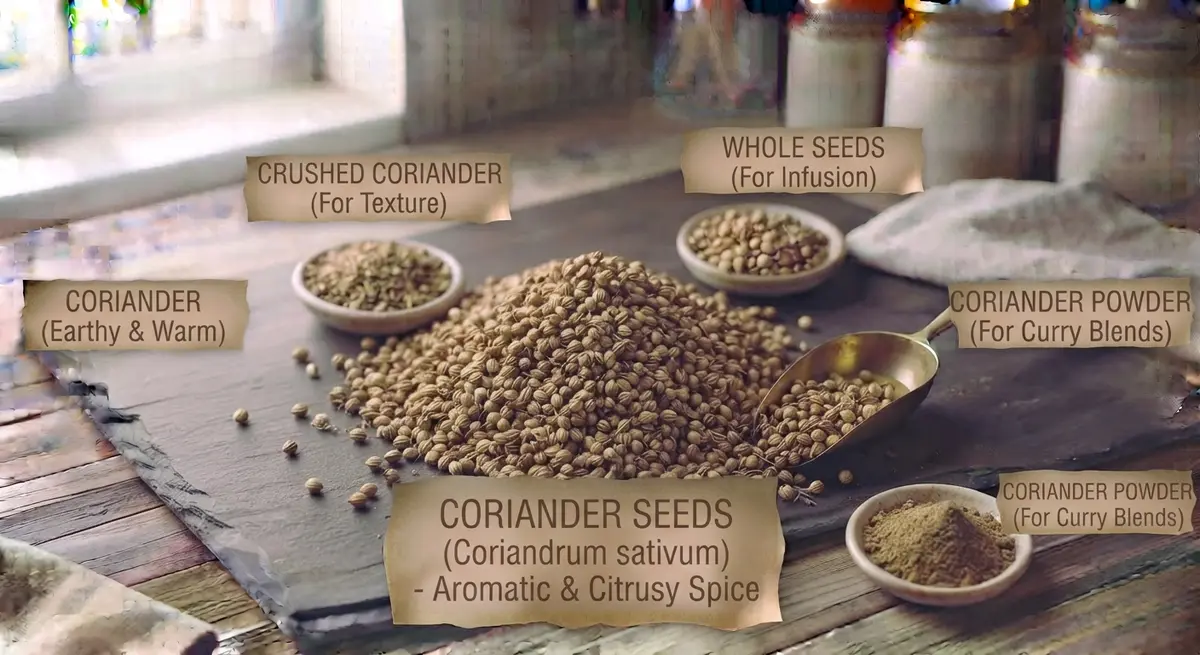
Coriander Seeds: Flavor Profile, Health Benefits & Culinary Uses
Coriander is the seed of the cilantro plant, and it confuses everyone by tasting nothing like cilantro. Warm, citrusy, and brighter than you expect, here is the how-to.
About the Authors
This recipe and guide was developed, tested, and approved in our home kitchen and daily life. Jamy is a retired Food Service District Manager and Early Childhood Program Manager who spent his career overseeing multi-site restaurant operations, large-scale culinary production, and daycare menu management. Kaïna brings the ultimate real-world test: making sure it brings ease and joy to our kids on a busy weeknight.
Read more about our professional background and philosophy →