Black Pepper: Flavor Profile, Health Benefits & Culinary Uses
By the QuiteRecipes team (Jamy & Kaïna)
The dusty jar of pre-ground pepper is not the same spice as one you grind at the table. Here is how to get the most from black pepper in every meal you cook.
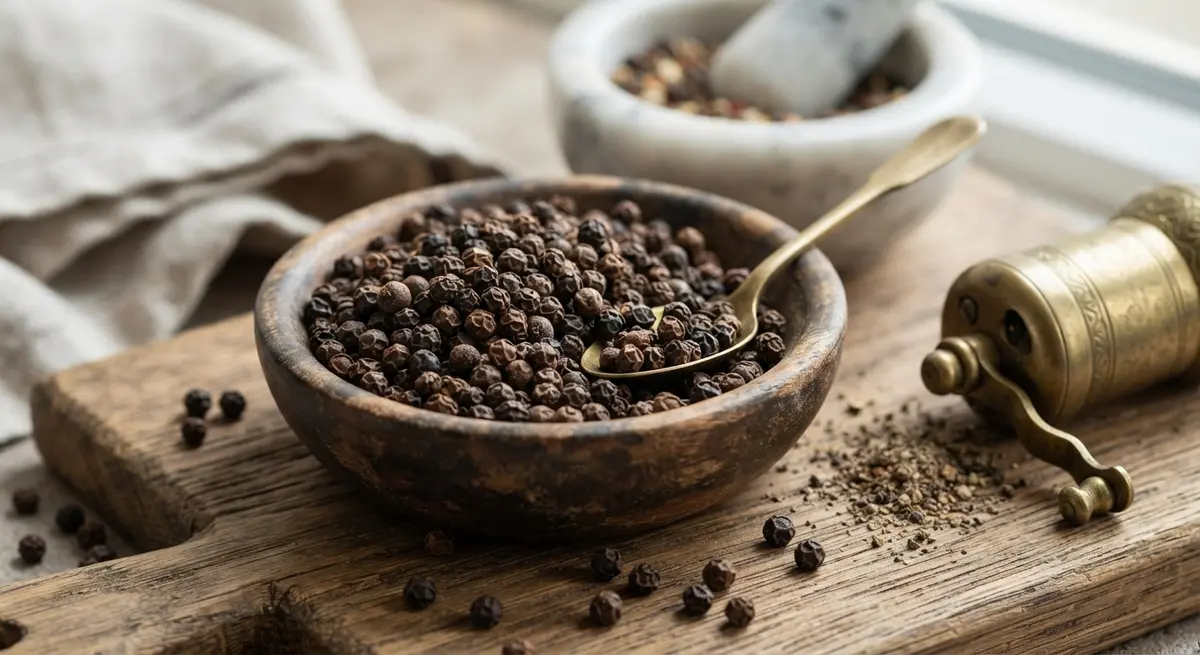
Black pepper is the spice that asks nothing and improves almost everything, and it is also the one most of us have been using wrong. The pre-ground jar on the counter is not really the same ingredient as the peppercorns you grind at the table. Learn the difference and you will understand why good restaurants always keep a pepper mill within arm's reach.
Peppercorns are the dried fruit of the vine Piper nigrum, native to India's Malabar Coast, where pepper has been traded for more than four thousand years. It was once valuable enough to be weighed out like gold and sometimes used as currency. Today it is cheap enough that the habit of buying whole peppercorns and grinding as you cook costs almost nothing and changes everything.
Flavor Profile & Notes
Whole black pepper is floral, woody, and intensely aromatic; freshly ground, it feels almost alive. That heat comes from piperine, a compound that builds slowly in the mouth rather than stinging like chili, and it carries a warm, slightly citrusy nose that most people never notice from a shaker jar. Pre-ground pepper loses those top notes fast. Grind over food at the table for the full effect, or bloom cracked pepper in hot oil at the start of cooking for a deeper, rounder warmth.
Health Benefits & Nutrition
Black pepper is a modest but real source of manganese, vitamin K, and iron by the teaspoon. Piperine is the more interesting part: studies show it significantly boosts the absorption of curcumin from turmeric, which is why the two have traveled together for centuries. Pepper also appears to support digestion by nudging saliva and stomach acid along. None of this is medicine, but it is a genuine reason to season generously with something you already enjoy.
Best Culinary Pairings
Black pepper is the default for eggs, steak, and roasted vegetables, but it does its best work in specific homes. Cacio e pepe and carbonara treat it as the star. Steak au poivre buries a crust of cracked peppercorns in a cream pan sauce. A pinch over strawberries with aged balsamic is a dessert habit worth stealing. Mushrooms, potatoes, and anything with caramelized edges welcome it without argument.
Quick Substitutes
For straight heat, cayenne or red pepper flakes approximate the burn but not the aroma; use about half as much and expect a sharper kick. A little freshly ground allspice can fill in for the warmth in creamed dishes. For the full experience there is no true substitute, which is why buying whole peppercorns and grinding them as you cook is the single best spice upgrade you can make.
FAQ / Quick Facts
- How long does it keep? Whole peppercorns stay potent for years; ground pepper fades noticeably after three or four months.
- What does it taste like? Warm, pungent, floral heat that builds slowly, nothing like the one-note sharpness of chilies.
- Know your spice: Piperaceae family; whole, coarse, or fine; best used freshly ground at the table.
Related Articles
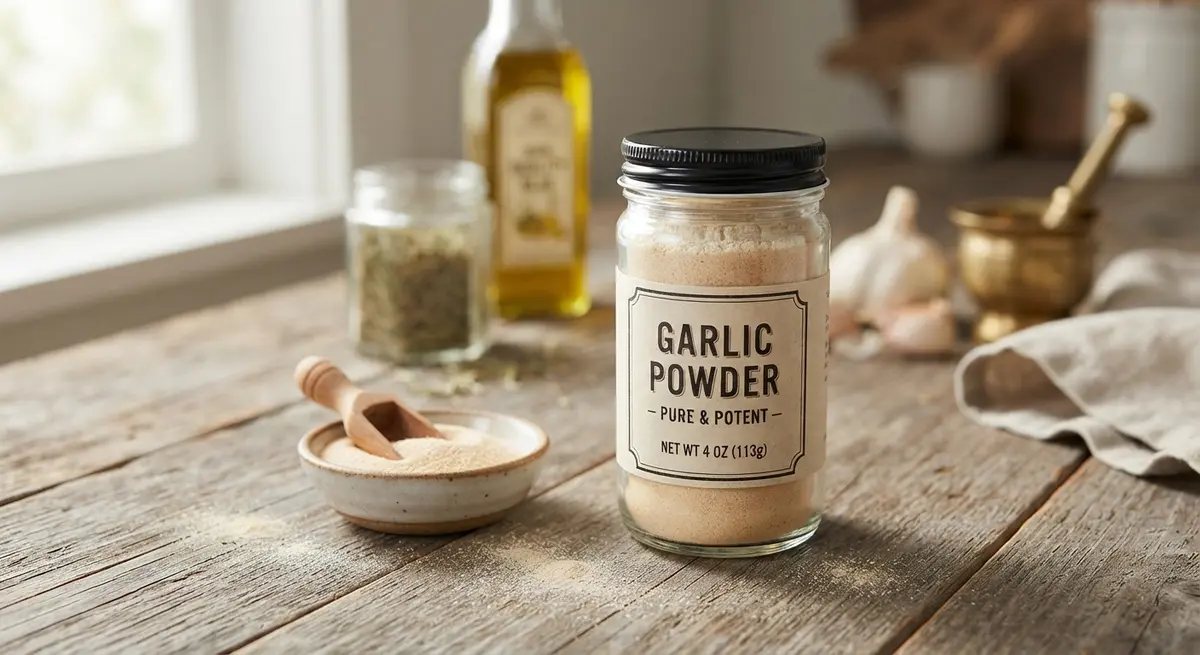
Garlic Powder & Dried Flakes: Flavor Profile, Health Benefits & Culinary Uses
Garlic powder is not lazy fresh garlic — it is a different spice with its own best jobs. Learn the grades and the rubs, breads, and sauces it belongs in.
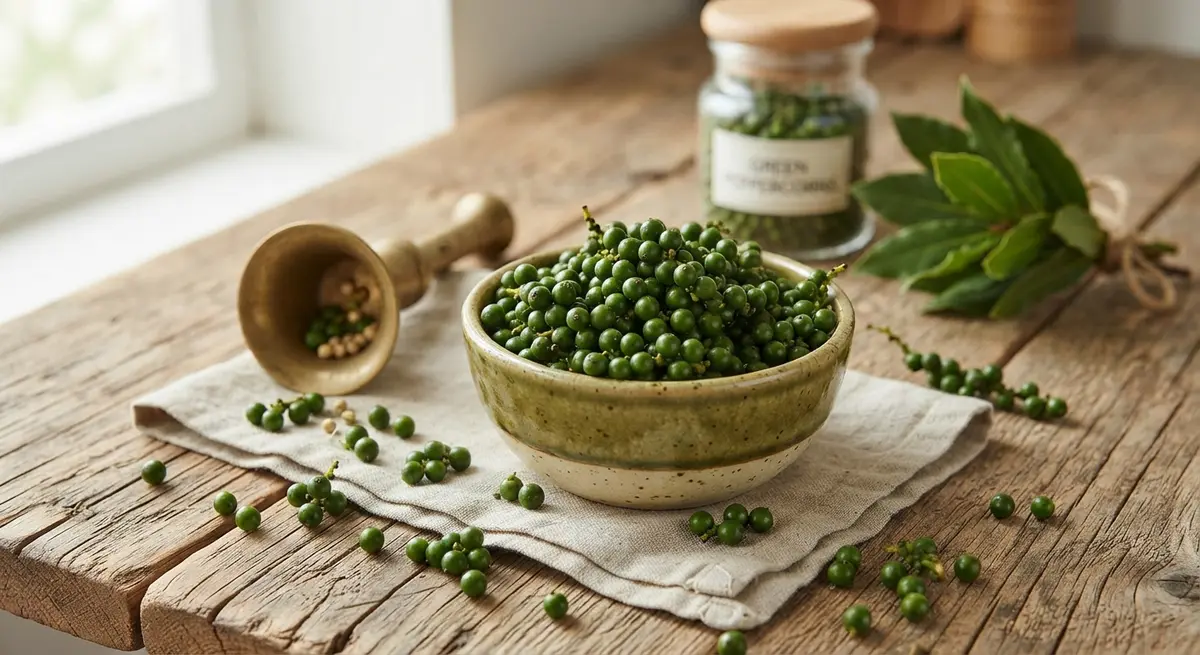
Green Peppercorns: Flavor Profile, Health Benefits & Culinary Uses
Green peppercorns are the same Piper nigrum berries picked young. They are fresher, fruitier, and milder than black pepper, perfect for creamy sauces and crusts.
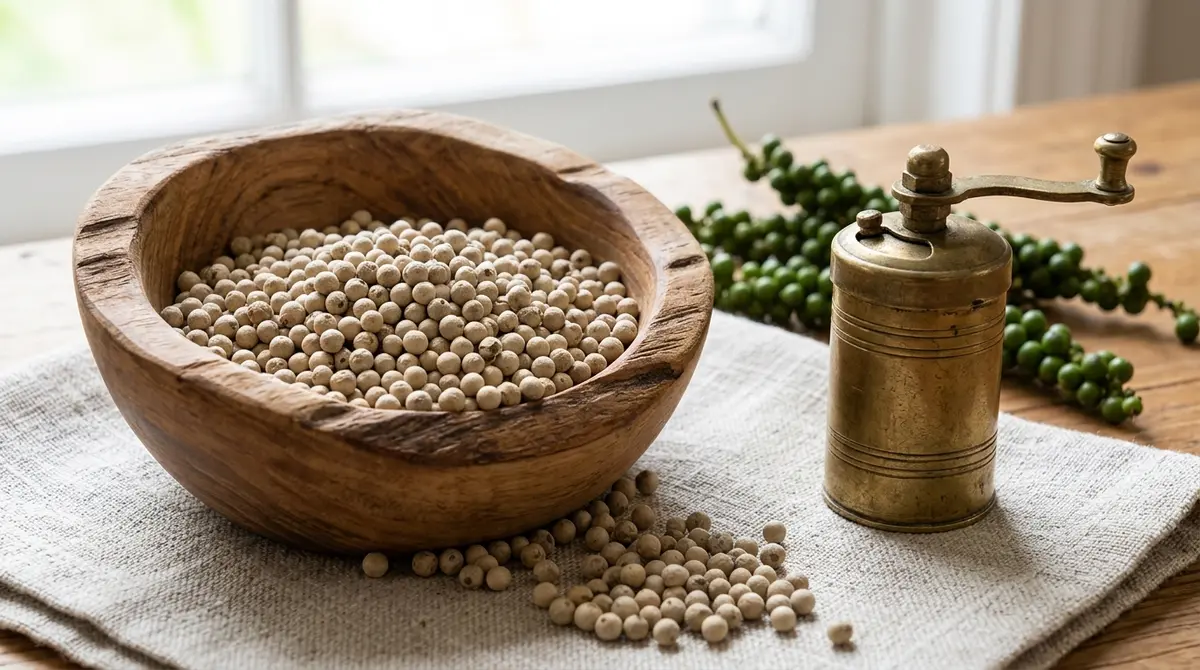
Muntok White Pepper: Flavor Profile, Health Benefits & Culinary Uses
The creamy, musty, quietly potent pepper that Indonesia has shipped for centuries: what makes Muntok white pepper different from black, and where it excels.
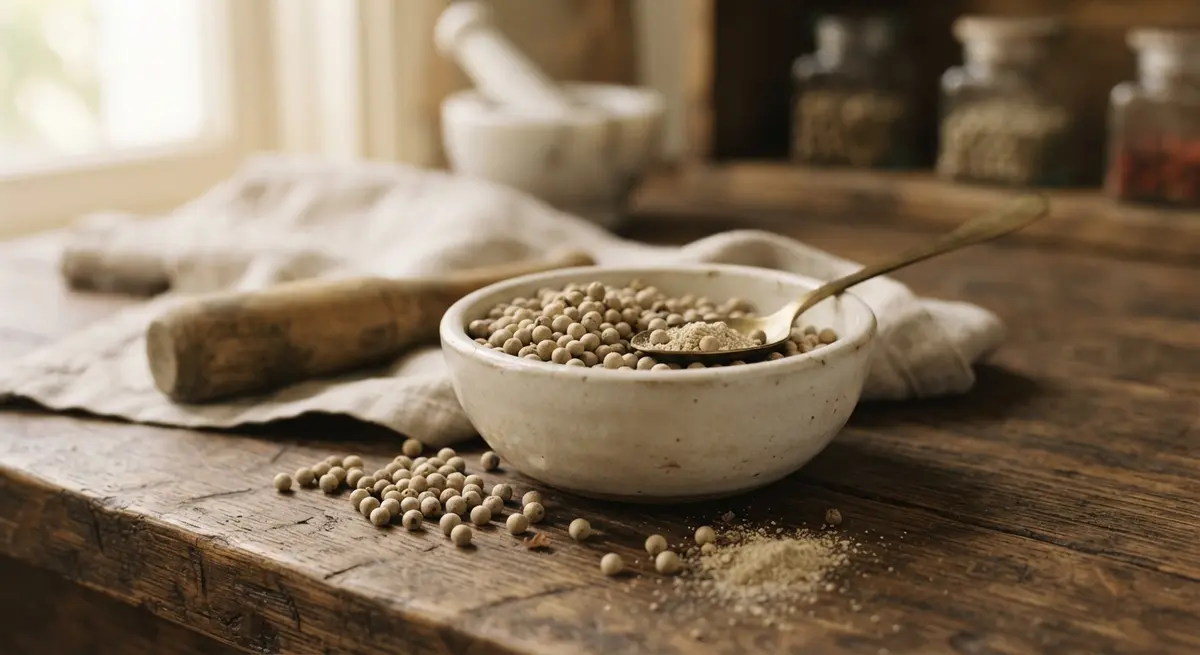
White Pepper: Flavor Profile, Health Benefits & Culinary Uses
The same Piper nigrum vine gives us black and white pepper. White pepper is milder in aroma but sharper in heat, made for light sauces and pale dishes.
About the Authors
This recipe and guide was developed, tested, and approved in our home kitchen and daily life. Jamy is a retired Food Service District Manager and Early Childhood Program Manager who spent his career overseeing multi-site restaurant operations, large-scale culinary production, and daycare menu management. Kaïna brings the ultimate real-world test: making sure it brings ease and joy to our kids on a busy weeknight.
Read more about our professional background and philosophy →