Green Peppercorns: Flavor Profile, Health Benefits & Culinary Uses
By the QuiteRecipes team (Jamy & Kaïna)
Green peppercorns are the same Piper nigrum berries picked young. They are fresher, fruitier, and milder than black pepper, perfect for creamy sauces and crusts.
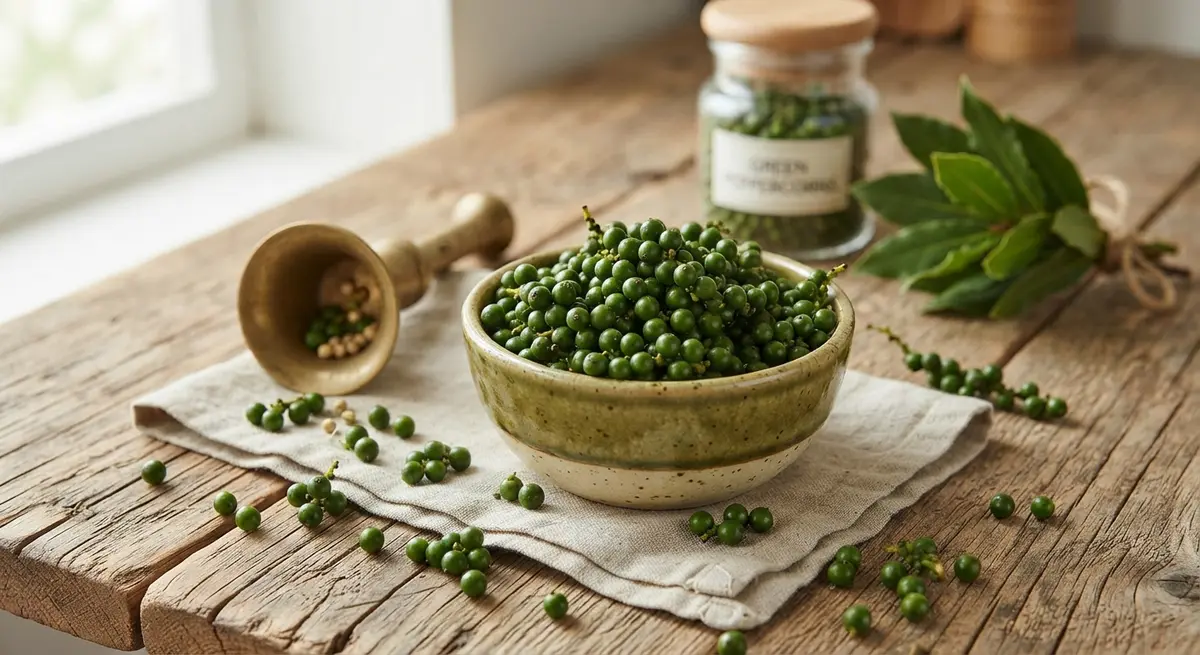
The black pepper in your pantry and the green peppercorns on gourmet shelves are the same berries, just at a different moment in life. Green peppercorns are Piper nigrum berries harvested young and unripe, then treated gently so they never turn black: dried, freeze-dried, or packed in brine. Because they skip the long fermenting and sun-drying that creates black pepper, they keep a fresh, almost garden-green character.
Chefs love them because they behave differently. They are softer, milder, and juicier, and they carry a brightness that aged black pepper simply does not have. If you have only ever met pepper as a powder, brined green peppercorns will surprise you.
Flavor Profile & Notes
Green peppercorns are fruity and herbal, with a gentle, fleeting heat instead of black pepper's long slow burn. The flavor is fresher and greener — imagine a peppercorn still waking up. Brined ones add a salty, pickled brightness and a little pop when you crush them with your teeth; dried and freeze-dried versions are more intense but share the same vegetal notes. They are at their most vivid when lightly crushed into a warm pan rather than boiled.
Health Benefits & Nutrition
Like the rest of the family, green peppercorns bring piperine, the compound responsible for pepper's warmth and for helping the body absorb nutrients such as curcumin from turmeric. Because they are picked green, they hang onto more vitamin C than mature pepper — a small perk, though dried forms lose most of it. In realistic cooking amounts, treat them as flavor first and nutrition second, same as any pepper.
Best Culinary Pairings
Green peppercorns are the backbone of steak au poivre when you want something more interesting than plain cracked black pepper. Crush brined ones into a cognac-and-cream sauce for seared filet or pork chops; spoon them into butter for salmon or lemon chicken; fold them through a mustardy vinaigrette for greens. They also do great work in pâtés, terrines, and braised lamb. A spoonful of the brine can season a sauce that tastes flat.
Quick Substitutes
If a recipe asks for green peppercorns and the jar is empty, the honest stand-in is black peppercorns plus a splash of white wine and a pinch of sugar to fake the fruity-acid brightness. Dried green peppercorns substitute for brined ones if you crush them and add a little salt and liquid. There is no true match, though — the fresh green note is one of a kind.
FAQ / Quick Facts
- How do you store them? Brined, keep refrigerated after opening; freeze-dried, keep dry and airtight.
- What do they taste like? Fruity, herbal, mildly peppery, with a fresh vegetal pop rather than heavy heat.
- Know your spice: Piperaceae family; brined, dried, or freeze-dried; at home in cream sauces, fish, and crusts.
Related Articles

Black Pepper: Flavor Profile, Health Benefits & Culinary Uses
The dusty jar of pre-ground pepper is not the same spice as one you grind at the table. Here is how to get the most from black pepper in every meal you cook.
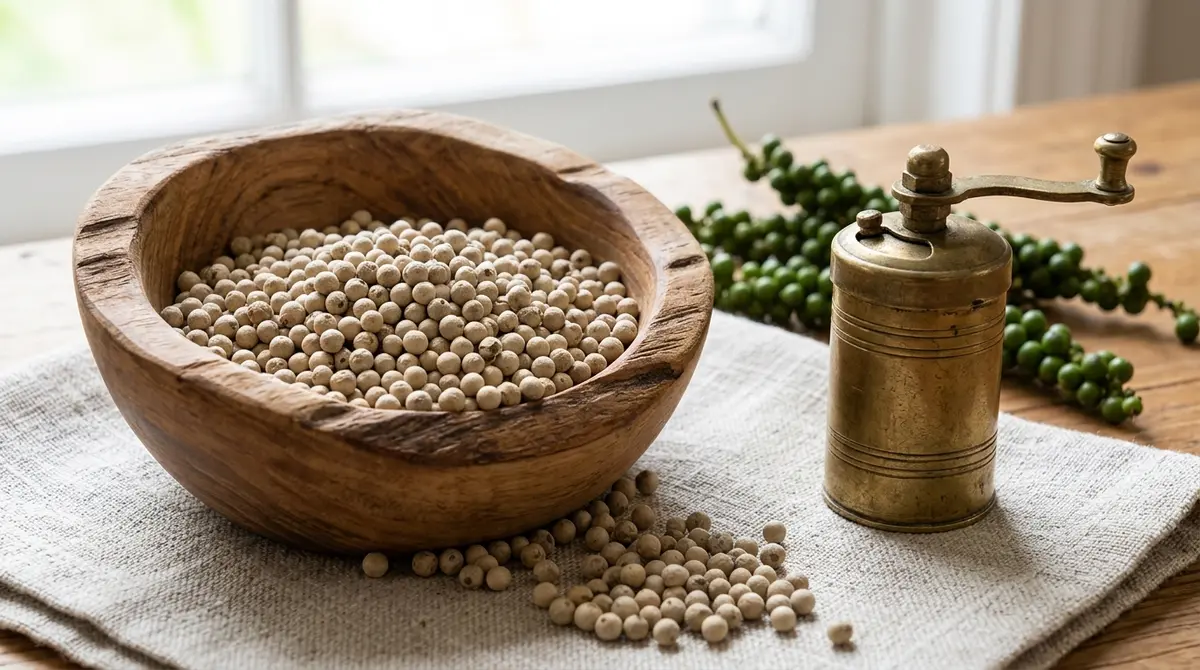
Muntok White Pepper: Flavor Profile, Health Benefits & Culinary Uses
The creamy, musty, quietly potent pepper that Indonesia has shipped for centuries: what makes Muntok white pepper different from black, and where it excels.
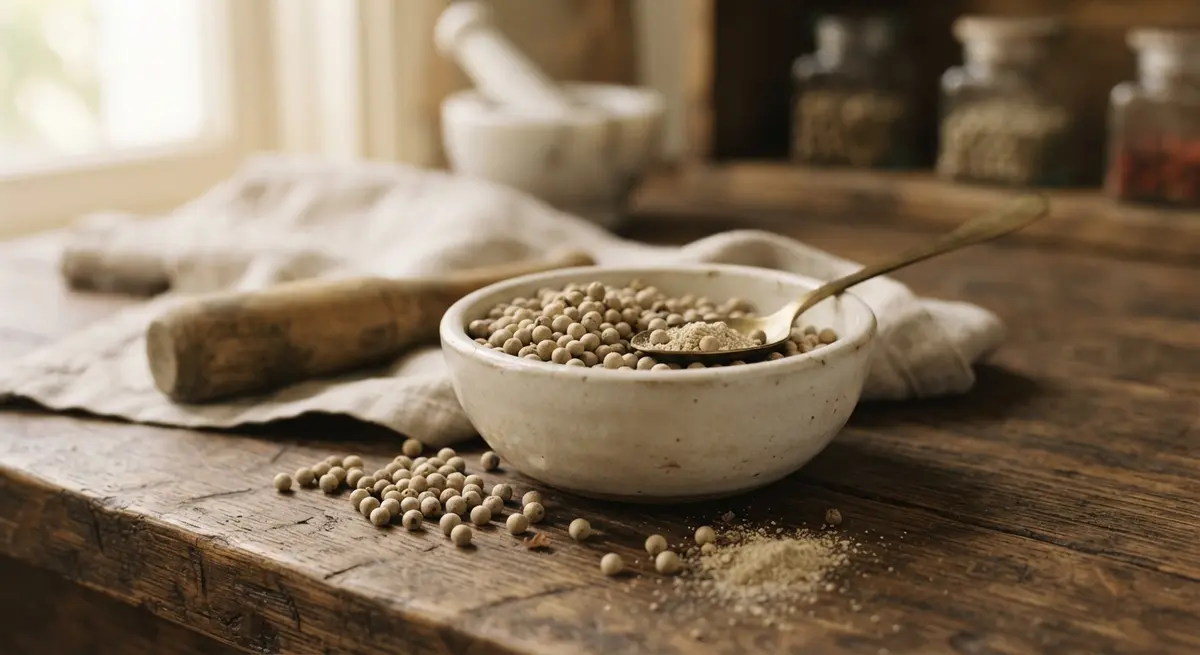
White Pepper: Flavor Profile, Health Benefits & Culinary Uses
The same Piper nigrum vine gives us black and white pepper. White pepper is milder in aroma but sharper in heat, made for light sauces and pale dishes.
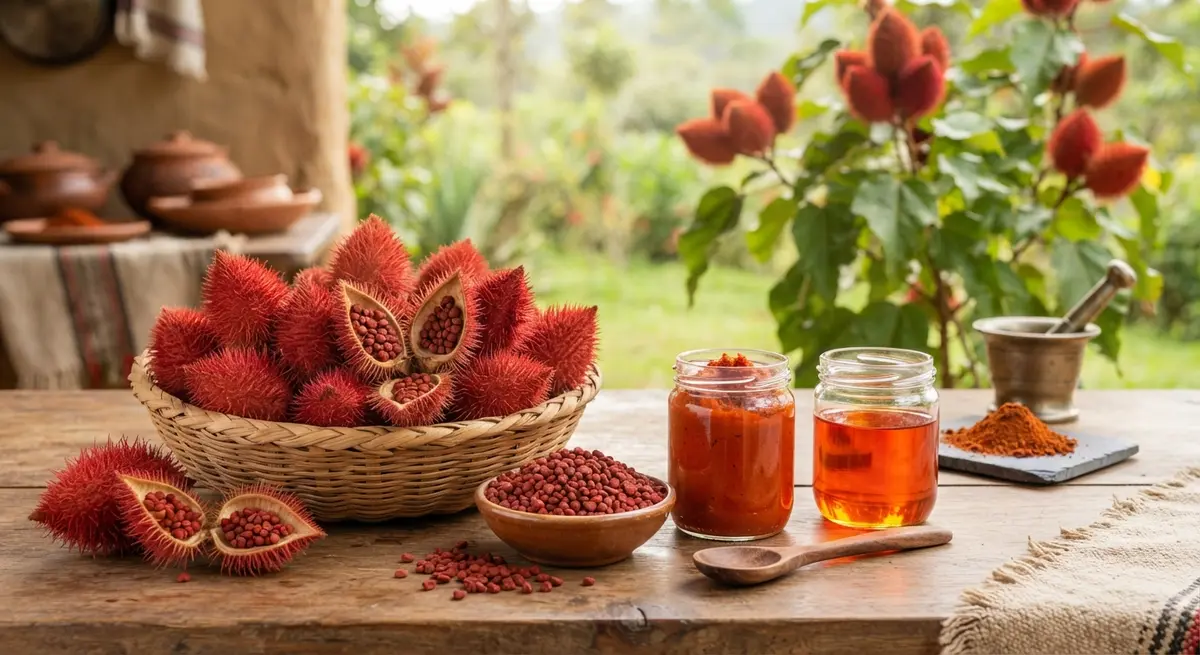
Achiote (Annatto): Flavor Profile, Health Benefits & Culinary Uses
Tiny coral-red seeds that paint food golden: the annatto tree's achiote, how to use the seeds and the Yucatan paste, and honest color substitutes.
About the Authors
This recipe and guide was developed, tested, and approved in our home kitchen and daily life. Jamy is a retired Food Service District Manager and Early Childhood Program Manager who spent his career overseeing multi-site restaurant operations, large-scale culinary production, and daycare menu management. Kaïna brings the ultimate real-world test: making sure it brings ease and joy to our kids on a busy weeknight.
Read more about our professional background and philosophy →