Tea Time Traditions: How Drinking Tea Daily Can Lower Your Stress
By the QuiteRecipes team (Jamy & Kaïna)
Tea is more than a warm drink. Learn why the daily ritual calms, the best calm-and-energy brews, exact temperatures, and how to build a habit that lasts.
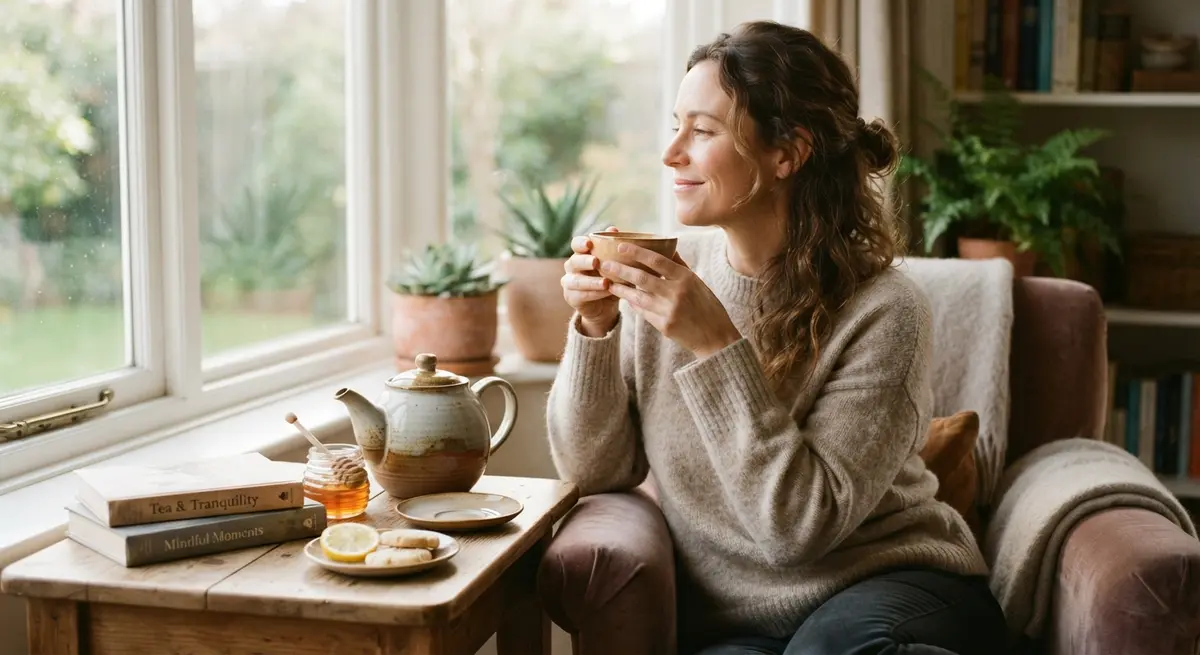
The last winter I spent in London, I had a tiny flat with a clanking radiator and a counter barely wide enough for a mug. My grandmother mailed me a tin of her favorite Darjeeling, wrapped in newspaper and labeled "for the cold," and every evening at six I'd put on the kettle and pour a cup I'd sip by the radiator for the next half hour. It was the smallest ritual in the world — a whistle, a pour, a smell — and it became the warmest point of my day. On the nights I skipped it, the flat seemed louder and the evening felt unfinished.
That's the thing about tea I keep returning to: it's never just the drink. It's the pause, the steam, the ceramic, the moment of not-doing something else. Tea might be the only beverage we've built an entire ceremony around, because the ceremony is the point. When you brew a cup properly, you're not just making a beverage; you're building a small, repeatable island of calm in a day that gives you none.
Let me be upfront about what this article can and can't claim, because the tea-and-stress corner of the internet is thick with overpromises. I'm a chef, not a doctor. There's real, interesting science on tea compounds like L-theanine and on the effect of a warm drink and a measured pause — but no credible science says tea cures anxiety or insomnia. For significant stress or sleep issues, talk to a healthcare professional; tea is a lovely companion to good care, never a replacement for it.
The Gentle Science of a Calming Cup
The science here is genuinely worth knowing, because it explains why the ritual feels so good. Let's unpack the tea-and-calm story into three real parts.
Part one: the ritual itself. A 2015 University College London study suggested that in a laboratory stress test, people who drank a beverage they perceived as calming had faster return to a relaxed state after a stressful task than a control group; the researchers attributed some benefit to the ritual and warmth of the drink. There's also a well-supported physiology of warm drinks and hand warmth promoting calm, and of predictable routines easing the mind. In plain terms: the kettle, the pour, the steam, the cup in both hands — small signals to your nervous system that this moment is not an emergency.
Part two: L-theanine. Green tea, and to a lesser extent black tea, contains an amino acid called L-theanine. Studies — including systematic reviews and meta-analyses — have consistently found it associated with increased alpha brain wave activity, the relaxed-but-alert state, and with reduced self-reported stress in several trials when combined with caffeine. It's real but modest science: the effects are small, not a calming medication by another name.
Part three: caffeine, managed. Tea's gentle caffeine curve is part of its charm. A cup of green or black tea contains far less caffeine than coffee (roughly 30 to 50 mg versus 90 to 120 mg), and L-theanine seems to smooth its rough edges. That's why tea feels like energy without a spike — and why it's the afternoon drink that doesn't set you vibrating.
Here's the honest bottom line: tea won't fix your stress, but a daily tea ritual gives you a reason to stop, breathe, and hold something warm — and the chemistry adds a small, real assist. For specific stress or sleep concerns, ask a professional, not a teapot.
Craft Your Calm: Tea Types, Temperatures, and Timing
The single biggest upgrade you can make is taking the water seriously. Attention to 10 degrees makes a big difference in taste — and taste keeps a ritual sustainable. Here are the classic rules:
- Green tea: 160–180°F (70–80°C), steeped 2–3 minutes. Boiling water scalds green leaves into bitterness. If you don't have a thermometer, boil and let the kettle rest two full minutes before pouring.
- Black tea: 200–212°F (93–100°C), steeped 3–5 minutes. The robust leaves can take rolling water; a full boil works for most morning blacks.
- Oolong tea: 185–205°F (85–96°C), steeped 3–5 minutes, and many leaves tolerate a second or third infusion beautifully.
- Herbal tisanes (chamomile, peppermint, rooibos): full-boil water (212°F / 100°C), steeped 5–7 minutes. These contain no actual tea leaves, so no caffeine, and they flourish with a longer, hotter steep.
- White tea: the delicate option, 160–175°F (71–80°C), steeped 2–3 minutes.
Use roughly a teaspoon of loose leaf (or one bag) per 8-ounce cup. If it tastes bitter, the water was too hot or the steep too long; if it tastes thin, the steep was too short. Those two dials are the art of a good cup.
Pro tip: Invest in a simple variable-temperature kettle if you drink tea often — they run about $30 to $60 and they take the guesswork out of every cup. If you don't want to spend a dollar, the "rest two minutes after the boil for green tea" rule gets you 90 percent of the way there for free.
Building the Daily Tea Ritual That Actually Sticks
The science of habit is consistent: a ritual survives when it's small, anchored to an existing moment, and genuinely pleasant. Here's how to make your daily tea practice as automatic as brushing your teeth.
- Pick one window and defend it. Mine is six in the evening; yours might be nine in the morning. The window needs to be a moment you can reliably claim — even ten minutes.
- Make the materials delicious and reachable. Your favorite mug (not the chipped one), your good tea (not just whatever's in the back of the cabinet), and the kettle in your eyeline. Friction kills rituals; proximity builds them.
- Learn the pause. When you pour, stand still for one breath while the steam rises. The ritual's job is to interrupt your momentum, and the interruption is the benefit.
- Go phone-free for the cup. Your tea ritual and your feed compete on a level field, and the tea loses if the phone joins it. Ten minutes with the screens in another room turns a drink into a genuine pause.
- Try the "same time, same mug, same place" rule. Repetition is what turns a hobby into a ritual. Within about three weeks, the smell of your brewing tea will begin to cue the calm by itself — the same way the taste of coffee cues waking.
If you miss a day, that's weather, not failure. The ritual's power is cumulative, and it regenerates with the next cup.
Tea as a Social Ritual: The Cup That Connects
One of my favorite things about tea is that it's the easiest social ritual in the world to host: a kettle, a few mugs, fifteen minutes, no prep and no fuss. The Japanese notion of ocha (tea) as hospitality, the British afternoon tea, the Moroccan pour from a height — every culture seems to have discovered that a shared cup dissolves formality faster than almost anything.
A few ways to let tea do its social magic:
- The twenty-minute tea hour. Invite one person, once a week, for a single 20-minute cup. No dinner pressure, no cleanup project. It's astonishing what relationships grow from one weekly pot.
- The sleepy coworker handoff. A cup of something warm offered to someone stressed is a tiny, wordless act of care — and it opens conversations far more gently than "are you okay?"
- The family tea switch. Replace the after-dinner screen-scroll with a family tea round: everyone picks a blend, and the kettle becomes the turning point of the evening.
- The bring-your-tin rule. Instead of bringing wine to a host, bring a tin of loose leaf and brew it together. It's memorable, it's cheap, and it gives you a shared activity instead of a shared obligation.
Social tea has a practical bonus: a tea hour costs a couple of dollars for tea and water, versus an entrée and a bottle. The low stakes are the feature — the ritual stays about the people, not the performance.
The Wrong Ways to Do Tea Time
For all that tea is gentle, there are a few ways people reliably sabotage the ritual. Here's your field guide to the classics:
Mistake one: scalding your green tea. Boiling water on green leaves yields bitter, astringent tea that confirms your suspicion that you "hate green tea." Use the two-minute-rest rule or a variable-temperature kettle, and suddenly you might not.
Mistake two: leaving the bag in "for flavor." The bag in the cup for the whole sip slowly turns your tea bitter and cloudy. Steep to time, then remove the bag. Steeping only wants to happen during the steeping.
Mistake three: drinking tea as a snack replacement. Tea loaded with milk and sugar, or a heavily sweetened chai mix, can carry real hidden calories. If you drink it like latte art, track it like one.
Mistake four: expecting tea to cure a bad night's sleep. A cup of chamomile can support wind-down, and many people find an evening no-caffeine tea helpful as part of a sleep routine. But it isn't a sleep aid, and if your insomnia is regular, that's a doctor conversation.
Mistake five: letting tea become another screen-time beverage. It's the most common silent failure: a "tea ritual" that's actually a tea-flavored scroll is a caffeinated distraction with a mug in its hand. The pause is the point; keep the phone out of the room.
Mistake six: hoarding the "good" tin for special occasions. Your favorite tea deserves to be an everyday ritual, not the Christening china; drink the good stuff now.
FAQ
Can drinking tea daily actually reduce stress?
There's real but modest science here: L-theanine is associated with relaxed alertness in studies, and the ritual of a warm drink and a pause has genuine effects. But stress reduction comes from combining ritual with mild chemistry, and it's not a treatment for significant stress — see a professional for that.
What's the best tea for relaxation versus energy?
For calm, look to no-caffeine herbal tisanes like chamomile, lemon balm, or rooibos, especially later in the day. For gentle energy, green tea (with its L-theanine and caffeine) is the classic — more alert than matching, smoother than coffee. Matcha is green tea's stronger, more caffeinated cousin if you want a bigger boost.
How do I stop tea from tasting bitter?
Check your two dials: water temperature and steep time. Green and white teas need cooler water (160–180°F) and short steeps (2–3 minutes); black and oolong take hotter water and longer. If it's bitter, cool the water down or shorten the steep — and remove the bag when the timer says so.
Is it okay to drink tea in the evening?
Caffeine-containing teas late at night can interfere with sleep for many people, so if you want an evening ritual, switch to caffeine-free herbal tisanes like chamomile or rooibos. Your evening tea should be a wind-down cue, not another stimulant — and persistent sleep trouble deserves a doctor's input.
Does adding milk to tea change the benefit?
Milk mainly affects flavor and texture, and for most people it's a taste choice rather than a health problem. Some research has floated the idea that milk proteins might bind some tea antioxidants, but the effects are minor and not something to stress over. Drink your tea the way you like it — the ritual matters more than the parting shot of chemistry.
Key Takeaways
- Tea's calming power comes from three honest parts: the ritual of a warm drink and pause, L-theanine's relaxing-alert chemistry, and tea's mild, smooth caffeine curve.
- Master the temperatures: green at 160–180°F for 2–3 minutes, black at 200–212°F for 3–5 minutes, herbal at a full boil for 5–7 minutes.
- Build the ritual small and anchored: one fixed window, your best mug, the pause at the pour, and the phone in another room.
- Repeat it for about three weeks and the ritual begins to cue its own calm.
- Tea is the easiest social ritual in the world to host — twenty minutes, a kettle, and the low stakes are the feature.
- It's a companion to good care, not a replacement: for real stress or sleep problems, tea leads you to a professional, not away from one.
A Final Word
My grandmother's Darjeeling tin sat on that ridiculous London counter like the last word of the alphabet, and every evening for six o'clock it called me away from the day. The tea itself was good, but the ceremony was better: the whistle, the pour, the steam, the both-hands cup by the clanking radiator. I've kept the habit through every kitchen since — the measure of still, warm minutes that a whole day had nowhere else for. That's the honest secret of tea time: it doesn't promise to fix your stress, only to hand you a warm cup and a pause long enough to remember what the pause is for. Brew yourself one tonight, water at the right temperature, phone in another room.
Published on 2026-08-13 by the QuiteRecipes team (Jamy & Kaïna).
Related Articles

5 Simple Ways to Be a More Gracious and Relaxed Dinner Host
Gracious hosting isn't about fancy food. It's five repeatable habits that calm the room — and you.

Bringing Vacation Home: How to Recreate Food Memories in Your Own Space
You can't bring the trip back, but you can bring its flavors. Here is how to turn travel food memories into weeknight meals in your own kitchen.
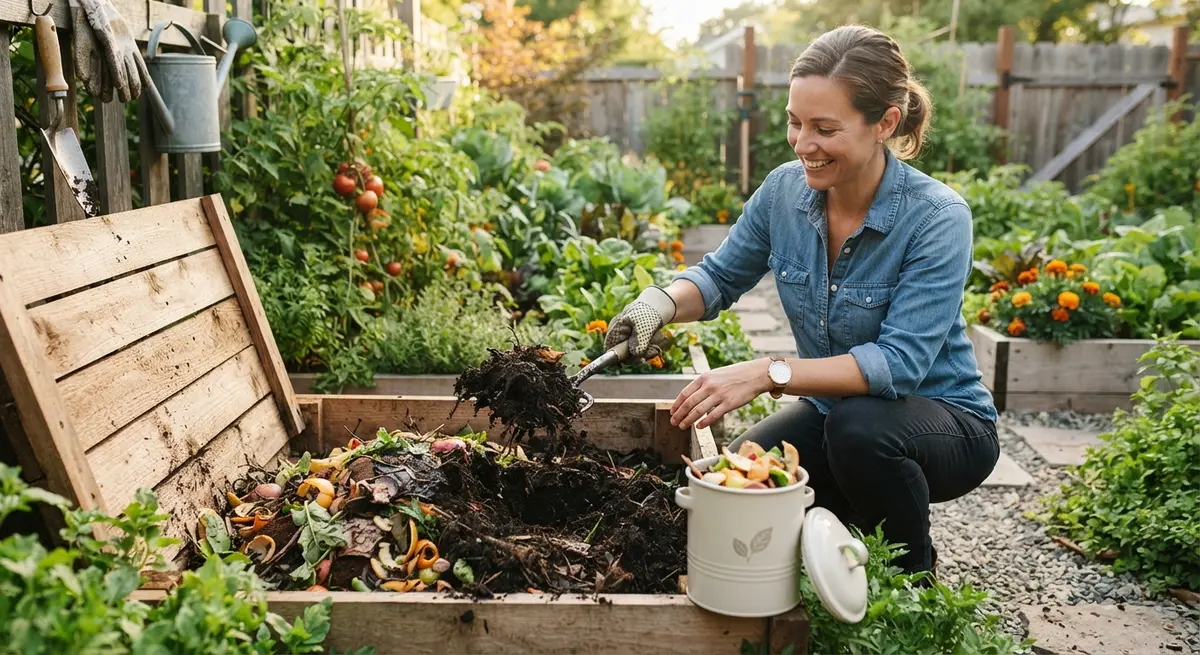
Composting at Home: A Beginner's Guide to Turning Scraps into Gold
Composting is the easiest way to turn food waste into garden gold. Start with a bin, learn the green-to-brown ratio, and watch it work.
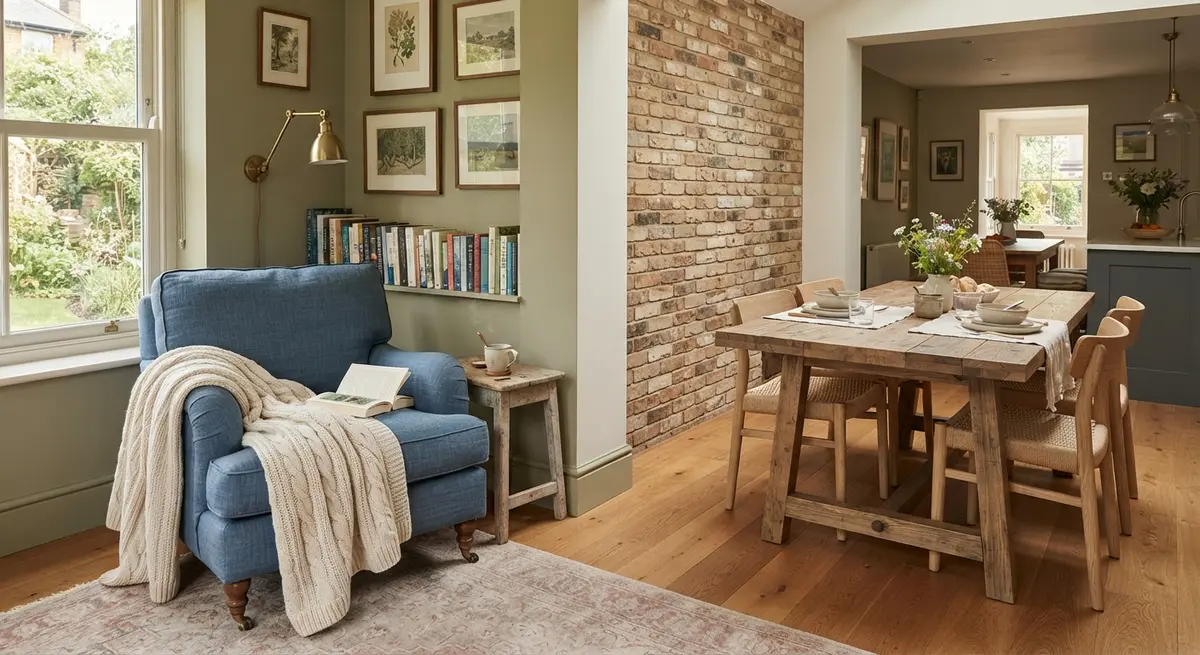
Creating a Cozy Reading Nook Right Next to Your Dining Area
Create a cozy reading nook beside your dining area without a redesign. Find the right corner, lighting, and chair for under $150.
About the Authors
This recipe and guide was developed, tested, and approved in our home kitchen and daily life. Jamy is a retired Food Service District Manager and Early Childhood Program Manager who spent his career overseeing multi-site restaurant operations, large-scale culinary production, and daycare menu management. Kaïna brings the ultimate real-world test: making sure it brings ease and joy to our kids on a busy weeknight.
Read more about our professional background and philosophy →