Bringing Vacation Home: How to Recreate Food Memories in Your Own Space
By the QuiteRecipes team (Jamy & Kaïna)
You can't bring the trip back, but you can bring its flavors. Here is how to turn travel food memories into weeknight meals in your own kitchen.
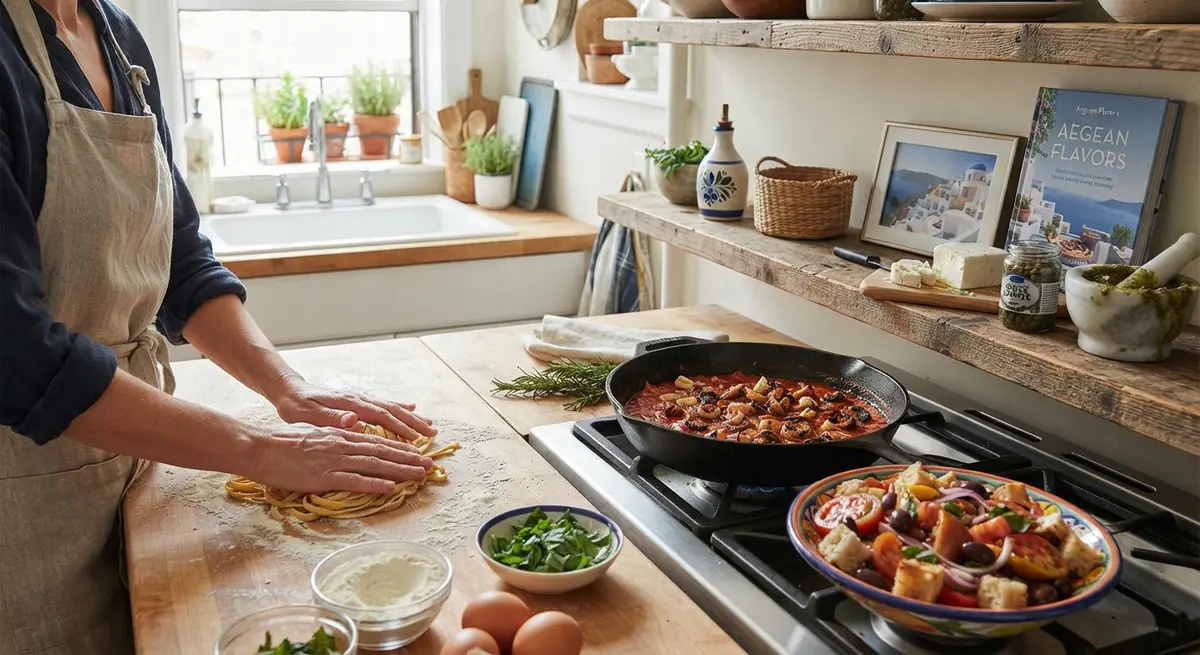
I once ate a pastel de nata on the plane home from Lisbon — not because I was hungry, but because I already missed them. Three weeks later, standing over my own oven at 11 p.m., I realized I'd spent a whole Sunday failing to reproduce a custard tart I could describe perfectly and couldn't replicate at all. The crackle, the scorched caramel top, the shattering pastry: the memory was locked in my taste buds and nowhere else.
So I changed tactics. Instead of chasing a recipe, I chased the memory. I wrote down what I actually tasted, in order, and let that guide me. That single shift turned a Lisbon favorite into a Thursday-night habit, and it's now the method I use for every trip — a bowl of khao soi from northern Thailand, a perfect Roman plate of pasta, a honey-drenched Greek lamb that still makes my shoulders drop.
This is the guide I wish I'd had that Sunday night. It's not about faithful reproduction; it's about turning travel food memories into meals you can make at home, with the flavors you remember and the space you already have.
Why Recipe-Hunting Fails
When you come home craving a trip, the instinct is to find a recipe — and that instinct betrays you. Restaurant cooks improvise nightly, so the bowl you loved was one particular evening's version. Recipes also flatten context (you didn't love the dish as an object but as part of a scene), and they demand ingredients you may never find. Memory-cooking inverts all three: you become the author, you name what actually mattered, and you chase only those elements.
The Flavor-Map Method
On the flight home or the first night back, spend fifteen minutes answering five prompts in a notebook:
- The three dominant flavors. Name the notes you'd describe first: salty caramel, bitter char, warm vanilla. What your tongue remembers first beats what was most plentiful.
- The texture layer. Crunch? Silk? Crisp outside, soft inside? This is what home cooking loses first.
- The heat and acid. Write intensity in translatable terms: "a warm tingle, not a burn" beats "spicy."
- The one foreign ingredient. Nearly always one flavor isn't in your kitchen — an herb, a fermented something, a smoked oil. That's your biggest finding.
- The emotional color. Who was with you, what time was it? This decides whether you're making dinner or a memory.
Pro tip: Write this within 48 hours of the meal. Taste memory fades flavor-by-flavor, and Monday's note is richer than Friday's recall.
Build a Taste-of-Place Pantry
Shopping for trip food usually means buying one mysterious bottle and watching it age in the fridge door. Instead, build a pantry whose job is triggering the flavors you want to revisit:
- Fish sauce — the fastest way to add a trip's funky depth to almost anything.
- A good olive oil and a bag of lemons — acid and fat are the two dials most travel food turns up.
- Smoked paprika or smoked salt — instant campfire, instantly Mediterranean.
- Toasted sesame oil — a drop finishes half the dishes you'll crave.
- One "secret ingredient" from the trip itself — a spice blend from a souk, a tin of the oil you carried home.
Seven things cover most of the world's great street food, because most of it runs on fat, acid, salt, smoke, and one fresh ingredient.
The 72-Hour Recreate Window
I have a hard personal rule: recreate the dish within three days of landing, or not at all. Fresh memory makes you tolerant — you taste your version kindly and fix it. Old memory makes you ruthless — you taste only the loss and quit. In that first attempt, protect yourself with three rules:
- Follow the flavor map, not a recipe found online. Divergence is allowed when the recipe betrays the map.
- Cook a second version the next day; it's always closer. This is the least-known truth of home cooking.
- Let one element be "wrong" on purpose. No char? Add acid. Off texture? Buy crunch with a garnish.
Rebuild the Room, Then the Plate
Nobody talks about this, and it's the highest-leverage move in the whole article: food memory is a full-body recording, and your plate alone can't play it back. A Portuguese custard tart tastes better to me with fado on low and the window cracked. Thai food tastes more like Thailand when I'm not eating at my desk. So schedule the recreation as a small ritual — set the table, play music from the region, and serve courses in the order the trip served them.
Pro tip: Recreate the context before you cook, not after. Your mood while cooking leaks into the food, so get the soundtrack on before the pan gets hot.
Keep a Travel Food Journal
Some dishes you'll never reproduce, and that's fine — if you write them down. On every trip I keep a running note with three entries a day: the dish, the place, and the price. Those entries become my flavor maps' raw material, so six months later I'm at the stove with a notebook that reads like a photograph rather than a ghost. The journal also keeps you honest: some food existed only because you were traveling, and it's okay to let it live in memory — it's the reason you'll book the return flight.
FAQ
How long after returning should I wait to recreate a dish?
Within three days, using your flavor-map notes. That's the window when memory is vivid enough to guide you kindly; after a few weeks it turns nostalgic and your attempts taste worse than they deserve.
What if I can't find the ingredients I remember?
Fat and salt are non-negotiable, acid and smoke are the best stand-ins, and the exotic ingredient can be approximated or skipped — honestly. Thai basil chicken made with ordinary basil is still a great plate; it just owes an apology to Thailand.
How do I make my version taste closer to the original?
Cook two versions in two days, chase the three dominant flavors, and fix one element per attempt. Add acid to simulate char, buy crunch with a garnish, and serve the dish in its original order with its context cues.
Is it worth bringing ingredients home from trips?
Yes, if you choose shelf-stable anchors like olive oil, spices, tea, or tinned fish — they become your pantry's memory triggers. Skip anything fresh, and check customs rules before you shop, not after.
Key Takeaways
- Recipe-hunting ignores context; memory-cooking begins with what actually mattered about a dish.
- Write a five-point flavor map within 48 hours, led by the three dominant flavors.
- Build a small pantry of fat, acid, salt, smoke, and one anchor ingredient from the trip.
- Recreate within 72 hours, cook two versions, and let one element be wrong on purpose.
- Rebuild the room as well as the plate — music, order, table, and light change flavor.
- Keep a travel food journal with dish, place, and price for every memorable meal.
A Final Word
You can't bring a trip home in a suitcase, no matter how good the olive oil is. What you can bring is sharper: the three dominant flavors, the texture that made you close your eyes, and the small ritual cues that let your kitchen briefly become somewhere else. My pastel de nata still isn't Lisbon's. But at 11 p.m. in my own kitchen, with the custard just set and the oven light on, it's close enough that the trip comes back — and that, honestly, is the whole recipe.
Published on 2026-08-13 by the QuiteRecipes team (Jamy & Kaïna).
Related Articles
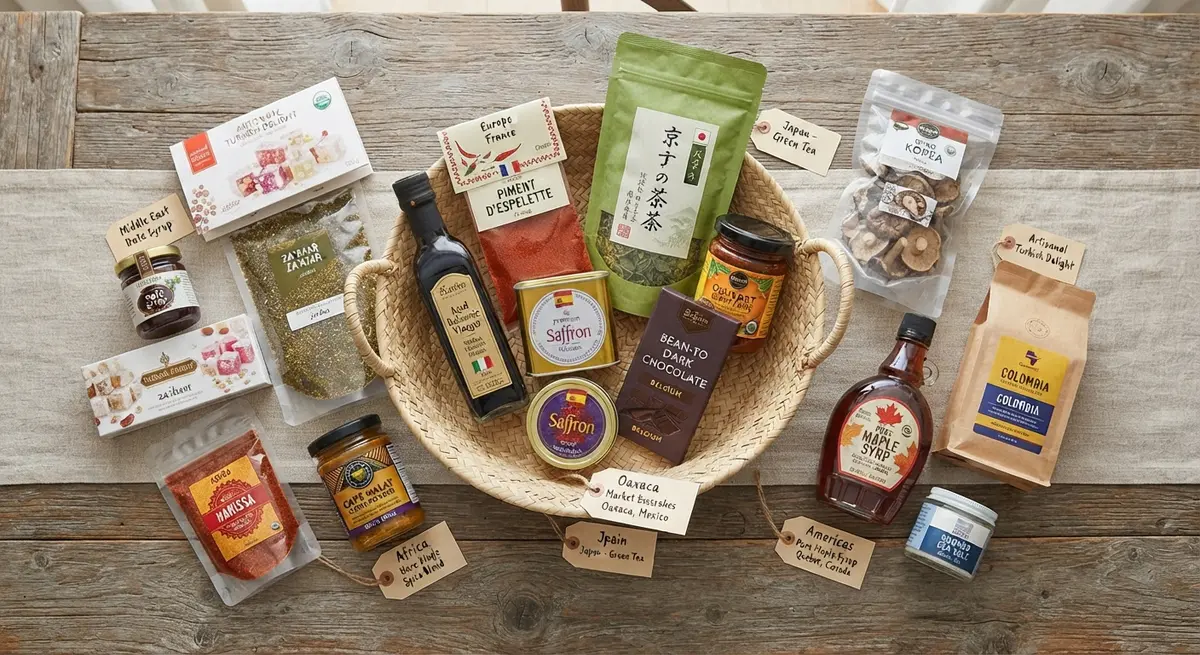
Food Souvenirs: The Best Culinary Keepsakes to Bring Back from Your Trips
The best food souvenirs travel well, clear customs easily, and remind you of the trip every time you cook. Here is what to buy, skip, and pack.
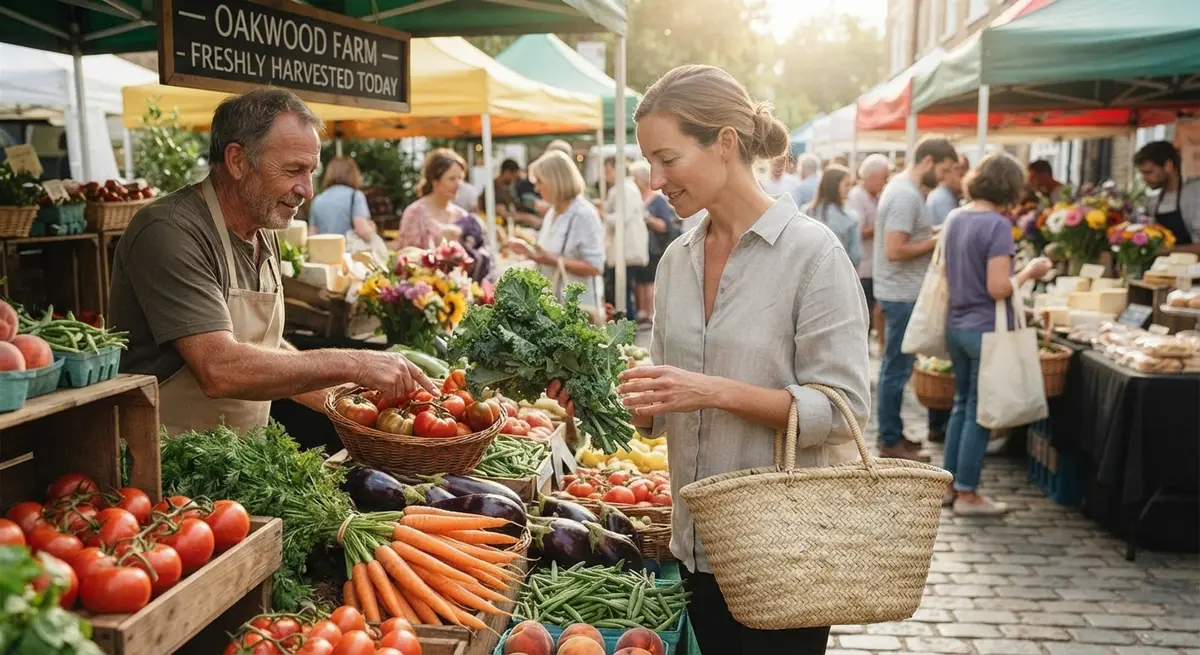
Exploring Local Farmers Markets: Tips for Finding the Freshest Produce
Farmers markets reward people who know what to look for. Here are the tactics for finding the freshest produce, talking to growers, and budgeting.
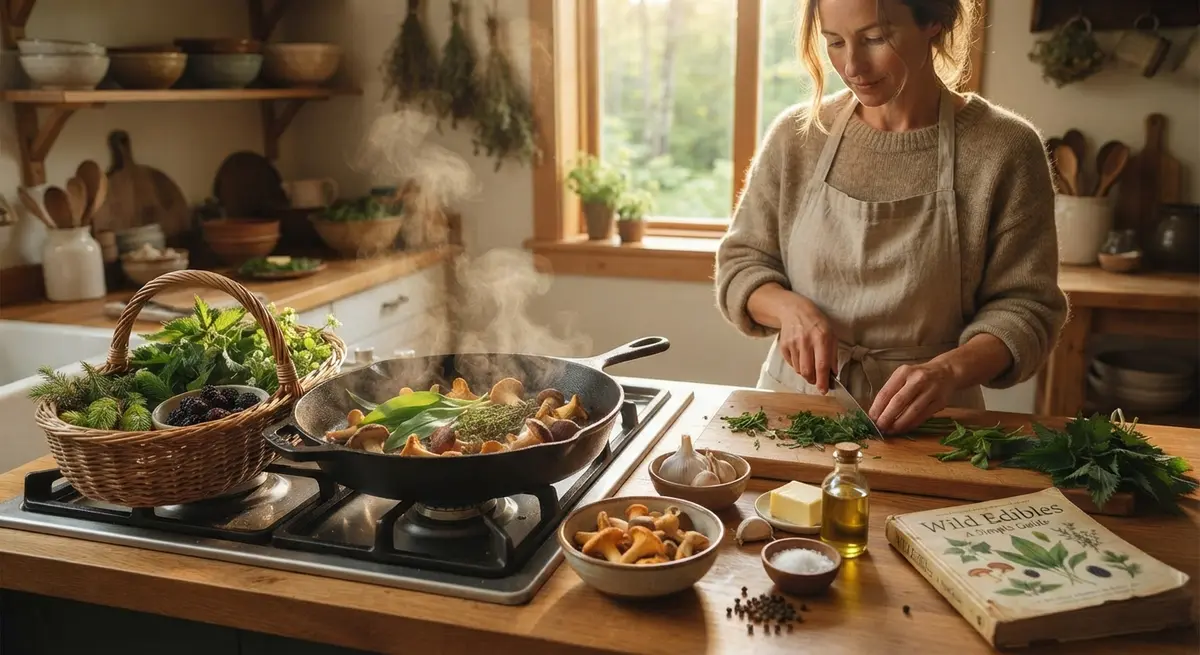
How to Cook with Ingredients You Picked Yourself (Foraging 101)
Foraging turns a walk into a pantry. Start with ramps, blackberries, and wild garlic, follow positive-ID rules, and cook what you pick same-day.
How to Eat Like a Local Wherever You Travel
Stop eating where the travel apps point. Here is how to find the tables locals actually queue for, order with confidence, and eat like a local on any trip.
About the Authors
This recipe and guide was developed, tested, and approved in our home kitchen and daily life. Jamy is a retired Food Service District Manager and Early Childhood Program Manager who spent his career overseeing multi-site restaurant operations, large-scale culinary production, and daycare menu management. Kaïna brings the ultimate real-world test: making sure it brings ease and joy to our kids on a busy weeknight.
Read more about our professional background and philosophy →