How to Cook with Ingredients You Picked Yourself (Foraging 101)
By the QuiteRecipes team (Jamy & Kaïna)
Foraging turns a walk into a pantry. Start with ramps, blackberries, and wild garlic, follow positive-ID rules, and cook what you pick same-day.
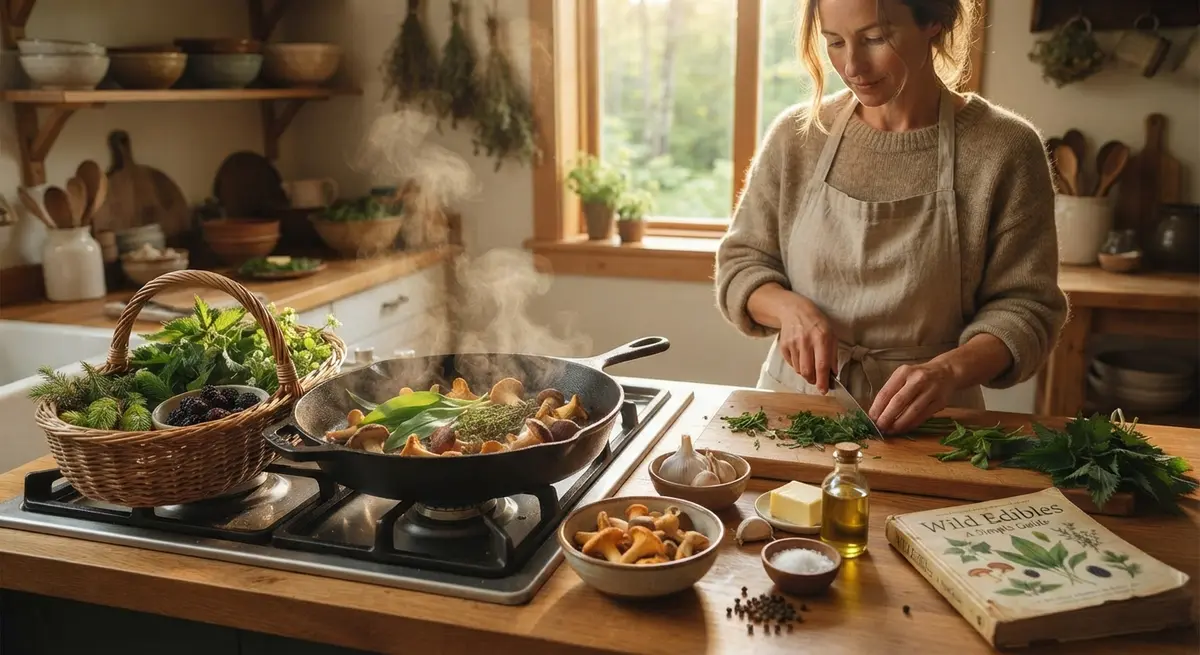
I once carried a small bundle of foraged watercress home from a creek I'd crossed a hundred times, and the dinner I made from it — a garlicky sauté with a squeeze of lemon — tasted like a secret the neighborhood had been keeping from me. Since then, every walk near water or at the wood's edge has carried a small knife, a basket, and a different kind of attention. The last time I stood over a patch of ramps in early spring, I understood why foragers guard their spots like phone numbers: this is food that costs nothing but your eyes, and it tastes like the season itself.
Let me set the ground rules before any of the joy, because the joy depends on them. Foraging is safe when you identify with certainty, and only then. You must positively identify every single plant to one hundred percent confidence before you eat it, and never consume anything you aren't sure of. When you're learning, consult a proper field guide with photographs — and ideally a knowledgeable local expert or an organized foraging walk, rather than a hunch or a friend's memory. Get that rule first, and everything after it is pure pleasure.
Start With the Easy Five
The best teachers are plants that are easy, abundant, and impossible to confuse once you know them. This list is the whole starting pantry:
- Blackberries (and raspberries). The single easiest edible: thorns, compound leaves, dark sweet berries. The ripest are darkest, and a summer patch gives you dessert for a month.
- Ramps (wild leeks). Spring's gift, growing in dense colonies in moist woods, identified by broad green leaves and an unmistakable onion scent. Pick only where they're plentiful, and harvest gently — they're beloved and slow to recover.
- Wild garlic (ramsons). Broad, glossy leaves with a strong garlic aroma when bruised; whole woods smell of it in spring. Cooked into pesto, it's a dish you'll never unlearn.
- Stinging nettle. Unmistakable once you know the toothed leaves and the sting — wear gloves. The sting disappears completely in boiling water, which is also the cooking rule: boil, then braise or blend.
- Dandelion greens. Growing in any lawn; the young leaves are pleasantly bitter, wonderful sautéed or in salads while small, and the flowers make a classic syrup.
These five cover sweet, savory, bitter, garlicky, and green — a whole spring and summer of flavor.
The Golden Rule, Word for Word
Here it is without hedging: positive identification means one hundred percent certainty, every single time, no exceptions. Mushrooms are the famous case — a handful of species can end a life, and misidentification has taken even experienced foragers. For beginners, the rational strategy is to start with plants that have no dangerous lookalikes in your area, and let the easy-five list do that filtering for you. When you graduate to fungi or anything you can't name with absolute confidence, do it with a field guide you trust, a local expert, or a workshop — and treat it as a skill that grows over years, not afternoons.
The other critical habits:
- Know the land. Avoid roadsides (dust, salt), sprayed lawns and parks, and any ground you can't verify hasn't been treated.
- Take a little, leave the plant. Harvest modestly, leave the roots and core, and never strip a patch bare.
- Know the law. Rules vary wildly; some public lands allow foraging, some prohibit it, and private land always needs permission.
- Wash what you pick. Dirt and insects are part of the wild; a thorough rinse is food safety, not betrayal of the romance.
Pro tip: When you're learning, nothing beats an organized foraging walk with a knowledgeable guide. Two hours in the woods with an expert is worth ten seasons of reading, and it hardwires the "eyes first, mouth later" discipline into your habits.
Where to Look and When
Each plant has its calendar and its address. Learn the pairings and a walk becomes a harvest:
- Spring, wood edges and damp soil: ramps, wild garlic, stinging nettle, and young dandelion greens — at the edges where field meets trees and the sun first reaches the ground.
- Summer, hedges and brambles: blackberries and raspberries ripen along fence lines and the sunny sides of fields. Pick in the morning when they're plump, and eat or process the same day.
- Late summer into fall: blackberries continue, joined by the nuts and hips that start the preserving season.
- After rain, near moisture: many things practically ask to be found the day after a good soak, when the ground is soft and the plants are turgid.
What to Cook With What You Picked
Foraging is a doorway to ingredient-led, immediate cooking. Here's the same-day kitchen plan by find:
- Blackberries: over yogurt or ice cream; simmered with a little sugar and lemon for a quick galette filling; or frozen at peak.
- Ramps: chop the white bulbs into compound butter, or make a ramp pesto with walnuts; the green leaves dress anything gently.
- Wild garlic: blend into pesto with oil, nuts, and hard cheese; fold leaves into a risotto at the end, or into an omelet. Cooking tames the garlic.
- Nettle: boil one minute, then blend into soup with potato and stock, or fold boiled leaves into pasta dough for emerald noodles.
- Dandelion greens: sauté young leaves with garlic and olive oil, or wilt them with lemon; the flowers make a golden syrup.
The through-line is the same: pick, wash, cook within the day, and let the ingredient be the main event. Foraged food is the opposite of overworked.
Pro tip: Use foraged greens the way you'd use your best store-bought ones — foraged food makes glorious sides, soups, pestos, and preserves when the season's freshness is the entire flavor. Give it the respect you'd give an expensive imported leaf.
Tools and the First-Month Plan
You don't need special gear, just a few right things: a small sharp folding knife; a breathable basket or paper bag (plastic suffocates greens fast); gardening gloves for nettles and brambles; waterproof footwear near creeks; and a genuine regional field guide with photos — or an app vetted by local experts, kept as a teacher, never as the last word. Wash and process the same day: greens in a damp-towel bag, berries eaten or frozen, ramps pesto'd or buttered.
In your first month, give yourself one hero ingredient a week: week one blackberries, week two dandelion greens, week three a nettle soup, week four a ramp project if you're in season. One find, one recipe, one lesson in identification per week. By the end, you'll have eaten the equivalent of a small market stand and internalized the discipline that makes every later step safe.
FAQ
Is foraging safe for a complete beginner?
Yes, if you follow one rule strictly: positively identify everything to one hundred percent confidence before eating, never touch what you're unsure of, and learn with a field guide and ideally a guided walk. Starting with the easy five keeps most risk away while building real skill.
Where can I learn foraging properly?
An organized foraging walk with a local guide is the gold standard. From there, a region-specific field guide with photographs and a vetted foraging app support your learning; local expert accounts that post day-by-day season updates are also valuable.
What should I avoid when foraging?
Avoid anything you can't name without doubt, especially mushrooms — some can kill. Also avoid sprayed lawns, roadsides, and unknown private land, and never take more than a small amount from any colony. The moment you feel uncertainty, the answer is no.
Can I freeze foraged food for later?
Yes. Berries freeze beautifully at peak ripeness; ramp butter and wild garlic pesto freeze for months; dandelion and nettle projects become syrup or frozen portions. Freshest is best, but a stocked freezer extends the season's generosity.
Key Takeaways
- Positive identification to one hundred percent certainty is the single non-negotiable rule; never eat what you can't name.
- Begin with the easy five: blackberries, ramps, wild garlic, stinging nettle, and dandelion greens.
- Respect the land: avoid sprayed and roadside areas, harvest modestly, know the rules, and wash everything.
- Match the plant to its season and address — spring woods for ramps, summer hedgerows for berries.
- Cook within the day: compound butters, pestos, soups, and sautéing let the ingredient be the main event.
- Build skill with a guided walk, a real field guide, and one hero ingredient a week for your first month.
A Final Word
That handful of watercress taught me something bigger than a taste of green. Foraging is the quietest kind of cooking — it asks nothing of your wallet and everything of your eyes and patience. It's a way of eating that makes a walk a pantry, a season a flavor, and a patch of undisturbed ground a private, recurring gift. Learn the rules with total seriousness — identify with certainty, never guess, and let an expert teach you the hard parts — and the rewards follow: a blackberry that tastes like the sun it grew under, a ramp butter that owns your spring, a nettle soup that tastes like the woods. Pick carefully, cook simply, and eat the season while it's standing in front of you.
Published on 2026-08-13 by the QuiteRecipes team (Jamy & Kaïna).
Related Articles
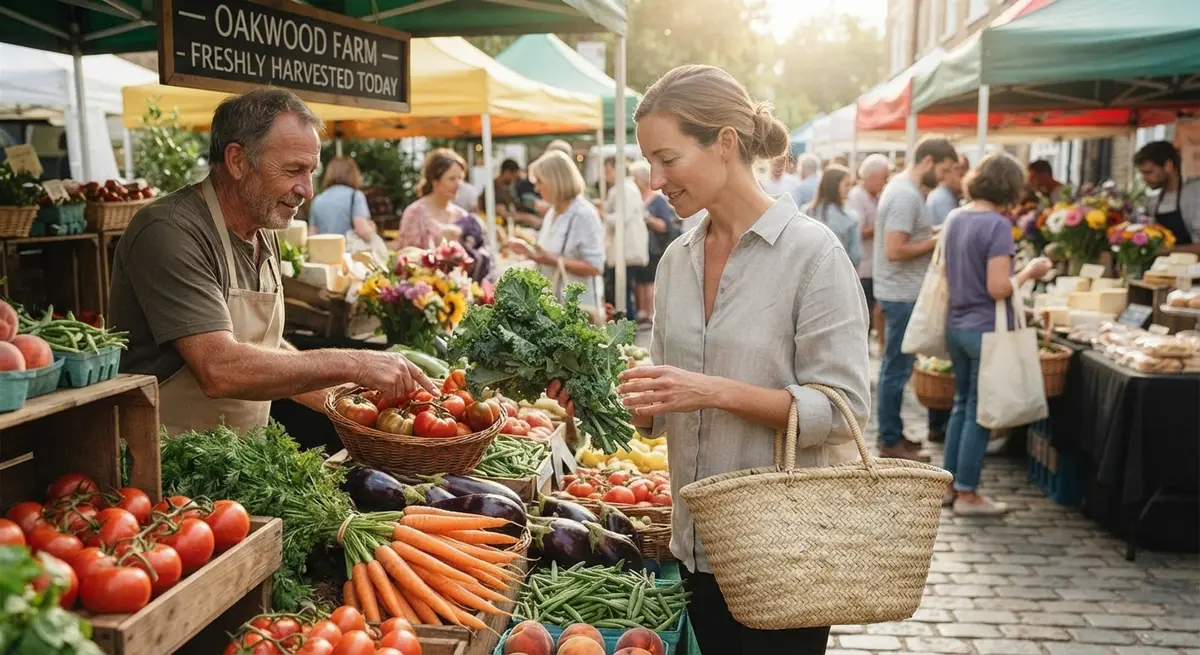
Exploring Local Farmers Markets: Tips for Finding the Freshest Produce
Farmers markets reward people who know what to look for. Here are the tactics for finding the freshest produce, talking to growers, and budgeting.
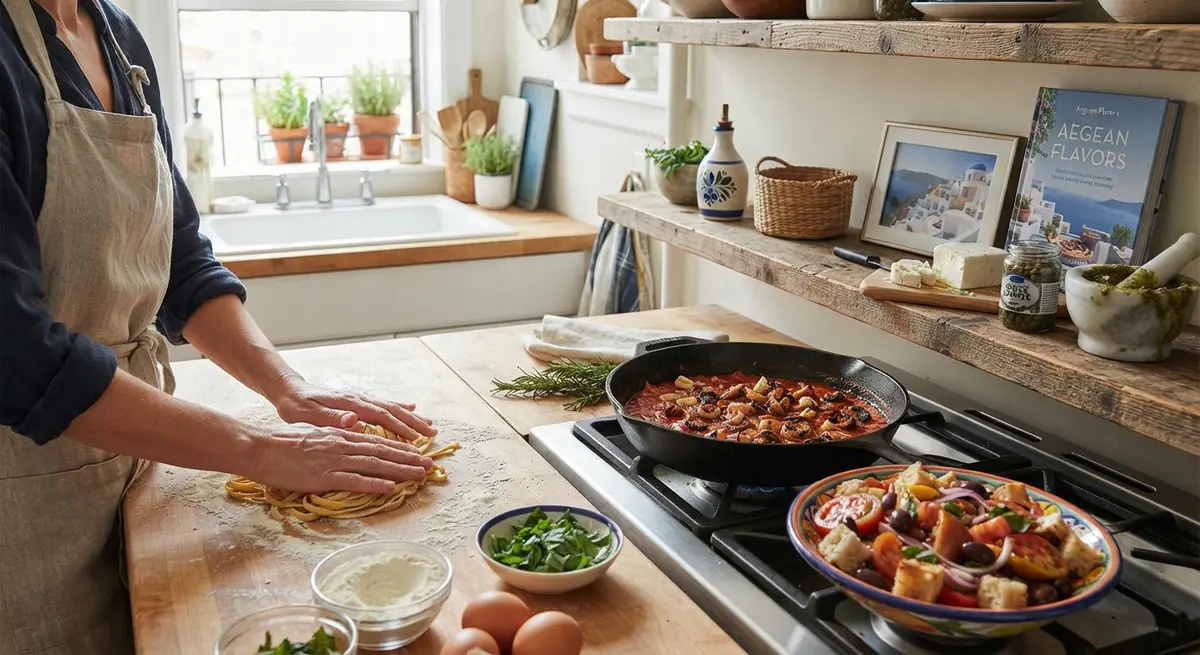
Bringing Vacation Home: How to Recreate Food Memories in Your Own Space
You can't bring the trip back, but you can bring its flavors. Here is how to turn travel food memories into weeknight meals in your own kitchen.
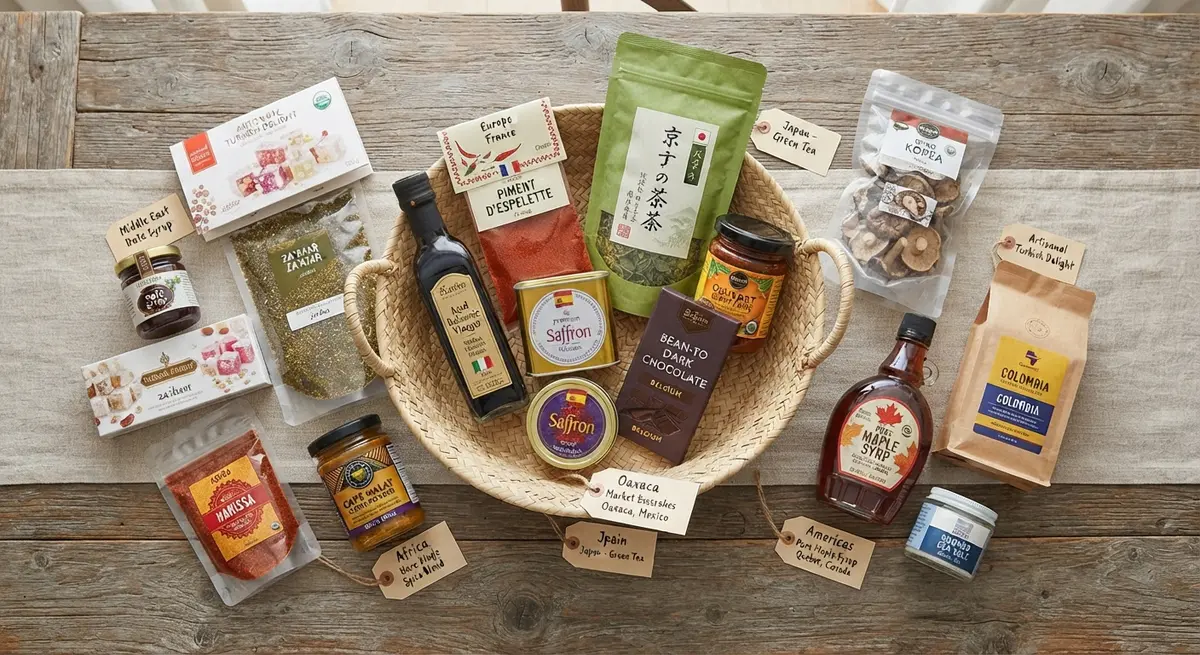
Food Souvenirs: The Best Culinary Keepsakes to Bring Back from Your Trips
The best food souvenirs travel well, clear customs easily, and remind you of the trip every time you cook. Here is what to buy, skip, and pack.
How to Eat Like a Local Wherever You Travel
Stop eating where the travel apps point. Here is how to find the tables locals actually queue for, order with confidence, and eat like a local on any trip.
About the Authors
This recipe and guide was developed, tested, and approved in our home kitchen and daily life. Jamy is a retired Food Service District Manager and Early Childhood Program Manager who spent his career overseeing multi-site restaurant operations, large-scale culinary production, and daycare menu management. Kaïna brings the ultimate real-world test: making sure it brings ease and joy to our kids on a busy weeknight.
Read more about our professional background and philosophy →