Food Souvenirs: The Best Culinary Keepsakes to Bring Back from Your Trips
By the QuiteRecipes team (Jamy & Kaïna)
The best food souvenirs travel well, clear customs easily, and remind you of the trip every time you cook. Here is what to buy, skip, and pack.
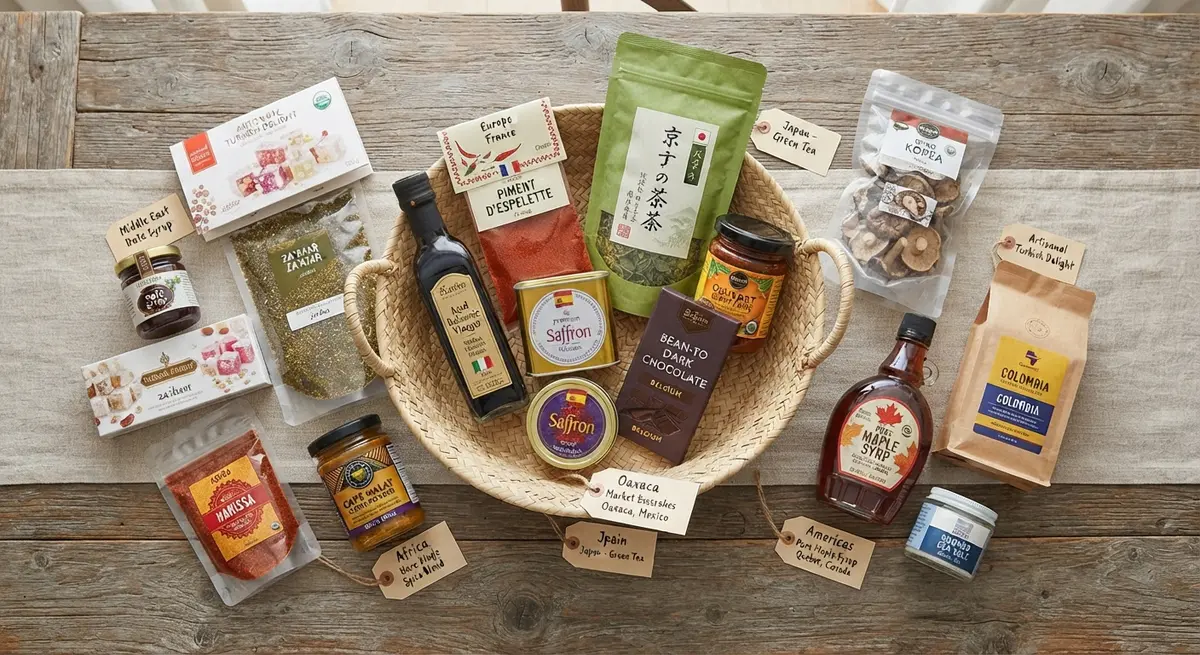
I once flew home from Sicily with three kilograms of olive oil, two bottles of almond wine, and a wheel of cheese that reeked so magnificently that the taxi driver rolled down his windows before we cleared the rental lot. The oil survived beautifully. The wine vanished within a month, well loved. And the cheese — brilliant, demanding, insisting on being eaten now — spent the flight becoming a legal and packing problem I should have seen coming. I learned more about food souvenirs that day than any guidebook could teach.
That wave of regret taught me the real art of the keepsake. The best culinary souvenirs aren't the ones that impress customs with their size; they're the ones that clear the border, survive the baggage carousel, and perform — appearing on your table months later and dragging the whole trip back with them. A jar of Dijon mustard, a paper-wrapped sachet of vanilla beans, a tin of Portuguese sardines: each is a small, legal time capsule.
This guide covers what travels well, what to leave at the market, how the rules actually work, and the regional classics worth the suitcase space — with realistic notes on prices, which shift with every season.
What Travels Well, and What Stays Home
The golden rule is shelf life. A souvenir should survive the trip without refrigeration, drama, or a long conversation at customs. The easy winners:
- Olive oils and vinegars — buy dark glass, check the cap seal, wrap in a plastic bag as insurance. A 500-ml bottle of Sicilian oil costs a fraction of its imported twin and tastes like the hillside.
- Spices, dried peppers, and spice blends — light, sealed, and the fastest way to re-season your kitchen with a place.
- Tinned and jarred treasures — Portuguese sardines, Spanish anchovies in olive oil, Italian artichoke hearts.
- Tea, coffee, cocoa, honey, and preserves — sealed and dry, they fit the carry-on like a book.
- Chocolate — buy it in winter or plan storage; a summer flight turns your gift into a brown smear.
The hard no's: fresh fruit and vegetables, fresh meat, and soft cheeses — broadly restricted at borders, and you'll be eating them at the airport either way.
Pro tip: Shop where you can verify a production date and a sealed closure — from a proper shop or producer, not the colorful shelf by the market exit. That shelf exists for tourists precisely because the good shops are a block farther on.
How the Customs Rules Actually Work
The rules are simpler than the fear suggests, and they're public:
- The US restricts meat, dairy, fruits, and vegetables far more strictly than sealed, shelf-stable foods. Tins, jams, spices, oils, and chocolate are generally fine — but check current USDA and CBP guidance, because categories shift.
- The EU follows similar logic: shelf-stable packaged products are generally accepted; fresh meat and dairy generally are not.
- Australia, New Zealand, Japan, and Singapore are famously thorough about biosecurity. If you're flying into any of them, assume everything you carry belongs on the declaration form.
The working rule I use: if it needs a fridge, a fruit bowl, or secrecy, it stays. If it's sealed, shelf-stable, and labeled, it's almost certainly coming home with you. And check the destination's rules before you pack, not after you've paid with your heart.
The Regional Hall of Fame
Some souvenirs are so perfect at what they do that they're worth planning around. Prices move by season and outlet, so treat these as ballparks:
- Sicilian olive oil — estate bottles at farm outlets cost a small fraction of export prices; buy unfiltered for the full, cloudy rush.
- Modena balsamic — only bottles labeled "Aceto Balsamico Tradizionale di Modena DOP" are the thick, decades-aged treasure. Cheap supermarket balsamic is vinegar with sugar and color; the DOP mark is the shortcut.
- Spanish smoked paprika and saffron — pimentón is a superstar; cheap "saffron" is frequently dyed safflower, another reason to buy sealed and labeled.
- Portuguese tinned fish — a gorgeous, superlative gift that ships effortlessly.
- Japanese pantry goods — miso, dashi, nori, and a good soy are sealed, light, and earthshaking upgrades over grocery-store versions.
- Mexican vanilla and Turkish lokum — both travel fine when sealed and declared if asked.
The Cheese Problem, Solved
Cheese is the souvenir everyone loves and everyone makes a little tragic. The sane approach is the same most places: prefer hard, aged, vacuum-sealed wheels, which survive transit better and invite fewer questions. Keep the cheese cold until the last moment with an insulated bag and cold pack, and if in doubt, choose smoked or cured rather than fresh. Honestly, when I realize a wheel won't survive my flight, I eat it at the airport café and photograph the plate — not defeat, just honoring the cheese.
Pack Like You Have a Return Flight
Half of all food-souvenir disasters are packing failures, not customs failures:
- Wrap jars and bottles in bubble wrap, then roll them into clothing.
- Put every liquid in zip-top bags, even in checked luggage; redundancy is the whole game.
- Keep temperature-sensitive items in an insulated bag with a cold pack — check the airline's rules on frozen gel packs first.
- Use every nook: a jar can live inside a boot, a tin of saffron inside a folded belt.
- Shop on the second-to-last day, not the last; that's when you overpay, under-plan, and carry the fragile thing through the busiest hour.
Pro tip: A great food souvenir given well is a story with a wrapper. Attach a card with three specifics: where you bought it, what you'd pair it with, and the memory attached. That turns a tin of olive oil into a small act of travel you can hand someone.
FAQ
What food souvenirs are safest to bring home?
Sealed, shelf-stable, commercially packaged products — olive oil, vinegar, spices, chocolate, tea, honey, preserves, and tinned fish — clear most borders easily and have the longest life in your kitchen.
Can I bring cheese or cured meat back in my luggage?
Possibly, with conditions. Hard, aged, vacuum-sealed cheese is more likely to be permitted than soft or fresh; packaged cured meats more than fresh. Rules vary and change by country, so check current guidance before you buy a wheel you love.
Is it cheaper to buy food souvenirs at the airport?
Rarely. Airport "local products" kiosks charge a premium for convenience. Buy in town where you can verify appearance and date, and save airport shopping for the one sealed box you forgot.
Do I need to declare food on customs forms?
Yes. The US, Europe, Australia, and most destinations publish clear lists of what must be declared. Declaring an item that's fine is harmless; failing to declare is the mistake that turns a memento into a fine.
Key Takeaways
- Choose sealed, shelf-stable, labeled products that survive the flight without temperature control.
- Fresh produce, fresh meat, and soft dairy are the classic trouble zones — declare what's required and check current rules before buying.
- Regional classics like Sicilian oil, DOP balsamic, and tinned Portuguese fish offer the best taste per suitcase ounce.
- Solve the cheese problem with vacuum sealing, cold handling, and eating the survivors at the airport.
- Wrap jars in clothing, zip-top every liquid, and shop on the second-to-last day.
- A card with where, what to pair it with, and a memory turns a jar into a story worth giving.
A Final Word
The perfect food souvenir isn't the biggest or the rarest; it's the one that clears the border, survives the carousel, and reopens the trip every time it appears in your kitchen. Buy sealed and labeled from real shops, keep the fresh stuff at the market, and wrap everything like you're shipping a fragile heart. Do that, and a single bottle of hillside olive oil can carry all of Sicily home with you — legally, tastefully, and ready to pour.
Published on 2026-08-13 by the QuiteRecipes team (Jamy & Kaïna).
Related Articles
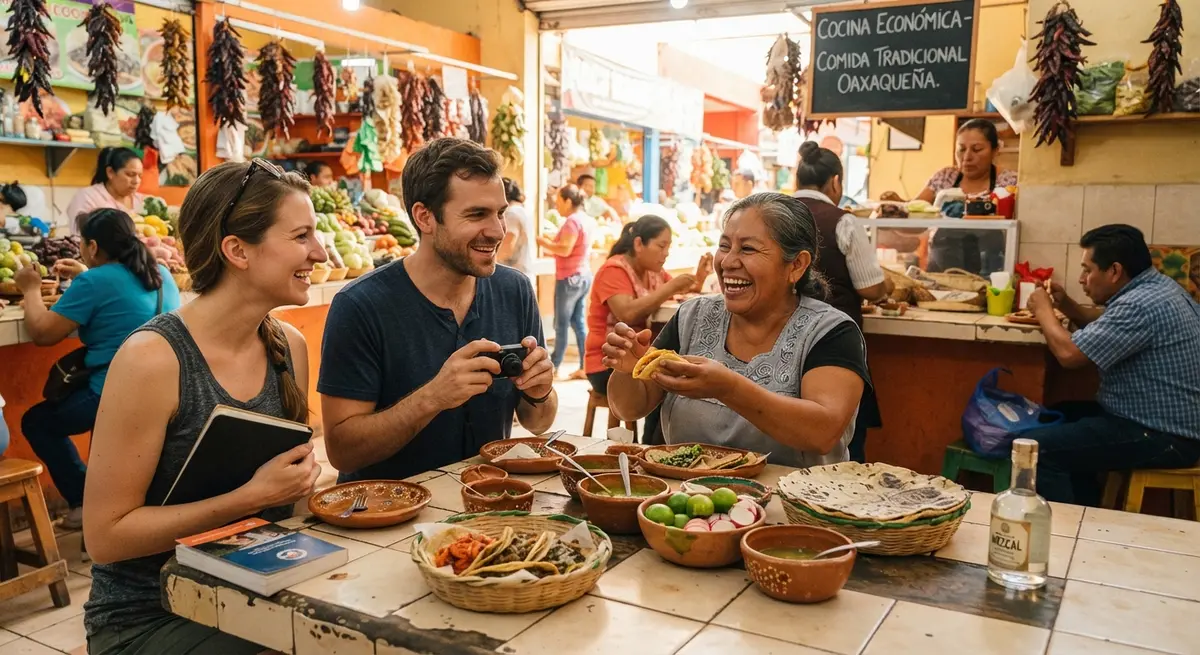
How to Eat Like a Local Wherever You Travel
Stop eating where the travel apps point. Here is how to find the tables locals actually queue for, order with confidence, and eat like a local on any trip.
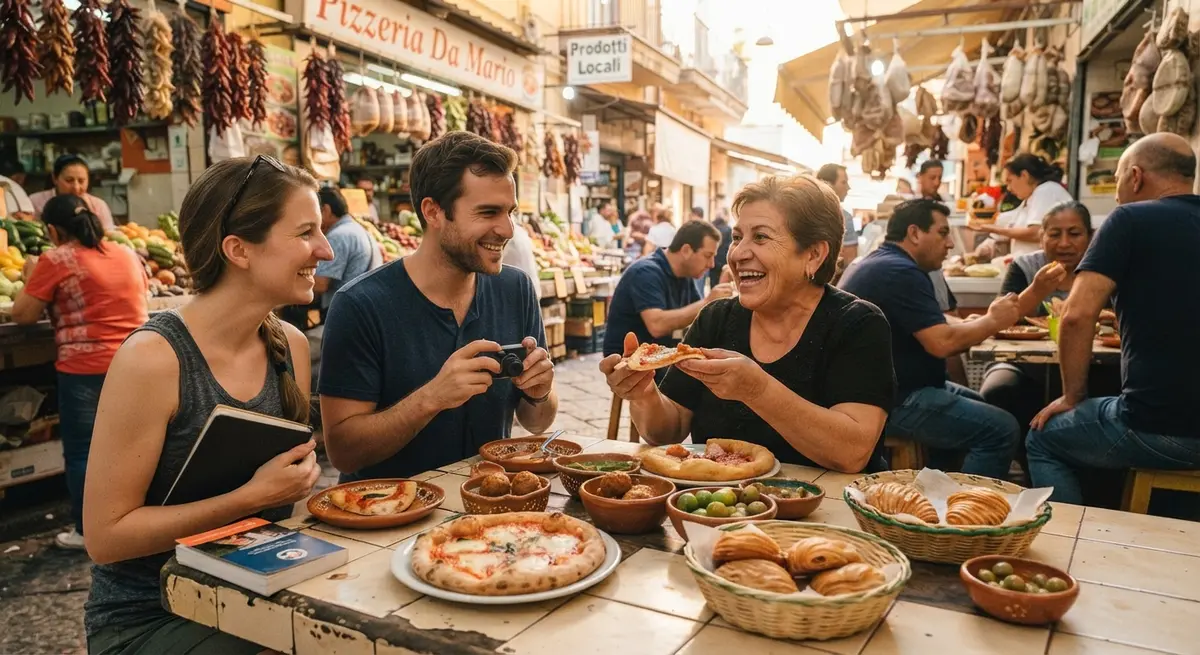
How to Find Hidden Gem Food Spots in Any City You Visit
Hidden-gem food spots are findable everywhere. Here is how to triangulate local sources, read menus, and walk neighborhoods to find the real tables.
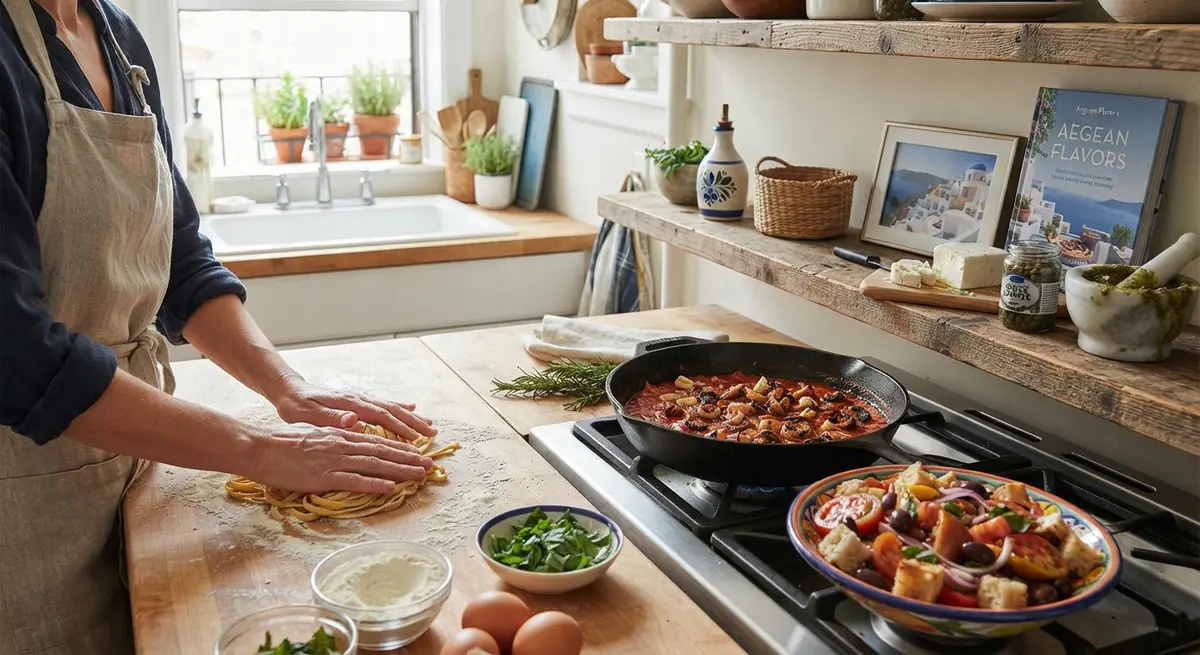
Bringing Vacation Home: How to Recreate Food Memories in Your Own Space
You can't bring the trip back, but you can bring its flavors. Here is how to turn travel food memories into weeknight meals in your own kitchen.
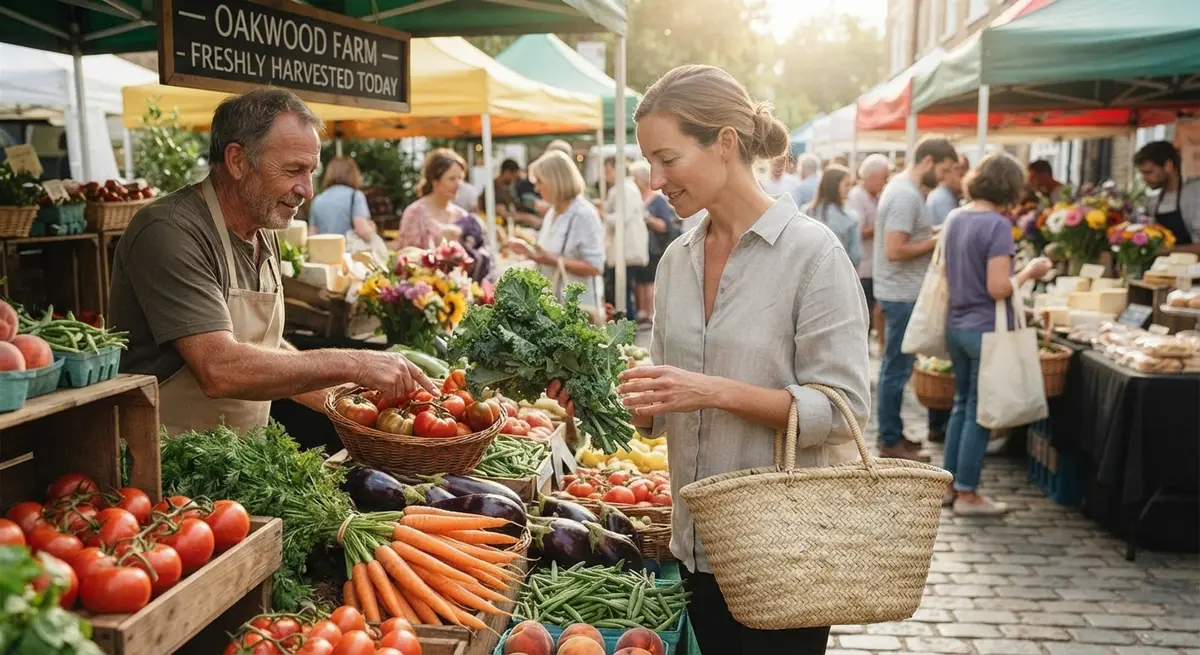
Exploring Local Farmers Markets: Tips for Finding the Freshest Produce
Farmers markets reward people who know what to look for. Here are the tactics for finding the freshest produce, talking to growers, and budgeting.
About the Authors
This recipe and guide was developed, tested, and approved in our home kitchen and daily life. Jamy is a retired Food Service District Manager and Early Childhood Program Manager who spent his career overseeing multi-site restaurant operations, large-scale culinary production, and daycare menu management. Kaïna brings the ultimate real-world test: making sure it brings ease and joy to our kids on a busy weeknight.
Read more about our professional background and philosophy →