How to Find Hidden Gem Food Spots in Any City You Visit
By the QuiteRecipes team (Jamy & Kaïna)
Hidden-gem food spots are findable everywhere. Here is how to triangulate local sources, read menus, and walk neighborhoods to find the real tables.
I once found one of the best meals of my life because a taxi driver in Lisbon overshot a turn. I asked where he'd stop for lunch on his day off, and he didn't hesitate: a tasca near the port that appears in no app and changes its menu with the harbor's catch. Thirty minutes later I was eating grilled sardines and boiled potatoes at a table so small my elbows met my neighbors', and the owner, knowing the driver was vouching for me, kept topping up the bread without being asked. That meal cost less than the taxi fare to get there.
That lunch wasn't luck, and neither are the great finds in any city. Hidden gem food spots follow discoverable rules — the same ones locals use without noticing. This is the method I've refined across dozens of cities: triangulating local sources, reading a menu like a scholar, walking a neighborhood like a resident, and ordering in a way that earns you a seat at the real table.
The Signal-to-Noise Problem
Every city now has thousands of reviews, and almost all say the same thing: "Great atmosphere, friendly staff, would recommend." That's noise. The signal you need — which place serves what the neighborhood eats daily — is buried under it. Apps aren't your enemy; they're just not your oracle. They reward the same mechanics as the tourist district: good photos, easy menus, pleasant food. They tell you where visitors were happy, which is useful, but it's not where a city lives. The fix is triangulation: gather three very different sources, and let them agree.
The Three-Source Triangulation
Run this before you arrive, in about 40 minutes:
- The delivery app, used backwards. Look at what people in your neighborhood are actually ordering now. If the top seller at an Asian eatery is "fried rice with shrimp" rather than the regional specialty, you're reading a menu aimed at passers-through. The app is a census, not a guide.
- Local food writers, older essays. Search a neighborhood and "where the locals eat," or open the local paper's features. These were written for residents, and they age beautifully — a good tasca from three years ago is still a good tasca.
- The human source, deployed right. Ask a resident — taxi driver, barber, shopkeeper — a specific question: "If you were off tomorrow and craving comfort food, where would you actually go?" The phrase actually go steers past what they think visitors should see.
Two agreements make a candidate; three make a reservation.
Pro tip: On delivery apps, note places where the photo quality is bad. Ugly, unedited photos often signal a kitchen that doesn't need to sell itself to screens.
Reading the Menu Like a Scholar
- Length is a confession. Eight to twelve dishes means a kitchen that owns each one; a menu like a novel means it owns nothing.
- Photography is a warning. Real neighborhood places rarely photograph their food.
- Lamination is industry shorthand for high turnover — it saves cost, not reputation.
- Language is geography. A menu only in the local language, with a handwritten specials board, is your target. Point and smile; you'll never regret it.
- The specials are the heart. Ask for what the cook wants to make this week — the truest expression of the place.
The Walk-the-Neighborhood Test
Menus lie less than neighborhoods. Walk 25 minutes beyond the main square, where places have served the same families for decades — they survive on repetition, the strongest recommendation in food. Go at 12:30 to 2 p.m. and watch where the uniformed workers go: delivery riders, bank tellers, and hospital staff eat fast, cheap, and honestly. Follow an electrician's crew for lunch and you will not order wrong. Then check the neighborhood at 4 p.m.: if a residential café fills with people who are simply reading or tapping phones, that's a place that lives — and liveness is the hidden gem's whole currency.
Pro tip: If the owner ignores you for the first ten minutes at a neighborhood spot, don't take it personally. Quiet, busy kitchens warm to curiosity, not performance. Order the special, eat slowly, and the welcome follows.
Order Smarter: The Counter-Intuitive Wins
Ordering is a skill, and hidden gem meals come from how you order as much as where:
- Order what the room wants — the dish arriving at most tables is the kitchen's best argument.
- Order one shareable plate first. A single plate, eaten slowly, buys the cook's attention; three dishes buy you a receipt.
- Go off-menu with confidence. Ask what never makes the board, and let the owner steer you to the plate they're proudest of.
- Let the season lead — what's in season is what deserves to be eaten right now.
Building a Relationship With One Vendor
Once you've found your place, the difference between a good meal and a remembered one is a small relationship: be a regular for one evening, order one thing, and watch the room. Ask one question that's about them, not you — "What do you make that you never put on the board?" — and learn five words in the local language: hello, please, thank you, delicious, same as usual. They cost twenty minutes on a plane and change the temperature of every transaction.
FAQ
What apps are actually useful for finding hidden gems?
Delivery apps are the best census — use them to see what locals order, not to pick tourist favorites. Local food-blog archives and neighborhood papers outperform global lists because they were written for residents.
How do I spot a tourist trap disguised as a hidden gem?
Look for a laminated menu, identical decor, menu photos, and empty tables at lunchtime. The real gem has a short menu, a handwritten board, and a lunch line of people who look like they work nearby.
Do I need to speak the local language?
No — pointing at the specials board works everywhere. Learning five words helps enormously, but the hidden gem rewards curiosity, patience, and one good question above fluency.
How do I find gems quickly on a short trip?
Run the triangulation in 40 minutes before you land, then hit your two or three candidates at midday. The system compresses beautifully; a short trip just needs it started earlier.
Key Takeaways
- Reviews are mostly noise; the signal is whatever locals order, read, and do on their own time.
- Triangulate three sources — delivery-app census, local writers, one resident — and trust agreement.
- Read menus like evidence: short is honest, photography is a warning, and the handwritten board is the heart.
- Walk 25 minutes past the square, watch the midday uniforms, and follow the lunchtime line of regulars.
- Order one plate, ask what never makes the board, and mirror local customs with one vendor.
- Let the season and the room lead your ordering; the neighborhood's noon is the truest recommendation.
A Final Word
That Lisbon tasca has never once appeared in a conversation where I was holding the guidebook, and it doesn't need to — it survives on the quiet loyalty of people who live nearby, the exact opposite of the recommendation economy. The hidden gems of any city are findable by method, not magic: triangulate your sources, trust the neighborhood's noon, read the menu as evidence, order one plate, and let the room teach you. Do that on any continent, and the best tables will keep finding you — the way they found me, off a turn my taxi driver didn't even pretend to apologize for.
Published on 2026-08-13 by the QuiteRecipes team (Jamy & Kaïna).
Related Articles
How to Eat Like a Local Wherever You Travel
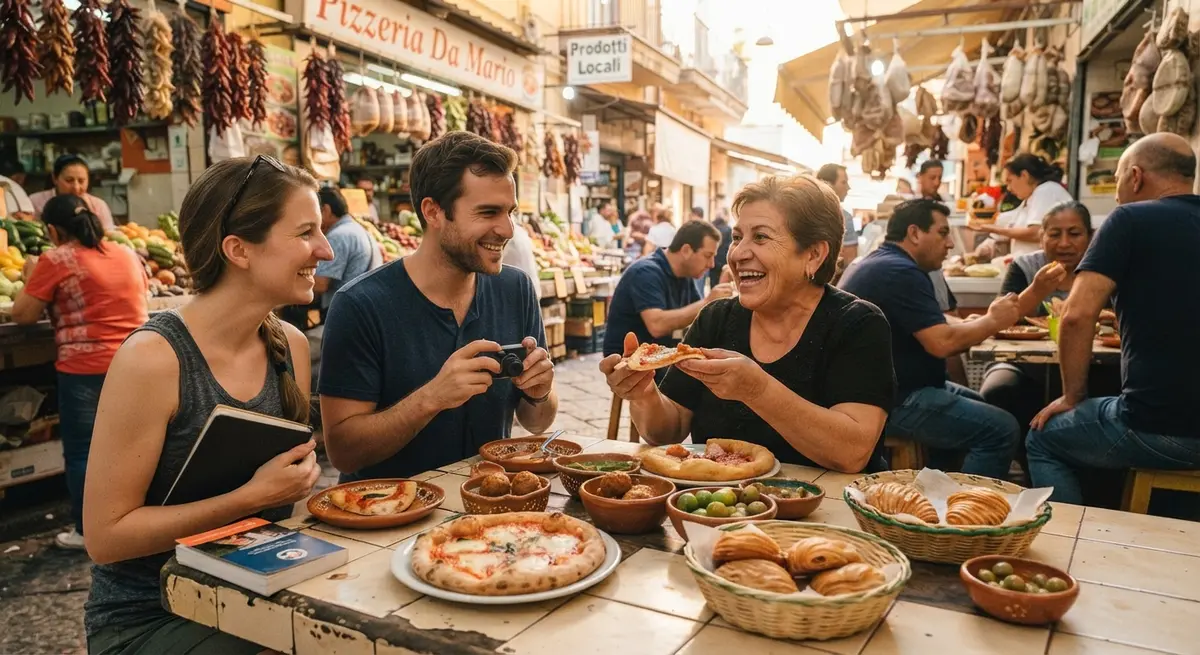
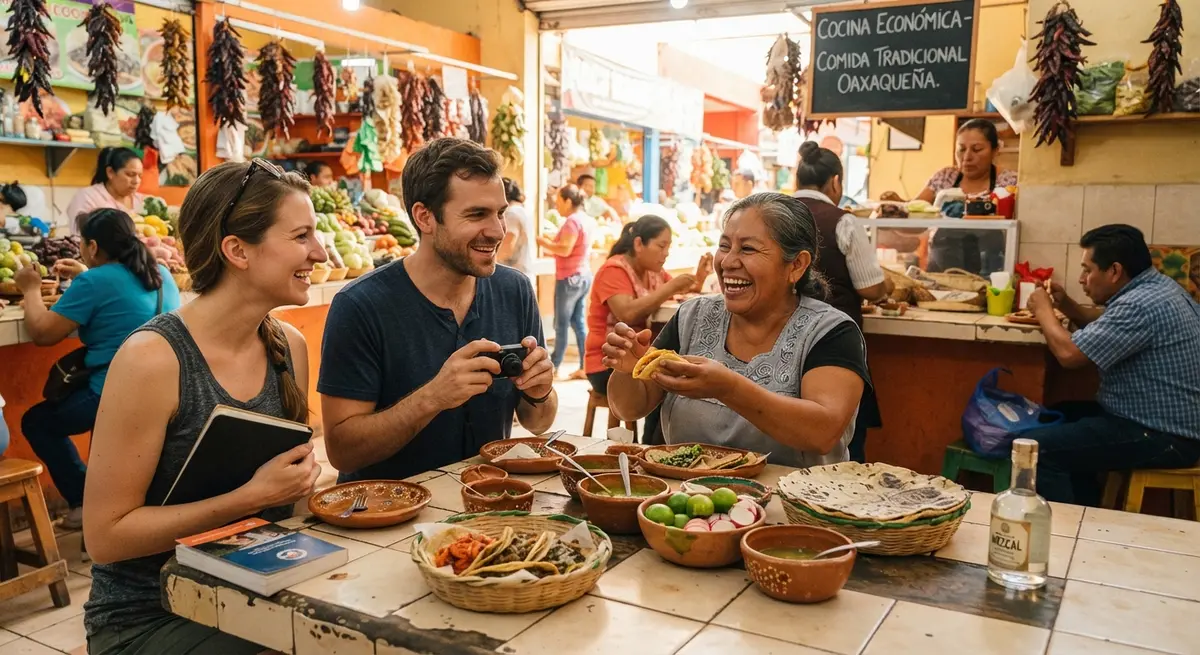
Stop eating where the travel apps point. Here is how to find the tables locals actually queue for, order with confidence, and eat like a local on any trip.
Food Souvenirs: The Best Culinary Keepsakes to Bring Back from Your Trips
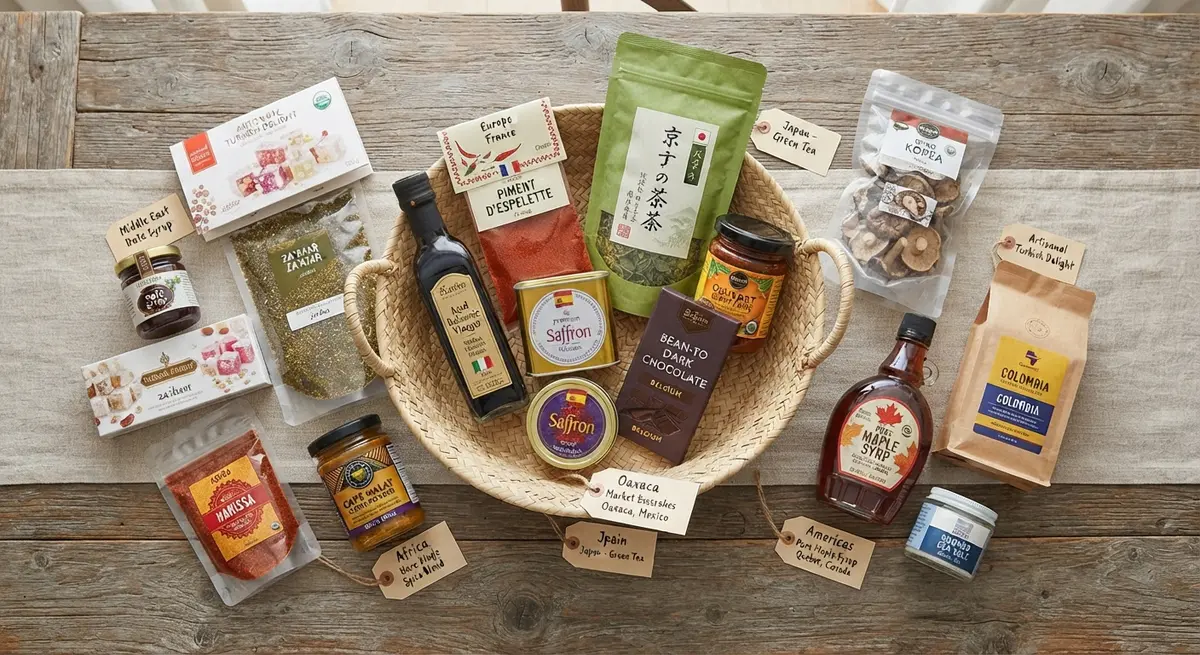
The best food souvenirs travel well, clear customs easily, and remind you of the trip every time you cook. Here is what to buy, skip, and pack.
Exploring Local Farmers Markets: Tips for Finding the Freshest Produce
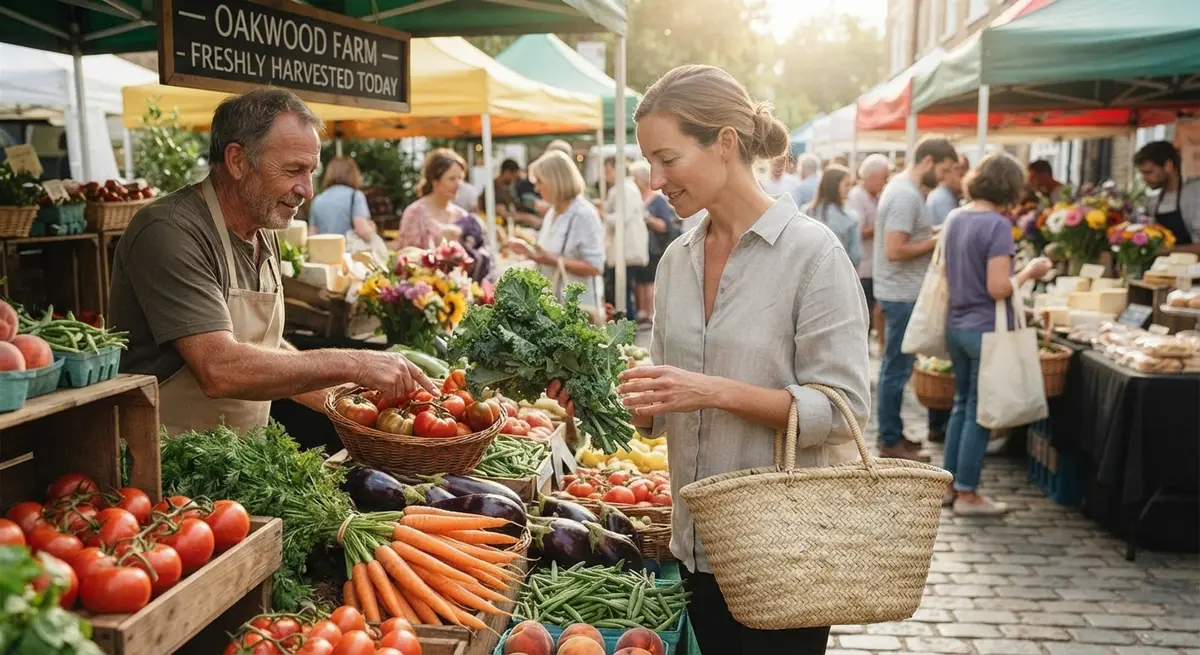
Farmers markets reward people who know what to look for. Here are the tactics for finding the freshest produce, talking to growers, and budgeting.
The Best Artisan Food Festivals Worth Traveling For
Some artisan food festivals are worth the flight. Cheese in Bra, chile in Hatch, truffles in Alba: names to know and how to make them pay off.
About the Authors
This recipe and guide was developed, tested, and approved in our home kitchen and daily life. Jamy is a retired Food Service District Manager and Early Childhood Program Manager who spent his career overseeing multi-site restaurant operations, large-scale culinary production, and daycare menu management. Kaïna brings the ultimate real-world test: making sure it brings ease and joy to our kids on a busy weeknight.
Read more about our professional background and philosophy →