Composting at Home: A Beginner's Guide to Turning Scraps into Gold
By the QuiteRecipes team (Jamy & Kaïna)
Composting is the easiest way to turn food waste into garden gold. Start with a bin, learn the green-to-brown ratio, and watch it work.
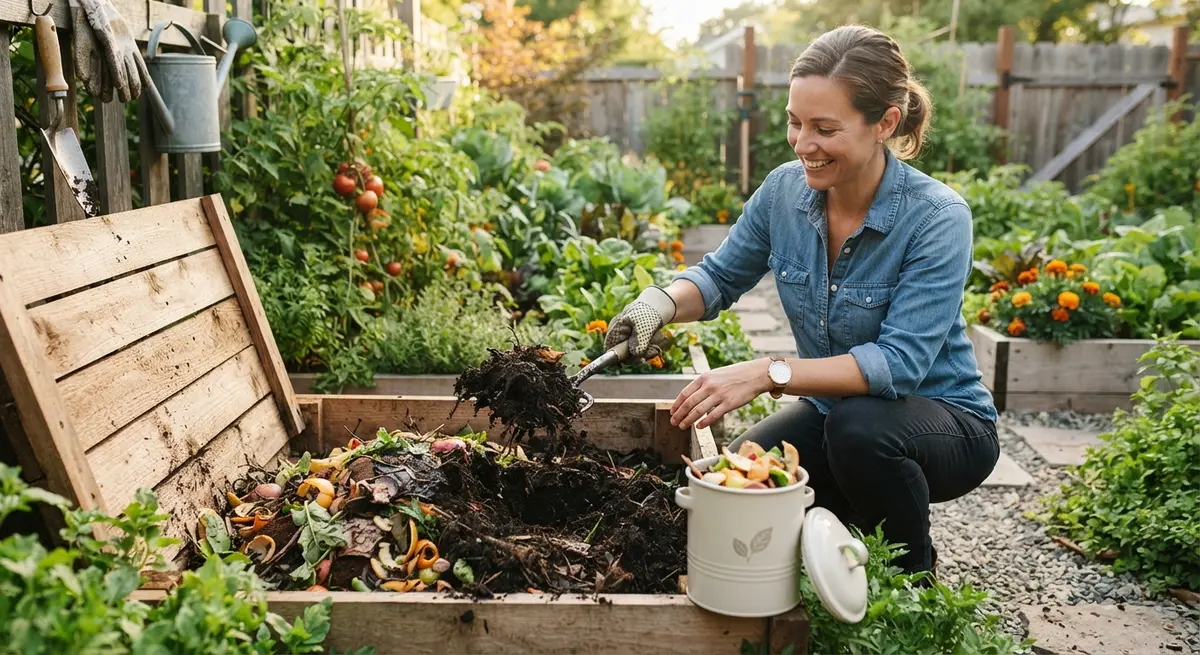
I once tried to compost with a trash-bag plan I read online. I sealed vegetable peels in a lawn-and-leaf bag, stored it in the garage, and waited confidently for alchemy. Three months later I opened it to a soggy, stinking lump that attracted enough flies to invade a small country. It was my most instructive gardening failure, because it taught me that composting isn't about letting scraps rot. It's about giving bacteria, fungi, and bugs the right conditions to do fast, tidy work.
That's the secret. Compost is a managed process, not magic. Get the moisture, air, and the balance of greens and browns right, and kitchen scraps turn into dark, crumbly soil food in three to six months. Get it wrong and you get a slimy anoxic mess. I've run a home compost setup for years now, handling nearly all my vegetable trimmings, eggshells, and coffee grounds.
Here's how to start, whether you have a big yard or just a balcony.
Choose the Right System for Your Space
There's no single best composter. The right one depends on space and how fast you want finished compost. Match the system to your reality.
- Outdoor bin (3-foot / 1 meter cube or larger): holds heat, needs turning monthly, finished in 3 to 6 months. Great for yards.
- Tumbler bin: a drum on a stand you rotate every few days. Faster, neater, and easier to turn, at $80 to $200 for a 60-gallon (225 L) unit.
- Countertop pail with a lid: the everyday kitchen collector. A 1-gallon (4 L) pail holds a week of scraps for most households.
- Indoor worm bin (vermicomposting): ideal for apartments; a 10-gallon (38 L) bin with worms handles kitchen scraps with no smell.
For a small yard or balcony, I'd pick a tumbler plus a countertop pail. It's compact, pet-proof, and gives finished compost in about two months during warm weather.
Learn the Ratio: Greens Meet Browns
Compost works when you feed the microbes a balanced diet. Greens are wet, nitrogen-rich, and quick to rot; browns are dry, carbon-rich, and slow. A ratio of roughly 2 to 3 parts browns to 1 part greens keeps the pile working fast without stinking.
- Greens (nitrogen): vegetable peels, fruit scraps, coffee grounds, fresh grass clippings, eggshells.
- Browns (carbon): dry leaves, straw, cardboard, shredded paper, twigs, and wood chips.
- Keep out: cooked food, meat, dairy, bones, and oily scraps. They attract pests and rot slowly.
- Trim scraps: cut large pieces into chunks a few inches long; more surface area means faster breakdown.
- Coffee grounds are a free nitrogen jackpot; a local café will happily hand you a bucket.
My rule of thumb after years of failed piles: when in doubt, add more browns. A pile that's too wet and smells needs cardboard and leaves, never more coffee grounds.
Layer and Maintain: Build Like Lasagna
A good pile is built in layers and managed gently. Start with a 4-inch (10 cm) layer of coarse browns at the bottom, then alternate layers of greens and browns, roughly doubling the brown layer each time a green layer goes in.
- Add kitchen scraps in small batches and cover each with a few inches of browns. This stops smells and flies instantly.
- Turn or tumble every 5 to 14 days to introduce oxygen; the center heats to 130 to 150°F (55 to 65°C) when things are really cooking.
- Keep the pile as moist as a wrung-out sponge, about 40 to 60 percent water. Too dry and it stops; too wet and it turns anaerobic.
- Chop or shred anything big, and let the pile work in three-to-six-month laps.
I like to compare it to a kitchen brigade: microbes are the cooks, oxygen is the fire, moisture is the stock, and browns are the garnish that keeps everything balanced. Take away any one and dinner turns to mush.
Know When It's Done, and Use It Right
Finished compost looks nothing like the scraps you put in. It's dark brown to black, crumbly, smells like forest floor, and has no recognizable food pieces. That takes 3 to 6 months in a tumbler and 6 to 12 months in a cold pile, depending on the season.
- Sift it: a cheap hardware-store screen gives you fine, ready soil for herbs and seedlings.
- Top-dress plants: spread 1 to 2 inches (2.5 to 5 cm) of compost around perennials, vegetables, and fruit trees.
- Mix into potting mix: roughly 1 part compost to 3 parts potting mix for containers.
- Make compost tea: steep a handful in a bucket of water for 24 hours and water it in as a gentle fertilizer.
Worms finding their way in is a good sign; they're the pile's advanced recycling team. A healthy bin smells earthy, and a properly balanced pile won't draw flies at all.
Fix the Common Failures Fast
Almost every composting failure has one of three causes, and each has a simple fix. The trash-bag disaster that started my journey was cause number one.
- It stinks like rotten eggs: too wet or too much green. Add browns, turn it, and cover new additions.
- It's dry and nothing is happening: the microbes are thirsty. Water it and add juicy greens.
- Raccoons and flies: food is exposed. Bury new scraps under a generous brown layer and close the lid.
- Fruit flies in the pail: transfer the countertop bin to the outdoor pile every 2 to 3 days, or freeze scraps first.
A well-run bin takes about ten minutes a week. Over a year, a typical household can divert 300 to 500 pounds (135 to 225 kg) of kitchen scraps from the landfill and turn them into free fertilizer.
FAQ
How long does compost take to finish?
Three to six months in an actively turned tumbler in warm weather; six to twelve months in a static pile. Winter slows it nearly to a stop.
Can I compost if I live in an apartment?
Yes. A worm bin fits under the counter, and many cities offer drop-off programs for food scraps.
What should I not put in compost?
Meat, bones, dairy, cooked oil, and heavily processed foods. They rot slowly, smell, and draw pests in a backyard bin.
Why is my pile not getting hot?
It may be too small, too dry, or short on greens. Build at least a 3-foot cube, keep it moist, and add nitrogen-rich scraps or clippings.
Can I put weeds in my compost?
Avoid weeds with seeds unless your pile reliably heats to 140°F (60°C). Otherwise the seeds survive and you'll plant them wherever the compost lands.
Key Takeaways
- Match the system to your space: an outdoor bin or tumbler for yards, a worm bin for apartments.
- Feed the pile roughly 2 to 3 parts browns to 1 part greens, and keep cooked food, meat, and dairy out.
- Build in layers and cover new scraps with browns to instantly stop smells and flies.
- Keep moisture like a wrung-out sponge, about 40 to 60 percent, and turn every 5 to 14 days.
- Finished compost is dark, crumbly, earthy-smelling, and ready to screen and use in 3 to 12 months.
- A balanced bin needs about ten minutes a week and can keep 300 to 500 pounds of scraps from the landfill yearly.
A Final Word
That trash-bag disaster taught me composting is a process you manage, not a hope you harbor. Balance the greens and browns, keep it moist and aired, and nature does the rest. It's ten minutes a week, nearly free fertilizer, and a genuinely satisfying way to watch the kitchen return to the garden.
Published on 2026-08-13 by the QuiteRecipes team (Jamy & Kaïna).
Related Articles
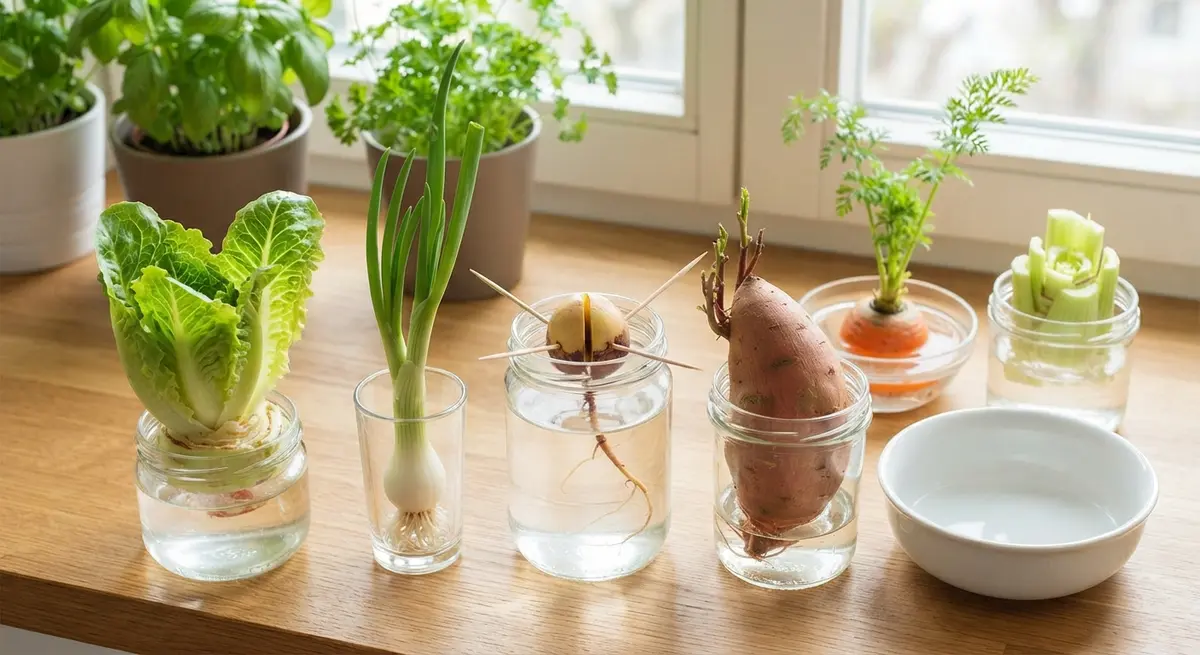
Regrowing Veggies from Kitchen Scraps: A Simple DIY Guide
Your scraps aren't trash, they're the start of your next plant. Grow spring onions, lettuce, and more from the ends you'd otherwise toss.

5 Simple Ways to Be a More Gracious and Relaxed Dinner Host
Gracious hosting isn't about fancy food. It's five repeatable habits that calm the room — and you.
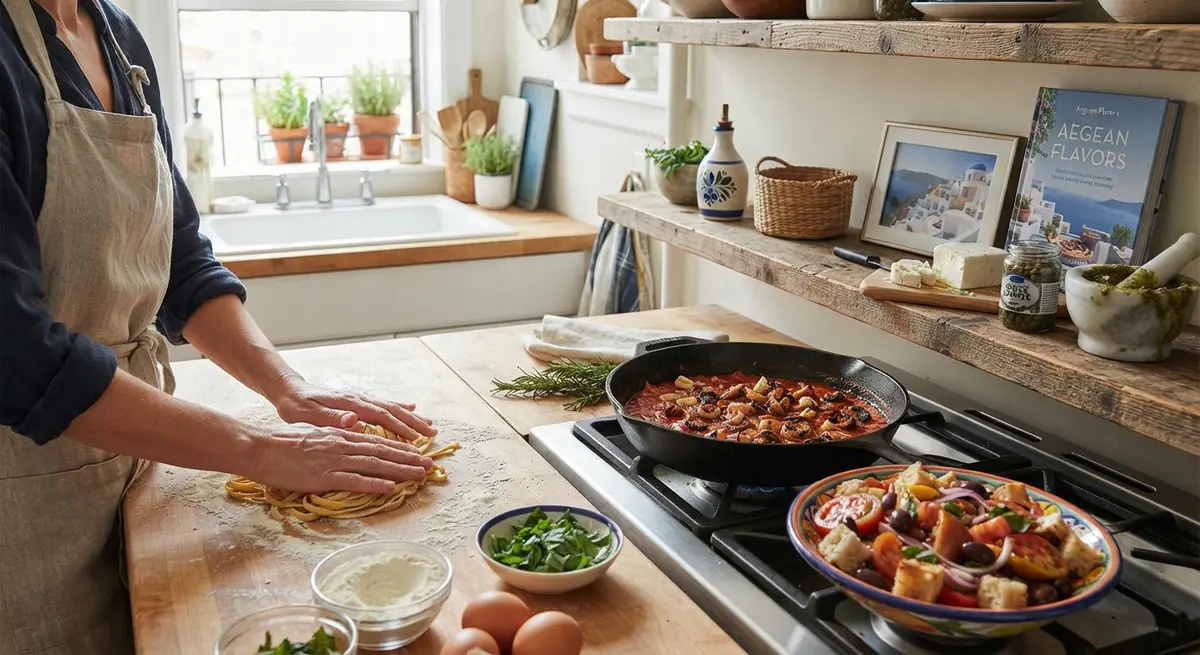
Bringing Vacation Home: How to Recreate Food Memories in Your Own Space
You can't bring the trip back, but you can bring its flavors. Here is how to turn travel food memories into weeknight meals in your own kitchen.
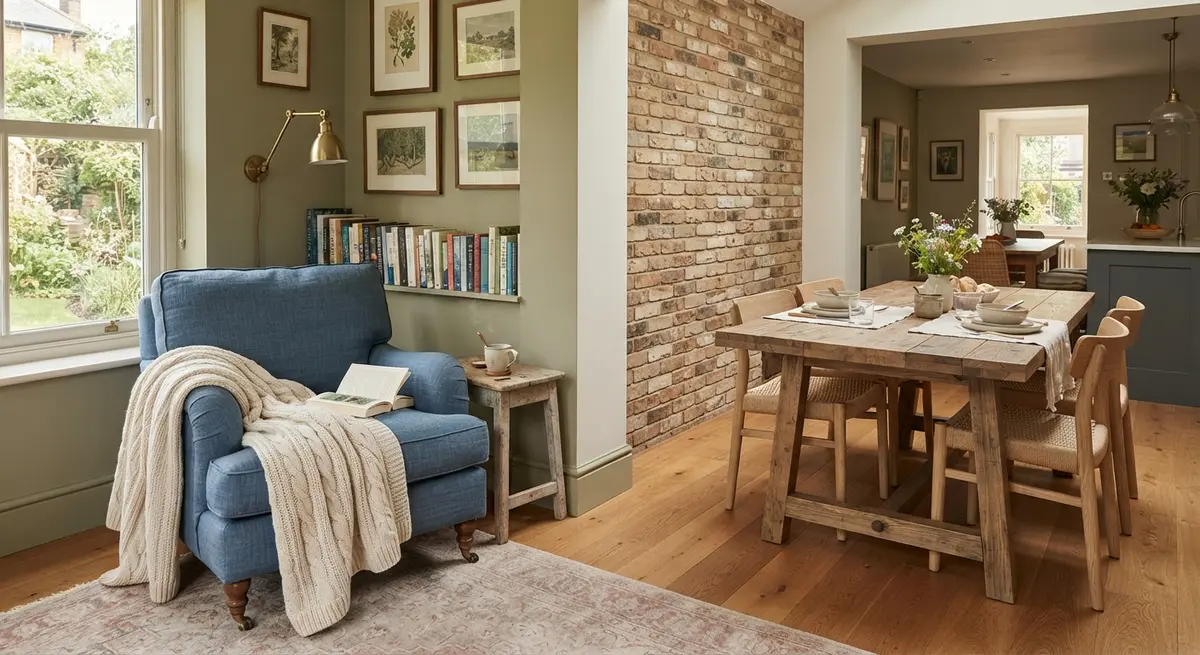
Creating a Cozy Reading Nook Right Next to Your Dining Area
Create a cozy reading nook beside your dining area without a redesign. Find the right corner, lighting, and chair for under $150.
About the Authors
This recipe and guide was developed, tested, and approved in our home kitchen and daily life. Jamy is a retired Food Service District Manager and Early Childhood Program Manager who spent his career overseeing multi-site restaurant operations, large-scale culinary production, and daycare menu management. Kaïna brings the ultimate real-world test: making sure it brings ease and joy to our kids on a busy weeknight.
Read more about our professional background and philosophy →