Creating a Cozy Reading Nook Right Next to Your Dining Area
By the QuiteRecipes team (Jamy & Kaïna)
Create a cozy reading nook beside your dining area without a redesign. Find the right corner, lighting, and chair for under $150.
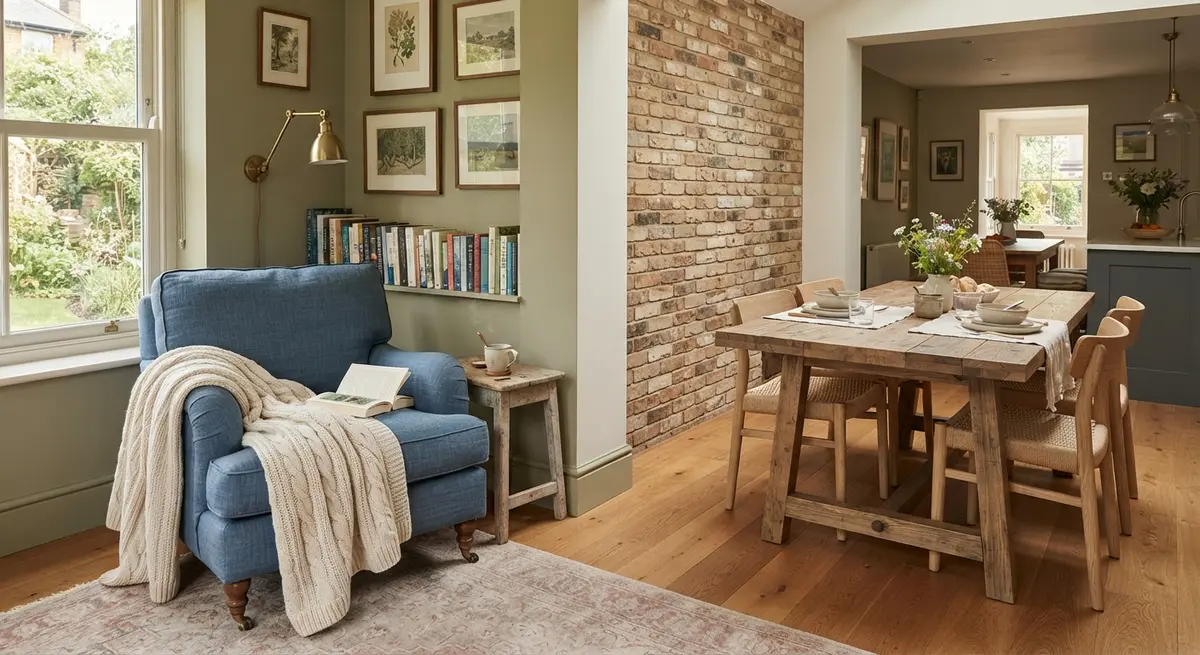
The reading nook in my house is forty inches wide, and it started as a dump zone for a standing fan, a crate of winter boots, and a stack of cookbooks nobody had opened since 2019. For three years it was the room's ugly corner, where the dining area just trailed off into confusion. Then my daughter, who reads constantly, claimed the spot one November evening with a floor lamp, a cardboard box of novels, and a couch pillow she'd dragged off the sofa. She read for three hours by the toes of her socks, and my entire "ideal reading nook" fantasy collapsed in real time.
I had spent that winter dreaming of a built-in bookcase nook with a window seat and a velvet armchair, the kind from design magazines, priced at four figures and needing six feet of wall. My daughter built hers from items we already owned, in a space I'd dismissed as useless, and it worked instantly. The lesson landed hard: a reading nook is not a room or a renovation. It's a location, a light, and a promise that you get to sit here with a book and be left alone.
That's the guide you're holding: how to build a genuinely cozy reading nook right beside your dining area, in the corner you've been ignoring, on a realistic budget.
Find the Right Corner: Three Rules That Beat a Big Room
You don't need square footage to make a reading nook; you need three qualities, all measurable. The first is psychological separation. The nook should feel slightly out of the traffic flow of the dining area, so a reader isn't surrounded by the sound of dishes clinking. In my house the nook sits in the corner farthest from the table, tucked behind a half-wall; even a foot of visual offset creates the sense of a separate room.
The second quality is a good sightline to natural light. Environments near even a small window improve reading stamina, because your eyes can periodically shift focus to a distant point. My nook sits twelve inches from a low east-facing window, and that one detail is probably why the experiment stuck. If your corner has no window, make the artificial light rich enough to do the work by itself.
The third is a defensive boundary. A nook that's an open invitation for dropped bags and piled mail stops being a nook within a month. The moment I added a small rug and a tilted floor lamp, the space started defending itself: people stopped dumping things there because it visibly wasn't a dumping zone anymore. Boundaries are free, and they do the heavy lifting.
Light It Like a Library, Not a Living Room
Lighting is 70 percent of a reading nook's success, and most people get it wrong in two directions. The first mistake is relying on the dining room's overhead light, which shines on the back of the reader's neck and casts the book into shadow. The second is buying a single dim lamp and calling it cozy, which leaves you squinting within a chapter. The fix is a two-layer approach, and it made more difference to my reading life than any chair purchase ever did.
- Layer one is the reading light: a dedicated lamp positioned to cast light over the reader's shoulder directly onto the book, around 2700K at 800 lumens, roughly the old 60-watt equivalent. If you're right-handed, the lamp sits to your left so your writing hand never shadows the page.
- Layer two is the ambient glow: a warmer, dimmer source, like a battery-powered candle sconce set low, that keeps the corner from feeling like an interrogation desk.
For a child's nook, make the reading light a clip-on lamp attached to the shelf or chair arm so it's always at the right angle; that detail is the difference between a child who reads comfortably and one who keeps stopping to move the light.
Aim to light the page at roughly 300 to 500 lux. If you can read the smallest text without leaning forward, the light is adequate. If you're leaning, raise the lumens before you raise the lamp.
Choose Seating That Lets You Read for Hours
The reading chair is the emotional center of the nook, and it's where most people overspend or underspend. The perfect chair lets you sit for ninety minutes without an ache: a seat depth of roughly 19 to 21 inches, a supportive back that's not too reclined, and armrests at a height that lets your elbows rest while you hold the book.
In a tight corner, a small armchair or a generously padded occasional chair works better than a full sofa. My daughter's corner uses a secondhand low armchair we reupholstered together: about forty dollars for the chair plus thirty for the cushion fabric. If floor seating appeals to you, a floor pillow nook is surprisingly comfortable for adults and children alike, especially on carpet.
The chair's companion is a surface for a drink, a bookmark, and a phone without it toppling into the abyss. A slim side table is ideal, but in a tight corner a wall-mounted shelf or a C-table that slides over the chair arm works beautifully. Mine is a tiny wooden stool painted to match, and it holds a mug of tea, the current stack, and a coaster. It does more than store drinks; it marks this corner as a destination, not a passageway.
Small-Space Storage: No Room for Floor-to-Ceiling Shelves
The classic reading-nook fantasy demands a built-in bookcase, and most dining-area corners have no room for one. The workaround is vertical, floating, and honest about its limits. I use a pair of floating shelves above the nook, each eighteen inches long and six deep, holding about forty books standing or stacked. For a forty-inch corner, that's the sweet spot: enough curated books to feel like a library, not so many that the wall overwhelms the room.
- If floating shelves aren't possible in a rental, a leaning ladder shelf in a corner holds nearly the same amount without a single wall anchor.
- Keep the month's current reading in the nook and the deep archive in a closet bin labeled with its contents.
The daily-use solution is a simple basket on the floor beside the chair, catching the current stack: the novel, the magazine, the library book about to be due. It keeps the corner looking intentional even amid a reading crisis, and it costs less than fifteen dollars.
Keep It Reading-Ready: The Habits That Save a Nook
A reading nook survives or dies on habit, and the habits are micro. The first is the ten-second reset: at the end of each session, the book goes back to the shelf, the mug goes to the kitchen, and the blanket gets folded over the chair arm. I skipped this for two days once, and the nook became a dump zone again within a week.
- The second habit is the seasonal refresh: when the dining area's decor changes, the nook changes with it, swapping the throw, the candle scent, and the shelf titles to match the season's reading mood.
- The third habit is guarding the boundary: no mail, no gym bags, no freelance projects, reading only.
Four years in, my total nook budget is about $150, versus $1,500 for the built-in fantasy, and it's easier to keep sacred because it's small and specific. My daughter's cardboard box, which I once nearly recycled, turned out to be the best design lesson I've ever learned: start with what you have, honor the corner, and let the reading space grow with its reader.
FAQ
What do I need for a reading nook in a small dining area?
Four essentials: a chair or floor pillow, a dedicated reading lamp that points at the book, a small side surface for drinks and bookmarks, and a shelf or basket for the current stack. A rug and a lamp define the boundary. My working corner cost about $150 with a secondhand chair.
Where should a reading nook go if my dining area is small?
Look for a corner slightly out of the traffic flow, close to a window if possible, with some visual separation from the table. Even a forty-inch sliver works if it has a boundary. Defensive boundaries matter more than square footage.
What's the best lighting for reading for long stretches?
Two layers: a 2700K light at roughly 800 lumens positioned over your shoulder onto the page, plus a dimmer ambient source behind you. The page should sit at about 300 to 500 lux. If you're leaning forward to read, raise the light before you change anything else.
How do I stop the nook from filling up with clutter?
Guard the boundary: reading only, no mail, bags, or projects. Do a ten-second reset after each session, folding the blanket and returning the book to the shelf. Once the nook is used daily, it defends itself because it reads as a destination, not a dump zone.
Key Takeaways
- A nook needs psychological separation, a light sightline, and a defended boundary, not a big room.
- Light it in two layers: an 800-lumen reading lamp plus a dimmer ambient source.
- Choose a chair with 19 to 21 inches of seat depth and a side surface for drinks.
- Use floating shelves or a leaning ladder and keep the month's books in the nook.
- Reset it in ten seconds after each session and refresh it with the seasons.
- Start with what you have; a cardboard box can beat a design magazine.
A Final Word
Four years after my daughter claimed that forty-inch corner with a cardboard box and a couch pillow, the reading nook is still the best room in our house, and it's not even a room. It's a floor lamp, a secondhand chair, a basket of current books, and a boundary nobody dares cross. I've spent almost nothing on it, and it has delivered hundreds of hours of quiet to four people who love it in four different ways. You don't need the built-in window seat or the designer budget; you need a corner, a light, a chair, and a rule that says this place is for reading. Take the sliver next to your dining table, give it those four things, and then sit in it with a book for long enough to prove the whole theory. The corner will do the rest.
Published on 2026-08-13 by the QuiteRecipes team (Jamy & Kaïna).
Related Articles
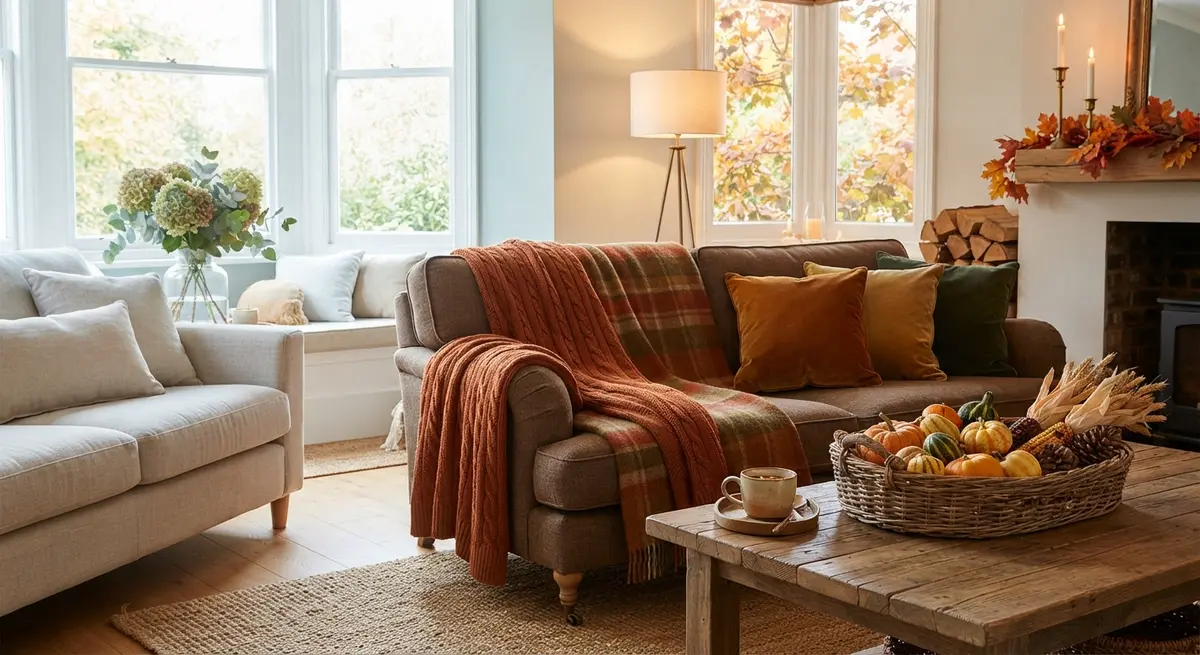
How to Transition Your Home Decor from Summer to Autumn Seamlessly
Switch your home from summer to autumn in one easy weekend without a redesign. Swap textiles, warm up the palette, and layer scent for under $75.
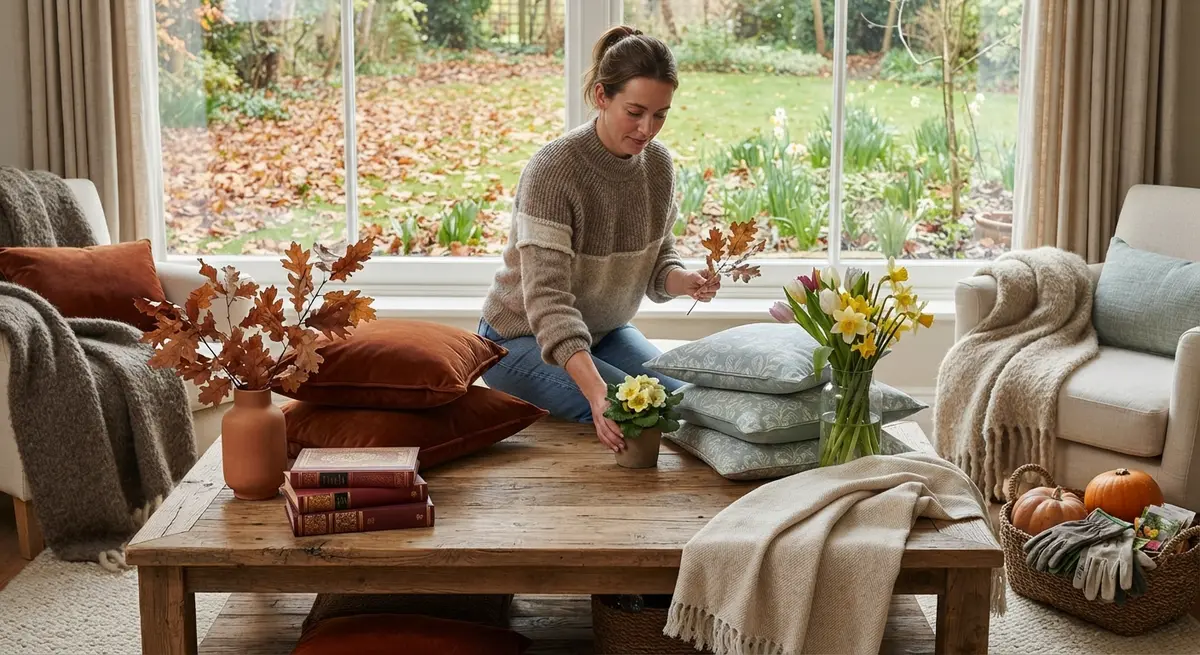
Creating a Seasonal Ritual: How to Refresh Your Living Space Every Spring & Fall
Refresh your living space every spring and fall with a simple two-day seasonal ritual. Rotate decor, deep-clean, and reset your home for under $50.
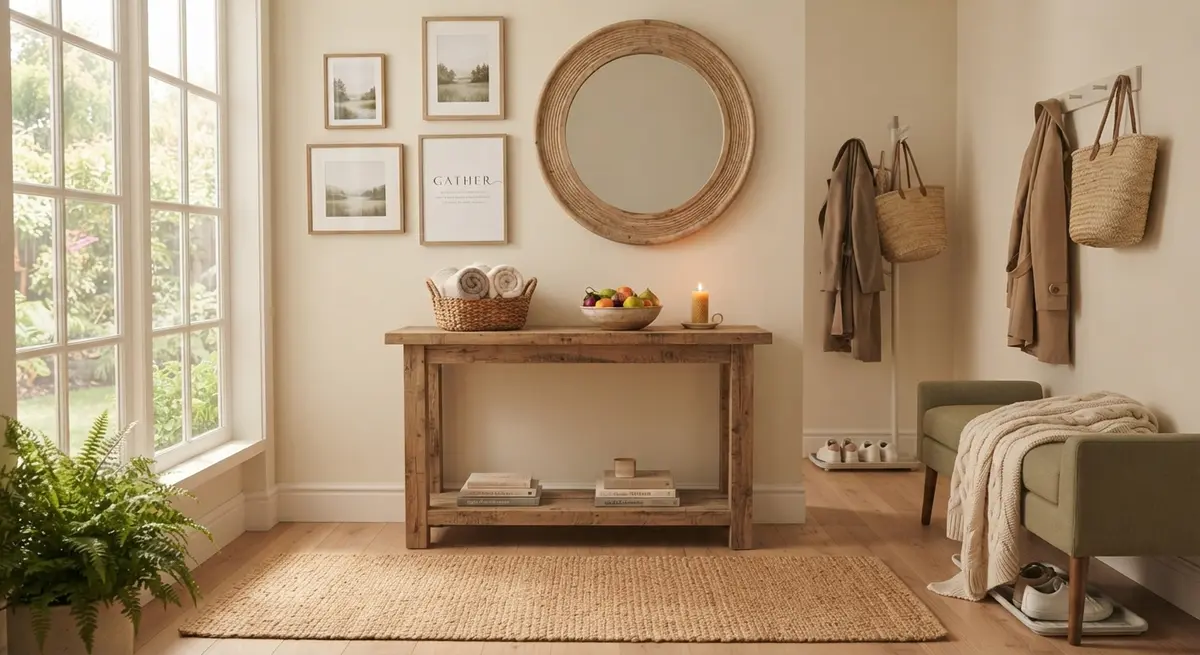
How to Create a Warm and Welcoming Entryway for Guests
Give guests a warm welcome with an entryway that works. Lighting, a catch-all tray, hooks, and scent make a small first impression that lasts.

How to Turn Your Dining Area into a Cozy Space for Family Connection
Make your dining area the heart of your home. Cozy lighting, no phones, and simple rituals that bring everyone back to the table.
About the Authors
This recipe and guide was developed, tested, and approved in our home kitchen and daily life. Jamy is a retired Food Service District Manager and Early Childhood Program Manager who spent his career overseeing multi-site restaurant operations, large-scale culinary production, and daycare menu management. Kaïna brings the ultimate real-world test: making sure it brings ease and joy to our kids on a busy weeknight.
Read more about our professional background and philosophy →