Creating a Seasonal Ritual: How to Refresh Your Living Space Every Spring & Fall
By the QuiteRecipes team (Jamy & Kaïna)
Refresh your living space every spring and fall with a simple two-day seasonal ritual. Rotate decor, deep-clean, and reset your home for under $50.

The last time I genuinely felt the season change in my living room, it wasn't the open windows or the first pumpkin candle. It was a brown sweater. I pulled it from a storage bin in early October, noticed the pleasant scent of cedar blocks, and my whole body registered that the season had turned. I realized my home had been a static background instead of a participant in the year.
Before that I was a one-season household: the same throw pillows in July and January, the same beach towels through a snowstorm. Then I read about the Scandinavian sense of seasonal rhythm and decided to spend one weekend each spring and fall deliberately resetting the house. Two years later, it has become my favorite ritual of the year, and each reset costs less than fifty dollars.
Here's how to build your own twice-a-year ritual: a two-day schedule that works around a real job, the tasks that matter and the ones you can skip, and the storage systems that keep it all repeatable.
Why Twice a Year Beats One Big Clean
The forty-hour annual spring-cleaning marathon has a fatal flaw: it happens too rarely, so it's always monstrous, and it's so exhausting that nobody wants to repeat it. The twice-a-year reset solves both problems. It's small enough to be pleasant, and it catches the two moments when a home's needs genuinely change: when you shed layers in spring and put them on in fall.
There's a financial sense too. Restocking the snow-shovel drawer in October is cheap; desperately buying one in January is not. Rotating your wardrobe and refreshing the pantry for fall soups happen at the right price when you build a ritual around the season. My average reset spends about forty-two dollars, and the biggest ticket items are a mop head, a few cloths, and a bouquet.
The Two-Day Schedule That Actually Works
Don't build this into a weekend-long chore list or you'll abandon it. My routine is a disciplined two-day structure where each day is under three focused hours. Day one is "edit and air out"; day two is "place and celebrate."
- Day one: open the windows for thirty minutes, even if it's twenty degrees outside, because still air is dead air. Walk room by room with a single tote bag and the question "do we love this, or does it merely live here?", sorting into toss, donate, and sell piles. Set a ninety-minute timer so you actually finish.
- Day two: rotate the visual layer. Swap throws, pillows, rugs, and centerpieces, reset the pantry for the season's cooking, then light a candle and cook something distinctly of the season, like black bean chili in fall or asparagus pasta in spring.
The food anchors the ritual in your senses rather than just your shelves.
The swap itself costs nothing extra if you rotate what you already own; the danger is treating a reset as a shopping spree.
Room by Room: The Minimal Edit That Changes Everything
You don't need to touch every room twice a year; pretending you do is how rituals die. I focus on five, each with a short, repeatable treatment:
- The living room gets the visual rotation and a duster pass over the door frames.
- The bedroom gets the duvet and sheet swap, with one bin labeled "warm" and one labeled "cool."
- The kitchen gets a pantry reset: everything out, shelves wiped, dates checked.
- The entryway gets the wardrobe change; the bathroom gets a bleach-and-vinegar pass.
The most powerful habit I've built is the "reverse display" trick. Before decorating for a season, take everything off the surfaces, wipe them bare, then deliberately add back about half of what was there. Removing half the objects from a room costs nothing and is the highest-impact action in my entire seasonal ritual.
The Fall Swap: From Breezy to Snug
Fall is my favorite reset because it solves a real problem: the creep of cold indoor air and the clutter of mugs and throws appearing haphazardly. My fall weekend starts with the undramatic stuff: checking the weather stripping, moving porch cushions, pulling out heavier duvets and flannel sheets. Then comes the cozy layer: out go the thin cotton throws, in come the knits, the flannel pillows, and the warm-toned rugs.
Fall is the season of scent, where the under-fifty-dollar budget does its best work. I buy one high-quality candle in clove, cedar, or bourbon vanilla, and it lasts all three months. A bowl of cinnamon sticks and dried orange peels sits where hands pass by, and the table centerpiece shifts from summer greenery to dried grasses and gourds picked from a local farm for under ten dollars.
The pantry transformation is the most satisfying part. Out go the light pastas and salsas; in go beans, lentils, hard squash, and two big batches of soup frozen in jars, so the first truly cold weeknight is already handled.
The Spring Swap and the Storage That Makes It Cheap
Spring's reset is the mirror image, and it's the one that cleans things out. It's the only time of year I tackle the true deep-clean: windows inside and out, ceiling fans and light fixtures, and baseboards. The duvets go into the "cool" bin, the knits get washed and folded with cedar blocks, and linens and light cotton come forward. Out go the dried grasses and gourds; in come fresh tulips, forced hyacinths, and a pot of herbs if the windowsill catches sun. Every April somebody walks through the door and says the apartment "feels lighter."
Storage keeps the whole ritual brainless: clear plastic bins labeled with painter's tape, one per category, on accessible shelves. My entire bin setup cost twenty-five dollars. And run a "bin audit" each season before anything gets packed away, donating anything you didn't love or use last year. That one habit keeps the bins from bloating and never creates a mystery box.
Five Rituals I Cut Because They Were Pointless
To save you the waste: I stopped buying a new candle for every niche (one good one per season suffices), stopped reorganizing the Tupperware drawer seasonally, stopped repainting and reupholstering, stopped deep-cleaning things nobody ever touches, and stopped making the reset a solo performance. When I asked my husband and kids to each take one symbolic task, like choosing the candle or arranging the gourds, the ritual finally clicked and became everyone's project.
FAQ
Do I need to refresh twice a year, or is once enough?
Twice a year is the sweet spot because the resets address opposite needs: spring sheds and lightens, fall layers and cozies up. A single annual reset can't do both, and you'll end up with summer pillows in December. At minimum do the two textile swaps and the pantry shift.
How long should each reset take?
Two focused half-days, roughly three hours each. Day one is editing and airing out; day two is placing and celebrating, ending with a seasonal meal. If you only have one day, edit in the morning and swap textiles in the afternoon.
What should a seasonal refresh cost?
Forty to sixty dollars per season: a candle, a bouquet or greenery, a mop head, and cloths. The swap itself is free if you rotate what you own. The danger zone is treating a reset as a shopping spree; the ritual should lighten your home, not add to it.
What's the fastest high-impact move?
The reverse display trick: strip every surface bare, wipe, then add back only about half of what was there, placed deliberately. It costs nothing, takes about an hour per room, and instantly makes a space feel lighter. Add the textile swap and the pantry reset and the season will already feel different.
Key Takeaways
- Refresh twice a year: spring sheds and lightens, fall layers and cozies.
- Keep both resets to two focused half-days with a one-tote purge and a timer.
- Use the reverse display trick: strip surfaces bare, then add back half deliberately.
- Swap textiles and pantry contents into labeled bins at each reset.
- Anchor the ritual with a seasonal meal on the final afternoon.
- Keep the budget under sixty dollars and prune each bin on unpacking.
A Final Word
That brown sweater spent eleven months back on the shelf after I first pulled it out, and yet the ritual I built around it now structures my entire year. Spring and fall are no longer blurry transitions I sleep through; they're my two favorite weekends, when the house and I hold a small ceremony together, opening windows and closing bins, swapping duvets and lighting cloves. The payoff is a home that participates in the turning year instead of standing still. Try it on the next equinox: pull out a bin, open the windows, and let your house remind you that seasons aren't just weather; they're a way of paying attention.
Published on 2026-08-13 by the QuiteRecipes team (Jamy & Kaïna).
Related Articles

How to Transition Your Home Decor from Summer to Autumn Seamlessly
Switch your home from summer to autumn in one easy weekend without a redesign. Swap textiles, warm up the palette, and layer scent for under $75.
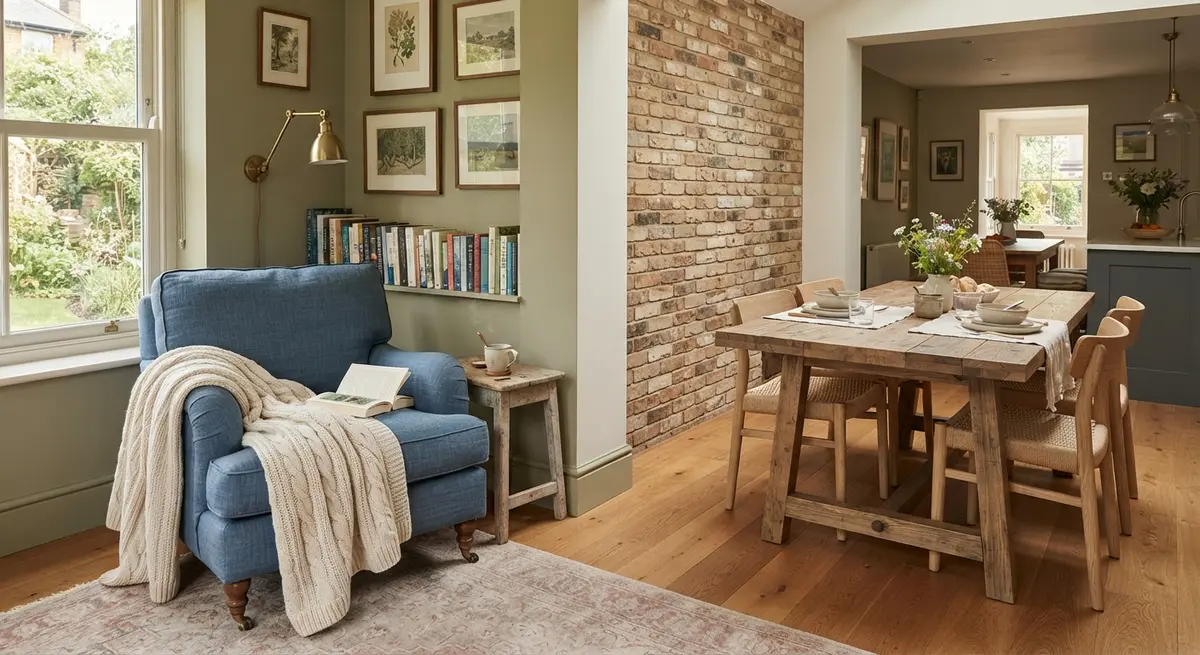
Creating a Cozy Reading Nook Right Next to Your Dining Area
Create a cozy reading nook beside your dining area without a redesign. Find the right corner, lighting, and chair for under $150.
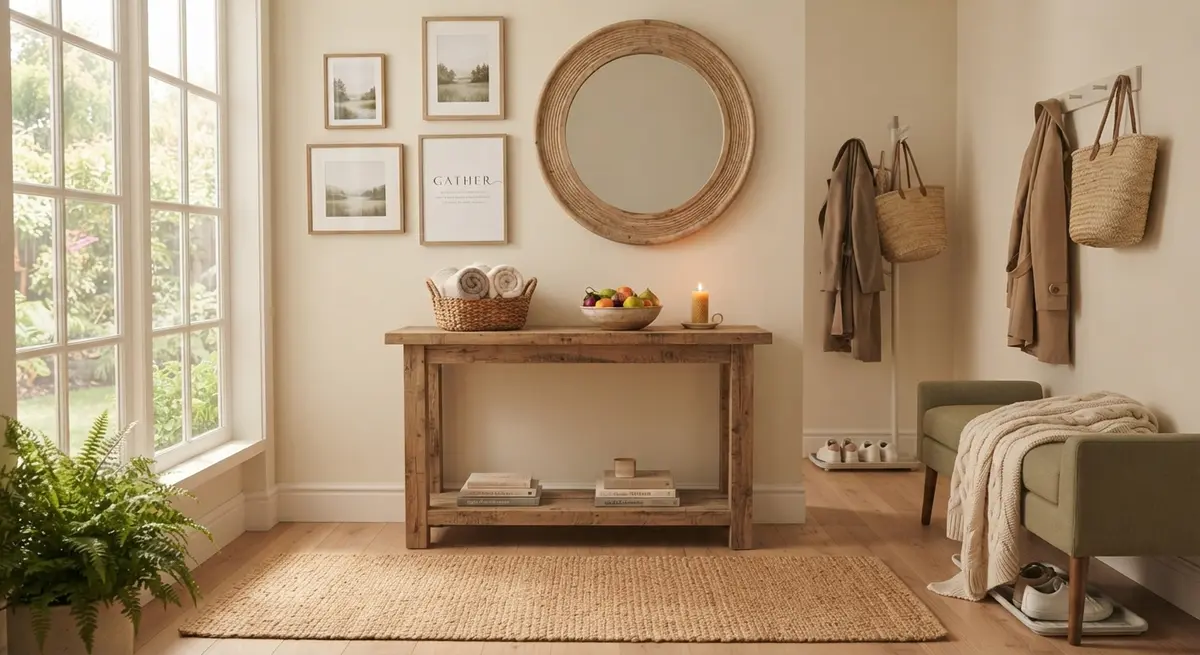
How to Create a Warm and Welcoming Entryway for Guests
Give guests a warm welcome with an entryway that works. Lighting, a catch-all tray, hooks, and scent make a small first impression that lasts.

How to Turn Your Dining Area into a Cozy Space for Family Connection
Make your dining area the heart of your home. Cozy lighting, no phones, and simple rituals that bring everyone back to the table.
About the Authors
This recipe and guide was developed, tested, and approved in our home kitchen and daily life. Jamy is a retired Food Service District Manager and Early Childhood Program Manager who spent his career overseeing multi-site restaurant operations, large-scale culinary production, and daycare menu management. Kaïna brings the ultimate real-world test: making sure it brings ease and joy to our kids on a busy weeknight.
Read more about our professional background and philosophy →