How to Rescue an Over-Salted, Too-Spicy, or Too-Acidic Dish
By the QuiteRecipes team (Jamy & Kaïna)
Every cook has ruined a pot. The good news is that overseasoned food is usually fixable — the trick is knowing which rescue matches the problem.
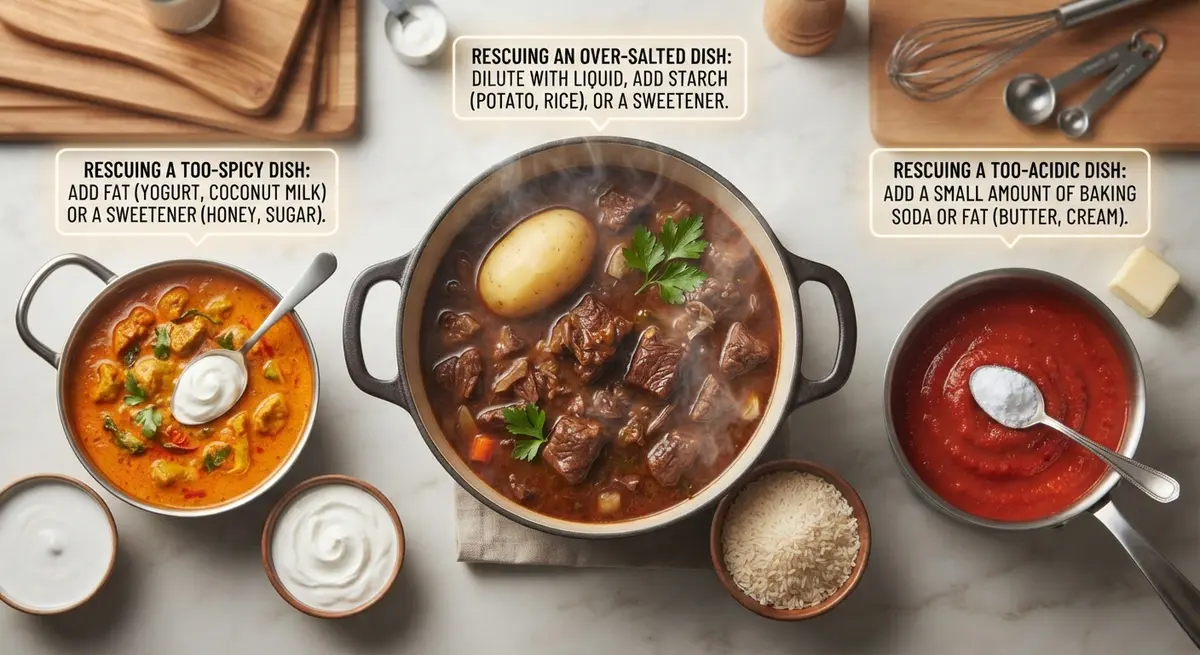
Every home cook has an "I ruined it" moment. Mine was a pot of chili where I salted generously, tasted, salted again for luck — and instantly knew it was inedible. I almost dumped the whole pot. Instead I learned how to rescue it, and now I keep these exact techniques in my head for every overdone dish that lands in my kitchen. The most important thing I can tell you before we start: a pot of too-salty stew or a too-spicy curry is almost never ruined. It just needs a short, surgical intervention.
I've spent years on both sides of this equation — as the cook who ruined dinner and as the person who fixed dozens of "ruined" dishes for friends. What follows is the complete toolkit: what each rescue actually does, when it works, and when you're better off pivoting entirely. No magic, just chemistry and a bit of patience.
The Universal Rule: Fix in Stages, Not in Panic
Before anything else: stop, taste, and make one small adjustment at a time, tasting between each. The fastest way to go from "too salty" to "also terrible in a new way" is throwing five rescue ingredients in at once. Each fix changes the profile in its own way, and stacking them blind means you'll never know which one saved you or which one overcorrected.
Taste the dish cold-ish and warm — heat changes how intense salt and spice read, so a pan right off the burner is your most honest read. Then pick the single most obvious fix below, apply it, wait two minutes, and taste again. Repeat until you're close, then stop. Food doesn't need to be perfect; it needs to be pleasant.
Why Salt Overwhelms a Dish So Fast
Salt isn't just a flavor; it's a flavor amplifier. It suppresses bitterness, boosts sweetness, and sharpens everything else — which is why a little salt makes food taste more like itself, and too much makes it taste only like salt. The problem compounds because salt's effect depends on the food's moisture and temperature. As a soup simmers and reduces, its salt concentrates; as a sauce sits, its residual salt keeps spreading. So the same teaspoon that was fine at minute ten can be overpowering at minute forty.
That also explains why oversalting sneaks up on you. Every chunk of "just to be sure" salt is a little more. My advice to every nervous cook: taste before you add, taste after, and let the salt actually dissolve and work for a moment before judging. And know that if it's too late, you have a whole ladder of fixes below.
Rescuing Too Much Salt
Salt is the most common and most fixable mistake in the kitchen. The solutions, best first:
1. Dilute. For soups, stews, sauces, and braises, add a neutral liquid — water, unsalted stock, coconut milk, or extra milk. This lowers the salt concentration directly. The tradeoff is real: it also waters down flavor, so you'll need to rebuild some intensity afterward (see the watery fix below).
2. Add starch. Potatoes, rice, pasta, or beans absorb salt as they cook. Drop a large raw potato (or a handful of rice in a tea ball) into a too-salty soup or stew for 15-20 minutes, then remove it. It genuinely draws salt out of the liquid — this is the classic fix and it works. As the starch cooks, it soaks up liquid and salts it away with it.
3. Balance with sweetness and acid. A touch of sugar, honey, or a squeeze of lemon or vinegar makes salt seem less aggressive by giving your palate something else to focus on. It doesn't remove salt; it rebalances the overall impression.
4. Dairy coats and softens. A splash of cream, a spoon of yogurt, or a knob of butter lowers perceived salinity and adds richness that softens the blow. Dairy is my favorite rescue for pan sauces and creamy dishes.
5. Cook more food into it. If the dish is meant to be a base — a bean stew, a ragù, a curry — this is rewarded cheating: add more unsalted ingredients, more vegetables, more beans, more rice, reducing the salt-to-food ratio without dilution.
The worst move? Adding more salt to "even it out" — that's not a thing; that's compounding a mistake — or abandoning a fixable dish out of frustration. Fix it.
Rescuing Something Too Spicy
Too much heat is a different beast. The fire comes from compounds like capsaicin (in chilis) and piperine (in black pepper), and the crucial fact is that they do not wash away with water. The rescue ladder:
1. Dairy is your best friend. Capsaicin dissolves in fat and binds to casein, a milk protein. A swirl of cream, a spoon of yogurt, sour cream, coconut milk, or a knob of butter actively captures and neutralizes heat. This isn't folklore — it's why Indian dishes pair chilis with raita and why a lassi shows up alongside spicy curries.
2. Acid and sugar calm it down. A squeeze of lime or lemon, a splash of vinegar, or a small spoon of sugar or honey balances aggressive heat by giving the other flavors room to be tasted. A citrus finish often tames a too-hot dish instantly.
3. Starch and bulk absorb it. Serve it over rice, pasta, bread, or beans. The starch spreads the heat and dilutes the concentration in every bite. For a soup or dal, an extra potato or a cup of rice adds charm and cools it down.
4. Don't drink water. Water spreads capsaicin around your mouth and makes the burn worse. Milk, yogurt, or even a slice of bread is far more effective in the moment — and for the pot, apply the fixes above, not a pitcher.
Rescuing Too Much Acid
A dish that's sour, sharp, or puckering needs sweetness and mildness — the opposite of the spicy fix. The ladder:
1. Add sugar, in small doses. A quarter-teaspoon of sugar, honey, or maple syrup at a time. Sugar doesn't cancel acid; it balances it by adding the missing sweet element, and small steps prevent overshooting into saccharine.
2. Add fat. A knob of butter, a drizzle of oil, or a splash of cream rounds out acidic sharpness and softens the palate. Think of it as a shield for your tongue against the puckering edge.
3. Add starch or more ingredients. Serving over rice, folding in beans, potatoes, or puréed vegetables reduces the acid-to-food ratio and can save a too-tangy tomato sauce, a sharp vinaigrette, or a puckering soup.
4. Add a pinch of salt. Surprising but true: a touch of salt reduces how sour something tastes, the same way it suppresses bitterness. Taste before reaching for more sweetener — salt often does the job with less collateral sweetness.
When Bitter Needs Saving
Bitterness comes from a few common sources — burnt caramelized bits, scorched garlic, too-bitter greens like older kale or radicchio. The fixes:
- Fat — butter, oil, cream — is the best neutralizer for bitterness. It coats the palate and softens the edge.
- Salt directly suppresses bitterness; a pinch often works immediately.
- A touch of sweetness (honey, sugar, balsamic) rounds bitterness out without hiding it.
Bitter is the one flavor where prevention beats rescue most dramatically: keep an eye on the pan when browning garlic or chili, and don't scorch your base. But if it happens, the trio above works.
The "Saved It But It Tastes Watery" Problem
After a dilution rescue, you often swap one problem for another: bland and watery. Rebuild flavor without loading on more salt:
- Add a concentrate: a spoon of tomato paste, a splash of soy sauce (carefully!), fish sauce, Worcestershire, or a stock cube dissolved in hot water. These pack intense flavor in a tiny volume.
- Add umami: sliced mushrooms, grated parmesan rind, a spoon of miso, or a dash of Marmite. Umami fills the space salt leaves behind.
- Reduce it: simmer the dish uncovered to concentrate the flavors back, then re-taste. A ten-minute roll can undo an hour of dilution guilt.
- Finish bright: a splash of fresh lemon juice or vinegar at the end restores lift to a dish that went flat. Acidity wakes up flavor without adding salinity.
When the Dish Is Genuinely Beyond Saving
Sometimes the honest answer is that a dish can't be restored to its original identity — but that's rarely the same as being ruined. A soup that's too salty to drink is often a fantastic braising liquid or a pasta sauce base. A too-spicy pan of chili might be perfect folded into a mild pot of beans, or over rice with yogurt. A too-acidic dressing becomes a marinade. My general rule: if you can't fix it as stated, ask what it could become instead. Very little genuinely goes to the bin; a lot of it just relocates.
The Prevention Note
Rescues work, but they're insurance, not permission. The professionals' discipline is simple and worth copying: taste as you cook, especially before adding salt in chunks at the end. Salt early and in stages — letting it dissolve and distribute — rather than piling on at the table for flavor only. Season for the final state, not the current one: if the dish will reduce for another twenty minutes, go easy.
I also salt chicken and beef less than I'm tempted to, because resting and reducing do their own work. And when a spice blend or stock cube is involved, remember it's often already loaded with salt — read the label before you season on top of it.
The Quick Rescue Reference
- Too salty: dilute → potato or rice → sugar or acid → dairy → add more food.
- Too spicy: dairy first → acid or sugar → starch → never water.
- Too acidic: sugar → fat → starch → a pinch of salt.
- Too bitter: fat → salt → sugar.
- Watery after rescuing: concentrate → umami → reduce → finish bright.
Save this in your head. The next "ruined" pot is probably not ruined at all.
FAQ
Does the raw potato trick actually work for oversalting?
Yes, for liquids like soups and stews. A potato absorbs salty liquid as it cooks; it won't remove all the salt, but it meaningfully lowers the concentration in 15-20 minutes.
Why can't I just rinse spicy food with water?
Capsaicin is fat-soluble, and water just spreads it. That's why dairy (which contains casein, a protein that binds capsaicin) works so much better.
Is my salted meat ruined?
Not at all. If it tastes too salty, serve it with a starch and a sauce or dairy — rice, mashed potatoes, a yogurt or cream sauce — to dilute per bite. Brining and salting profiles change as meat rests, so taste again before judging.
Can I fix a whole pan that's been over-salted at the table?
It's harder once salt is on individual plates, but for the pot, the ladder still applies. Get to it fast, before the salt keeps diffusing into the food.
Why does my food taste saltier the next day?
Salt keeps moving through food overnight as flavors meld and liquids redistribute. Leftovers concentrate as they reheat and reduce too — another good reason to season for the final state.
Key Takeaways
- Rescue in stages: one fix at a time, tasting between each, and never all at once.
- Salt: dilute, starch, sweet/acid, dairy, or more food — in that order.
- Spice: dairy, then acid/sugar, then starch; water only makes it worse.
- Acid: sugar, fat, starch, and a surprising pinch of salt.
- If a dish can't be saved as itself, repurpose it into a braise, sauce, or side.
The Bottom Line
The difference between a cook who fries and a cook who bounces back is knowing that a mistake in the pot isn't a verdict. Taste calmly, pick one rescue, and trust the process — then pour yourself a glass and enjoy dinner. You earned it.
Published on 2026-08-13 by the QuiteRecipes team (Jamy & Kaïna).
Related Articles

Building Flavor: The Chef's Method for a Balanced Dish
When a dish tastes 'flat,' it's almost never because you needed more ingredients — it's because one of the five tastes is missing. Here's how to diagnose and fix it.
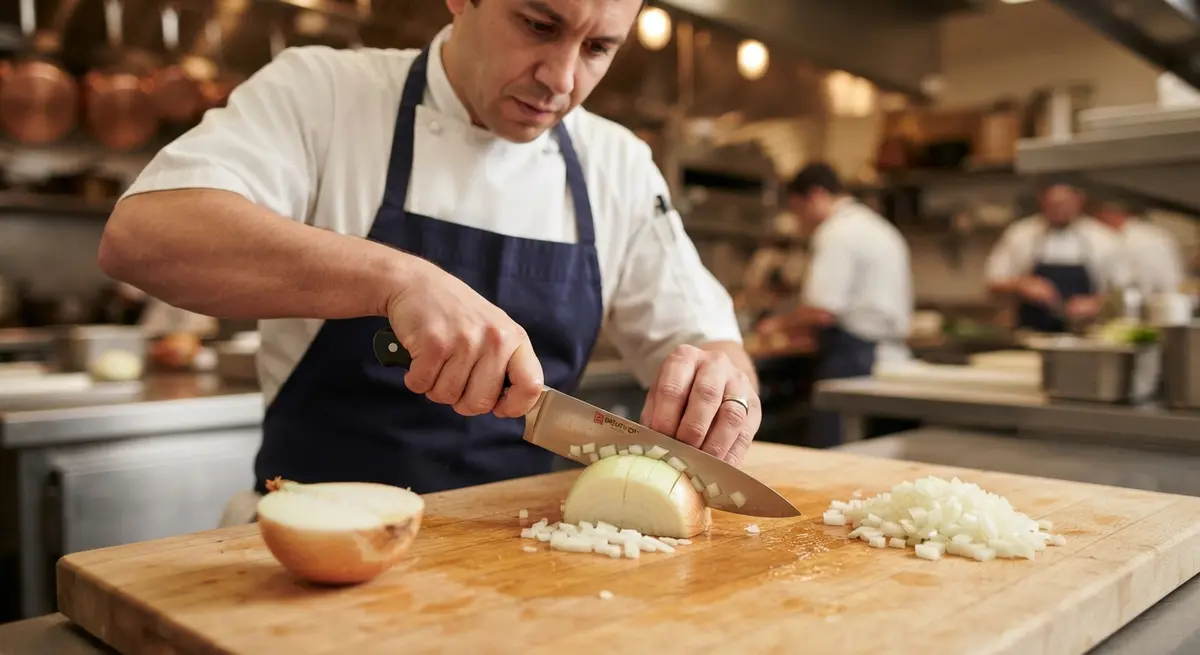
How to Dice an Onion Like a Pro (Without Shedding a Single Tear)
Uniform onion dice aren't just prettier — they cook evenly, which means better flavor. Learn the claw grip, the horizontal cuts, and the fridge trick that stops the tears before they start.

How to Plate Like a Restaurant Chef
The food is good already — the plate is what makes it memorable. A few simple principles of composition turn any dinner into something that looks like it costs money.
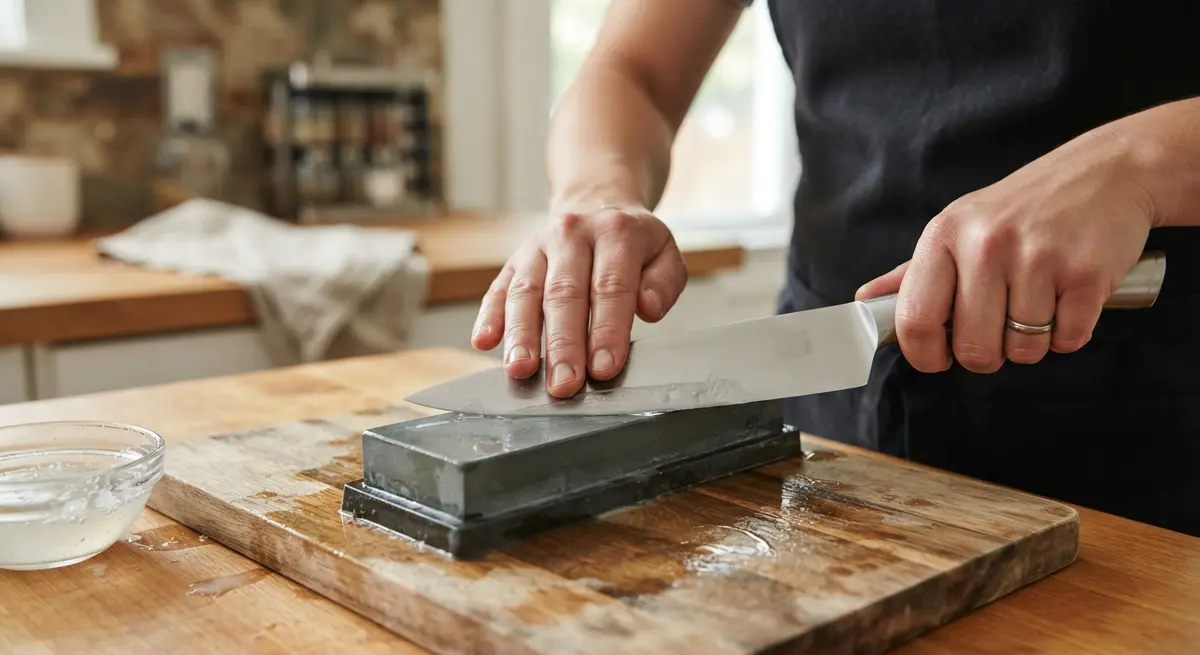
How to Sharpen Kitchen Knives at Home: A Step-by-Step Guide
Most 'dull' knives aren't dead — they just need aligning. Here's when to steel, when to sharpen, and the exact angles that bring any blade back to slicing perfection.
About the Authors
This recipe and guide was developed, tested, and approved in our home kitchen and daily life. Jamy is a retired Food Service District Manager and Early Childhood Program Manager who spent his career overseeing multi-site restaurant operations, large-scale culinary production, and daycare menu management. Kaïna brings the ultimate real-world test: making sure it brings ease and joy to our kids on a busy weeknight.
Read more about our professional background and philosophy →