How to Plate Like a Restaurant Chef
By the QuiteRecipes team (Jamy & Kaïna)
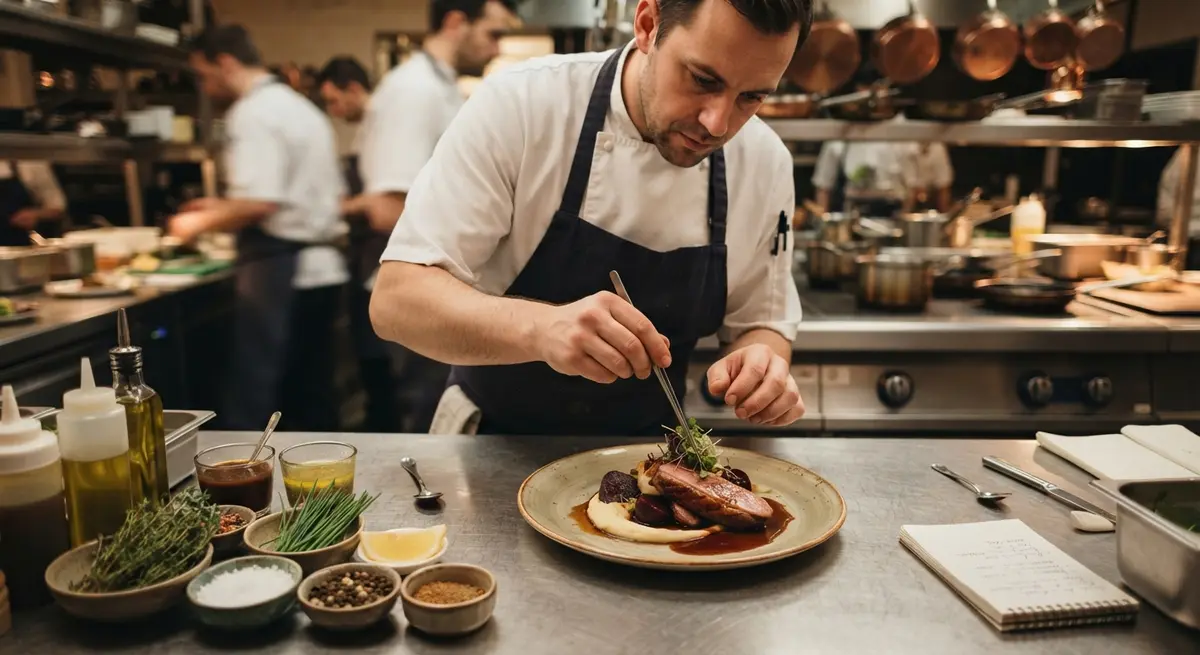
The food is good already — the plate is what makes it memorable. A few simple principles of composition turn any dinner into something that looks like it costs money.
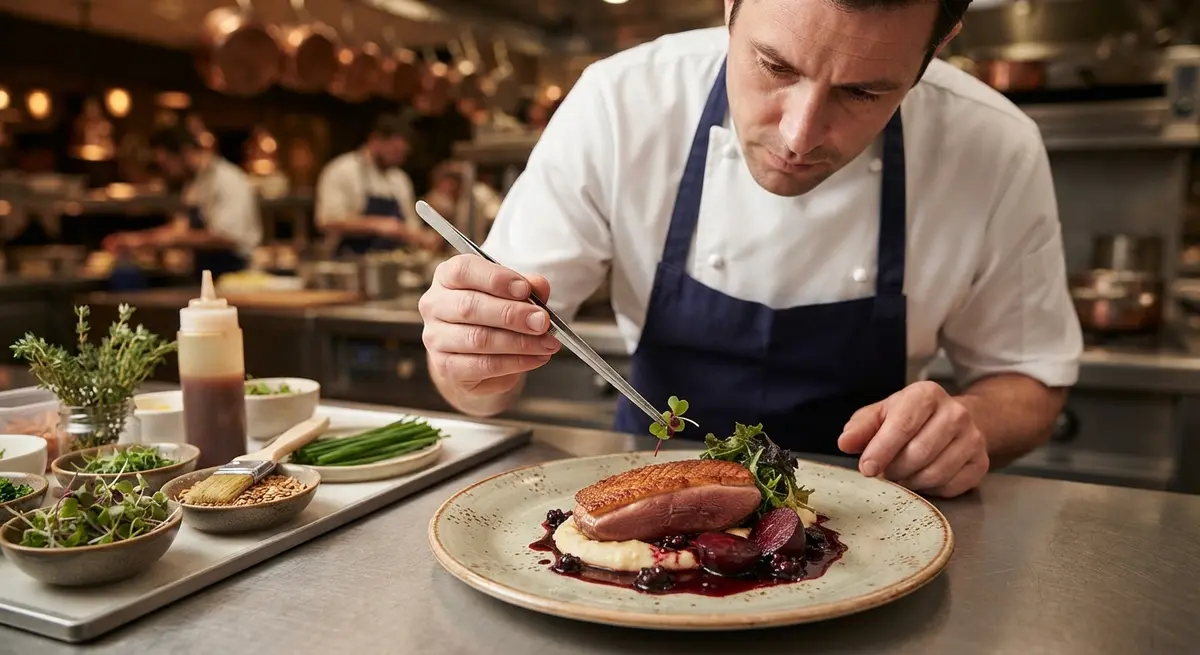
The first time I plated a dish properly — really thought about it — my roommate asked if I'd ordered takeout from somewhere expensive. Same food, same pan, same recipe I'd made a dozen times before. All that changed was how it was arranged. Plating is the cheapest upgrade in cooking: it costs nothing, and it makes everything taste like it was worth more. I've since come to see it as the final act of respect for your ingredients.
The good news is that restaurant plating isn't a mysterious art reserved for ambitious dishes. It's a small kit of rules — height, whitespace, contrast, a clean rim — that apply to a Tuesday-night curry just as much as a holiday roast. Learn the rules once, and every meal you set down looks like it cost twice what it did.
Why Presentation Matters
Science first: we eat with our eyes before our mouths. The brain starts judging food the instant it's in view — before a single bite — and a plate that looks balanced and bright registers as better even before any flavor arrives. Telltale studies of diners repeatedly show people rate visually appealing food as more delicious, more satisfying, and even higher quality. It's not shallow; it's evolution. A vivid, well-arranged plate signals fresh, careful food.
And the reverse is just as true. A great dish piled in a sad clump reads as "meh." I've stood over pans in professional kitchens and watched good food go out looking forgotten. Plating isn't decoration bolted on at the end; it's the final signal that you paid attention. It changes how the person across the table experiences your effort, which is, frankly, the whole point of cooking for someone.
The Five Rules of a Restaurant Plate
Every beautiful plate I've ever put out follows the same small set of rules. Memorize these five and you'll plate better than 95 percent of home cooks:
1. Start with a clean plate. The rim must be spotless — no sauce kisses, no dribbles, no stray crumbs. A dirty rim instantly says "home kitchen" and undoes everything else you do. Wipe the edge with a damp towel before the plate goes to the table.
2. Plating is composition, not dumping. Build the plate deliberately: main element, then sides, then sauce, then garnish. Think of each thing as a layer placed on purpose — not all heaped on top of each other like laundry.
3. Create height. Food stacked flat reads as flat. Nudge a twist of it upward, or place a tall element behind the base. Height is the difference between a pile and a presentation; the eye tracks up.
4. Use negative (empty) space. Professional plates are often mostly plate. The empty space frames the food and makes it look intentional. Not every inch needs to be covered — in fact, the fastest way to look amateur is the buffet effect of cramming every square centimeter.
5. Contrast — in color and texture. A plate of all beige and mushy looks terrible even if it tastes wonderful. Contrast color (green herb against brown roast, red sauce against white protein) and texture (crisp against soft, smooth against crunchy). Contrast is the visual version of a good dish's flavor balance.
The Anatomy of a Composed Plate
The restaurant template for a composed plate follows a strict order, and it helps to think of it as a sentence with four parts:
- Main element, placed slightly off-center. Dead-center plates read as "cafeteria" or "school lunch." Offset is more dynamic to the eye.
- Side or sides, arranged with intention — not scooted to the rim as an afterthought, but placed to frame the main. A leafy green behind, a starch to the side.
- Sauce, brushed, splashed, or swooshed — not one sad pool collecting at the bottom where everything turns soggy.
- Garnish that's actually edible, not a garnet-red sprig for show: a shower of herbs, a scatter of flaky salt, a squeeze of citrus, a few crispy crumbs.
A simple starting template: protein on one side, starch on the other, vegetable between them, then garnish — and stop. The single most common home-plating failure is not stopping soon enough. Restraint reads as professionalism, and it costs nothing.
The Three Sauce Moves
Sauce placement is half the "wow" of a restaurant plate. Three reliable moves, from easiest to most dramatic:
- The swoosh: a spoonful of thick sauce — a purée, a pesto, a thick tomato reduction — placed on the plate and dragged into a smear or arc with the back of the spoon. Set the food on or beside it. This is the move in every one of those photos you've double-tapped.
- The brush: a pastry brush dipped in sauce, wiped across the plate in one clean stroke. It reads modern, architectural, and subtle. Ideal for smooth sauces and finishing oils.
- The drizzle: a thin zigzag or circle of thin sauce around or across the plate. Use a squeeze bottle or a spoon; keep it deliberate, not chaotic. A few confident lines beat a Jackson Pollock of sauce.
The golden rule for all three: deliberate. Random drips read as sloppy. Put the sauce where you want it, in the shape you want, and let that be that.
Color Is a Weapon
The most common home-plate problem is monochrome beige: beige protein, beige starch, beige vegetable, beige plate. Fix it with three cheap moves:
- Green is your best friend. A shower of fresh herbs, a few wilted greens tucked under the protein, or a drizzle of herb oil instantly brightens a brown dish. Green reads as fresh, and "fresh" reads as expensive.
- Red and orange pop. A swirl of tomato or red-pepper sauce, a few pomegranate seeds, slivers of radish, a dusting of smoked paprika, a curl of chili. Warm colors draw the eye straight to them.
- Use the plate as part of the palette. White or cream plates make food look brighter — that's why fine dining is so uniformly white. Once you see it, you can't unsee it.
The practical version: before you plate, scan the pan. If everything in front of you is one color, find something in the fridge with contrast — herbs, a lemon wedge, pickled onions, even a scatter of black pepper and red onion. Anything beats the beige.
Texture: The Other Kind of Contrast
Color gets all the attention, but texture is what makes a plate feel alive. The pro move is pairing opposites:
- Crisp against soft: toasted nuts or seeds over creamy mashed potatoes; crispy shallots over a silky purée; fried onion over lentils.
- Smooth against crunchy: a swoosh of smooth sauce under a piece of meat with a crackly pan-roasted crust.
- Hot against cool: a dollop of cool yogurt, crème fraîche, or herb oil against something hot.
I keep a small jar of toasted breadcrumbs and a bag of fried shallots on hand purely for this. They cost pennies and they turn an ordinary bowl of soup or plate of pasta into something with a finish.
Height and Whitespace: The Two Secrets Pros Obsess Over
Height and negative space are the pair most home cooks ignore, and they're the two things that most separate a restaurant plate from a home plate. Height: food stacked completely flat reads as flat. A small mound of greens, a protein leaning against a pile, a swoosh of sauce built up in the middle — anything that lifts the food off the plane of the plate gives it life.
Whitespace: professionals let the plate breathe. Leave roughly a third to a half of the plate empty. That empty ring frames the food and makes it look intentional, composed, chosen. Overcrowding signals, accurately, that you just dumped everything in a bowl and slid it over. A good portion ships the same amount of food; it just leaves some margin around it.
Warm Plates, Dry Plates, and the Finishing Touch
The final two minutes of plating are where pros are ruthless, and the difference between good and exceptional is in the details:
- Plate on warm plates. A warm plate keeps hot food hot and looking fresh for the whole meal. Heat a stack in the oven at the lowest setting, or run hot water over them and dry them; never serve hot food on cold ceramic.
- Salt the plate, not the pot. A pinch of flaky finishing salt scattered over the top at the end delivers a crunchy, bright, salty pop that reads as intentional. It's the dinner-plate equivalent of a signature.
- Oil the shine. A tiny drizzle of good extra-virgin olive oil over a soup, a roast, or grilled vegetables gives a glossy, expensive finish that catches the light.
- The herb shower: chop fresh herbs right before garnish and sprinkle them broadly — a dense, fresh green topping that lifts any plate. Chopping them too early makes them wilt and turn bitter.
One deliberate flourish, not five competing ones. A single sprig, a curl of zest, a twist of pepper — choose one accent and let it be.
Plating Without Spending a Cent
Restaurant plating is often portrayed as equipment-dependent — tweezers, squeeze bottles, emulsion guns, ring molds. Here's the secret: you need none of it. A clean plate, a spoon, a fork, and a paper towel are enough to execute every technique in this article. I've hit the swoosh with a spoon for years before I ever owned a squeeze bottle.
What actually helps is a plain surface. Serve on white or very neutral plates — colorful, patterned plates visually fight with the food. And choose a plate sized so the portion has room: a swimmingly empty dinner plate makes a meal look small, while a snug bowl makes the same food look generous.
Plating by Dish Type
The same rules adapt to whatever you're serving, and it helps to have a template for the everyday dishes:
- Soups: pick a solid-colored bowl, swirl cream or yogurt across the top, finish with herbs, a drizzle of oil, and some crunch. Garnish on top, never floating at the edges like debris.
- Pasta and grains: twirl or mound pasta rather than laying it flat, tuck the sauce underneath and finish with cheese, herbs, and the texture element. A tangle of greens on the side breaks the monotone.
- Salads: dress and toss in a bowl first so it's evenly coated, then pile it loosely with height — not pressed flat. Cheese, seeds, and herbs go on top, not buried.
- Breakfast: the same rules apply to eggs, toast, and avocado. Contrast the yellow, brown, and green; use the plate's whitespace; finish with flaky salt.
The pattern is always identical: composition, contrast, height, whitespace, finish. Once you can see it on a soup bowl, you'll spot it everywhere.
The Sixty-Second Plating Routine
When you want to level up tonight without reading anything again, run this exact routine on one dinner:
- Wipe the plate's rim clean.
- Drift the main element slightly off-center.
- Prop your sides with a little height — nudge them into a mound, don't fan them flat.
- Sauce deliberately — a swoosh or drizzle, not a drench.
- Scatter flaky salt and a real garnish: fresh herbs, citrus, crisp bits.
- Stop. Look. If anything dribbled, wipe it.
Common Plating Mistakes (and the Fix)
- A dirty rim — the single cheapest fix in cooking. Keep a damp towel folded at hand.
- Food spread like a map — keep things together in a composition; use whitespace to frame, not scatter.
- Garnish that isn't edible — the sprig of dried rosemary or the flower that tastes like nothing reads as fake. Every garnish should add flavor.
- Plating too early — food sits beautifully for about three minutes, then wilts. Plate last, serve instantly.
- Matching the plate to the food's color — a tomato sauce on a red plate is invisible. Contrast the plate with the palette.
FAQ
Do I really need a squeeze bottle?
No. A clean spoon does every sauce move in this article.
Is centered plating always wrong?
Not always, but off-center is the default for a reason — it creates dynamic tension the eye finds more interesting. Centered works for symmetrical dishes like a whole roast.
How much empty space should a plate have?
Roughly a third to a half of the plate empty reads as professional.
Cold plates or warm plates?
Warm, for hot food. A cold plate cools your food in minutes and flattens the texture.
Can I over-garnish?
Absolutely. One deliberate accent beats five competing ones. When in doubt, finish with flaky salt and one herb.
Key Takeaways
- A spotless rim, offset main, height, whitespace, and color contrast turn any dish into a presentation.
- Sauce should be placed with intention — swoosh, brush, or drizzle — never as one sad pool.
- Contrast both color and texture; green and crisp elements are the cheapest upgrades.
- Elite plating costs nothing: a clean plate, a spoon, unusual timing, and restraint.
- Plate as close to serving as possible, warm, finished with salt and one real garnish.
The Whole Trick: Attention Is the Ingredient
Stop and look at the result on tonight's plate. It will look like someone else cooked it — someone who charges more. That's the honest signal that you cared, and attention is the most expensive ingredient in any restaurant. Cook well, plate with care, and put the plate down with the confidence it deserves — it's the first bite.
Published on 2026-08-13 by the QuiteRecipes team (Jamy & Kaïna).
Related Articles
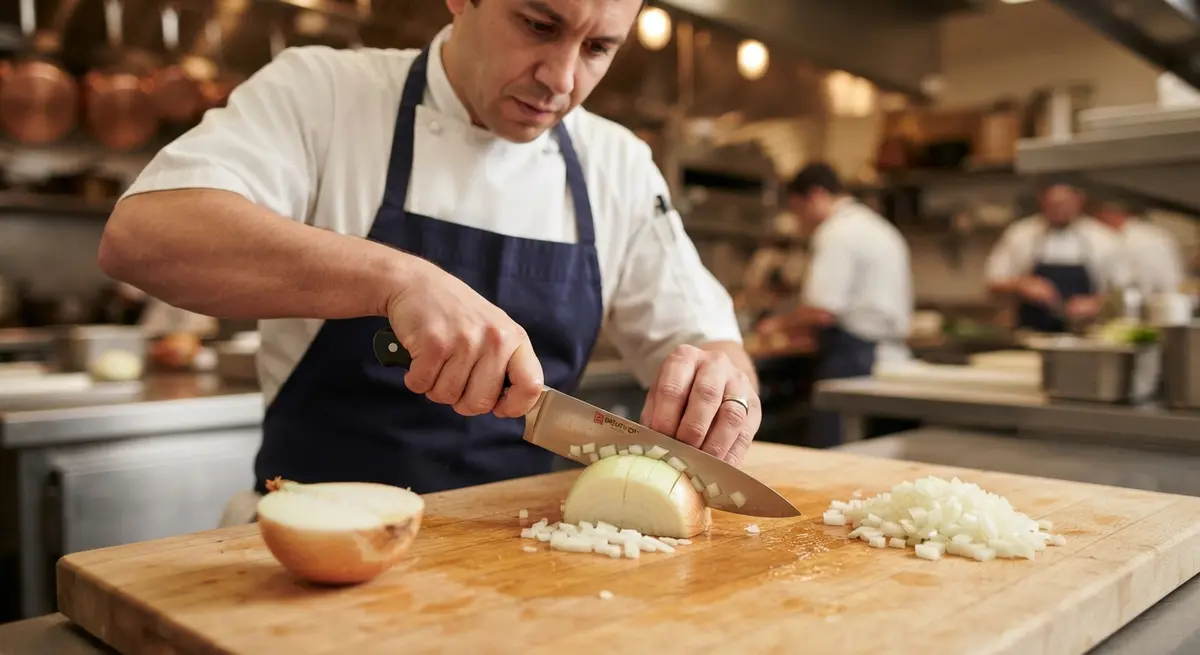
How to Dice an Onion Like a Pro (Without Shedding a Single Tear)
Uniform onion dice aren't just prettier — they cook evenly, which means better flavor. Learn the claw grip, the horizontal cuts, and the fridge trick that stops the tears before they start.
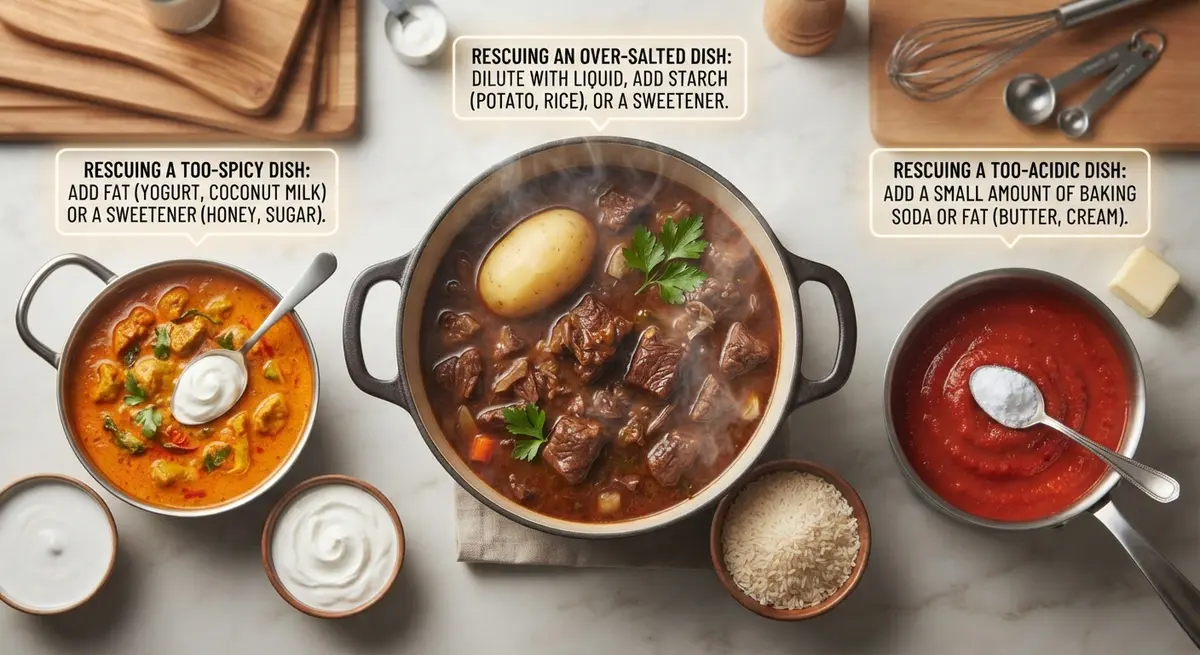
How to Rescue an Over-Salted, Too-Spicy, or Too-Acidic Dish
Every cook has ruined a pot. The good news is that overseasoned food is usually fixable — the trick is knowing which rescue matches the problem.
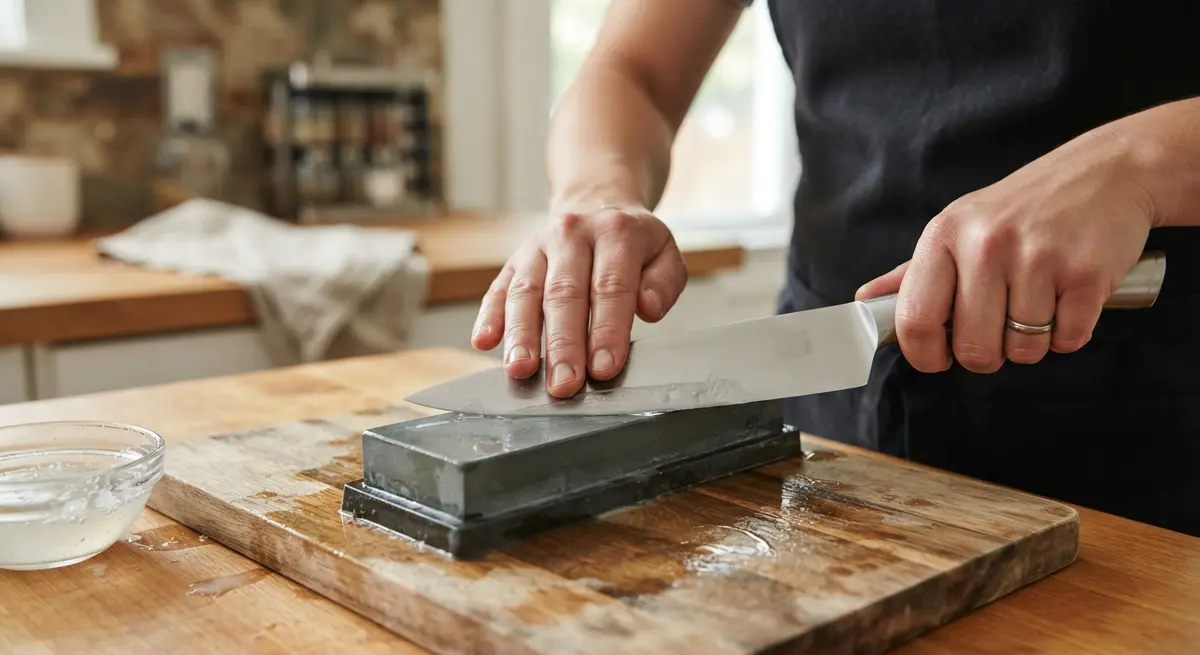
How to Sharpen Kitchen Knives at Home: A Step-by-Step Guide
Most 'dull' knives aren't dead — they just need aligning. Here's when to steel, when to sharpen, and the exact angles that bring any blade back to slicing perfection.
Building Flavor: The Chef's Method for a Balanced Dish
When a dish tastes 'flat,' it's almost never because you needed more ingredients — it's because one of the five tastes is missing. Here's how to diagnose and fix it.
About the Authors
This recipe and guide was developed, tested, and approved in our home kitchen and daily life. Jamy is a retired Food Service District Manager and Early Childhood Program Manager who spent his career overseeing multi-site restaurant operations, large-scale culinary production, and daycare menu management. Kaïna brings the ultimate real-world test: making sure it brings ease and joy to our kids on a busy weeknight.
Read more about our professional background and philosophy →