How to Host a Regional Food Night: A Culinary Trip to Italy
By the QuiteRecipes team (Jamy & Kaïna)
Bring Tuscany or Sicily to your dining room. Here is how to host a regional Italian food night with a real menu, course order, and sourcing.
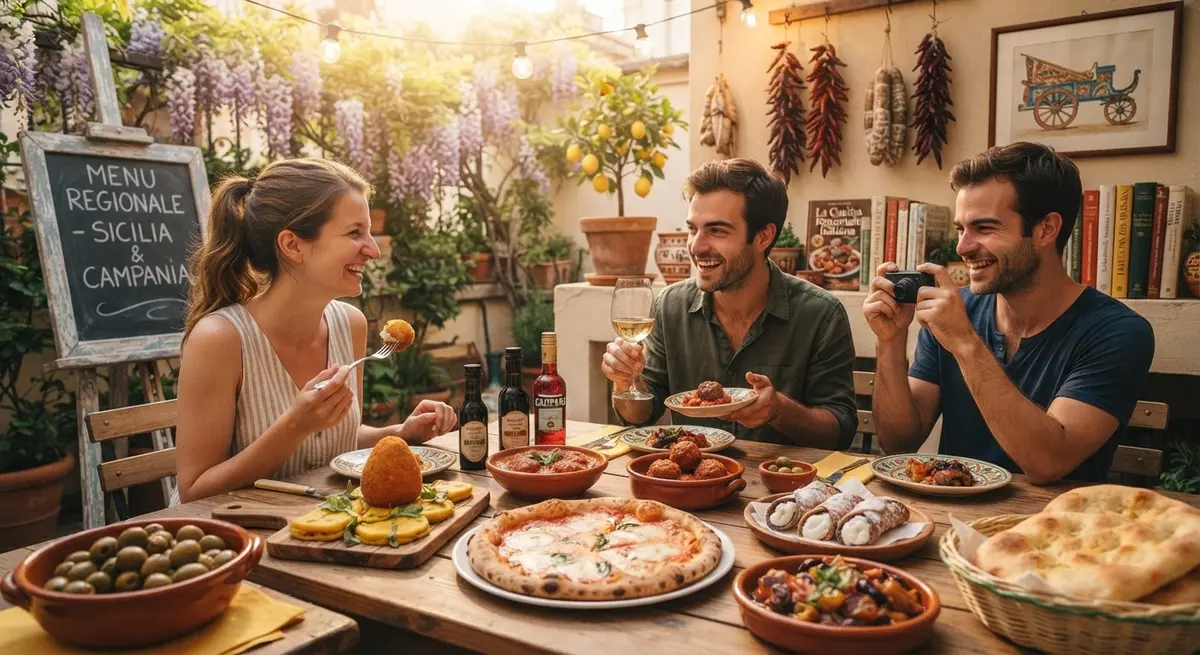
The first regional food night I hosted went well on paper and wrong in spirit. The tortellini survived, the ragù was respectable, but I served "Italian" food whose only unifying theme was that it vaguely looked like what my parents called Italian growing up. My friends were happy and full. My inner map of Italy filed a complaint.
It was only when I committed to a single region — Emilia-Romagna, with its tortellini, its aging Parmigiano, its balsamic kept across three generations of barrels — that the night found its spine. Every dish told on the others: the hills, the dairy, the vinegar fathers keep for decades. Guests lingered because the food formed a conversation instead of a buffet. Hosting a regional food night is the closest thing to a flight without jetlag, and Italy, with more internal culinary borders than GPS satellites, is the perfect first destination.
Here's how I plan, shop, and cook a regional Italian night, from the region-selection logic to the last espresso.
Why Regional Beats "Italian"
"Italian food" as a menu item is roughly as precise as "European food." The regional approach fixes the two biggest dinner-party mistakes at once:
- It gives you a story. Tuscany is olive oil, beans, and grilled meat born of hillside simplicity. Sicily is Arab, Greek, and Norman history on a plate — couscous, raisins, saffron, almonds. Emilia-Romagna is dairy, rich and buttery, the backyard of Parmigiano and prosciutto. Pick one and every dish contributes evidence.
- It makes the shopping honest. A regional menu tells you exactly what to buy: Liguria needs basil, pine nuts, and olive oil; Campania needs buffalo mozzarella and San Marzano tomatoes.
My recommendation for a first night is Emilia-Romagna — tortellini in brodo, ragù alla bolognese, balsamic, Parmigiano — because its ingredients are the most available abroad and the payoff-to-effort ratio is unbeatable.
Pro tip: If you're torn, use the weather. In summer, choose a coastal region like Liguria or Campania and lean on cool dishes. In winter, choose the dairy north or Tuscany's bean bowls and lean on long braises that fill the kitchen with promise.
Build the Three-Course Structure
Italy's meal logic is a puzzle, and once you respect it, you think in the native language. For a home night, three courses plus a framework are plenty:
- Antipasto: small and briny, sharpening the appetite. For Emilia-Romagna, a board of Parmigiano, prosciutto, dots of tradizionale balsamic, and grissini.
- Primo: the starch course. Tortellini in brodo — stuffed pasta in chicken broth — is the astonishing classic guests remember.
- Secondo with contorno: protein and vegetable, kept regional rather than heavy — a balsamic-glazed meat with sautéed greens or roasted roots.
- Dolce: one dessert that ends the meal like a period — a fruit tart for Emilia-Romagna, cannoli for Sicily, cantucci dipped in Vin Santo for Tuscany.
The invisible rule is restraint. A classic Italian meal leaves you comfortably full, not hostage to a buffet — and the moment you taste how tortellini follows a light antipasto, you'll understand the architecture.
The Sourcing Tier List
The difference between a regional night and an Italian-themed buffet is intent:
- Worth the effort: Parmigiano-Reggiano (aged, rind dots intact), prosciutto di Parma sliced thin, real aceto balsamico tradizionale di Modena if you can find it (the DOP label is your friend), 00 flour for pasta, and one good extra-virgin olive oil.
- Easily substituted: most vegetables have supermarket cousins; San Marzano tomatoes come fine from a good crushed tin; dried pasta can stand in when making dough feels like a mile. The point is the flavor architecture, not the pilgrimage.
- Worth skipping if missing: anything with a protected name that loses meaning away from home. A deli-case "Parmesan" is not Parmigiano.
Pro tip: Can't find tradizionale balsamic? Reduce a good commercial balsamic gently in a pan to approximate sweetness and depth — a cooking substitute, honestly labeled, not the DOP bottle.
Honor Two or Three Table Rules
A couple of authentic customs take the night from "great menu" to "a visit":
- No cappuccino after dinner. Italians keep milk for mornings. Close with espresso, or a digestif.
- Bread is a tool, not a starter. It accompanies, soaks up sauce, and cleans the plate with pride — slice it and set it, no butter course.
- The espresso is the last course. Serve it small and strong, and let the meal end like a sentence period, not an exclamation.
Set the scene early: pour a small regional aperitivo as guests arrive — Lambrusco for Emilia-Romagna, a mild limoncello spritz for Campania — with olives and grissini. Play regional music at a soft level, put the lights low, and serve successively, never cafeteria-style. A realistic timeline: shop two days ahead, make the broth or braise the morning of, and set the table an hour before guests walk in.
FAQ
How many courses do I really need?
Three — antipasto, primo, and a secondo with contorno — plus dolce and espresso if you like. That gives the Italian structure without turning your evening into a banquet. Save the six-course marathon for celebrations.
What if my guests are vegetarian?
The structure is friendly: swap the secondo for a robust vegetable course, keep the antipasto mostly plant-based, and the primo remains the star. For gluten-free guests, choose a region like Tuscany or Puglia where bean plates and soup bowls carry the night.
The suppliers don't have real Parmigiano or prosciutto. Is the night ruined?
No. Use the best you can find, label what you're substituting, and let the flavor architecture carry the identity. The night succeeds on sequence and intent, not a single DOP emblem.
How far ahead should I start?
Shop two days out and make any broth or braise the morning of the event. Tortellini in brodo and ragù both improve dramatically with overnight rest — the night is the reward of the earlier hours.
Key Takeaways
- Pick one region, not "Italy," and let its logic drive the entire menu.
- Build the three-course sequence: antipasto, primo, secondo with contorno, then dolce.
- Source two or three anchors with intent — Parmigiano, prosciutto, tradizionale balsamic — and substitute the rest honestly.
- Honor the table rules: espresso after dinner, no milk after lunch, bread as tool not starter.
- Set the scene early — aperitivo, music, low light — and finish the prep before guests arrive.
- Let the structure do the work; the sequence is the flight, and the dishes are the landing.
A Final Word
The night I stopped serving "Italian" and started serving one small region, the table did something remarkable: guests stopped asking which place had the best tiramisu and started asking why the tortellini works in broth and how old that balsamic really is. That's the whole alchemy of a regional food night. You're not competing with a restaurant; you're leading a small tour through a place you love, sequencing dishes like chapters and letting ingredients talk about the landscape. Choose a region that fits your season, build the three courses, source a few anchors, and honor the espresso. Your dining room becomes a region of Italy for one evening — no passport, no jetlag, only the warmth of a table that understood its geography.
Published on 2026-08-13 by the QuiteRecipes team (Jamy & Kaïna).
Related Articles
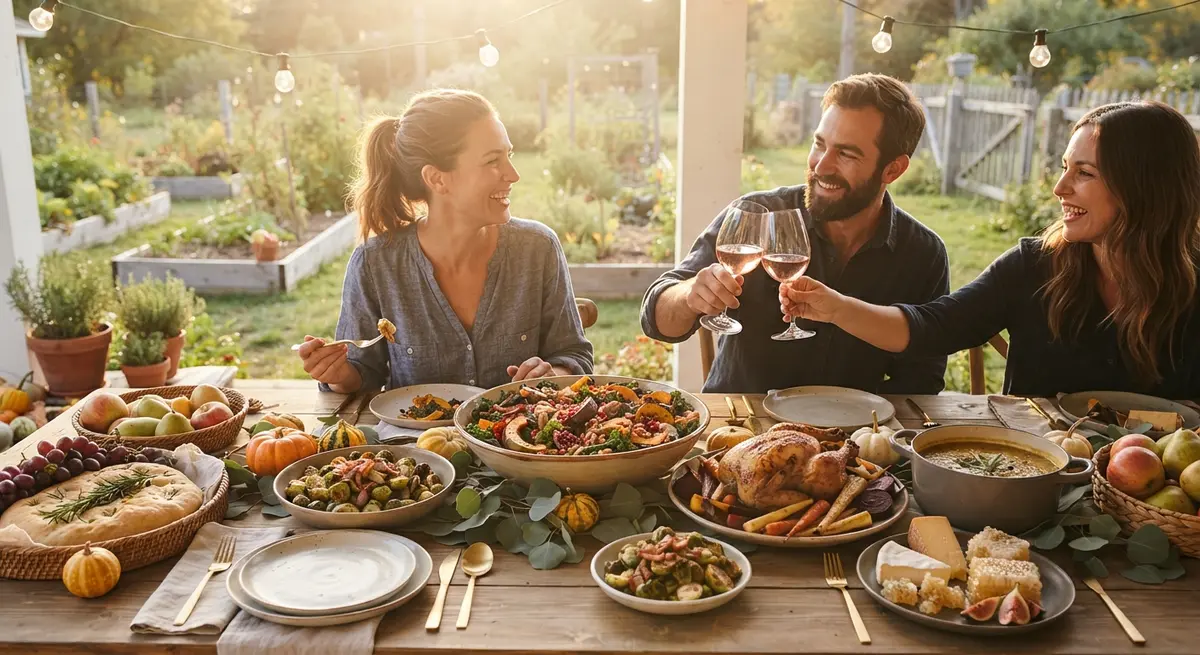
How to Host a Seasonal Harvest Dinner with Local Produce
Host a memorable seasonal harvest dinner with local produce. Plan your menu, shop the farm stand, and cook with autumn's best for under $60.
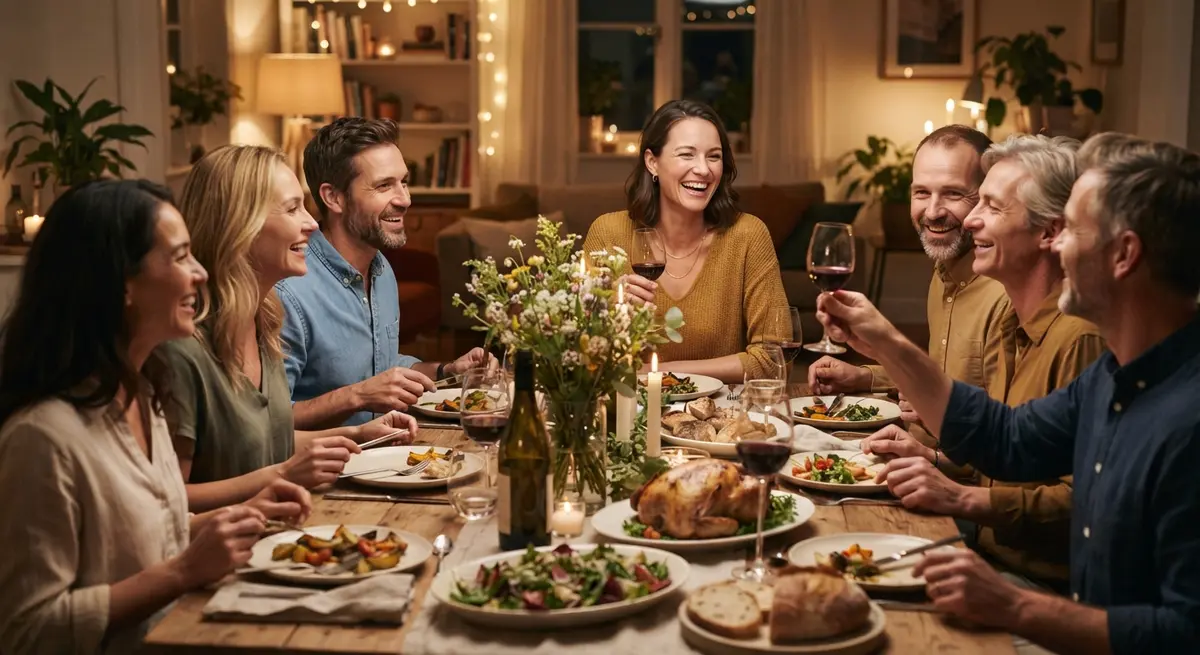
How to Host a Stress-Free Dinner Party from Start to Finish
Stress is not a sign of dedication as a host — it's a sign your plan needs fixing. Here's the complete system.
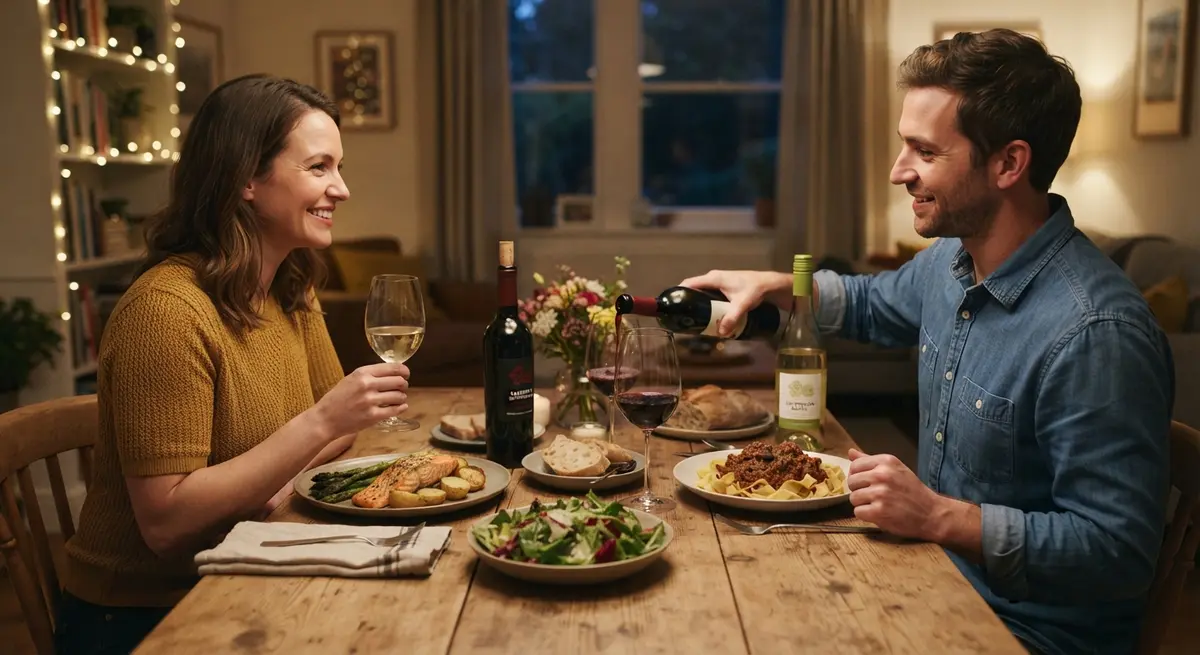
How to Pair Wine with Dinner When You're Not a Sommelier
Wine pairing isn't rocket science. Learn the three simple matches that work for home dinners.
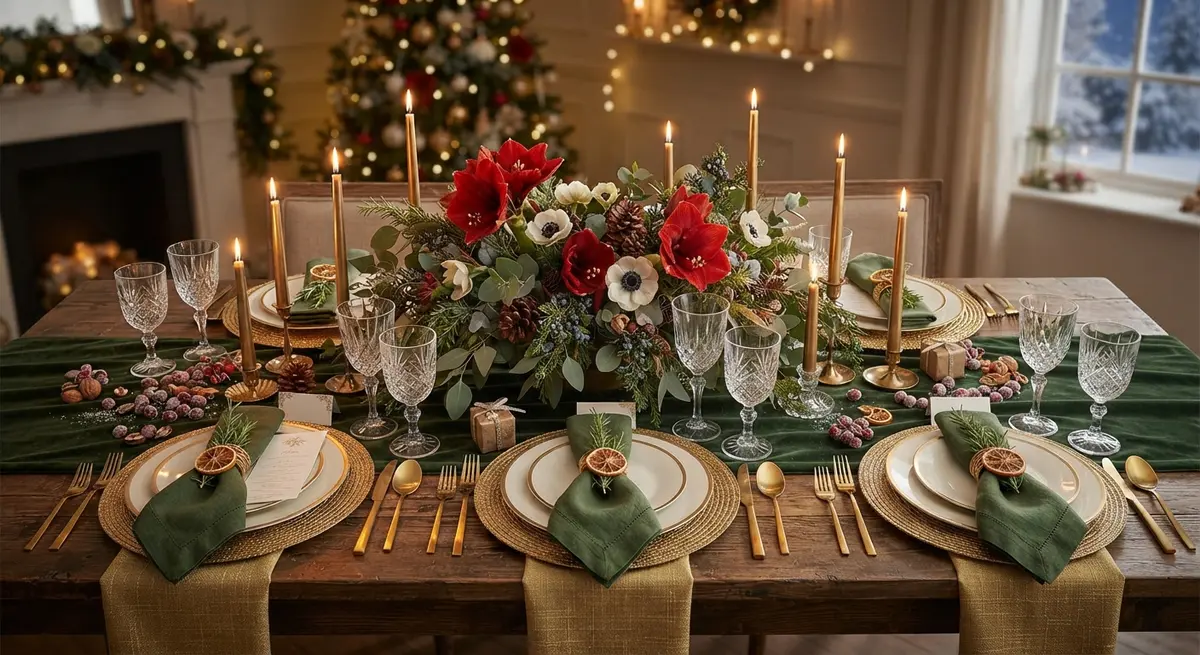
The Art of Tablescaping for Holiday Gatherings
Tablescaping for the holidays, demystified. Learn the layers, the centerpiece rules, and the budget techniques that make any table shine.
About the Authors
This recipe and guide was developed, tested, and approved in our home kitchen and daily life. Jamy is a retired Food Service District Manager and Early Childhood Program Manager who spent his career overseeing multi-site restaurant operations, large-scale culinary production, and daycare menu management. Kaïna brings the ultimate real-world test: making sure it brings ease and joy to our kids on a busy weeknight.
Read more about our professional background and philosophy →