How to Choose the Right Cooking Oil for the Heat
By the QuiteRecipes team (Jamy & Kaïna)
The best oil for a salad is the worst oil for searing. Understanding smoke points — the temperature where oil burns — turns every bottle in your pantry into the right tool.
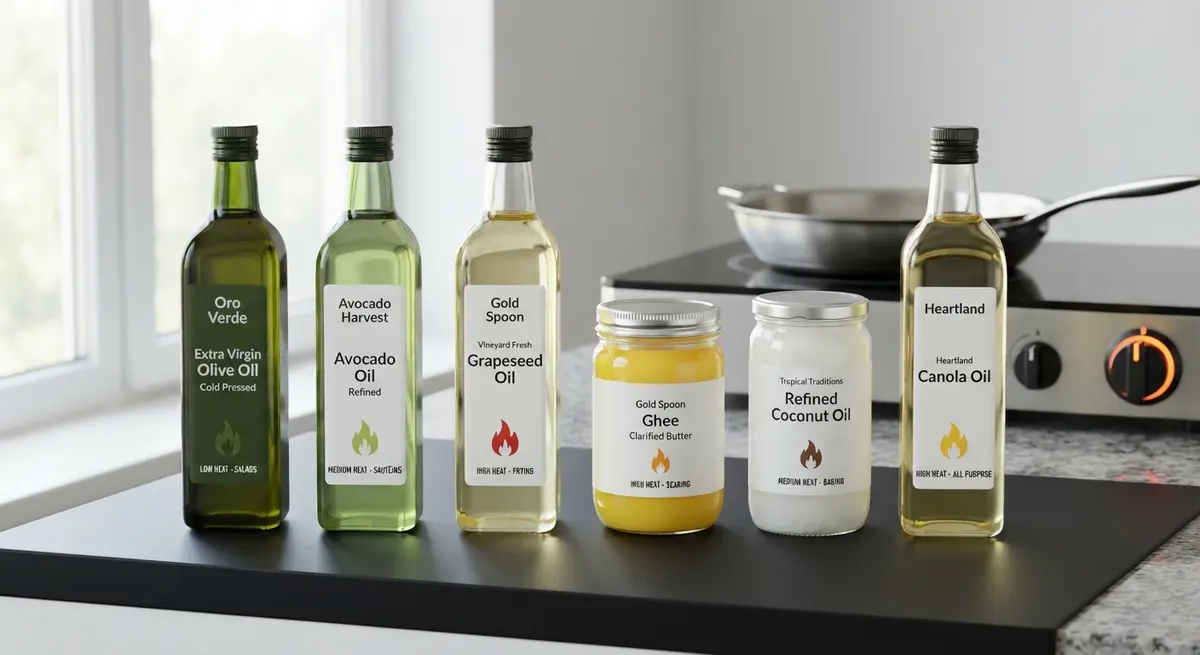
The moment it clicked for me, I was standing in a friend's kitchen watching him pour beautiful, expensive olive oil into a screaming-hot cast iron pan for a steak. Within twenty seconds the kitchen filled with acrid gray smoke, the smoke alarm started its evening work, and the steak tasted, honestly, a little burnt and a little bitter — not from the steak, but from the oil. He'd used a gorgeous bottle for a job it wasn't built for, and he'd blamed the pan. Oil isn't interchangeable. It's a tool, and like every tool, it has a range of temperatures where it works and a range where it fails. Understand the range, and every bottle in your pantry becomes the right bottle for the right job. That's the whole skill, and it takes about five minutes to learn.
What A Smoke Point Is (And Why It Matters)
Every oil has a smoke point — the temperature at which it stops being oil and starts breaking down, releasing smoke, off-flavors, and free radicals. When an oil smokes, three bad things happen at once:
- It burns, turning bitter and acrid, and that bitterness transfers directly to your food.
- It tints everything in the pan with a burnt taste that no amount of seasoning will fix.
- It stops doing its job. Oil is a heat conductor and a browning helper; once it degrades, it lubricates badly, browns unevenly, and just makes a mess.
The practical rule: high-heat cooking (searing a steak, deep-frying, roasting above 400°F / 200°C) needs a high-smoke-point oil. Low-heat or no-heat jobs (vinaigrettes, finishing, gentle baking) can use the flavorful, lower-smoke-point oils. Match the oil to the temperature and you'll never smoke out your kitchen again — and your food will taste like itself instead of like burnt oil.
Key tip: If your pan is smoking, the oil has already passed its smoke point. Turn the heat down, and next time pick an oil rated for the heat you're using.
The Handy Smoke-Point Chart
Here are the common oils and their approximate smoke points, low to high. Treat these as ranges — every batch is slightly different — but they're reliable enough to cook by:
- Extra-virgin olive oil (EVOO): 350–410°F (175–210°C). Flavorful but fragile. Great for dressings, finishing, and low-to-medium cooking.
- Butter: 350°F (175°C). Burns fast because of its milk solids. Wonderful flavor, low heat only — for hot cooking, use ghee or clarified butter.
- Regular olive oil (not extra-virgin): 390–470°F (200–240°C). More heat-tolerant than EVOO, and cheaper.
- Vegetable oil (blend): 400–450°F (205–230°C). A decent all-purpose workhorse, though a bit heavy-flavored.
- Sunflower oil: 440°F (225°C). A good high-heat neutral oil.
- Canola (rapeseed) oil: 400–450°F (205–230°C). Neutral, versatile, budget-friendly — the pantry default.
- Peanut oil: 450°F (230°C). Excellent for frying and stir-frying; the classic wok oil.
- Avocado oil: 480–520°F (250–270°C). The highest smoke point of common oils — ideal for searing and deep-frying.
- Grapeseed oil: 420–460°F (215–240°C). Neutral and high-heat-capable.
- Coconut oil (refined): 350–450°F (175–230°C). Adds its own character; the refined version is much more heat-stable than virgin.
- Sesame oil: 350–450°F (175–230°C). Almost always a flavoring oil. Use it to finish, not to fry — toasted sesame oil burns in seconds.
The Golden Rule: Match Oil To Heat
Here's the practical cheat sheet for home cooking, in four temperature bands:
High heat (searing, deep-frying, stir-frying, 400°F / 200°C and up):
- Avocado, peanut, grapeseed, canola, sunflower, or refined vegetable oil.
- Use neutral oils for frying and searing so the oil's flavor doesn't compete with the food. You're browning the food, not seasoning it with oil.
Medium heat (most everyday pan cooking, sautéing, roasting at 350–400°F / 175–200°C):
- Regular olive oil, canola, vegetable, or a combination of butter and a neutral oil. This is the most forgiving band, where almost anything works.
Low heat (delicate eggs, fish, garlic, cream sauces):
- Butter, extra-virgin olive oil, or a neutral oil. Low heat protects the fragile flavors, so the flavorful oils are safe here.
No heat (salads, dressings, finishing, drizzling):
- Extra-virgin olive oil, toasted sesame, walnut, hazelnut — the flavorful oils shine raw. This is where you spend your "nice" oil and where it pays you back.
Key tip: When in doubt about a searing pan, pick the neutral oil with the highest smoke point you own. Flavor oils are for the end of the dish, not the beginning.
The EVOO-For-Everything Trap
Extra-virgin olive oil is beloved — and rightfully so; it's one of the healthiest and most delicious fats you can buy. But it is the wrong choice for a roaring hot pan, and the habit of using it for everything is the most common oil error I see in home kitchens. It has a relatively low smoke point, and it's expensive, so burning it wastes money and flavor at the same time. Save EVOO for drizzling, dressings, and low-to-medium cooking, and reach for avocado or canola when the pan is going to get serious.
That said, EVOO is more heat-tolerant than its reputation suggests. Modern extra-virgin oils handle medium sautéing and moderate roasting fine; the "never heat olive oil" advice is overstated. The real rule isn't "never heat it" — it's "don't take it to smoking." Medium heat, moderate roasting, fine. Screaming heat, no.
How Much Oil Is "Right"?
Two scenarios, two answers:
- Searing and sautéing: a thin coating that glistens — roughly 1–2 tablespoons for a large pan. More oil isn't "more browning"; it's the beginning of deep-frying. Too little, and food sticks or dries out.
- Deep-frying: enough oil to fully submerge and float the food — a few inches deep in a heavy pot. Reuse strained oil a few times, and discard it when it darkens or starts to smell.
A simple accuracy trick I use constantly: oil the food, not just the pan. Pat the meat dry, then rub it with a little oil and season it. The food carries its own thin film of fat, you use less oil overall, and the pan smokes less because there's no excess pooling. Same result, less mess, fewer smoke alarms.
Roasting And Baking: The Quiet Middle Ground
Roasting and baking sit between the two extremes, and they have their own oil rules. For roasting vegetables or a bird, coat the food lightly — a tablespoon or two per tray — and use an oil that can take the oven's temperature. A 425°F (220°C) oven is closer to the searing end of things, so high-smoke neutral oils (avocado, canola, regular olive oil) are safer than butter or EVOO at the highest settings. For baking, where the fat is inside the batter, oil choice is about flavor and moisture rather than heat tolerance: a neutral oil keeps the bake neutral, while olive oil or melted coconut adds its own character. One more pro habit: you can make almost any baking recipe lighter by swapping a third of the butter for neutral oil — the crumb stays tender and the flavor is unchanged.
Smoke Point Isn't The Whole Story
Temperature isn't the only factor when choosing an oil. Two more things matter, and both come up all the time:
- Flavor: a walnut, sesame, or coconut oil adds its own personality — don't use it where you don't want that flavor. Neutral oils (canola, grapeseed, vegetable) disappear into the food, which is exactly what you want for most frying. If you can taste the oil, you've picked the wrong oil for the dish.
- Heat stability and re-use: highly unsaturated oils (flax, walnut, and to a degree extra-virgin olive oil) oxidize and turn rancid faster, especially when heated. For repeated deep-frying, pick the stable workhorses: peanut, canola, or refined coconut oil. These are the oils that survive a busy fry station without degrading.
The One-Oil Pantry vs. The Pro Pantry
You do not need twelve bottles of oil. The realistic minimum — what I keep in my own home kitchen — is three:
- One neutral high-heat oil (avocado or canola) for searing, frying, roasting, and most pan cooking.
- One flavorful finishing oil (extra-virgin olive oil) for salads, drizzles, and low-heat cooking.
- One flavor-booster (toasted sesame, or a good butter) for finishing touches.
That's it. Upgrade from there only when you find yourself wishing for a specific flavor or a specific heat tolerance — and you'll know, because you'll be reaching for the same missing bottle again and again.
Don't Reuse Burnt Oil
Oil that has smoked or darkened has already broken down: it's bitter, and reheating it produces worse results and more of the compounds you don't want in your food. When I see a pot of oil that's been fried in until it's nearly black, I think of all the flavor it's going to ruin in the next batch. Strain oil you plan to reuse (a fine sieve or coffee filter does the job), store it in a cool, dark place, and trust your senses: if it smells off or foams aggressively when heated, it's done. Fresh oil is cheap; a ruined dish isn't.
Frequently Asked Questions
Is extra-virgin olive oil safe to cook with?
Yes, at moderate temperatures. EVOO is fine for sautéing at medium heat and roasting at moderate temperatures; it's only a problem when you take it to smoking. Save the very best bottles for finishing, and use a regular olive oil or neutral oil for high heat.
What's the best oil for frying chicken or fish?
A neutral high-smoke-point oil: peanut, canola, sunflower, or avocado. Peanut is the classic for fried chicken and French fries; canola is the budget default. Save the olive oil for the table.
Can I deep-fry with olive oil?
Technically yes, but it's wasteful and not ideal — the flavor doesn't suit everything, and you'll burn money. If you want a deeper flavor in frying, add a little olive oil to a neutral oil, or use ghee for a buttery taste.
How do I know if my oil is too hot?
The smoke is the signal — and by then it's too late. Use the food test instead: a small pinch of batter or a bread cube should sizzle immediately but not burn. If it burns in seconds, the oil is too hot; if it just sits there, it's too cold. Aim for a lively, steady sizzle around 350–375°F (175–190°C) for most frying.
Does storing oil matter?
Yes. Heat, light, and air all speed up rancidity. Store oil in a cool, dark cabinet, away from the stove, and replace anything that smells "old," "cardboardy," or off. Quality oil is an investment — keep it like one.
Key Takeaways
- The smoke point is the temperature at which oil breaks down — cooking past it burns flavor and food.
- Match the oil to the heat: high smoke point for searing and frying, flavorful oils for low heat and finishing.
- Avocado and peanut lead the high-heat pack; canola is the budget workhorse; EVOO belongs at medium and below.
- Oil the food, not just the pan — less oil, less smoke, same browning.
- Three bottles cover nearly every home cooking need: one neutral high-heat, one good EVOO, one flavor-booster.
Start With The Chart
Before you reach for a bottle tonight, think about the heat first: Am I searing? (Needs a high smoke point.) Am I simmering? (Almost anything works.) Am I dressing a salad? (Flavor matters most.) Then pick accordingly. One habit — matching oil to heat — will quietly eliminate half the burnt, smoky, bitter dishes in home cooking, and it costs nothing. The oil that made your steak bitter yesterday becomes the oil that finishes your salad tonight. Same pantry, same budget, different results — because now you're choosing the right tool for the heat.
Published on 2026-08-13 by the QuiteRecipes team (Jamy & Kaïna).
Related Articles

Building Flavor: The Chef's Method for a Balanced Dish
When a dish tastes 'flat,' it's almost never because you needed more ingredients — it's because one of the five tastes is missing. Here's how to diagnose and fix it.
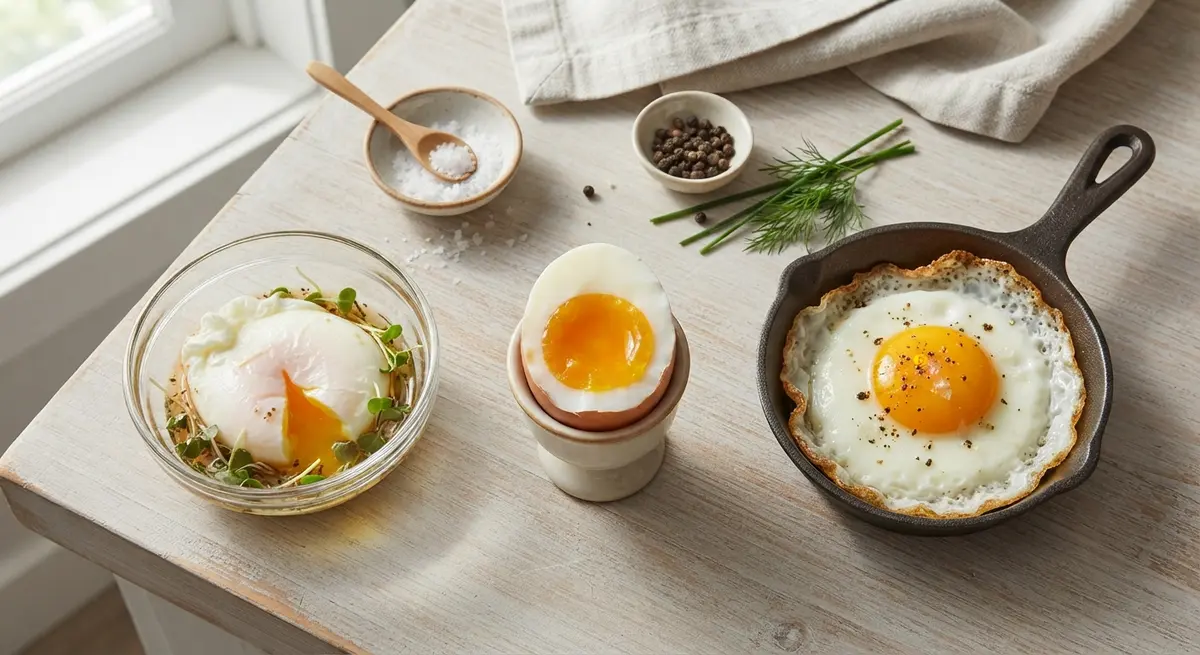
How to Cook Eggs Perfectly: Poached, Soft-Boiled, or Fried
Eggs are the cheapest test of a cook's skill. Runny yolk, tender set whites — here are the exact minutes and methods for poached, soft-boiled, and fried eggs that work every time.
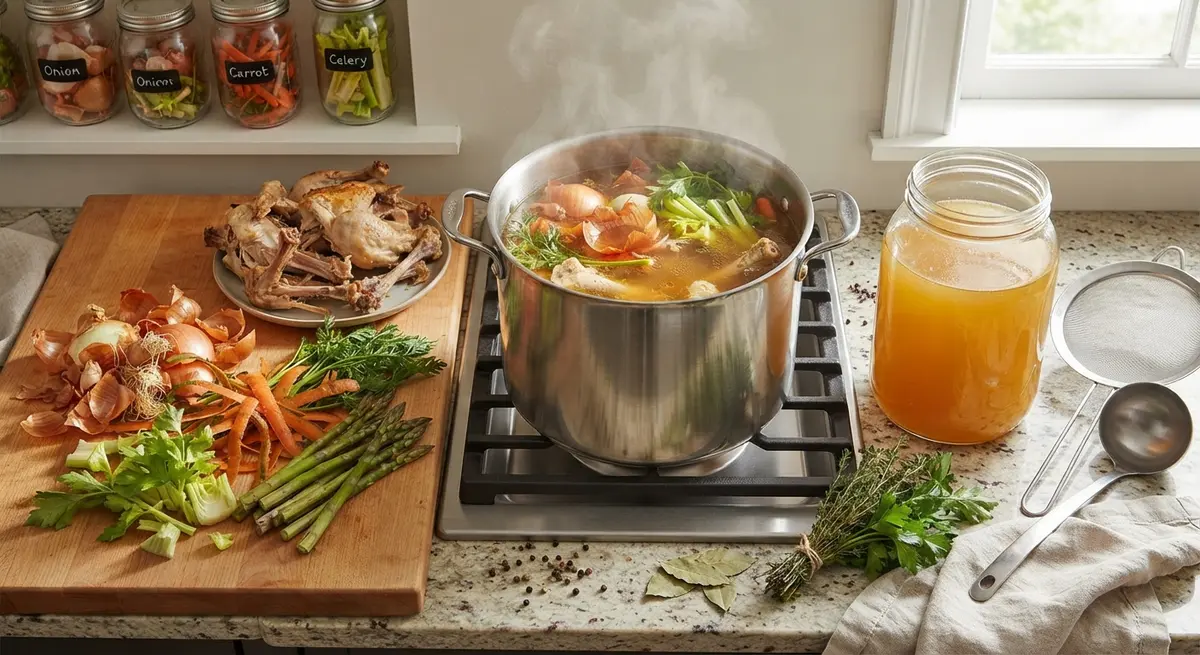
How to Turn Kitchen Scraps into Incredible Homemade Stock
Store-bought stock is fine — homemade stock from scraps is transformative and free. Here's the exact bag-in-the-freezer method, what to save, and what to skip.
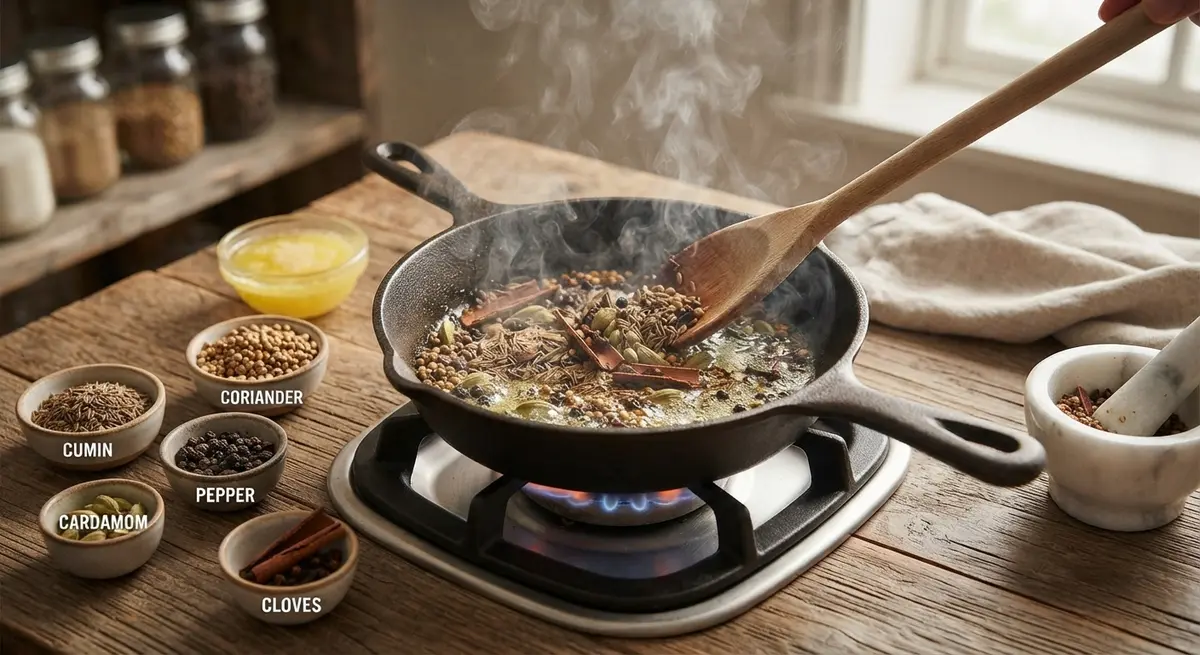
How to Bloom Spices and Why It Changes Everything
Thirty seconds of spice in warm oil unlocks flavor that powders never deliver dry. Blooming is the pro move hiding in plain sight.
About the Authors
This recipe and guide was developed, tested, and approved in our home kitchen and daily life. Jamy is a retired Food Service District Manager and Early Childhood Program Manager who spent his career overseeing multi-site restaurant operations, large-scale culinary production, and daycare menu management. Kaïna brings the ultimate real-world test: making sure it brings ease and joy to our kids on a busy weeknight.
Read more about our professional background and philosophy →