How to Choose and Care for Outdoor Patio Plants Year-Round
By the QuiteRecipes team (Jamy & Kaïna)
The right patio plant for your sun and season survives; the wrong one fights you. Here's how to choose, plant, and care for them all year.
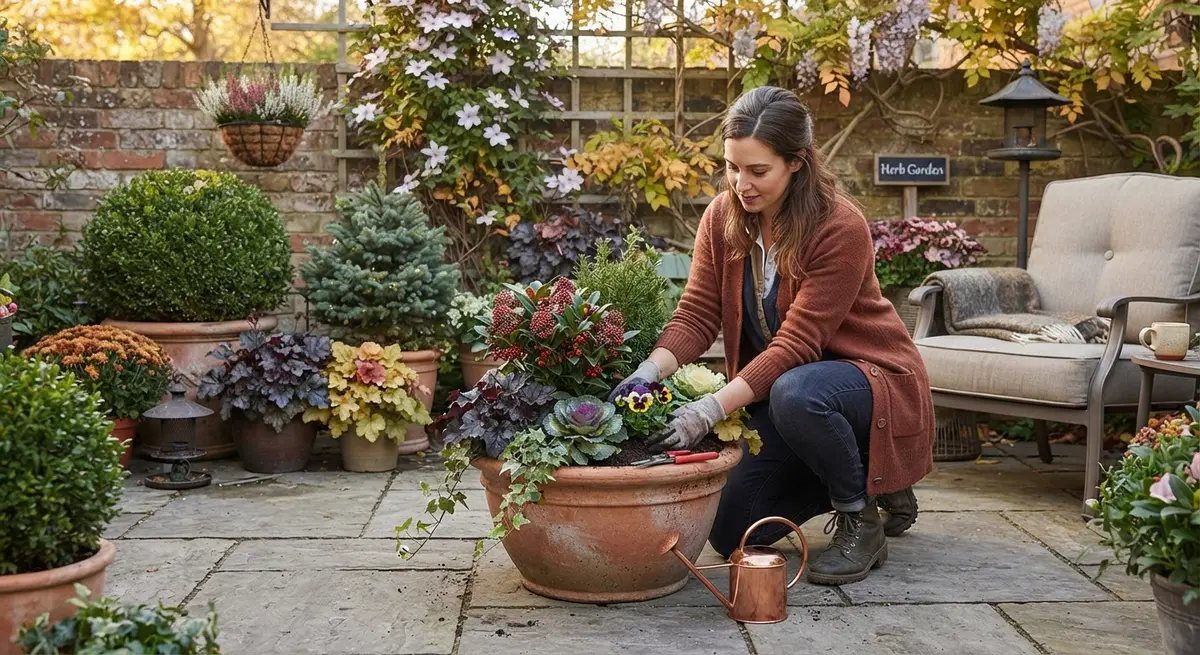
I once fell for a sale on five gorgeous mandevilla vines, bought them for a north-facing porch, and watched them sulk into bare, flowerless sticks within three weeks. It wasn't the plant's fault. A plant that craves full sun had been sentenced to a shady porch, and I'd chosen with my eyes instead of my exposure meter. That first failure taught me the only rule that matters: match the plant to the spot before you match it to your taste.
Patio plants are the easiest gardening wins and the easiest failures, and the difference is almost entirely selection and season. A plant that fits your sun, your pot, and your local winter will reward you for years. I've rebuilt my own porch into a layered green wall of herbs, trailing flowers, and evergreens. Here's how to get the same result without the graveyard of sad pots.
Match the Plant to Your Sun
Sun exposure decides which plants even have a chance. Walk your patio at three times during the day, note how many direct-sun hours the spot gets, and choose from the matching list.
- Full sun (6+ hours): petunias, marigolds, geraniums, plus herbs, tomatoes, and peppers.
- Part sun (4 to 6 hours): begonias, hydrangeas, and mixed herb pots.
- Shade (under 4 hours): ferns, hostas, caladiums, coleus, and coral bells thrive in those dark corners.
The rule I hammer into every new porch gardener: "sun plants won't bloom in shade, and shade plants burn in sun." No exceptional plant ignores its light preference. Choose first, buy second.
Second in importance is wind. An exposed, windy patio dries pots out brutally and shreds big leaves. If your patio is windy, favor sturdy, thick-leaved plants like lavender, rosemary, and succulents over feathery ones.
Pick the Right Containers and Mix
Container size and soil matter more on a patio than anywhere, because the pot is the plant's entire world. The classic beginner mistake is a beautiful pot that's too small.
- Size: herbs and annuals need at least 8 to 10 inches (20 to 25 cm) of depth; tomatoes and large shrubs need 12 to 16 inches (30 to 40 cm).
- Drainage: one or more holes in the base, always, with a saucer.
- Material: terracotta breathes but dries fast; glazed ceramic and plastic hold water longer, which suits busy schedules.
- Potting mix: use bagged container mix, never garden soil, which compacts in pots.
- Weight: on a balcony, prefer lighter pots and mix in perlite to cut weight.
I'm allergic to ornamental but undrainable pots: I've watched fine plants drown in pretty ceramic bowls without holes. If you love a non-draining vessel, use it as a cachepot, with the real plant in an inner pot that has holes.
Water, Feed, and Prune Like It Depends On It
The hardest part of container plants is that care is a rhythm, not a routine. A full-sun petunia in July drinks every day; a hosta in shade drinks once a week. Watch the plant, not the calendar.
- Water when dry: stick a finger 1 inch (2.5 cm) into the soil; if dry, water until it runs out the bottom.
- Check daily in summer: containers dry out fast; expect daily watering for sun-loving pots, every 2 to 3 days in shade.
- Fertilize steadily: slow-release granules every 6 to 8 weeks, or water-soluble feed weekly at half-strength.
- Deadhead: pinch spent blooms weekly; plants that bloom keep blooming only if you cut the old flowers off.
- Prune leggy growth: trim to about two-thirds; the plant stays tight and blooms from the new growth.
Ten minutes a morning on deadheading and watering is the whole difference between my porch and the neighbor's crispy collection.
Take Plants Through Winter Without Replanting
Year-round care starts with knowing your zone. Check your USDA hardiness zone (a quick online lookup) and compare it to the label on each plant. Hardy perennials like lavender and hostas survive outdoor winters; tender ones like bougainvillea, mandevilla, and most annuals die at frost.
- Hardy perennials: in-ground or large pots survive; bury pots slightly and mulch heavily in the coldest weeks.
- Tender plants in pots: bring them indoors before the first frost; pot them slightly smaller first.
- A bright indoor spot: a south window or grow light keeps tender plants alive but resting; water only when dry.
- Dormant annuals: accept some as annuals and compost them; their cuttings start fresh next spring.
- Protect in place: wrap bubble-wrap around a pot and add a thick leaf mulch to insulate the roots.
The biggest winter reveal: even a zone-8 patio officially "rarely freezing" still destroys tender pots in a hard January night. A blizzard can kill a borderline plant in hours. Read the label as if your winter bites.
Rotate, Refresh, and Keep the Porch Alive
A great patio is never finished; it's tended. Rotate pots every week or two so all sides get sun, and watch for the small signs: pale leaves mean too little sun, brown leaf tips mean thirst, and yellowing lower leaves mean too much water.
Seasonal refresh that keeps a patio alive year-round:
- Spring: add cool-season color like pansies as you clean out frost damage.
- Summer: let heat-lovers peak, deadhead twice a week, and pinch back leggy annuals hard.
- Fall: swap in mums, ornamental kale, and grasses, and gather tender plants early.
- Winter: dress the pot garden with evergreens, curling branches, and frost-defying berries.
A patio that drops dead every October was planted with only summer in mind. Pair heat-loving annuals with evergreen anchors, and your porch stays worth looking at every month.
FAQ
How much sun do most patio flowers need?
Most bloom best with 6 or more hours of direct sun. Only begonias, impatiens, ferns, and similar shade lovers manage well under 4 hours.
What's the easiest patio plant for a beginner?
Zonal geraniums and petunias take full sun, bloom for months, and forgive infrequent care. Both are nearly bulletproof in containers.
How often should I water patio plants?
Check each pot daily in summer and water when the top inch of soil is dry: daily for full-sun pots, every 2 to 3 days in shade.
Can I keep patio plants alive over winter indoors?
Yes for tender favorites if you bring them in before frost and give them a bright window or grow light, then water only when dry.
Why are my patio plant leaves turning yellow?
Usually overwatering in containers. Cut watering back, confirm the pot still drains, and prune away the yellowing leaves.
Key Takeaways
- Match plants to your patio's sun hours first; full sun, part sun, and shade each have their own winners.
- Choose roomy containers with drainage holes and container potting mix, sized to each plant.
- Water by touch, daily through summer, and feed with slow-release or half-strength liquid fertilizer.
- Know your cold hardiness and bring tender plants indoors before the first frost.
- Deadhead and pinch regularly to keep annuals blooming from spring to fall.
- Design in layers: evergreen anchors, seasonal color, and winter interest for a patio that lives all year.
A Final Word
Those mandevillas taught me that a patio garden is a conversation between plant and place. Choose for your sun, pot generously, water by touch, and carry tender friends through winter, and your porch becomes a living extension of your home.
Published on 2026-08-13 by the QuiteRecipes team (Jamy & Kaïna).
Related Articles
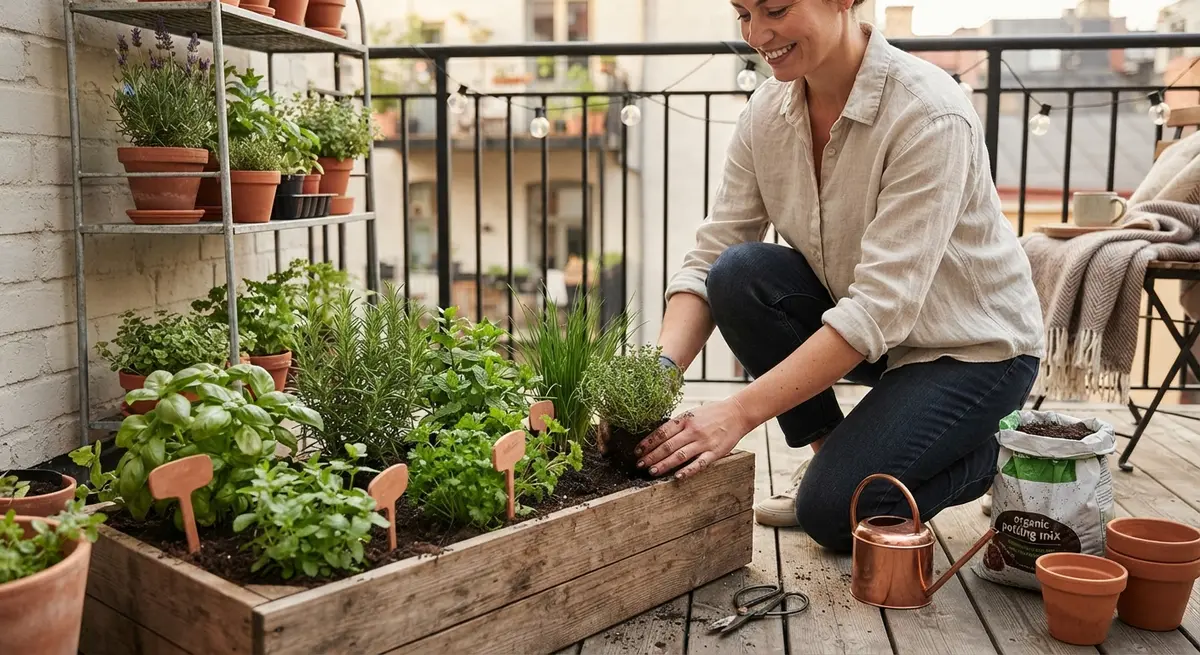
How to Start Your Own Kitchen Herb Garden (Even on a Balcony)
A tiny balcony can grow a week's worth of fresh herbs. Here's the honest starter setup, from pots and soil to a watering habit that works.
5 Simple Ways to Be a More Gracious and Relaxed Dinner Host
Gracious hosting isn't about fancy food. It's five repeatable habits that calm the room — and you.
Bringing Vacation Home: How to Recreate Food Memories in Your Own Space
You can't bring the trip back, but you can bring its flavors. Here is how to turn travel food memories into weeknight meals in your own kitchen.
Composting at Home: A Beginner's Guide to Turning Scraps into Gold
Composting is the easiest way to turn food waste into garden gold. Start with a bin, learn the green-to-brown ratio, and watch it work.
About the Authors
This recipe and guide was developed, tested, and approved in our home kitchen and daily life. Jamy is a retired Food Service District Manager and Early Childhood Program Manager who spent his career overseeing multi-site restaurant operations, large-scale culinary production, and daycare menu management. Kaïna brings the ultimate real-world test: making sure it brings ease and joy to our kids on a busy weeknight.
Read more about our professional background and philosophy →