How to Build an Edible Garden Bed in a Small Space
By the QuiteRecipes team (Jamy & Kaïna)
You don't need an acre to grow real food. Build a 4x4 raised bed or fill containers, and harvest salads and herbs from the smallest spaces.
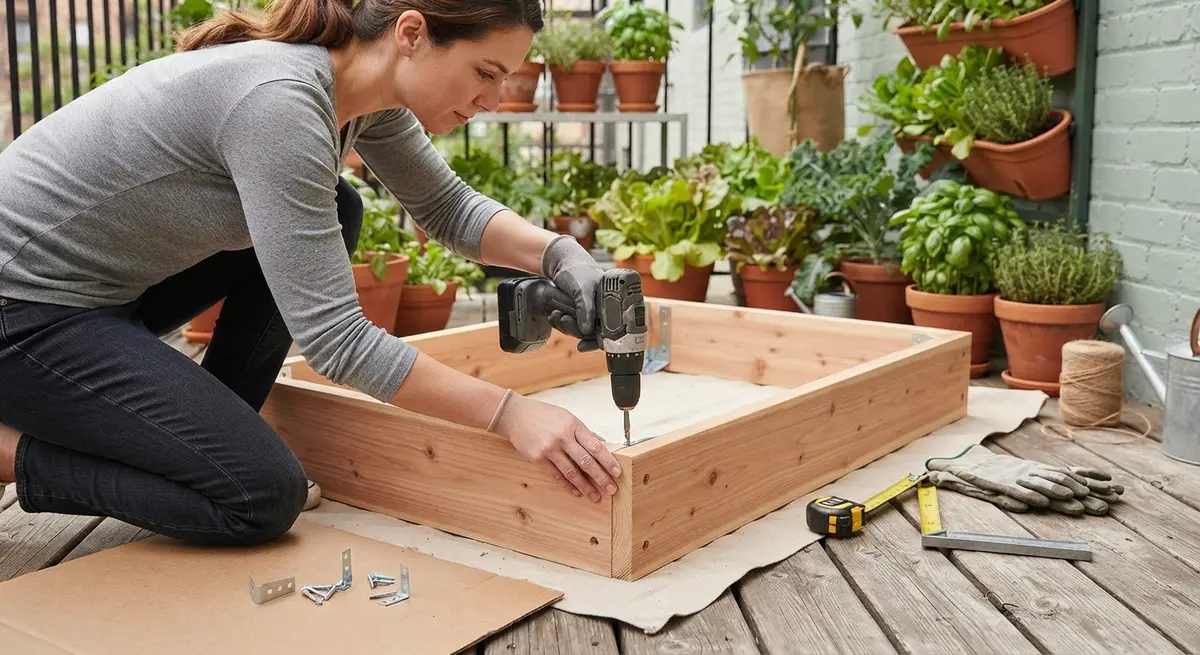
I once tried to grow a full garden in a parking-space-sized patch behind my apartment and harvested exactly three radishes, one the size of a marble. The problem wasn't effort; it was ambition. Too many plants, crammed together, in soil I never improved. The following spring I ripped it out, built a single 4 by 4 foot (1.2 by 1.2 meter) raised bed, and planted with a plan. That small bed now feeds my table from May through November.
The honest secret of small-space food gardening is that vegetables aren't hard to grow; they're hard to starve. Most failures are crowded beds, shallow containers, and forgotten watering. In a compact raised bed or a cluster of large pots, you can grow nearly everything a kitchen needs with about twenty minutes of daily attention.
Here's the blueprint for a small edible garden bed, from footprint and soil to planting and harvest.
Choose Your Footprint: Bed or Containers
A 4 by 4 foot bed is the classic small gardener's sweet spot: it fits on a balcony or a strip of yard, holds enough for two adults, and lets you reach every plant from the edge. If you have no yard, three to five large containers can do the same job.
- Raised bed (ready-made or framed): 4x4, at least 10 to 12 inches (25 to 30 cm) deep. Around $60 to $120 to build from cedar or buy as a kit.
- Containers: 12 to 18 inch (30 to 45 cm) wide pots for tomatoes, peppers, eggplant, and squash.
- Grow bags: 10 to 20 gallon (38 to 75 L) fabric bags are cheap, light, and perfect for root vegetables and tomatoes on a balcony.
- The rule of thumb: if the spot gets 6+ hours of sun, you're in business. That's the minimum a productive vegetable bed needs.
One 4x4 bed can hold, in a well-managed season, a tomato, a row of beans, a patch of lettuce, herbs, and a squash vine over the edge, which is genuinely enough for a household.
Build the Bed on the Right Foundation
A raised bed is a giant container, and like any container, it fails on poor drainage and cheap soil. Build it on level ground with six inches of clearance for airflow, and line the bottom with a barrier that blocks weeds without trapping water.
- Position: full sun, close to the house or a water spigot, because you'll walk it twice a day.
- Height: 10 to 12 inches deep for leafy greens, 18 inches for root vegetables and tomatoes.
- Drainage: never put plastic under the bed; it turns the base into a swamp. Cardboard or a weed barrier that lets water through is correct.
- Filling: use a raised-bed mix of roughly 60% quality topsoil, 30% compost, and 10% perlite or coarse sand. It's the single biggest nutritional lever you control.
- Cost check: filling a 4x4x1 foot bed takes about 16 cubic feet (0.45 cubic meters) of mix, roughly $40 to $80 in bags.
Spend the money on soil, not the bed. A cheap cedar box packed with rich mix grows a feast; a beautiful $300 bed filled with sand grows a lawn. Fertilizer fixes the first, never the second.
Plant by Plan, Not by Cramming
Small beds fail when everyone plants a little of everything and everything dies from crowding. Plan by seasons and by crop families, and let each plant earn its square foot.
- Spring: lettuce, spinach, radishes, and peas; they finish in 5 to 8 weeks and free bed space early.
- Summer: tomatoes, peppers, basil, beans, and squash need the full bed and the heat.
- Fall: a second round of lettuce, arugula, kale, and cilantro thrives in cooler weather.
- Companion-plant sparingly: basil near tomatoes is genuinely useful; the rest is mostly folklore.
- The spacing rule: trust the seed packet. Tomatoes need 18 to 24 inches (45 to 60 cm) apart; lettuce needs 8 to 10 inches (20 to 25 cm). Crowding invites disease.
I lost an entire first-season tomato crop to "one more plant in the corner." The packet said 24 inches apart; I planted two at 12, and the fungus found the gap in a wet week. Follow the spacing. It is wisdom, not a suggestion.
Water Deep and Feed on Schedule
Small beds dry out fast, sometimes in a single hot afternoon, because they have limited soil mass. Day-to-day watering is what separates a thriving bed from a crispy one.
- Water deep and less often: saturate the root zone (about 6 inches down) and let the top dry before rewatering; daily light splashes train roots shallow and weak.
- The finger test: push a finger below the surface; water when the top inch feels dry, not on a fixed clock.
- Morning wins: morning watering dries foliage before night and stops mildew.
- Soaker hose or drip: for hot weeks, a connected soaker hose beats a sprinkler that drenches leaves.
- Fertilize monthly: a balanced water-soluble feed, plus re-topping compost in fall, keeps the bed rich for years.
A thick 2-inch layer of straw mulch keeps soil cool, cuts watering by about a third, and smothers weeds, which means fewer afternoons spent fussing and more eating.
Plan for Succession, Then Rotate
A small bed stays productive only if you plan three or four harvests a season, not one. Pull the radishes before the tomatoes fill in; replace finished lettuce with fast greens, and you'll double the output of the same four feet.
- Succession planting: plant short greens every 2 to 3 weeks instead of all at once, and you harvest a stream, not a glut.
- Stagger the heavyweights: sow one tomato and one pepper in April, then a second tomato in June, to stretch the season.
- Rotation: don't grow tomatoes in the same spot two years running; rotate crops among bed zones to limit soil-borne disease.
- Quick winter cover: sow a cover crop or tip in compost in November, and the bed re-enters spring stronger.
The gardeners who harvest all summer aren't mysteriously lucky; they plant twice, three times, four times a season. Succession is the entire difference between a one-shot salad and a continuous one.
FAQ
How big does an edible garden bed need to be?
A 4 by 4 foot raised bed, at least 10 inches deep, is the classic starter size and feeds two people through the season.
What vegetables grow best in small spaces?
Compact varieties: dwarf tomatoes, bush beans, patio peppers, leaf lettuce, radishes, arugula, and herbs. Save huge squash vines for a big garden.
How much sun does a vegetable bed need?
At least 6 hours of direct sun a day. Anything less, focus on leafy greens and herbs rather than fruiting vegetables.
Do I need to replace the soil in a raised bed every year?
No. Re-topping with compost once a year renews fertility; you rarely need to replace the whole mix for years.
How much maintenance does a small edible bed take?
About 15 to 25 minutes a day in the peak of summer: watering, fast weeding, and occasional picking. Spring and fall are far lighter.
Key Takeaways
- A single 4x4 raised bed or three to five large containers can feed two people through the season.
- Spend your budget on rich raised-bed soil: roughly 60% topsoil, 30% compost, and 10% perlite.
- Match plants to the season and plant in succession for a continuous harvest, not one big glut.
- Space plants by the packet's instructions; crowding is the fastest path to disease and failure.
- Water deep and at the base, mulch with straw, and feed monthly through the season.
- Run the four-step checklist, sun, water, soil, spacing, before replanting after any setback.
A Final Word
That first tiny harvest of one sad radish taught me that small spaces grow big meals when you plan honestly. Build one 4x4 bed, fill it with good earth, plant in successions, and water with attention, and the salad on your table will taste better than anything in the store.
Published on 2026-08-13 by the QuiteRecipes team (Jamy & Kaïna).
Related Articles
5 Simple Ways to Be a More Gracious and Relaxed Dinner Host
Gracious hosting isn't about fancy food. It's five repeatable habits that calm the room — and you.
Bringing Vacation Home: How to Recreate Food Memories in Your Own Space
You can't bring the trip back, but you can bring its flavors. Here is how to turn travel food memories into weeknight meals in your own kitchen.
Composting at Home: A Beginner's Guide to Turning Scraps into Gold
Composting is the easiest way to turn food waste into garden gold. Start with a bin, learn the green-to-brown ratio, and watch it work.
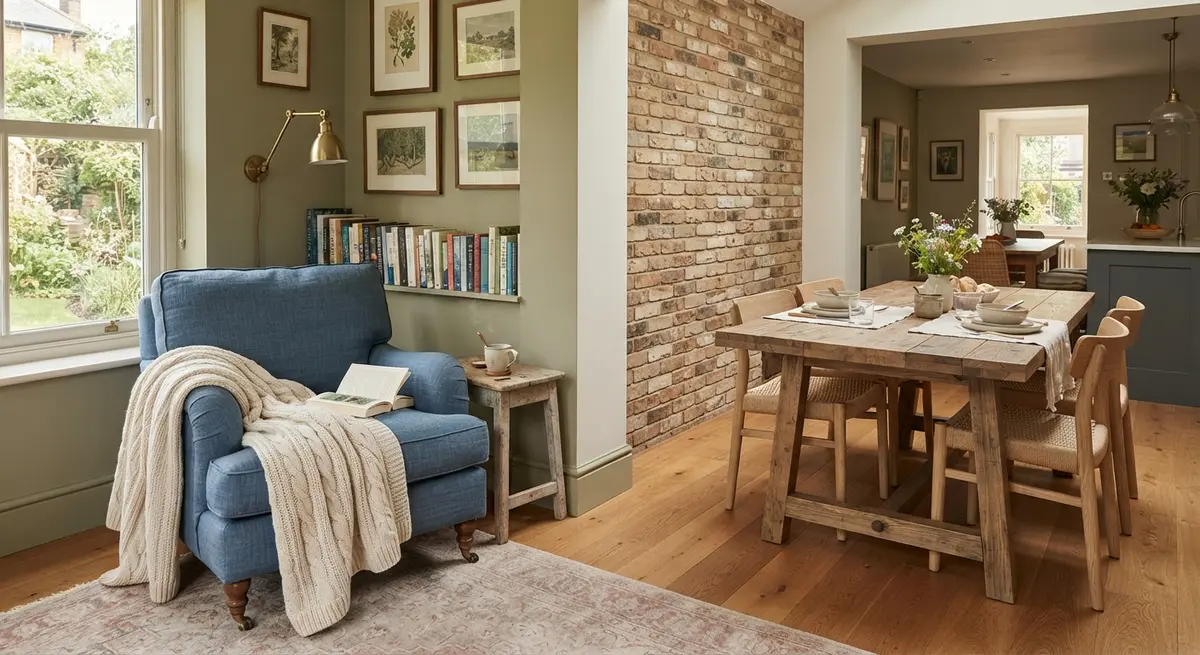
Creating a Cozy Reading Nook Right Next to Your Dining Area
Create a cozy reading nook beside your dining area without a redesign. Find the right corner, lighting, and chair for under $150.
About the Authors
This recipe and guide was developed, tested, and approved in our home kitchen and daily life. Jamy is a retired Food Service District Manager and Early Childhood Program Manager who spent his career overseeing multi-site restaurant operations, large-scale culinary production, and daycare menu management. Kaïna brings the ultimate real-world test: making sure it brings ease and joy to our kids on a busy weeknight.
Read more about our professional background and philosophy →