Easy Swaps to Make Your Kitchen More Eco-Friendly Every Day
By the QuiteRecipes team (Jamy & Kaïna)
Going greener in the kitchen doesn't mean a full zero-waste conversion. These small, daily, budget-friendly swaps genuinely cut waste, energy, and cost — without the guilt trip.
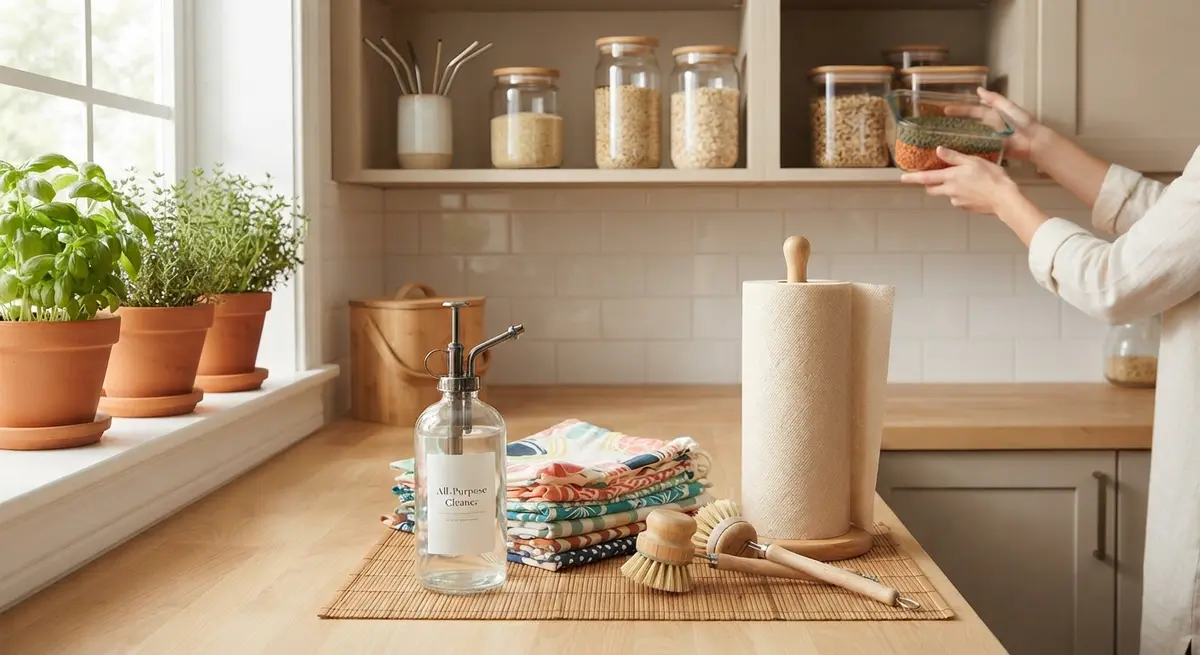
I used to think "eco-friendly kitchen" meant a pantry of mason jars, a compost bin that nobody emptied, and a lifelong commitment to washing things that are easier to toss. I'd try a zero-waste weekend, last exactly three days, and then feel terrible while unwrapping a plastic-wrapped block of cheese.
Then a shift happened. I started with one change — not overhauling my kitchen, but one swap that actually saved me money. Then another. Slowly the kitchen got greener not because I was disciplined, but because the changes were easier and cheaper than the old way. That's the only version of sustainability that sticks.
This guide is that version: ten easy, daily, budget-friendly swaps that make your kitchen measurably greener without a single dramatic sacrifice. Start with one. Let the momentum do the rest.
Why "Better Than Perfect" Beats "Perfect"
The treadmill of perfection is the enemy of real change. Every "eco" conversation gets paralyzed by: "If I'm not zero-waste, why bother?"
Because reduction is real. The kitcarts of opportunity here are huge, and small daily choices compound enormously. One cloth napkin reused replaces hundreds of paper ones. One jar of kitchen-scrap stock replaces a shelf of processed substitute. The metric isn't purity; it's less-than-before.
My founding principle: a greener kitchen is built from swaps that are as easy or easier than the default. If a change makes your life harder, it won't last — so we only pick the easy ones.
1. Cloth Over Paper for Daily Tasks
The fastest, most visible swap is replacing disposable paper with washable cloth in the daily routine.
- Cloth napkins — one set of four replaces a year of paper napkins. Wash, dry, fold, reuse. They make dinner feel nicer, too.
- Swedish dishcloths or microfiber — replace paper towels for spills, wiping counters, and drying produce. A cloth absorbs dozens of uses.
- Cloth produce and snack bags — one set of reusable mesh bags ends the bag-in-bag plastic flow at the market.
Keep a few recycled paper towels for the truly gross stuff (raw chicken pat, oil spills). The swap is about the 80% of daily tasks, not about banning every sheet.
2. Kitchen Scraps Become Stock, Not Garbage
Food waste is the biggest single kitchen footprint most of us control, and the fix is delicious.
- Keep a "stock bag" in the freezer — onion peels, carrot ends, celery, herb stems, mushroom trim, the bones of a roast. When it's full, boil it an hour for free, perfect stock.
- Scraps to compost for the rest — if you compost, even a tiny counter bin, the peels avoid the landfill.
- Buy what you'll use this week — plan loosely; the food never in the bin is the greenest food of all.
The magical stat-lite: most families throw away a significant share of produce. A weekly stock night plus a loose "shop the fridge first" rule trims that dramatically with zero sacrifice.
3. Energy-Smart, Steam-Lid Cooking
The stove is a hidden power draw, but easy habits cut it way down:
- Always cook with lids on — covered pots reach boil and simmer on far less energy.
- Match pot to burner — a small pot on a huge burner wastes most of its heat.
- Cut food into even, smaller pieces to cook faster, and turn off the heat a minute or two early — residual heat finishes the dish.
- Use the microwave for small jobs (reheating, steaming vegetables) — it uses a fraction of the energy of an oven.
These are unglamorous, but they trim your power bill and your carbon footprint with zero effort.
4. Reusable Water and Milk Bottles
The beverage aisle is a plastic festival. Daily swap:
- A reusable water bottle — carries the day's hydration instead of a pile of single-use bottles.
- Glass or stainless milk/alt-milk — buy your milk, cream, or oat milk with returnable glass if your shop offers it, or simply in bigger bottles. Each one avoids multiple small containers.
The rule: aim to buy the least-packaged version of your daily items, and let your reusable bottle become a habit that costs you nothing after the first buy.
5. Buy in Bulk Where It Actually Works
Bulk isn't the answer to everything — but for high-use pantry items it's a genuine money-and-waste win.
- Good candidates: rice, pasta, oats, nuts, seeds, spices you use constantly, dish soap refills.
- Store properly: airtight, dated containers. Proper storage prevents the "it went bad, buy again" waste loop.
- Loose produce over pre-bagged, and bring your own small bags.
The trick is to bulk-buy only what you genuinely consume; a "bargain" bulk box of something you never finish is the opposite of green.
6. Air-Dry and Dishwasher-Wisdom
Small appliance habits add up surprisingly:
- Air-dry dishes (if your machine allows) or hang your racks rather than running an energy-hog heat-dry cycle — a night of air does the job.
- Run the dishwasher only when full — it's actually greener than hand-washing many small loads, so batch wisely.
- Air-dry clothes near the kitchen heat (gently) if space allows — dries on ambient warmth with no machine cycle.
7. Buy Less, Choose Better
The most radical green swap isn't a product — it's buying with a longer view.
- One good knife instead of a drawer of cheap ones that dull and rust.
- Cast iron and stainless that last decades instead of nonstick that dies in two years.
- Fix, don't replace — a sharpened knife, a re-seasoned pan, a mended tea towel each outlives a replacement.
My honest north star: fewer, better, longer-lived items is the greenest general rule going. The first cast iron skillet I bought is older than both of my children and still perfect.
8. The "Shop Your Fridge First" Habit
Before you buy, there's money and food sitting at home.
- Once a week, dinner = a "fridge-clearance" night. Use up the carrots, the wilted herbs in a sauce, the half-lemon, the leftover roast.
- Freeze the surplus — toward the end of the week, flash it and bank it for a cozy night.
- Keep a running "inventory" on the fridge door — what's there, so you buy less and waste less.
It's not glamorous, but a fridge-clearance night is one of the greenest, most honest things a kitchen can do.
A Word on Composting Without the Fuss
If truly going zero-waste feels huge, know this: a simple "scraps to stock, then to compost" routine covers the majority of food waste. A small counter bin, emptied weekly, plus the stock pot, turns most waste into value. You don't need a suburban compost pile to make a serious dent.
The Two-Trick Swap Framework (Workability Over Purity)
Eco swaps work when they're genuinely easier — not when they're moral projects.
- The "it's already open" trick. Finish what's in the pantry or fridge before buying the eco alternative. Empty a spray bottle top with vinegar-water, reuse a jar as the flour jar — the swap lands with the least waste, not the most virtue.
- The "replacement not supplement" rule. A ceramic bowl to replace cling film earns its spot; a silicone mat plus cling film just doubles the clutter. The best eco swap is the one that replaces a disposable habit outright.
- The "one swap to try" pace. Change one thing a month — the reusable cloth, the mesh produce bags, the filter for the sink. Small try-and-see beats an overwhelming good-intentions purge.
Eco habits that survive are the ones that fit your kitchen's actual rhythm. Pat yourself on their workability, not their purity.
The Rag-and-Bucket Engine: Replacing the Paper Towel Habit
No paper towel means no paper towel "modifier," and that shift is the biggest win most kitchens can make:
- Buy 6–10 good flour-sack or bamboo cloths in one color and dedicate them to the wipe-and-dry jobs the paper towel used to do.
- Keep a small "use-to-laundry" bucket at the sink, pop the used cloth in, and wash the load on a normal cycle — the rags dry fast and come back soft.
- Stack the counters with the dry cloths, not the roll. Out of sight of the dispenser, the reflex dies; in their place, the cloth presence becomes the norm.
A paper-towel kitchen burns a tree's worth a year without noticing. A rag-and-bucket kitchen replaces the disposable without ever feeling the sacrifice.
The "Finished Product" Trap, and the Easiest First Steps
It's a trap to think eco requires the perfect marble counter or a $200 bottle. The honest first steps:
- Start with your thermostat of habits, not your wallet. Window as the default dryer, meal-batching with the real jars you own, and the fridge set at the efficient temperature are zero-cost wins.
- Compost the easy, valuable part first — coffee grounds, eggshells, and veg scraps in a counter bin. Five minutes a week buys the neighbor the best tomatoes all season.
- Buy the reusable version of the thing you throw away most. That's plastic wrap, bags, and paper towels — and the swaps pay for themselves in one or two months.
The eco kitchen is a ladder, and every step is a small, workable, monthly rhythm — not a single overnight renovation.
FAQ
Do eco-friendly swaps really save money, or just feel nice?
Most of them save money. Cloth over paper, stock from scraps, bulk buying, energy-smart cooking, and "shop your fridge first" all reduce monthly spending — that's why they stick. It's sustainability that pays you back.
Is cloth really more sanitary than paper towels?
Yes, if washed properly. A cloth for general wiping, replaced daily-as-needed and washed hot, is sanitary. Keep paper or dedicated cloths strictly for the raw-meat kitchen zone.
What single swap has the biggest impact?
Using kitchen scraps to make stock and reducing food waste overall is consistently the highest-impact single shift for most households. Food waste feeds emissions and your budget as well.
Do I need a compost bin to be eco-friendly?
No. Scraps-to-stock, "shop the fridge first," and buying what you'll use cover most of the win for many people. A simple counter compost bin that gets dumped weekly helps further and needs very little.
How do I make green habits stick without the guilt?
Pick one swap, make it easier than the old way, and don't punish yourself over the rest. Reduction — "less than before" — is the real goal. Guilt is what kills good habits.
Key Takeaways
- Choose swaps that are easier than the default — they'll stick.
- Cloth over paper for daily kitchen tasks; keep paper for the gross stuff.
- Turn scraps into stock; compost the rest; buy what you'll use.
- Lids-on, right-size burners, residual-heat cooking, and air-drying cut energy.
- Fewer, better, longer-lived cookware beats a constant churn of cheap replacements.
- "Shop your fridge first" — a weekly clearance night cuts waste and bills together.
A Final Word
My kitchen today did not arrive here by willpower. It arrived rags-to-rags via a cloth napkin that cost two dollars, a stock bag in the freezer, and a single decision to buy fewer, better things. Every one of those changes was genuinely easier than the old way — that's the only reason it lasted. Start with one swap tomorrow, let it feel good, and watch a calmer, thriftier, greener kitchen grow around you.
Published on 2026-08-13 by the QuiteRecipes team (Jamy & Kaïna).
Related Articles
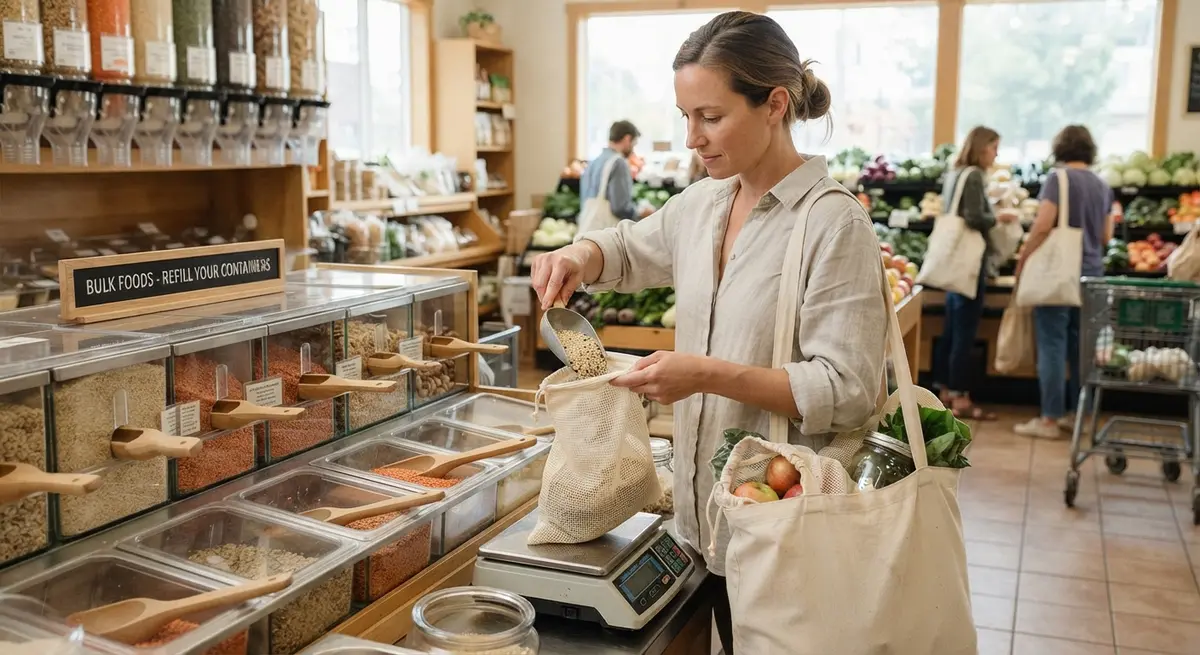
Eco-Friendly Grocery Shopping: How to Reduce Plastic Waste at the Store
Plastic-free grocery shopping is easier than you think. Learn reusable bag systems, bulk-bin strategies, and packaging swaps that actually work.
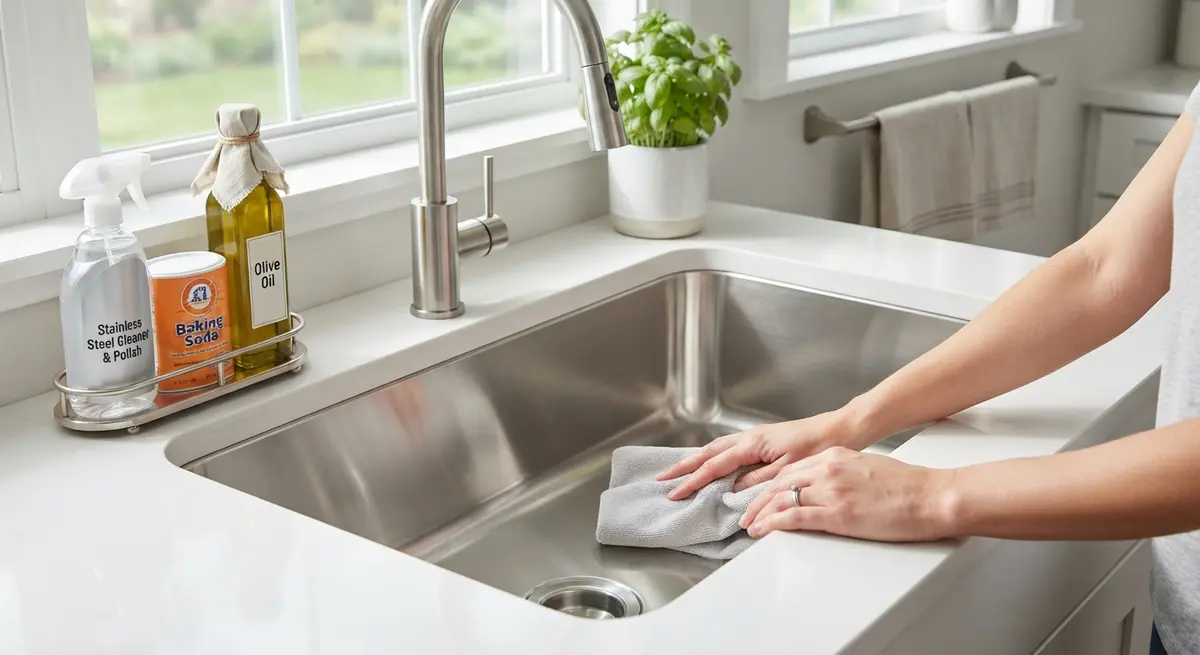
How to Make a Stainless Steel Sink Shine Like New
A stainless steel sink isn't supposed to look water-spotted. With the right wipes, the right direction, and one pantry ingredient, you can restore that mirror finish in minutes.
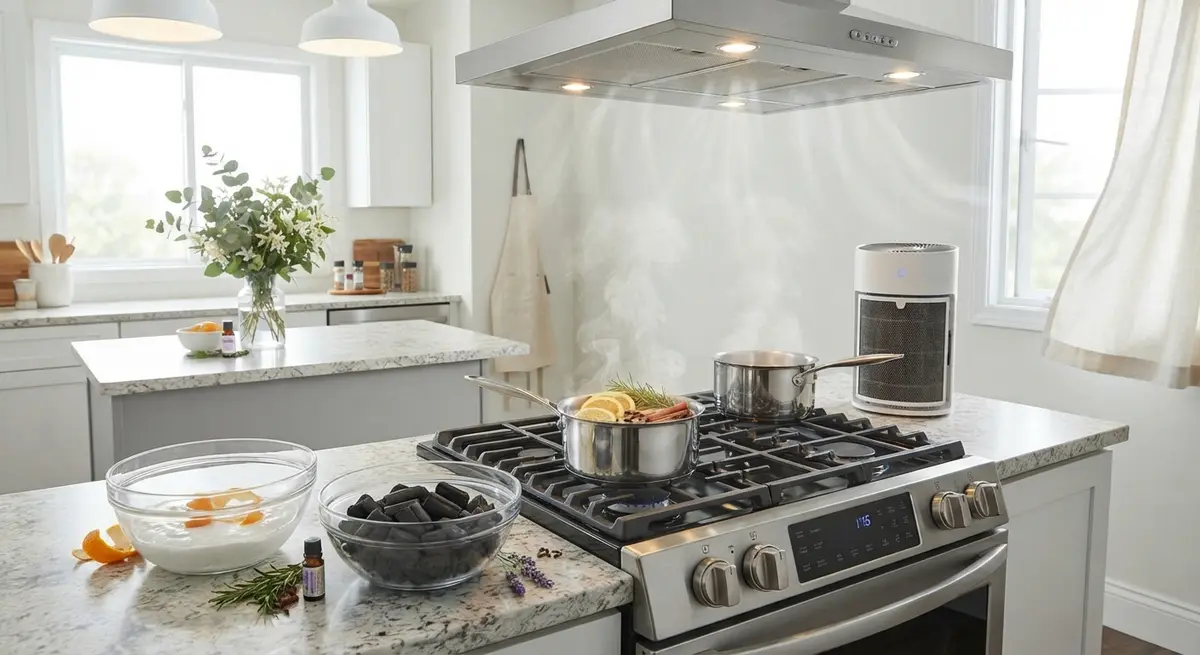
How to Quickly Get Rid of Cooking Odors in Your House
Tonight's fish smells like tomorrow's problem — until you know the trick. Neutralize cooking odors fast with baking soda, vinegar, proper ventilation, and the order that actually works.
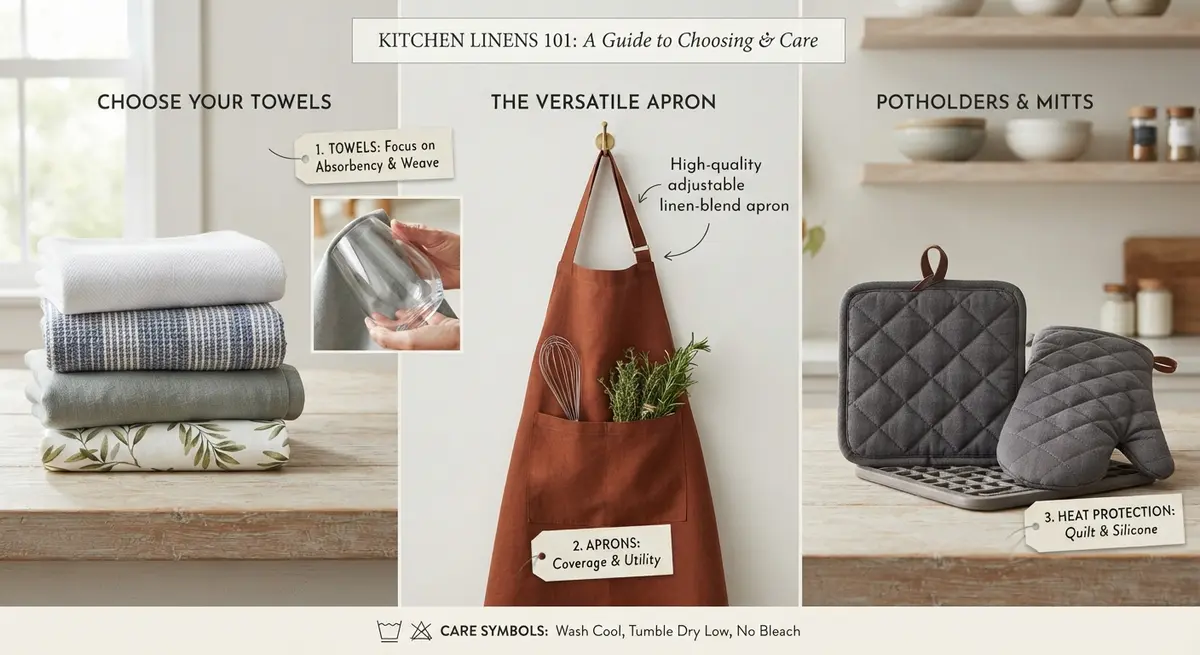
Kitchen Linens 101: How to Choose and Care for Towels, Aprons, and Potholders
A great kitchen towel performs, and a great one lasts. Learn which fabrics to buy, how to wash and dry them right, and how to care for aprons and potholders so they serve you for years.
About the Authors
This recipe and guide was developed, tested, and approved in our home kitchen and daily life. Jamy is a retired Food Service District Manager and Early Childhood Program Manager who spent his career overseeing multi-site restaurant operations, large-scale culinary production, and daycare menu management. Kaïna brings the ultimate real-world test: making sure it brings ease and joy to our kids on a busy weeknight.
Read more about our professional background and philosophy →