The Low-Glycemic Kitchen: A Practical Guide to Blood-Sugar-Friendly Cooking
By the QuiteRecipes team (Jamy & Kaïna)
The low-glycemic way of eating isn't about banning carbs — it's about choosing them smarter. Here is a practical system your whole family can live with.
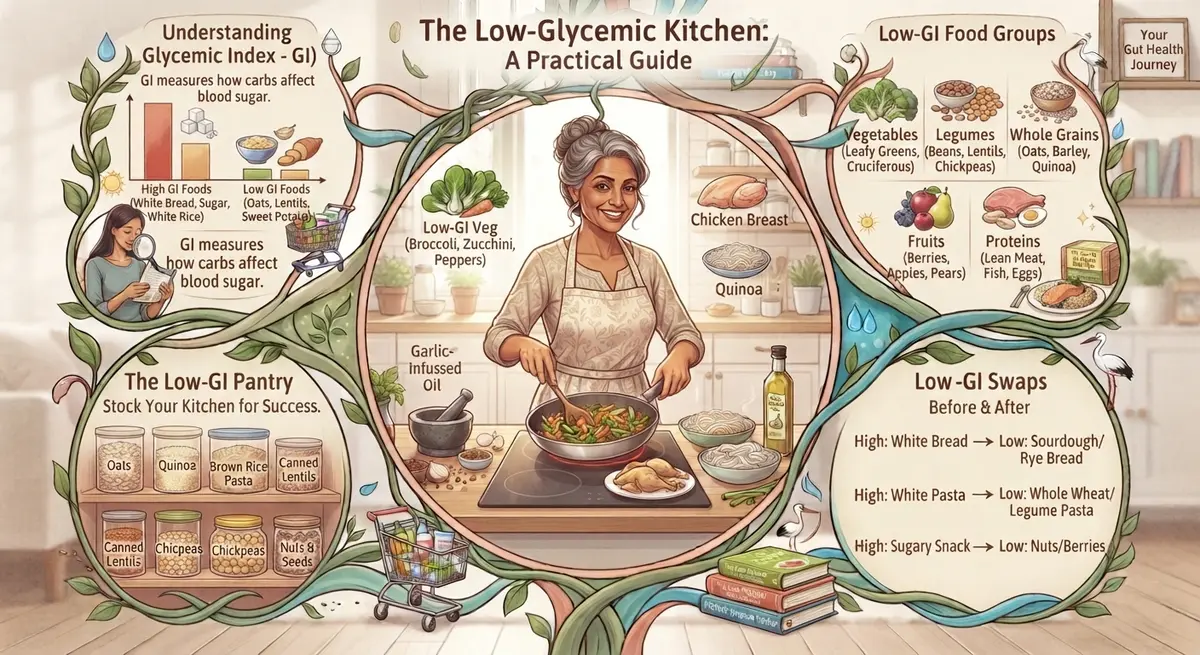
When my husband was told to "keep an eye on his blood sugar," the first thing we did was panic-buy cauliflower rice and apologize to our pasta. Then we realized something important: eating to keep blood sugar steady is not a punishment diet. It's the opposite — it's eating in a way that keeps you full, focused, and satisfied all afternoon, instead of chasing the 3 p.m. crash.
This guide is a starting point, not a medical plan. If you live with diabetes, prediabetes, or any metabolic condition, your doctor or a registered dietitian is the right person to set your individual targets. What follows is the general framework we use in our own kitchen every single week.
Glycemic Index and Glycemic Load, Plainly
Every carbohydrate-containing food affects your blood sugar, but not equally. The glycemic index (GI) is a 0-to-100 ranking of how quickly a carbohydrate food raises blood glucose compared with pure glucose. Foods with a high GI (roughly 70 and up) spike blood sugar fast; low-GI foods (55 and under) release their energy slowly.
The catch is that GI alone ignores portions, which is where glycemic load (GL) comes in. GL = (GI × grams of carbohydrate in a serving) ÷ 100. That's the number that actually matters in real life. Watermelon, for instance, has a high GI but such a low carb density per serving that its glycemic load is modest. You can enjoy it — in a reasonable portion, alongside protein or fat.
Here's the mental model we use: GI is the speed of a food; GL is how much it actually matters in the portion you're eating.
The Three-Step Pattern for Every Plate
Instead of memorizing tables, we build every meal the same way. This pattern is supported by how carbs behave at the table:
- Shrink the refined carb, not the plate. Half your plate is vegetables, a quarter is protein, a quarter is carbohydrate. The carb can absolutely be rice, pasta, or bread — choose a slower-release version when you can.
- Pair carbs with protein, fiber, or fat. A handful of nuts with fruit, yogurt with granola, beans with rice. Slowing digestion tempts your blood sugar to rise more gently.
- Eat in the order that works for you. Some people find eating protein and vegetables before the starchy part of the meal keeps their after-meal numbers smoother. It costs nothing to try.
Swaps That Don't Taste Like Swaps
The low-GI kitchen doesn't require avoiding entire food groups. Here are the swaps we actually keep using:
- White rice → parboiled, brown, or a rice-lentil blend. Still rice, still comforting, just slower.
- Instant oats → rolled or steel-cut oats. A two-minute difference in cooking, a world of difference in how they treat your blood sugar.
- White bread → whole-grain bread with visible seeds. Look for "whole grain" as the first ingredient and at least 2–3 grams of fiber per slice.
- Sweetened cereal → plain yogurt with berries and a sprinkle of muesli. You keep the sweetness from the fruit and add protein and probiotics.
- Regular potatoes → sweet potatoes or boiled-and-cooled potatoes. Chilling cooked potatoes converts some starch to resistant starch, which digests more slowly. Reheat them gently and enjoy.
- Fruit juice → whole fruit. Juice is a rapid sugar hit; a whole apple brings water, fiber, and chewing time.
- Candy bars → a small handful of dates with almonds. Satisfyingly sweet, with fiber and healthy fats to slow the ride.
A gentle caution: "sugar-free" does not automatically mean low-GI, and "low-GI" does not mean unlimited. Even low-GI foods can push numbers up if the portion is enormous. It's the whole meal, not one ingredient, that counts.
Building Your Starter Grocery List
A low-glycemic week starts at the market, not at the stove:
- Proteins: eggs, chicken, canned tuna or sardines in olive oil, lentils, chickpeas, tofu, plain Greek yogurt.
- Fiber-rich carbs: rolled oats, brown rice, barley, quinoa, sweet potatoes, whole-grain bread.
- Vegetables, lots of them: leafy greens, broccoli, cauliflower, bell peppers, zucchini, green beans — skip the "no starch" panic, just fill half the plate.
- Fruit in moderation: berries, apples, pears, oranges — fresh and whole, paired with a spoon of nut butter or a slice of cheese.
- Fats that do the work: olive oil, avocado, nuts, seeds.
- Flavor builders: garlic, onion (in the amounts your gut tolerates), lemon, vinegar, fresh herbs.
Sample Day to Copy
This is the rhythm we fall back on when we're tired and uninspired:
- Breakfast: rolled oats with milk, a handful of blueberries, cinnamon, and a spoon of peanut butter.
- Lunch: a bowl of lentil soup with a slice of seeded whole-grain bread and a side of yogurt.
- Snack: an apple sliced, with a few almonds.
- Dinner: grilled chicken, a generous pile of roasted broccoli and peppers, and a modest scoop of parboiled rice.
Notice what's missing: nothing. You get carbs at every meal — just the slower versions, in sensible amounts, always paired.
Common Pitfalls
- Treating the meal plan as a rulebook. Perfection is not the goal; pattern is. It's fine to have a croissant on Sunday.
- Forgetting that fiber is the quiet hero. Most of us eat far less fiber than we think. Aim to let vegetables, legumes, and whole grains make up the bulk of the plate.
- Skipping meals "to keep blood sugar low." Skipping usually backfires — you end up ravenous and overcorrect. Regular meals with steady carbs serve you better.
- Believing a single food is the villain. Blood-sugar management is a meal pattern, not a food ban.
When to Talk to a Professional
If your blood sugar swings, you have prediabetes or diabetes, or you're on medication that affects glucose, do not self-tune your diet and medicines together. Pairs of "diet advice" and "medication" should be handled by your care team. Particularly: if you take insulin or a sulfonylurea, changing your carb pattern without guidance can cause dangerously low blood sugar. Always loop in your doctor or a dietitian when you plan big changes.
Tip for caregivers: manage one meal at a time. Instead of overhauling the whole family's eating in a week, swap one staple per week — rice one week, bread the next. Steady wins.
FAQ
Is the low-glycemic diet the same as "no carbs"?
No. It's about choosing slower-release carbohydrates and sensible portions, not eliminating them. Whole grains, legumes, fruit, and even potatoes still belong on the table.
Do I have to give up fruit?
No. Whole fruit is a good choice — it comes with water, fiber, and volume. Portion it like the rest of your plate and pair it with protein or fat.
What about sugar-free products?
"Sugar-free" doesn't mean "blood-sugar-free." Sugar alcohols and sweeteners still need to be counted in context, and some (like sorbitol) can upset digestion. Read labels for total carbohydrate and fiber.
How fast will I notice a difference?
Many people feel steadier energy within a couple of weeks — fewer crashes, fewer hangry afternoons. Blood-sugar numbers (if you monitor) usually respond faster than how you feel. Give it at least three to four weeks before judging.
Key Takeaways
- Glycemic load beats glycemic index in real life — portion matters as much as the food.
- Build every plate around vegetables, protein, and a sensible portion of slower-release carbs.
- Pair carbs with protein, fiber, or fat to smooth the rise.
- Start with one swap a week; the plan is a pattern, not a strict regime.
- Loop in your care team if you have diabetes, take medication, or plan changes that affect your treatment.
A Final Word
We've kept "low-glycemic" cooking in rotation for years now, not because a doctor ordered it, but because it simply works better: steady energy, fewer cravings, meals that everyone at the table actually likes. Start with the rice, find your rhythm, and build from there.
Published on 2026-09-05 by the QuiteRecipes team (Jamy & Kaïna). This article is general wellness information, not medical advice. Talk to your doctor or a registered dietitian for guidance specific to you.
Related Articles

Cooking for Seniors: Nutrient-Dense Meals That Are Easy to Digest
Cooking for aging parents or a partner means fewer empty calories and more protein, fiber, and flavor in every soft, gentle bite.
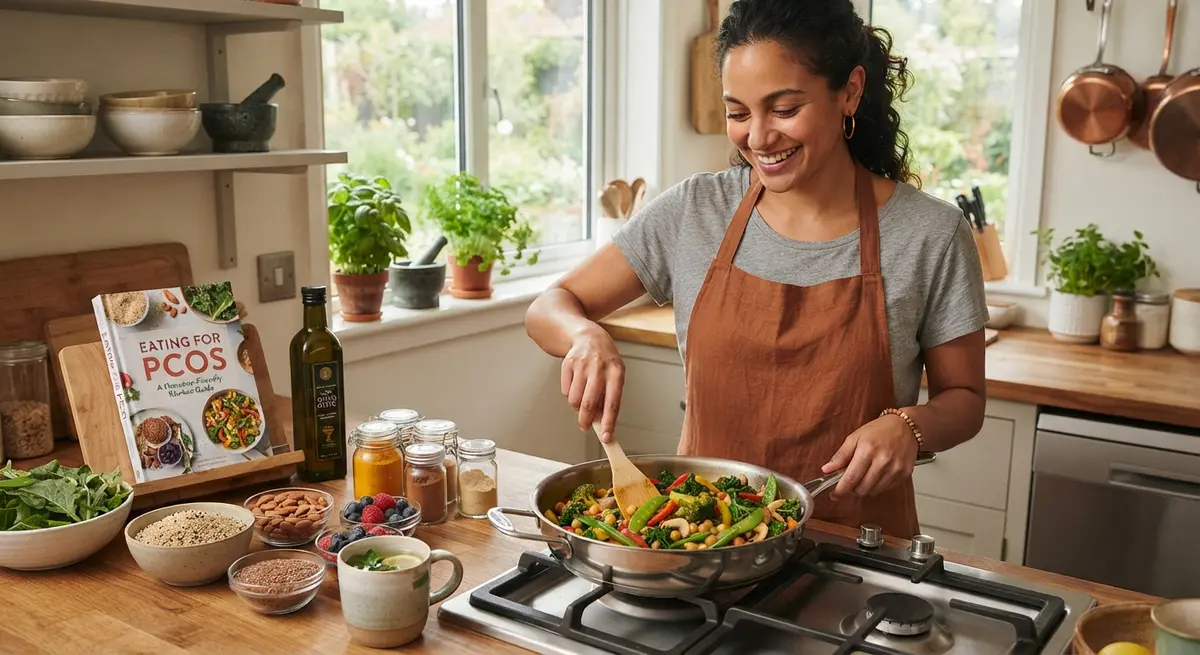
Eating for PCOS: A Hormone-Supportive Kitchen Guide
The two big themes in PCOS nutrition research are blood-sugar steadiness and anti-inflammatory eating — and both can come from a normal, joyful kitchen.

Eating for Sexual Health and Vitality: A Food-First Guide
Sexual health is whole-body health. Zinc, iron, omega-3s, and the nitrate-rich vegetables that feed your circulation deserve a real place on the plate.
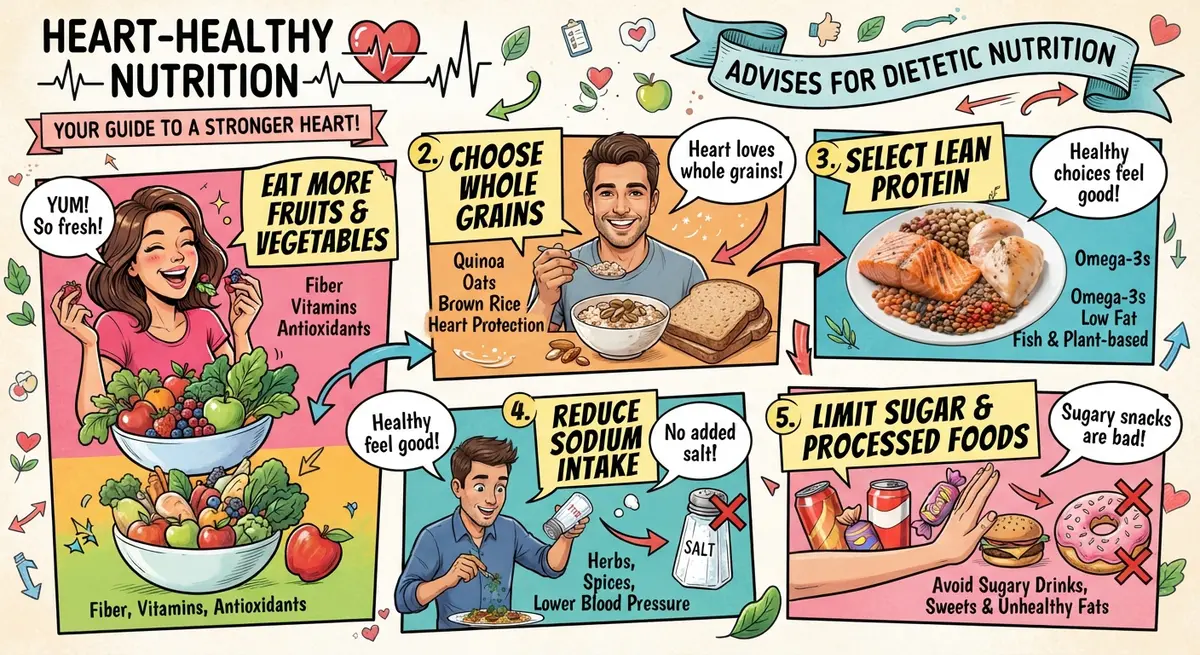
Heart-Healthy Cooking Without Sacrificing Flavor
Heart-friendly cooking isn't saltless cooking. It's a smarter flavor strategy built on herbs, acids, and fats that earn their place on the plate.
About the Authors
This recipe and guide was developed, tested, and approved in our home kitchen and daily life. Jamy is a retired Food Service District Manager and Early Childhood Program Manager who spent his career overseeing multi-site restaurant operations, large-scale culinary production, and daycare menu management. Kaïna brings the ultimate real-world test: making sure it brings ease and joy to our kids on a busy weeknight.
Read more about our professional background and philosophy →