Eating for Sexual Health and Vitality: A Food-First Guide
By the QuiteRecipes team (Jamy & Kaïna)
Sexual health is whole-body health. Zinc, iron, omega-3s, and the nitrate-rich vegetables that feed your circulation deserve a real place on the plate.

A few years ago, after the kids were finally in bed, I stood in front of an open fridge and realized I had no idea what, if anything, food had to do with my sex life. We had spent a decade cooking for everyone else's health — heart-friendly weeks, low-FODMAP runs, pregnancy and postpartum seasons — and yet the one conversation nobody had prepared us for was how to eat for vitality in our own relationship. The more I dug, the more I found that the answer wasn't oysters and mystery potions. It was embarrassingly ordinary: blood flow, hormones, energy, and mood. All four are built at the kitchen counter before they ever show up in the bedroom.
A quick but honest note before we start: this article is general wellness information, not medical advice. Desire and sexual function are influenced by hormones, medication, mental health, stress, and a list of conditions that have nothing to do with your plate. If something is off, your doctor is the authority on your body. What follows is the food-first framework we now actually use — tested in our kitchen, not in a laboratory.
Why Food Shows Up Between the Sheets
Sexual response is, at its most mechanical, a story about three things: circulation, nerves and hormones, and energy. Dinner touches all three.
Blood flow matters first. Erection, arousal, and sensitivity all depend on blood vessels relaxing and widening so blood can move where it's wanted. The same dietary pattern that protects a heart protects that pathway — which is why erectile function is sometimes called the canary in the cardiovascular coal mine. Then there are the raw materials: hormones are built from fats and proteins, and many run on zinc, iron, and B vitamins. Finally, if you're exhausted, stressed, or running on skimpy calories, no amount of romantic plate styling will rescue libido. Desire is a luxury your body budgets for when the basics are covered.
So the goal isn't a single "magic food." It's a pattern that keeps three systems fed: blood vessels, hormones, and energy.
The Nutrients That Actually Matter
Zinc: the quietly famous one. The body leans on zinc to make testosterone, keeps sperm production on track, and plays a role in immune health — and even mild deficiency can pull libido down. The richest food sources are oysters (the legend has a real foundation), but most weeks you'll do fine with beef, shellfish, pumpkin seeds, chickpeas, and yogurt. A handful of pumpkin seeds in a salad is the easiest upgrade you'll ever make.
Iron: for stamina, literally. Fatigue is the most underrated libido killer, and the most common cause of that fatigue in women of menstrual age is low iron. The body runs on it; without it, even walking up stairs feels like a chore, let alone anything more ambitious. Animal sources (red meat, poultry, oily fish) absorb best, plant sources (lentils, spinach, beans) absorb better when paired with vitamin C. Here's the catch the cookbooks leave out: if you're iron-deficient, you cannot be fashionable about it — a general pattern plus a doctor-checked target beats superstition.
Omega-3 fats: for blood vessels and mood. Oily fish, walnuts, and flax support the flexibility blood vessels need and feed the brain chemistry behind mood. More importantly, they replace the processed fats that actively stiffen blood flow. Two portions of oily fish a week is the classic target; canned sardines make it easy even on chaotic weeks.
Nitrate-rich vegetables: the circulation boosters. Beets, arugula, celery, and leafy greens are rich in nitrates, which the body converts into nitric oxide — the molecule that tells blood vessels to relax. This is the mechanism behind the beetroot-and-running studies, and it works at dinner too. This is not a supplement pitch; it's just vegetables doing their job. Eating beets or dark leafy greens several times a week is one of the most evidence-friendly choices on this page.
Magnesium: the stress antidote. Chronic stress is libido's worst enemy, and magnesium helps quiet the nervous system and support deep sleep. Green leafy vegetables, nuts, seeds, and dark chocolate are the friendly sources. That chocolate bar you hoped was an aphrodisiac? Its best honest contribution is magnesium and a moment of pleasure — which is actually not nothing.
B12 and folate: for energy and mood. These support red blood cells and brain chemistry. Animal foods provide B12; folate shows up in leafy greens, beans, and avocados. A monotonous diet that skips whole food groups quietly empties these reserves.
Vitamin D: the unglamorous all-rounder. Linked to energy, mood, and hormone function. Oily fish and eggs help, but most people need sunshine or a doctor-approved supplement — check your levels, don't guess.
The Aphrodisiac Question: What Holds Up and What's Hype
Every culture has a list of "love foods," and most of them share one honest thread: they're nutrient-dense foods served with ceremony. Oysters are rich in zinc. Dark chocolate brings magnesium and phenylethylamine. Honey and figs bring quick energy and sugar. Watermelon contains citrulline, a precursor to nitric oxide, similar in family to what you get from beets. None of these are magic — and being honest about that is exactly why this guide is worth more than a listicle.
The actual "aphrodisiac" is almost never a single ingredient. It's a plate and a mood: slow meals shared with attention, good circulation from a heart-healthy pattern, adequate sleep, movement, low alcohol around the moment, and a body you're not constantly running on fumes. That framing is harder to fit on a greeting card, but it's the one that works.
The Libido Killers on Your Plate
- Ultra-processed food as a daily base. It's cheap, fast, and engineered to be eaten without noticing — and it starves the exact nutrient list above while loading your plate with the fats and sodium that stiffen blood vessels.
- Alcohol around the moment. A little can lower inhibitions; too much reliably lowers performance and desire. The evening's second and third drinks are the ones that matter.
- Crash dieting and undereating. Your body stops investing in sex when it thinks you're in a famine. Cutting calories hard and fast is the fastest way to kill libido, and it's almost always reversible.
- Sugar spikes and troughs. Wild blood-sugar swings bring energy crashes that arrive right around the time you'd planned to be present. Steady meals with protein and fiber keep the afternoon slump from becoming a lifestyle.
- Ignoring sleep and stress. If you're running on five hours and a to-do list, no grocery list fixes you. Food is one pillar; it doesn't cover for the others.
A Practical Day for Vitality
- Breakfast: Greek yogurt with toasted pumpkin seeds and berries, a spoon of ground flax, and maybe a square of dark chocolate melted through. Zinc, magnesium, B vitamins, and protein — and it tastes like a treat.
- Lunch: A warm salad of lentils or beans, roasted beets, arugula, and walnuts with a lemon-tahini dressing. Iron, nitrate, magnesium, and omega-3 in one bowl.
- Snack: A few sardines on whole-grain toast, or a pear with a small handful of almonds. Fast, honest energy.
- Dinner: Baked salmon with a garlic-herb crust, roasted sweet potato, and sautéed spinach finished with lemon. Omega-3, vitamin D, iron, and flavor that doesn't need rescuing with salt.
Tip for anyone cooking for two: make the date-night plate the default rather than the exception. Seared steak or salmon, a heap of greens, some beets or arugula, and a square of dark chocolate after — it's a full evening designed around circulation, energy, and time together.
Common Pitfalls
- Hunting for a single "viagra of the fridge." If the rest of your diet and sleep are messy, an oyster appetizer is a garnish, not a solution.
- Medicating with alcohol. It feels like it's helping in the first twenty minutes and reliably doesn't after that.
- Drinking coffee all day and wondering why you're wired but not present. Energy is not the same as arousal; calm matters.
- Treating supplements as a shortcut. A cupboard full of capsules won't fix a diet built on packaged food. Food first, nutrients second.
- Comparing your relationship's rhythm to someone else's. Desire varies hundreds of healthy ways between couples and across seasons of life — food supports your pattern, it doesn't dictate it.
FAQ
Is there any food that really boosts libido the way myths claim?
Honestly? No single ingredient. What's real is the pattern: zinc and iron for hormone building blocks, omega-3 and nitrates for circulation, magnesium and steady protein for energy and calm. Oysters, beets, and dark chocolate are real contributors because they're nutrient-dense — not because they're magic.
I'm always tired. Is that what's killing my desire?
Fatigue is the most common and most fixable libido killer. If you're dragging all day, check iron (especially if you menstruate), sleep, and whether you're undereating. Feeling tired is a signal worth taking to dinner and to your doctor alike.
Do men and women need different foods for sexual health?
The nutrient list is almost identical, because circulation, hormones, and energy aren't gendered. The common difference is iron needs in menstruating women and the sheer frequency of low testosterone conversations in men. Same plate, adjusted portions, same honesty with your doctor about blood work.
What about alcohol and "liquid courage"?
A glass may help you relax; more than that usually dulls sensation, performance, and the memory of it. If you're pouring a third drink so the evening feels easier, ask what's actually running the show — and let a proper dinner do some of that work instead.
Key Takeaways
- Sexual health is whole-body: circulation, hormone building blocks, and energy all start at the plate.
- Zinc, iron, omega-3s, magnesium, and nitrate-rich vegetables earn their place daily — oysters and chocolate are contributions, not solutions.
- The real aphrodisiac is a pattern: steady meals, sleep, movement, low alcohol, and actually showing up to the table.
- Watch the quiet killers: ultra-processed bases, crash diets, alcohol, sugar spikes, and exhaustion.
- Work with your doctor on blood work and targets; this guide is a general framework, not medical advice.
A Final Word
We came into this topic expecting to write about exotic ingredients and ancient elixirs. What we actually wrote is a reminder that the best sexuality is a byproduct of a well-run life — fed, rested, moved, connected, and unhurried. The most romantic thing we cook now is a full plate that leaves us with energy left over for each other. That's a love language you can shop for at the grocery store.
Published on 2026-09-17 by the QuiteRecipes team (Jamy & Kaïna). This article is general wellness information, not medical advice. Desire and function are influenced by many factors — your doctor and registered dietitian set your personal targets.
Related Articles
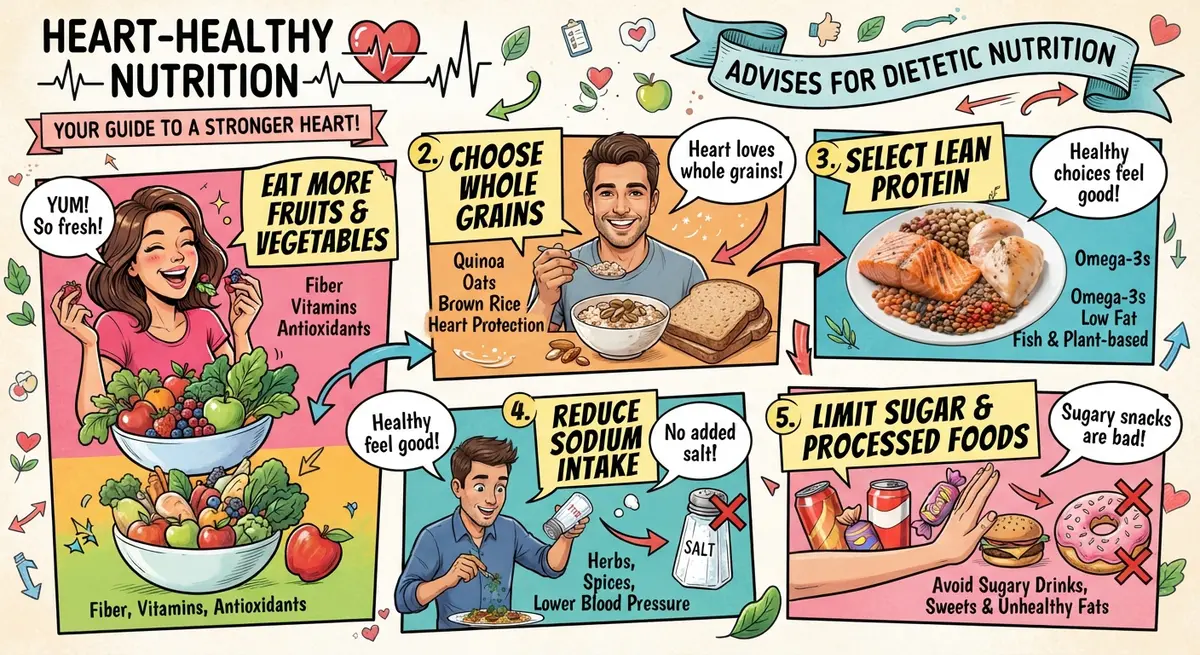
Heart-Healthy Cooking Without Sacrificing Flavor
Heart-friendly cooking isn't saltless cooking. It's a smarter flavor strategy built on herbs, acids, and fats that earn their place on the plate.
Cooking for Seniors: Nutrient-Dense Meals That Are Easy to Digest
Cooking for aging parents or a partner means fewer empty calories and more protein, fiber, and flavor in every soft, gentle bite.
Eating for PCOS: A Hormone-Supportive Kitchen Guide
The two big themes in PCOS nutrition research are blood-sugar steadiness and anti-inflammatory eating — and both can come from a normal, joyful kitchen.
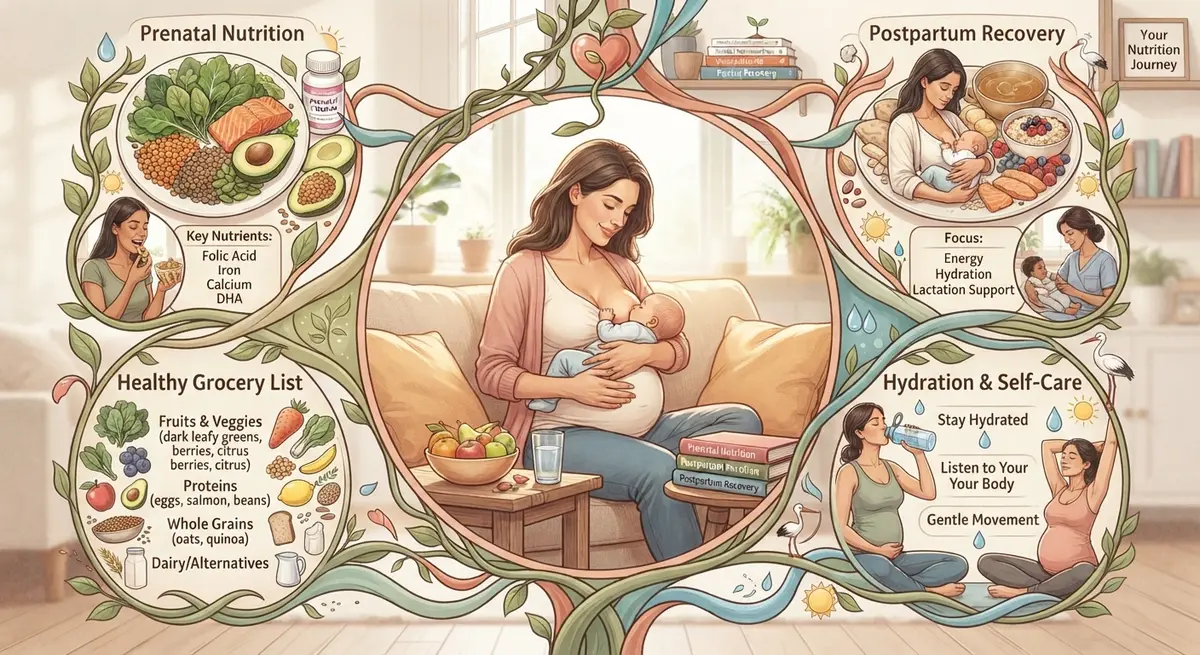
Prenatal & Postpartum Nutrition: A Real-World Roadmap
The most useful prenatal and postpartum eating advice is boring in the best way: steady protein, real food, fiber, and a plan for what 'real life' will actually allow.
About the Authors
This recipe and guide was developed, tested, and approved in our home kitchen and daily life. Jamy is a retired Food Service District Manager and Early Childhood Program Manager who spent his career overseeing multi-site restaurant operations, large-scale culinary production, and daycare menu management. Kaïna brings the ultimate real-world test: making sure it brings ease and joy to our kids on a busy weeknight.
Read more about our professional background and philosophy →