Heart-Healthy Cooking Without Sacrificing Flavor
By the QuiteRecipes team (Jamy & Kaïna)
Heart-friendly cooking isn't saltless cooking. It's a smarter flavor strategy built on herbs, acids, and fats that earn their place on the plate.
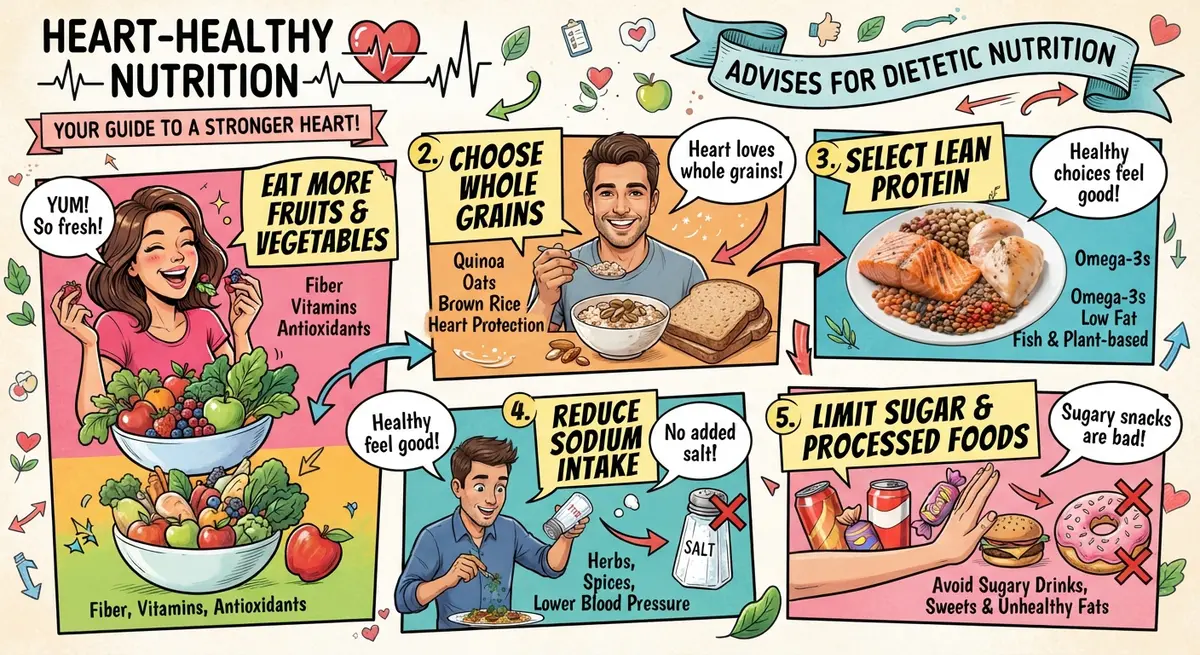
The first time a doctor told my mother to "watch the salt," she cooked a boiled chicken breast and a plain potato for two weeks and declared heart-healthy food a punishment. I understand exactly how she felt. Then I learned that the entire phrase "heart-healthy cooking" has nothing to do with blandness — it has to do with balance. You're not subtracting flavor; you're adding it from different directions.
A quick but honest note before we start: this article is general information, not medical advice. Heart conditions, blood pressure targets, and medication all vary from person to person. Your cardiologist, pharmacist, or dietitian is the authority on your individual numbers. What follows is the approach we use in our own kitchen.
What the Research Literature Points To
When researchers study which diets move heart-health markers, two consistent themes emerge across the evidence:
- Less sodium, more potassium. High sodium intake is consistently linked to higher blood pressure in many people, while potassium-rich foods (fruits, vegetables, beans, dairy, and fish) appear supportive of healthy blood-pressure regulation. The DASH-style pattern — vegetables, fruit, whole grains, low-fat dairy, lean protein, and modest amounts of nuts and seeds — repeatedly shows small but meaningful benefits in trials.
- The type of fat beats the amount of fat. Replacing saturated fat with unsaturated fat (olive oil, nuts, avocados, oily fish) is the pattern most often associated with better cholesterol numbers. Trans fats are the ones to avoid completely.
None of this is a magic wand. It's a pattern — most days, most meals — and it's achievable to enjoy while doing it.
Sodium: Where It Actually Hides
Here's the truth that changed our kitchen: the shaker is rarely the problem. Most sodium in a typical diet comes from processed and pre-made foods — deli meat, canned soups, packaged sauces, frozen dinners, restaurant food, and even some "healthy" breads. Two practical consequences follow:
- Cook from scratch more often. When you control the seasoning, you control the sodium.
- Learn to read labels. Look for foods with roughly 140 mg of sodium or less per serving for a "low sodium" choice, and watch serving sizes — a can's label can hide three servings.
The flavor substitution: instead of reaching for salt, build flavor with acid (lemon, vinegar), aromatics (garlic, onions, celery, carrots), and fresh or dried herbs. Salt is still allowed — you're simply shifting it from the center of the plate to the edge.
The Potassium Crew
The DASH-style pattern doesn't need a list of forbidden foods; it needs a generous list of frequent foods. These are the ones we buy on autopilot:
- Vegetables: leafy greens, tomatoes, broccoli, sweet potatoes, zucchini, bell peppers.
- Fruit: bananas, oranges, berries, melon, apples — fresh more often than juice.
- Beans and legumes: lentils, black beans, chickpeas.
- Dairy and protein: plain yogurt, milk, fish, chicken, eggs.
The personal-notes caveat: if you have kidney disease or take medication that affects potassium (like some blood-pressure drugs), potassium intake is something to discuss with your doctor, not guess at. The pattern above is for a healthy general population.
Fats That Earn Their Spot
Heart-friendly cooking isn't low-fat cooking. We're selective, not fearful:
- Cook with olive oil most of the time; use it as a dressing too.
- Eat oily fish — salmon, sardines, mackerel — a couple of times a week when you can. Canned sardines in olive oil are a weeknight hero.
- Snack on nuts in modest handfuls — walnuts and almonds are our defaults.
- Keep butter for the moments it matters (a baking day, a special dinner) rather than a daily coating.
- Tell packaged baked goods and fried fast food to sit this era out. They're the main sources of the fats most worth minimizing.
Building the Flavor Base
This is the part that converts skeptics. A heart-friendly plate is a full-flavored plate:
- Start every savory dish with onion, garlic, and celery. That trinity carries more flavor per gram of sodium than any spice you can shake.
- Acid is your salt replacement. A squeeze of lemon on finished vegetables, a splash of vinegar in a sauce, a spoon of plain yogurt on a curry — brightness reads as "salty" to the tongue.
- Toast your spices. Blooming cumin, coriander, or paprika in hot oil for thirty seconds releases flavor you can't get any other way.
- Finish with fresh herbs. Parsley, cilantro, or basil added at the very end keeps the dish tasting alive.
- Smoke and char count. A quickly charred pepper or seared mushroom edge adds depth for free.
A Sample Day
- Breakfast: plain Greek yogurt, rolled oats stirred through, berries, a few chopped walnuts, no added salt.
- Lunch: a big bean-and-vegetable soup seasoned with garlic, thyme, and a splash of red-wine vinegar, with a slice of whole-grain bread.
- Snack: an orange and a small handful of almonds.
- Dinner: baked salmon with a mustard-herb rub (smoked paprika, lemon, thyme), roasted broccoli, and a small portion of brown rice.
Salt-free? No — we salted the water for the rice and finished the salmon with a pinch of flaky salt. The difference is that nothing needed it to taste good.
Common Pitfalls
- Going to extremes. Declaring salt and fat completely forbidden usually ends in a binge or a surrender. Aim for most-day patterns, not perfect ones.
- Replacing fat with sugar. Sugar-laden "fat-free" products often trade one problem for another.
- Trusting "heart-healthy" marketing. A label is not a verdict; check sodium and saturates per serving.
- Ignoring your healthcare team's specific numbers. General patterns are useful; personal targets are non-negotiable.
Tip for anyone cooking for one person: batch the flavor base — a pot of soffritto (onion, garlic, celery, olive oil) freezes beautifully in ice-cube trays and becomes the starter of dozens of heart-friendly meals.
FAQ
Is heart-healthy eating just "low sodium"?
No — it's an overall pattern. Sodium, potassium-rich foods, fat quality, and regular meals all work together. Start with sodium and you'll still be doing real work; add the other pieces one at a time.
Do I really need to avoid butter completely?
Completely? No. Making olive oil your daily default and reserving butter for special cooking is realistic and effective. It's the pattern that matters, not the occasional ingredient.
Are eggs off the table?
For most people, eggs can absolutely stay on the menu as part of a balanced diet. The question of cholesterol in eggs depends on your individual health profile — ask your doctor rather than assuming.
I eat out a lot. What do I do?
Order the plate with the most vegetables and the fewest sauces, ask for sauces and dressings on the side, and treat meals you don't cook as the flexible part of your week rather than the daily routine.
Key Takeaways
- Heart-friendly cooking is a balance, not a ban: more potassium-rich foods, less sodium, better fat quality.
- Sodium hides in processed foods — cooking from scratch is the biggest lever.
- Acid, aromatics, toasted spices, and fresh herbs replace the need for salt.
- Let olive oil, nuts, and oily fish be the fats of choice.
- Work with your healthcare team for personal targets; this guide is a general pattern.
A Final Word
The boiled-chicken era my mother survived is over. Heart-friendly food, done properly, is some of the most satisfying food we cook — bright, herbacious, and honest. Every time I watch her finish a plate of lemon-herb salmon and roasted vegetables without reaching for the salt shaker, I count it as a quiet victory for a smarter kind of flavor.
Published on 2026-09-05 by the QuiteRecipes team (Jamy & Kaïna). This article is general wellness information, not medical advice. Heart conditions and medication differ per person — your doctor and registered dietitian set your targets.
Related Articles

Eating for Sexual Health and Vitality: A Food-First Guide
Sexual health is whole-body health. Zinc, iron, omega-3s, and the nitrate-rich vegetables that feed your circulation deserve a real place on the plate.
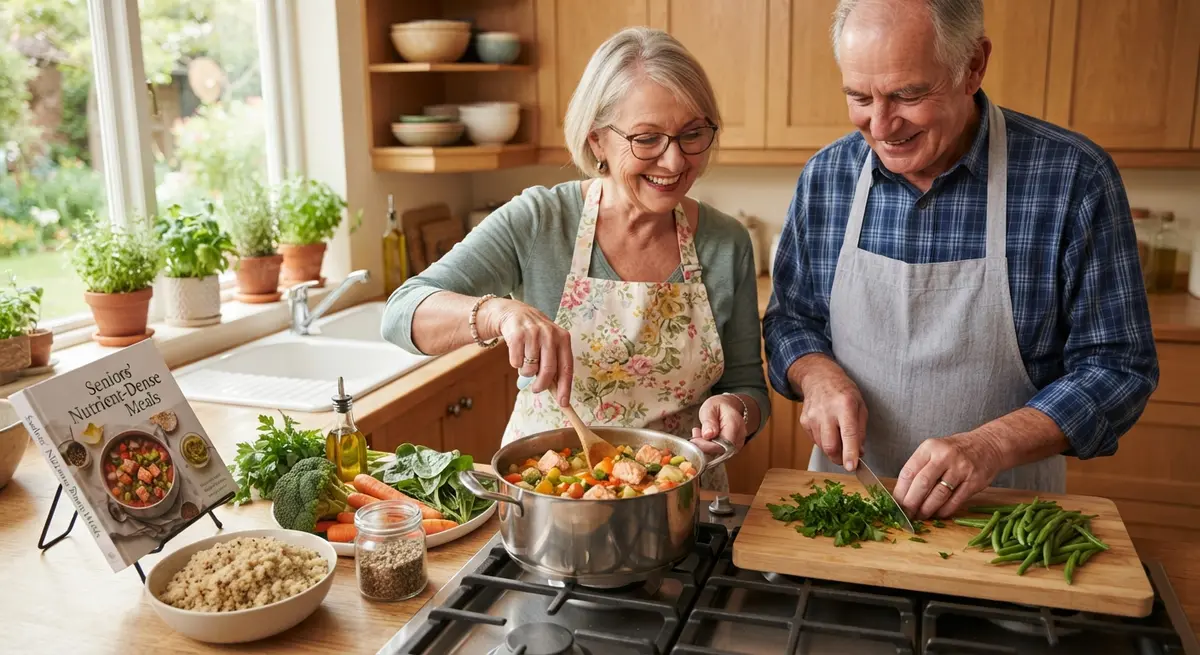
Cooking for Seniors: Nutrient-Dense Meals That Are Easy to Digest
Cooking for aging parents or a partner means fewer empty calories and more protein, fiber, and flavor in every soft, gentle bite.
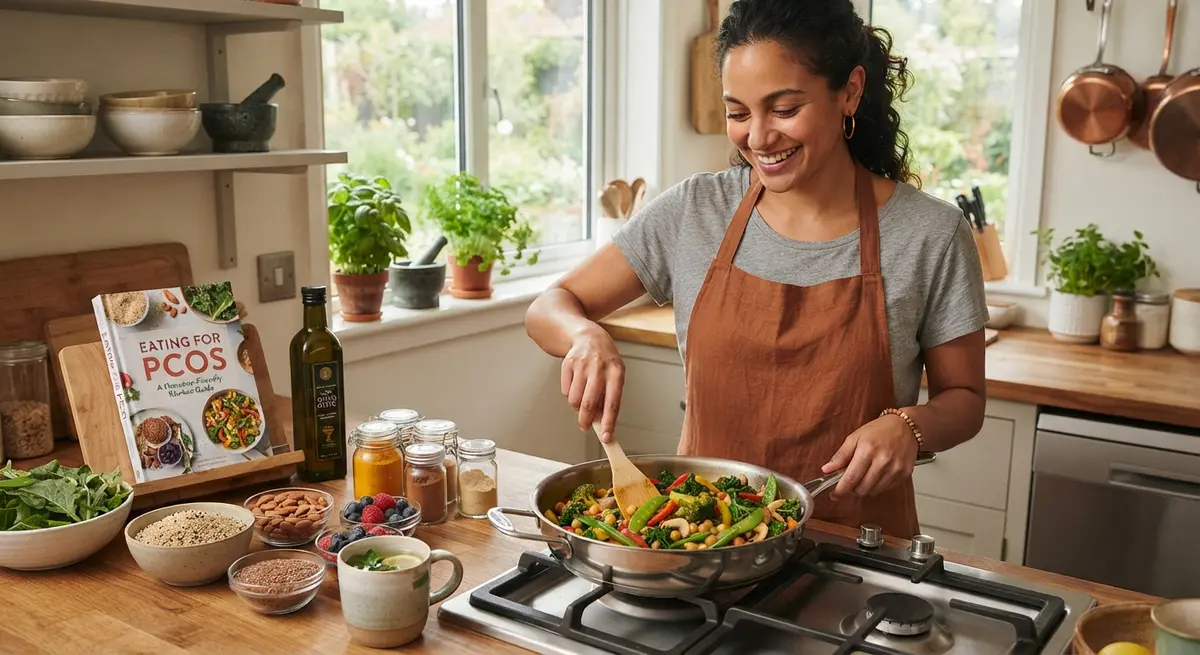
Eating for PCOS: A Hormone-Supportive Kitchen Guide
The two big themes in PCOS nutrition research are blood-sugar steadiness and anti-inflammatory eating — and both can come from a normal, joyful kitchen.
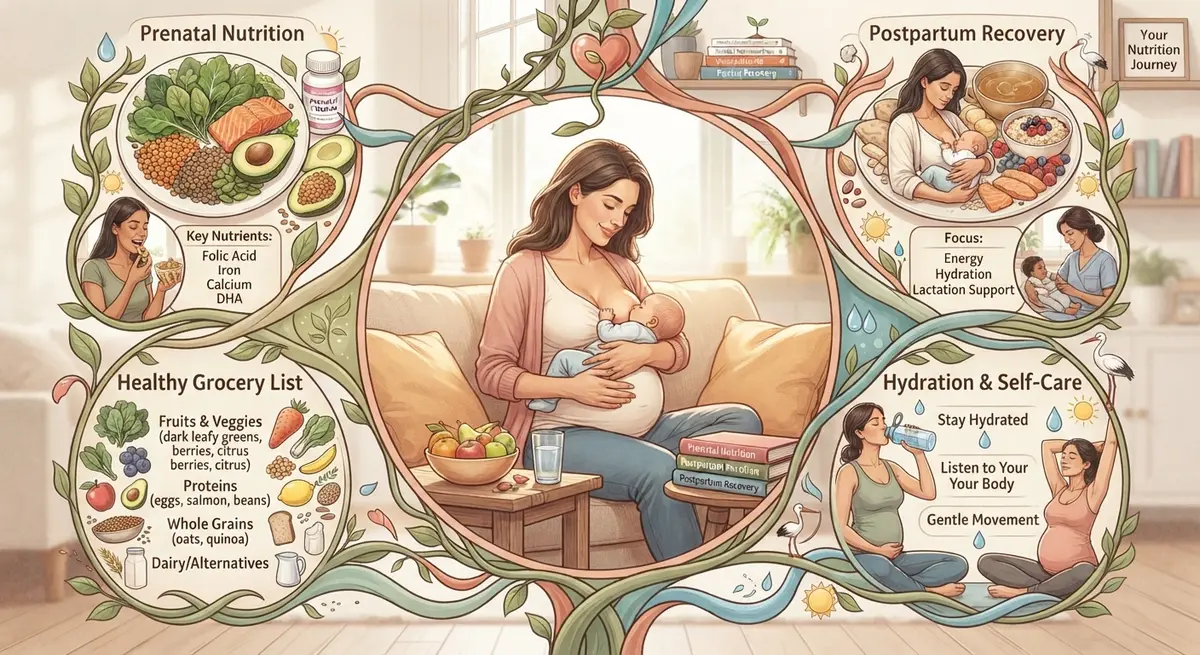
Prenatal & Postpartum Nutrition: A Real-World Roadmap
The most useful prenatal and postpartum eating advice is boring in the best way: steady protein, real food, fiber, and a plan for what 'real life' will actually allow.
About the Authors
This recipe and guide was developed, tested, and approved in our home kitchen and daily life. Jamy is a retired Food Service District Manager and Early Childhood Program Manager who spent his career overseeing multi-site restaurant operations, large-scale culinary production, and daycare menu management. Kaïna brings the ultimate real-world test: making sure it brings ease and joy to our kids on a busy weeknight.
Read more about our professional background and philosophy →