Cooking for Seniors: Nutrient-Dense Meals That Are Easy to Digest
By the QuiteRecipes team (Jamy & Kaïna)
Cooking for aging parents or a partner means fewer empty calories and more protein, fiber, and flavor in every soft, gentle bite.
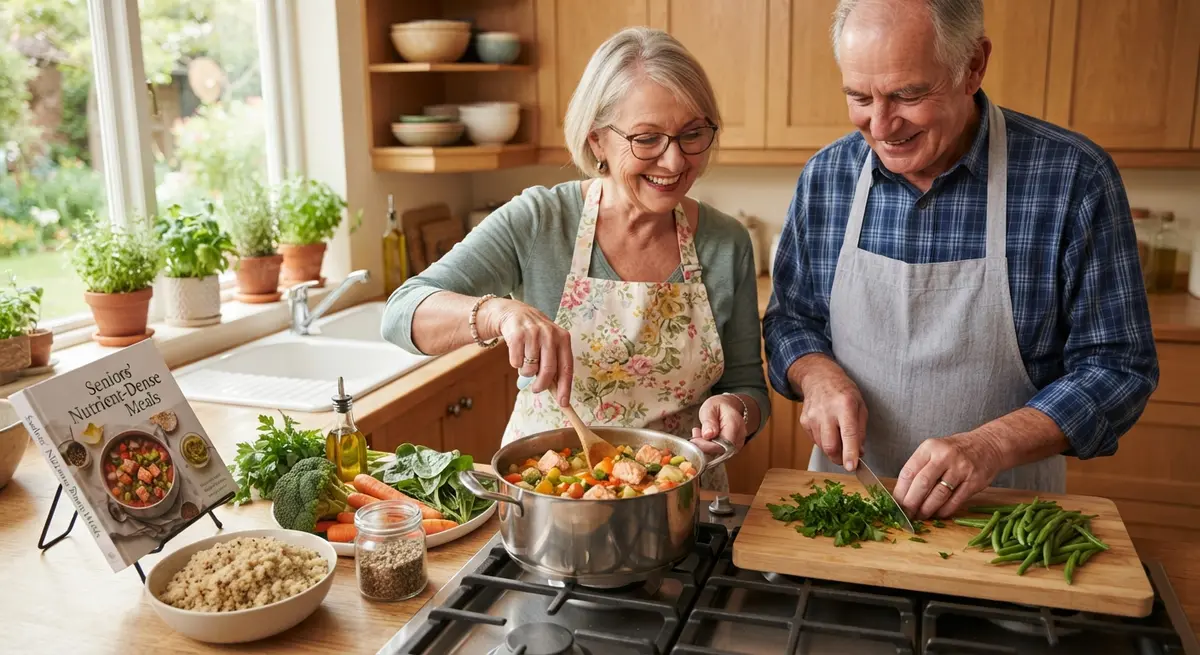
When my mother turned 80, she didn't stop loving food — her mouth simply forgot how to ask for it. She wanted fewer, softer, and more flavorful bites, and boiling vegetables in plain water was not the answer. Cooking for seniors is one of the most loving things a family kitchen can do, because the constraints are real, and the solutions are delicious.
First, a grounding note: this is general wellness guidance, not medical or swallowing-safety advice. Conditions like dysphagia (difficulty swallowing), chewing problems, diabetes, kidney disease, or post-stroke needs require a speech pathologist and a dietitian to set the right textures and nutrients. Use this as a starting framework, and adapt it to your loved one's real situation.
What Changes with Age (and What the Kitchen Can Do)
Three changes drive most of the differences:
- Appetite and sensation fade. Older adults often produce less saliva, lose some taste and smell sensitivity, and feel less hunger. The fix is not bigger plates — it's more nutrient density per bite and stronger, brighter flavor, not more salt.
- Digestion slows, and stomach capacity shrinks. Large volumes feel uncomfortable. Smaller, more frequent meals, and food that's easy to chew and swallow, work better than three Olympic-sized dinners.
- Protein needs go up while calories go down. The body needs more protein per meal to maintain muscle as we age — but energy needs drop. That means every bite should be carrying protein, fiber, and micronutrients, not empty bulk.
The response is the same for all three: cook with intention.
The Protein-First Plate
Protein is the nutrient most likely to quietly slide off the plate as we age, and it's the one that protects muscle, immunity, and independence. Practical targets — spread across the day, not in one giant steak:
- About 25–30 grams of protein per meal is a reasonable goal for most older adults (individual needs vary — your loved one's doctor/dietitian set theirs).
- That looks like: 3 oz chicken or fish, 2–3 eggs, a cup of milk or a serving of plain yogurt, a generous scoop of lentils or firm tofu, or a palm-sized portion of meat.
- Protein in the morning matters. Breakfast is where most people fall short — an egg with toast, Greek yogurt with fruit, or a smoothie with milk and nut butter covers a lot of ground.
Soft Textures Without the Nursing-Home Taste
"Soft" doesn't mean pureed beige. There's a whole ladder between "chew normally" and "mashed":
- Gentle-cooked and fork-tender. Braises, stews, slow-cooked meats, steamed-to-soft vegetables, and flaked fish all stay intact enough to look like food and soft enough to chew easily.
- Finely chopped and well-cooked beats "blitzed into oblivion." A shepherd's pie with well-minced meat and mashed sweet potato reads as a real meal.
- Sauces are your best friend. A pan sauce, yogurt finish, or broth keeps every bite moist and adds flavor and swallowing ease. Dry food is the enemy.
- Cut timing as well as texture. Let roasted vegetables cook until they surrender; choose ripe fruit; grate hard things (carrots, squash) into dishes rather than leaving them raw and rigid.
A texture caveat: if swallowing difficulties are present, this is where the speech pathologist leads. "Easy to chew" and "safe to swallow" are different things — get professional guidance, then translate their rules into food you can actually make.
Flavor That Doesn't Depend on Salt
Low-appetite, low-flavor-sensation eating can make people reach for the salt shaker hard. Better toolkit:
- Umami carries far: mushrooms, tomato paste, miso (in small amounts with care for sodium), slow-cooked onions, good stock, a touch of Parmesan.
- Acid reappears: lemon or a dash of vinegar lifts foggy taste buds like nothing else.
- Sweetness with structure: a little maple syrup or apple in a savory dish reads as "richer" not "dessert."
- Warm spice: cinnamon, nutmeg, curry, smoked paprika add aroma that registers even where taste is faded.
- Texture contrast — even in soft food: a crunchy topping of toasted nuts (if safe) or seeds keeps interest high.
Let's Make It Real: A Sample Day
- Breakfast: soft scrambled eggs with a spoon of cottage cheese folded in, a slice of seeded toast with a little butter, and a small glass of milk.
- Lunch: a bowl of gently seasoned lentil and vegetable soup with soft shredded chicken, a crusty-but-soft roll, and a small serving of yogurt.
- Snack: a ripe banana or a piece of soft fruit, with a few nuts (if safe to chew) or a glass of milk.
- Dinner: braised short ribs (or a soft fish filet), carrot-and-parsnip puree, and well-cooked green beans dressed with olive oil and lemon.
Silky, flavorful, protein-forward, and — critically — doable on a Tuesday with an hour of cooking.
Practical Tips for Caregivers
- Small, frequent, beautiful. Serve on a smaller plate; appetite is invaded by a huge pile of food.
- Stay visible and social. Eating with company measurably helps intake. Sit down and share the meal.
- Don't nag. Pressure backfires with adults. Tempt, don't insist.
- Honor preferences fiercely. If your mother loves a particular soup, make a pot and freeze it in serving bags.
- Add calories and protein without Frankenstein-ing the plate: stir milk into mashed potatoes, sneak beans into minced dishes, add an egg to anything.
- Watch hydration. Thirst signals fade too; warm broths and soups pull double duty.
Common Pitfalls
- Pureeing everything "just to be safe." Unnecessary unless advised; it strips enjoyment and can hurt swallowing muscle training.
- Salting to compensate for lost taste. A sodium-fogged diet has its own health costs; prefer the flavor toolkit above, especially if blood pressure is a concern.
- Assuming "soft" means "bland." The opposite is the point.
- Forgetting medication timing. Some meds interact with food and timing matters; coordinate with the care team rather than improvising.
When to Bring in the Pros
Seek professional guidance (doctor + dietitian, and speech pathologist where swallowing is involved) if: there's unexplained weight loss, recurrent coughing during or after meals, trouble swallowing, or a chronic condition — diabetes, kidney disease, heart failure — that makes protein or sodium targets specific. For everyone else, "soft-ish, nutrient-dense, sociable" is a wonderful starting point.
Serving note from our kitchen: the winning trick for reluctant appetites is to serve one gorgeous favorite next to a few "backup" bites — a slice of toast, a warm custard, a bowl of soup — rather than one big plate of the same thing. Choice, even small choice, wakes up appetite.
FAQ
Should I worry if my parent eats less than I do?
Less volume is normal — the concern is quality and steady pattern. Watch for unintentional weight loss; that's the red flag, not the portion size.
Is protein harmful for older kidneys?
Protein guidance depends on existing kidney function. For healthy kidneys, adequate protein is protective of muscle — but if kidney disease is present, targets change. Let the care team set the number.
What about nutritional shakes?
They're a legitimate bridging tool — handy on low-appetite days — but they shouldn't replace real food as the foundation. Talk to a dietitian about which to choose if needed.
My parent has dentures. Any special tricks?
Softer textures, smaller pieces, moist foods, and patience at mealtimes help enormously. Warm soups, mashed root vegetables, and tender proteins are kind friends to denture wearers.
Key Takeaways
- Older adults need more nutrient and protein density per bite — even while eating less volume.
- Aim for roughly 25–30g of protein per meal, including at breakfast.
- "Soft" is a flavor opportunity, not a flavor loss: master gentler textures, sauces, and umami.
- Smaller, sociable, well-composed plates beat large solitary ones.
- Get professional texture and nutrition guidance when swallowing or health conditions are involved.
A Final Word
The best reward in cooking for a senior is the exact thing you're aiming for: a finished plate, a clean second helping, and a quiet "that was good" from the person you love. It's not about elaborate skills — it's about care, consistency, and keeping flavor and dignity on the plate at any age. And when dinner is shared, it tastes better for both of you.
Published on 2026-09-05 by the QuiteRecipes team (Jamy & Kaïna). This article is general wellness information, not medical advice. Texture and nutrition needs should be guided by your loved one's care team.
Related Articles
Eating for PCOS: A Hormone-Supportive Kitchen Guide
The two big themes in PCOS nutrition research are blood-sugar steadiness and anti-inflammatory eating — and both can come from a normal, joyful kitchen.

Eating for Sexual Health and Vitality: A Food-First Guide
Sexual health is whole-body health. Zinc, iron, omega-3s, and the nitrate-rich vegetables that feed your circulation deserve a real place on the plate.
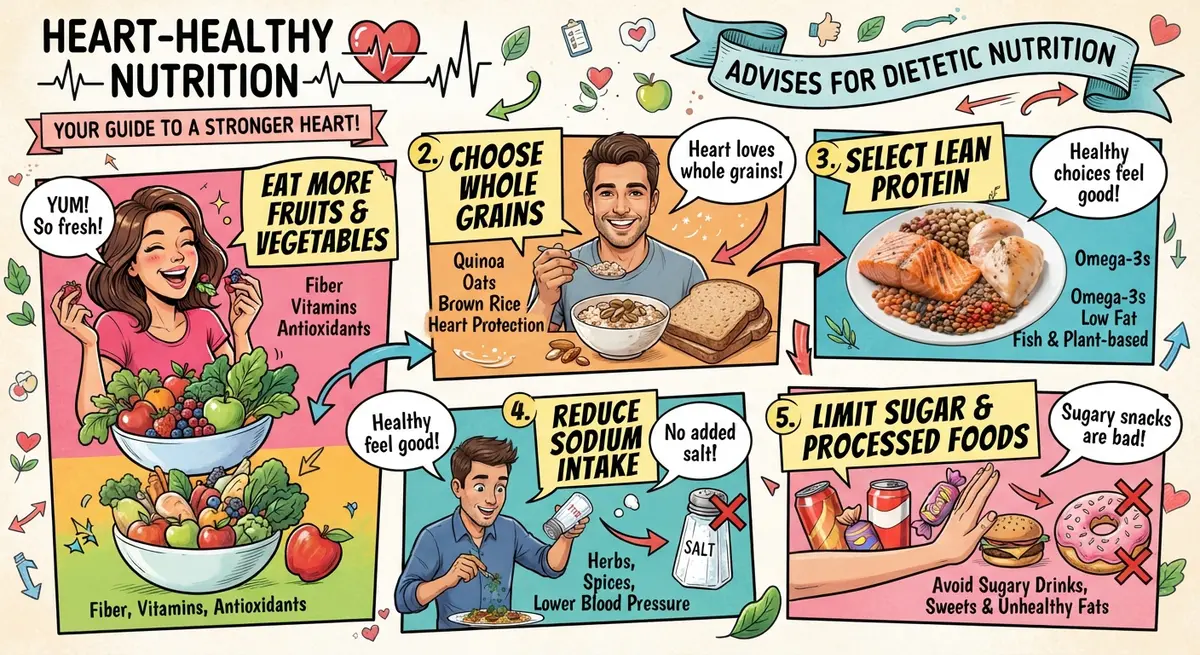
Heart-Healthy Cooking Without Sacrificing Flavor
Heart-friendly cooking isn't saltless cooking. It's a smarter flavor strategy built on herbs, acids, and fats that earn their place on the plate.
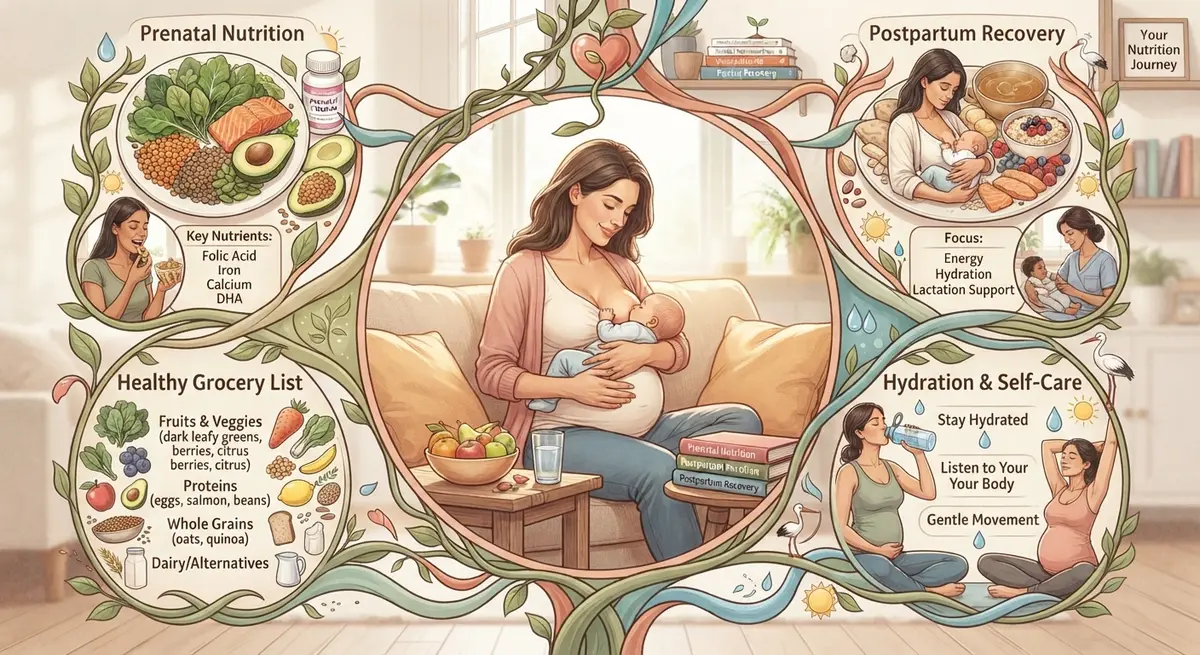
Prenatal & Postpartum Nutrition: A Real-World Roadmap
The most useful prenatal and postpartum eating advice is boring in the best way: steady protein, real food, fiber, and a plan for what 'real life' will actually allow.
About the Authors
This recipe and guide was developed, tested, and approved in our home kitchen and daily life. Jamy is a retired Food Service District Manager and Early Childhood Program Manager who spent his career overseeing multi-site restaurant operations, large-scale culinary production, and daycare menu management. Kaïna brings the ultimate real-world test: making sure it brings ease and joy to our kids on a busy weeknight.
Read more about our professional background and philosophy →