Eating for PCOS: A Hormone-Supportive Kitchen Guide
By the QuiteRecipes team (Jamy & Kaïna)
The two big themes in PCOS nutrition research are blood-sugar steadiness and anti-inflammatory eating — and both can come from a normal, joyful kitchen.
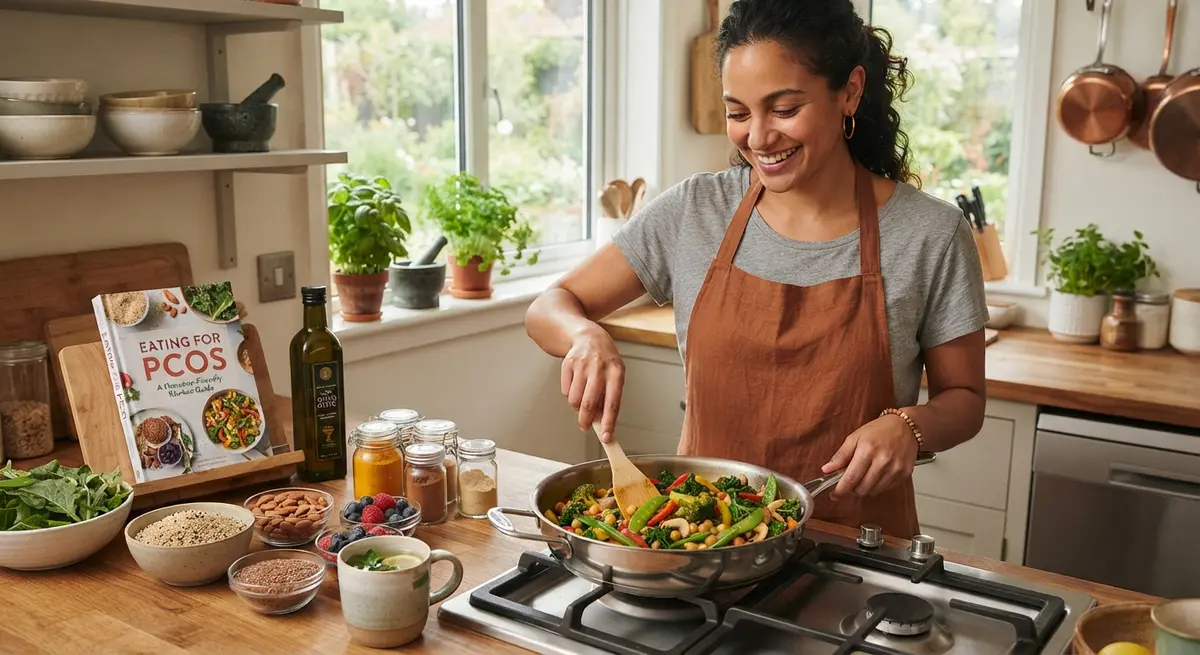
Polycystic ovary syndrome is one of the most common hormonal conditions among women of reproductive age, yet it's chronically surrounded by confusion and, frankly, some very unhelpful advice. As someone who's cooked for family members navigating PCOS, I want to start with the reassuring truth: the dietary pattern most often recommended for PCOS is not a restrictive, exotic protocol. It's a version of food many of us eat already — just sharper, steadier, and kinder to your blood sugar.
This is general information to help you think about how you eat. PCOS is a medical diagnosis with real variation between women, and your gynecologist or an endocrinologist — ideally alongside a registered dietitian — is the right team to set your individual plan.
What Research Points To
PCOS is a syndrome (a group of symptoms), and its causes aren't one simple thing. But two dietary themes come up consistently across the literature:
- Insulin sensitivity matters. Many women with PCOS have insulin resistance — cells that don't respond to insulin as efficiently. That makes blood-sugar swings more likely and makes steady carbohydrate patterns more helpful than crashy ones.
- Inflammation is a common thread. Low-grade, chronic inflammation appears in many metabolic and hormonal conditions, including PCOS. An anti-inflammatory eating pattern — think Mediterranean-style — is the dietary framework most often suggested to support it.
Neither of these is a guarantee or a cure. They're broad, research-leaning themes to build a kitchen around.
The Steady Blood-Sugar Strategy
Carbohydrates are not your enemy with PCOS. Erratic carbohydrates are. The strategy is to "round out" every carb you eat:
- Always pair a carb with protein, fiber, or fat. An apple gets peanut butter; a slice of toast gets an egg; beans get rice. This simple habit flattens the glucose curve more than any product ever will.
- Choose slower-release carbs as the default. Rolled oats, brown rice, whole-grain bread, sweet potatoes, legumes — the same swaps that help anyone keep blood sugar steady.
- Eat at regular intervals. Skipping meals to "save" calories usually backfires by tanking your blood sugar and setting up a 5 p.m. frantic snack. Regular meals with a stable carb base are the pattern.
- Move a little after meals when you can. A short walk after dinner is one of the simplest, best-supported habits for glucose handling — and it costs nothing.
The Anti-Inflammatory Plate
The second theme translates beautifully into a kitchen, because anti-inflammatory food is considerate food:
- More color per plate. Berries, leafy greens, tomatoes, peppers, broccoli — polyphenol-rich plants are the stars of the anti-inflammatory pattern.
- Olive oil as your daily fat. Use it for cooking and finishing.
- Oily fish a couple of times a week. Salmon, sardines, mackerel bring omega-3 fats.
- Nuts and seeds in modest handfuls — walnuts, flax, chia.
- Whole grains and beans to carry fiber (which also feeds a happy gut).
- Spices that pull their weight: ginger, turmeric (with black pepper, which helps absorption), garlic, cinnamon.
The well-known Mediterranean pattern is basically this list, in full sentences. It's not a "PCOS diet" — it's a diet that happens to be good for people with PCOS.
What About Sugar?
Sugar gets the blame for a lot in PCOS conversations, and a good deal of it is fair: regular large doses of added sugar are hard on insulin sensitivity for anyone, and especially for insulin-resistant bodies. But the honest, sustainable version of this advice is:
- Added sugars: most of the time, keep them modest. That's a habit, not a total ban.
- Sweetened drinks are the biggest lever. Juice and soda deliver a fast glucose hit with zero fiber or volume. Swapping those first does more than any single dessert change.
- Dessert isn't evil. A balanced relationship with sweets is easier to maintain than a war with them. If you take good care of your 90% of meals, the 10% can be enjoyed without guilt.
A Sample Day That Is Gently Hormone-Supportive
- Breakfast: 2 scrambled eggs with spinach, a slice of whole-grain toast, sliced tomato with olive oil.
- Lunch: lentil and roasted-vegetable bowl with a lemon-tahini dressing and a side of yogurt.
- Snack: an apple with two tablespoons of peanut butter.
- Dinner: baked salmon with a ginger-turmeric glaze, quinoa, and a big pile of roasted broccoli.
Notice the pattern: steady carbs, protein at every meal, color on the plate, olive oil doing the work, and absolutely nothing exotic.
Key Tips for the Real World
- Plan around your energy, not the algorithm. On low-energy days, a rotisserie chicken + bagged salad + microwave rice bowl is a perfectly legitimate "PCOS meal." The pattern matters more than the presentation.
- Don't let supplements replace food. Whole-food patterns come first. If a specific supplement (like inositol) is on your radar, discuss it with your doctor — don't self-prescribe a supplement stack.
- Be patient with your weight and your cycle. Food changes take weeks to feel and months to see. Consistency outlasts intensity.
- Keep notes. If you track anything, track how meals make you feel (energy, cravings, mood) — that feedback is more useful than guilt.
When to Involve Professionals
PCOS is under-diagnosed and frequently mismanaged with generic weight-loss advice. If you suspect PCOS or have been diagnosed and feel stuck:
- Work with a gynecologist or endocrinologist for the hormonal picture.
- Ask for (or find) a registered dietitian familiar with PCOS — this is genuinely worth seeking out.
- Bring your own bloodwork reports and your meal notes to make it concrete.
If you're on medication — metformin, hormonal birth control, or others — never make big dietary changes without telling your care team, and keep them updated on how you feel.
A note from one home cook to another: you didn't cause your PCOS, and no plate is going to "fix" it alone. The food part of PCOS care is about building a steadier, kinder baseline — one meal at a time, without moral weight attached to a single bite.
FAQ
Is PCOS caused by diet?
No. PCOS has genetic, hormonal, and metabolic dimensions. Diet is a support system, not a cause or a cure.
Do I have to go gluten-free or dairy-free?
Not automatically. Many women do well continuing gluten and dairy unless they have a specific intolerance. Don't drop whole food groups on a hunch — test, observe, and work with a professional.
What's the most important first change?
If we had to pick one move to make today: stop drinking liquid sugar, and pair every carbohydrate you eat with protein, fiber, or fat. Those two habits cover most of the meaningful ground.
How long until I notice changes?
Energy and cravings often shift within a few weeks. Cycle-related changes can take several months and are influenced by more than diet alone. Steady beats spectacular here.
Key Takeaways
- The two research-leaning themes for PCOS eating: steady blood sugar and an anti-inflammatory pattern.
- Pair every carb with protein, fiber, or fat — this single habit does heavy lifting.
- Come to most meals through the Mediterranean-style pattern: color, olive oil, oily fish, nuts, whole grains.
- Swap sweetened drinks first; keep a peaceful relationship with dessert.
- Build your personal plan with a gynecologist/endocrinologist and a dietitian — especially if medications are involved.
A Final Word
Chopping vegetables for someone navigating PCOS, I've learned that the kindest thing a kitchen can offer is steadiness — a predictable rhythm of nourishing food, free of judgment and free of extremes. That's the pattern on these pages, and it's delicious enough to keep forever.
Published on 2026-09-05 by the QuiteRecipes team (Jamy & Kaïna). This article is general wellness information, not medical advice. PCOS care should be coordinated with your doctor and a registered dietitian.
Related Articles
Cooking for Seniors: Nutrient-Dense Meals That Are Easy to Digest
Cooking for aging parents or a partner means fewer empty calories and more protein, fiber, and flavor in every soft, gentle bite.

Eating for Sexual Health and Vitality: A Food-First Guide
Sexual health is whole-body health. Zinc, iron, omega-3s, and the nitrate-rich vegetables that feed your circulation deserve a real place on the plate.
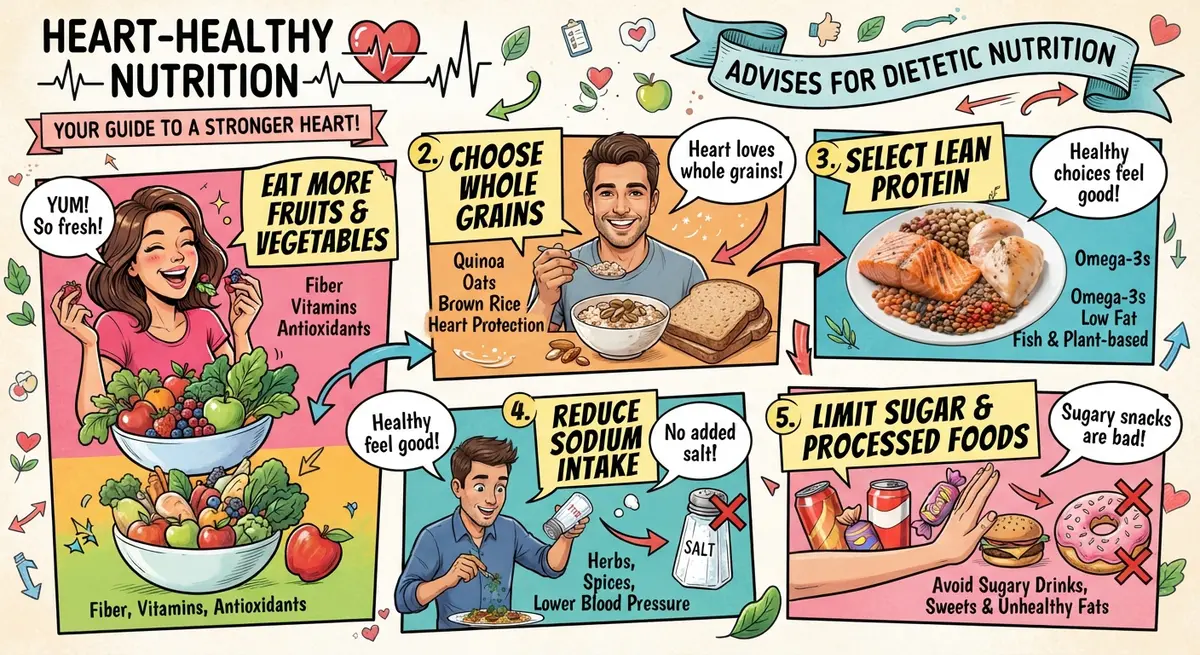
Heart-Healthy Cooking Without Sacrificing Flavor
Heart-friendly cooking isn't saltless cooking. It's a smarter flavor strategy built on herbs, acids, and fats that earn their place on the plate.
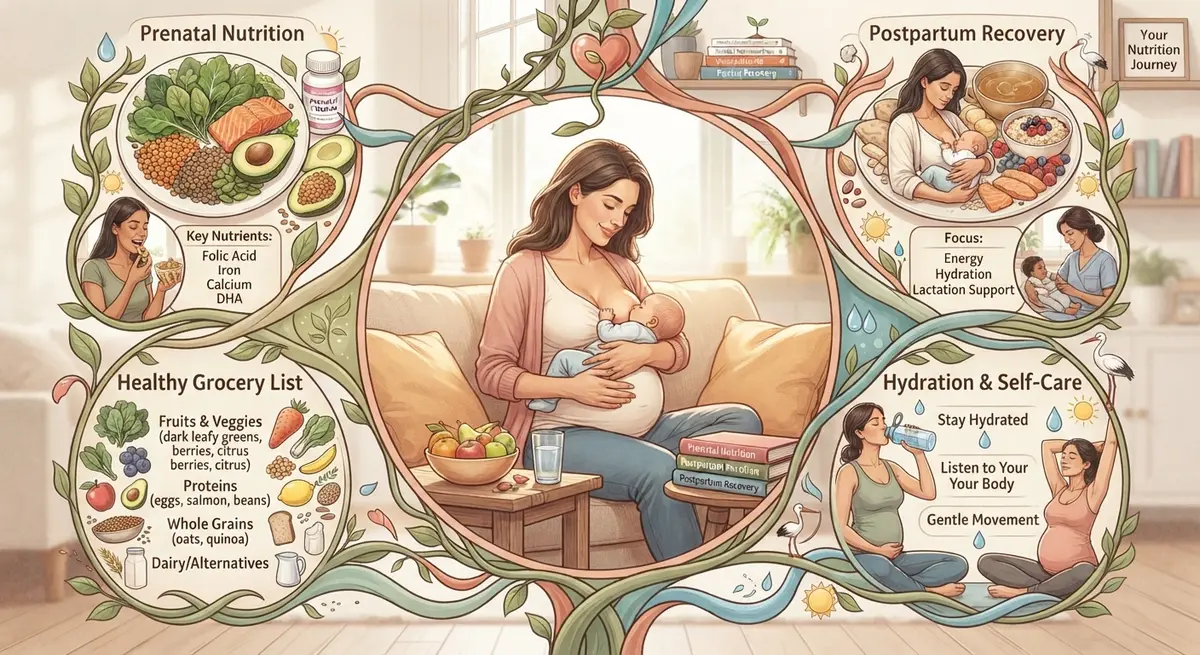
Prenatal & Postpartum Nutrition: A Real-World Roadmap
The most useful prenatal and postpartum eating advice is boring in the best way: steady protein, real food, fiber, and a plan for what 'real life' will actually allow.
About the Authors
This recipe and guide was developed, tested, and approved in our home kitchen and daily life. Jamy is a retired Food Service District Manager and Early Childhood Program Manager who spent his career overseeing multi-site restaurant operations, large-scale culinary production, and daycare menu management. Kaïna brings the ultimate real-world test: making sure it brings ease and joy to our kids on a busy weeknight.
Read more about our professional background and philosophy →