Prenatal & Postpartum Nutrition: A Real-World Roadmap
By the QuiteRecipes team (Jamy & Kaïna)
The most useful prenatal and postpartum eating advice is boring in the best way: steady protein, real food, fiber, and a plan for what 'real life' will actually allow.
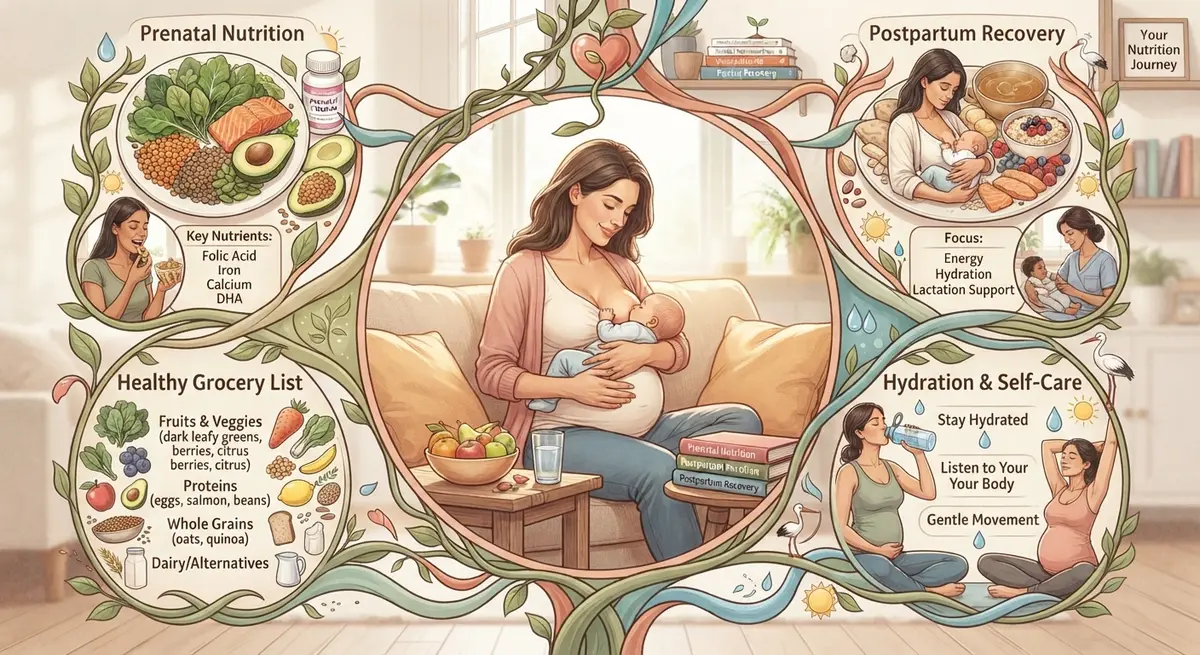
There's a shelf of intimidating "pregnancy nutrition" books and a perfectly good chance you've already skimmed three of them while the kettle boiled. Let me offer something more useful: a real-world roadmap, written by someone who's done the shopping, the meal prep, and the 2 a.m. fridge visits across three pregnancies.
Every pregnancy is different, and this is general wellness information — your OB/GYN, midwife, and (for anything detailed) a registered dietitian are the authorities for your specific situation. What follows is the framework that makes "this is what we're eating this trimester" survivable and sane.
Trimesters in Three Sentences
- First trimester: survival mode. Get nutrients where you can, keep meals small and frequent, and don't judge your food for being mostly toast and ginger ale for a few weeks. Nausea is a marathon, hands off the trophy.
- Second trimester: the golden window. Energy and appetite return — this is the stretch for stocking the freezer and finding the meals that will carry you into the third trimester.
- Third trimester and the fourth: priorities shift. Comfort, convenience, and a stocked fridge matter more than novelty. This is where the harvesting of all that freezer science pays off.
The Building Blocks That Never Change
Across all of it, three pillars stay steady:
- Protein at every meal. Pregnancy raises protein needs; postpartum repair (and breastfeeding, if applicable) raises them again. Eggs, beans, lentils, tofu, fish, chicken, yogurt, nuts — covered.
- Fiber for the win. Constipation and hemorrhoids are the least-glamorous, most-common pregnancy companions. It's not the most exciting advice, but it is the most practical: plenty of plant foods, legumes, and fluids every single day.
- Nutrient density over raw volume. You only need modest extra calories, especially early on. Spend them on food that carries folate, iron, calcium, and choline rather than empty sugar.
The Nutrients Worth Your Attention
- Folate/folic acid. From before conception onward; found in leafy greens, legumes, eggs, citrus, and fortified grains. Your supplement covers the base; food closes the loop.
- Iron. Blood volume expands hugely; many women run low. Pair iron-rich foods (red meat, beans, spinach, fortified cereals) with vitamin C (citrus, peppers, tomatoes) and keep tea/coffee away from the big iron meals.
- Calcium and vitamin D. For bones — yours and baby's. Dairy, fortified plant milks, leafy greens, and modest sun exposure help; supplements are common.
- Choline. The underhyped one — linked to brain development support and found in eggs (especially the yolks), chicken, and beans.
- DHA/omega-3. The reason fish is in every prenatal list; salmon and sardines (chosen per pregnancy-safe seafood guidance) are the stars.
Micronutrient note: a good prenatal vitamin is a backstop, not a substitute. Real food patterns do the heavy lifting; the pill fills gaps and guards against shortfalls.
The Fourth Trimester: Feeding the Mama
The "fourth trimester" (the first three months postpartum) gets maybe 5% of the attention despite being the most physically demanding stretch of all. The postpartum kitchen rules we lived by:
- Eat like you're refueling, not "watching it." Recovery, milk production (if breastfeeding), and sleep-deprived energy all demand real food. This is not the season for a deficit-diet. Period.
- Batch. Batch. Batch. Cook once, eat three times. Freeze portions of stews, soups, and burritos in the second trimester so the fourth trimester involves a microwave, not a chef.
- Hand-to-mouth warriors, not the tactics of a Pinterest board. Keep yogurt cups, hard-boiled eggs, cheese, fruit, and nuts within one-handed reach. You will eat with a baby on a shoulder.
- Hydration above all. Especially while breastfeeding, thirst is real and demand is real — water bottle near the nursing spot, not two rooms away.
- Lower the bar, kindly. A sandwich with actual protein and a banana is a win. Granola bar at 3 a.m. is a win. Grace beats gourmet.
Simple Meal Framework to Copy
- Breakfast: eggs on seeded toast, or Greek yogurt with berries and a spoon of nut butter.
- Lunch: a big-ish (room-temperature-tolerant) salad with chicken/beans, cheese, and a whole-grain roll; or leftover stew from the freezer.
- Snack: fruit + a handful of nuts, or a glass of milk / yogurt.
- Dinner: one-pan marvels — sheet-pan salmon with roasted vegetables and potatoes; lentil ragout with a side of greens; a big, mostly-veg stir-fry with tofu.
Notice the pattern: protein at every seat, fiber everywhere, and meals that take 30 minutes of active attention or less.
What (Reasonably) to Limit
Not "forbidden," just managed:
- Foods on the standard prenatal no-list — the ones your provider lists (high-mercury fish, unpasteurized dairy, raw sprouts) — follow those rules; they exist for a reason.
- Excess caffeine. A modest cup of coffee is usually fine per most guidance; your provider's number wins.
- Alcohol. During pregnancy, most expert bodies advise none; postpartum, plan old favorites for a time it's actually a good idea.
- Ultra-processed convenience food as a default. Convenience food as an occasional bridge is a normal part of modern parenting; as a weekly baseline it misses the point.
Common Pitfalls
- The "I'm eating for two" elastic. You're eating for one-plus-a-building-site; the extra calories are modest. Quality over doubling.
- Believing the "superfood" aisles. There are no magic berries in a $12 pouch — there are, however, still blueberries at the market.
- Skipping snacks that carry protein. A banana is great; a banana with nut butter is a better-ish snack for steady energy.
- Gutting out the fourth trimester on scraps. The exhaustion is not weakness; the food is not optional.
- Ignoring what the plate is telling you: repeated, severe vomiting (hyperemesis), major edema, or food aversions that shut you out of entire food groups all deserve a care-team conversation, in writing.
When to Loop In the Pros
Your OB or midwife for the overview, a registered dietitian for the detail — especially if: you're managing gestational diabetes, hypertension, anemia, an eating-disorder history, or restrictive eating patterns, had bariatric surgery, or just feel lost. Postpartum, if mood is low, eating is hard, or milk supply questions abound, the lacruction or mental-health team matters too. This is a team sport.
From our kitchen: the meal that carried me through both postpartum stretches was a big pot of lentil and vegetable stew with lemon, spiced warmly and frozen in single servings. It thawed faster than my brain could form a sentence, it was fiber-and-protein dense, and it cost about as much effort as the kettle of tea beside it.
FAQ
Is it safe to keep my normal diet when the pregnancy is new?
For most women, yes — keep eating normal foods, add a prenatal vitamin, and follow the avoid-list from your provider. Early pregnancy appetite is often weird; that's allowed.
I'm nauseous and can't hit protein targets. Help?
Cold foods smell less (lunch meat alternative: hard-boiled eggs, yogurt, cheese); small frequent "snacky" meals beat three big ones; ginger (candied, tea, fresh) is a beloved ally for many — your own body's mileage, though.
Can I eat fish while pregnant?
Usually yes — low-mercury fish in moderation is encouraged for DHA. The guidance window is real, though: follow your provider's specific high-mercury list and weekly amounts. Sardines, salmon, and small fish are the usual allies; big predators are not.
How do I handle breastfeeding appetite?
You genuinely need more, whether roughly you're feeding a baby who's growing fast by the day. Give yourself permission to refuel with real food and to not shrink your portions to fit an old normal. Hydrate like it's your job.
Key Takeaways
- Every trimester has a different appetite — work with it, don't fight it.
- Protein at every meal, fiber daily, and nutrient-dense over empty-volume food, every season.
- Folate, iron, calcium, choline, and DHA are the letters that matter most — food first, vitamin as backstop.
- The fourth trimester is a real physiological marathon: batch cook, hydrate, lower expectations kindly.
- Use your care team generously — this is a team sport from day one.
A Final Word
No one remembers their pregnancy by the exact macronutrient split of a Tuesday lunch. They remember the steady warmth of meals that appeared without drama, the hands that fed them soup at 3 a.m., and the quiet competence of a kitchen that kept showing up. That's the whole game: show up, cook simply, and feed the person (and the building project) in front of you. The science fills in the details; the love makes it stick.
Published on 2026-09-05 by the QuiteRecipes team (Jamy & Kaïna). This article is general wellness information, not medical advice. Prenatal and postpartum nutrition should be guided by your OB/GYN, midwife, and a registered dietitian.
Related Articles

Cooking for Seniors: Nutrient-Dense Meals That Are Easy to Digest
Cooking for aging parents or a partner means fewer empty calories and more protein, fiber, and flavor in every soft, gentle bite.
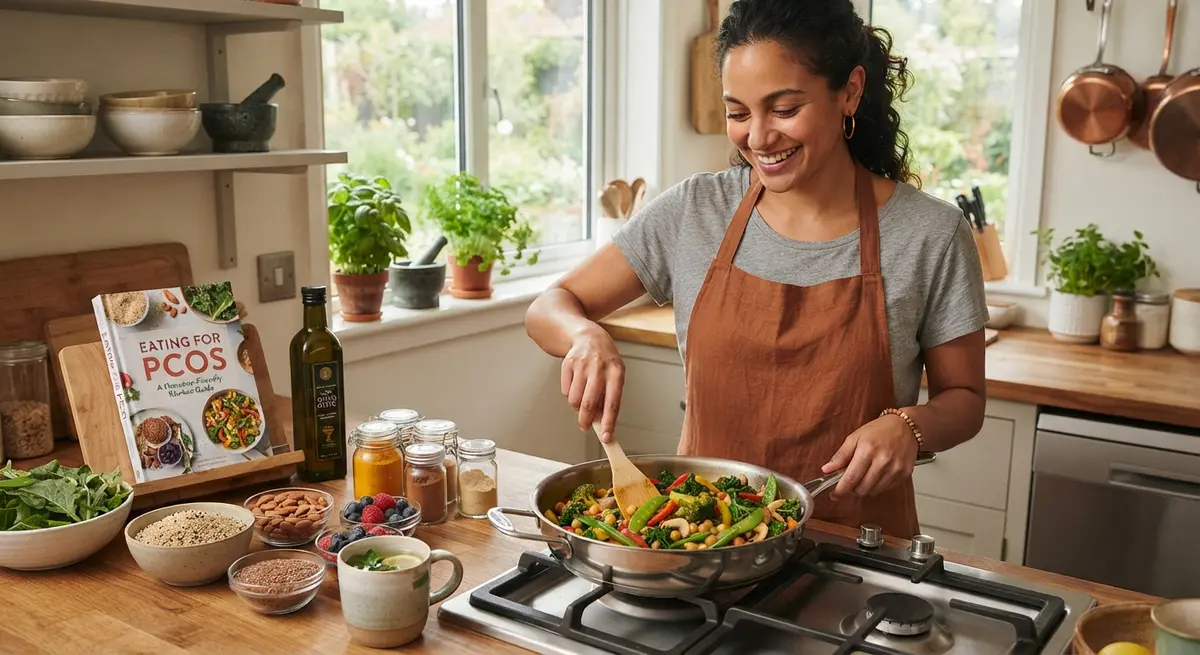
Eating for PCOS: A Hormone-Supportive Kitchen Guide
The two big themes in PCOS nutrition research are blood-sugar steadiness and anti-inflammatory eating — and both can come from a normal, joyful kitchen.

Eating for Sexual Health and Vitality: A Food-First Guide
Sexual health is whole-body health. Zinc, iron, omega-3s, and the nitrate-rich vegetables that feed your circulation deserve a real place on the plate.
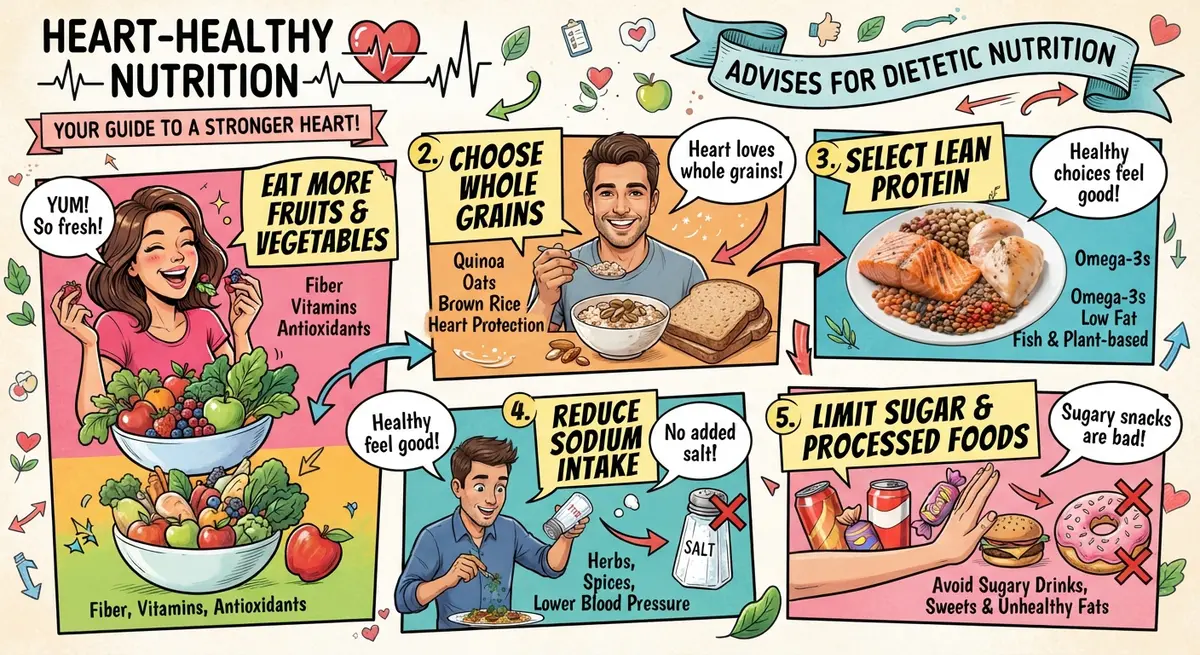
Heart-Healthy Cooking Without Sacrificing Flavor
Heart-friendly cooking isn't saltless cooking. It's a smarter flavor strategy built on herbs, acids, and fats that earn their place on the plate.
About the Authors
This recipe and guide was developed, tested, and approved in our home kitchen and daily life. Jamy is a retired Food Service District Manager and Early Childhood Program Manager who spent his career overseeing multi-site restaurant operations, large-scale culinary production, and daycare menu management. Kaïna brings the ultimate real-world test: making sure it brings ease and joy to our kids on a busy weeknight.
Read more about our professional background and philosophy →